
Post
Pigmentation and Dark Circle Management: A Dermatologist's Guide to Refining the Details
Hello, I am Dr. Park Hyungkwon, a dermatologist and the director of LUNN Dermatology Clinic in Cheongdam/Apgujeong Rodeo.
Many patients visit me in their 30s and 40s expressing frustration with stubborn pigmentation and a tired appearance. In my practice, I often say that natural results are the true mark of skill. My brand philosophy, "Refining the Details. Achieving Perfect Harmony," dictates that we must look beyond surface spots to the entire facial structure. In this guide, I will share my perspective on pigmentation management and the 'Shadow Erasing' strategy I use to restore vitality. As with all clinical procedures, individual results may vary, and potential side effects such as temporary redness, swelling, or pigmentary changes can occur. I approach every case as a unique architectural challenge rather than a factory-line process.
The Philosophy of Pigmentation and Dark Circle Care at LUNN
Effective pigmentation care requires a shift in perspective. Instead of just looking at the color of a spot, I analyze the underlying skin environment and structural shadows. At LUNN, we prioritize a professional experience in an organized space, where a single specialist manages everything from the initial consultation to the final treatment.
Refining the Details: Beyond Surface Pigmentation
When treating pigmentation, I believe that a 1mm difference in approach can completely change a patient's impression. I start by manually checking the patient's muscle thickness, wrinkle depth, and fat distribution. This 'state analysis' is non-negotiable because the way light hits the skin defines how we perceive pigment. For those who feel they look tired, the issue is often not just melanin, but the 'Shadow Erasing' strategy required to address structural hollows. I often tell my patients that it is like home renovation: you cannot simply change the wallpaper (surface pigment) without fixing the foundation (structural shadows). My goal is not to force dramatic changes but to achieve a natural harmony that makes you look like a refreshed version of yourself. This meticulous process ensures that we address the root cause of the dullness rather than applying a superficial fix.
The 'Shadow Erasing' Strategy for Dark Circles
One of the most satisfying areas of my practice is dark circle management. Many people believe dark circles are purely a pigment issue, but they are often caused by the 'tear trough ligament' pulling the skin down, creating a shadow. I call this the 'Shadow Erasing' strategy. By using specific 'low-hydrophilic' fillers, such as Belotero, I can minimize post-treatment swelling and the Tyndall effect (a bluish tint). This approach is particularly effective because it improves the environment of the dermis itself. I often explain to patients that dark circles are like a valley between mountains; the structure creates the shadow. By subtly adjusting that structure, we can achieve a brightness that laser alone often cannot provide. However, patients should be aware that multiple sessions may be needed to achieve the desired balance, and maintenance is key to long-term success.
Why Detailed Analysis Matters for Pigment Treatment
I strongly discourage 'factory-style' treatments where a consultant does the talking and the doctor only performs the injection or laser. A dermatologist must personally verify the skin's local immunity. For example, UV rays don't just darken spots; they suppress the skin's local immunity, which is why sun protection is a medical necessity, not an option. Whether dealing with melasma or post-inflammatory marks, the skin’s reactivity must be tested. I often use the analogy of a magnifying glass: lasers concentrate energy to target pigment, much like focusing sunlight. If the energy is not titrated to your specific skin thickness and sensitivity, it can lead to rebound pigmentation. At LUNN, I take a conservative approach, preferring to refine the results over time rather than risking the skin's integrity with excessive energy. For more on this detailed approach, see our guide to medical skin boosters for texture refinement.
Understanding the Mechanics of Modern Pigmentation Care
Achieving clear skin is a balance of science and clinical experience. It is not about the brand of the machine, but the 'parameters'—the energy settings and pulse intervals—that a specialist chooses based on the patient's unique skin biology.
Structural vs. Pigmentary Issues: A Diagnostic Approach
Diagnosing the cause of dullness is the first step toward harmony. Some pigmentation is hormonal and UV-sensitive, appearing symmetrically, while others are localized spots. Melasma, in particular, is a chronic condition that requires a management plan rather than a 'one-time cure.' I analyze whether the pigment is epidermal or deeper in the dermis. This distinction is vital because aggressive treatments that work for a simple freckle can aggravate melasma. My 'Layered Design' approach ensures that we address each level of the skin appropriately. If the ground is dry, you must water it (skin boosters) before you can expect the plants to grow. Similarly, improving the skin's overall condition often enhances the efficacy of any pigment-targeting treatment. Patients are advised that consistency in treatment intervals is the most important factor for success.
Managing Expectations: The Reality of Treatment Outcomes
I believe in being honest with my patients: one session will not produce a dramatic miracle. Improvement is incremental and requires a partnership between the doctor and the patient. In cases of structural shadows, such as under-eye hollows, the results can be more immediate, but surface pigmentation requires patience as the body gradually clears fragmented particles. I often tell my friends and patients alike that 'greed is the enemy of beauty.' Taking a conservative, staged approach leads to much safer and more natural results than trying to rush the process. We must account for the skin's natural healing cycle, which usually dictates intervals of several weeks. To understand how we coordinate these treatments with structural aging, you can explore the pigmentation, texture, and structural aging guide.
Comparing Approaches for Comprehensive Skin Health
The table below outlines the differences between structural shadow care and surface pigment care to help you understand the focus of LUNN's customized programs.
| Focus Area | Primary Concern | Typical Approach | Key Consideration |
|---|---|---|---|
| Structural Shadows | Dark circles, tear troughs | 'Shadow Erasing' with low-hydrophilic fillers | Minimizing the Tyndall effect and swelling |
| Surface Pigmentation | Sun spots, melasma | Staged laser treatments | UV protection and avoiding aggressive settings |
| Skin Texture | Pores, fine lines | Skin boosters and environment improvement | Improving the 진진피 (deep dermis) environment |
| General Aging | Sagging, volume loss | Layered 리프팅 (Lifting) design | Coordinating with the non-surgical face lift guide |
The Procedure Experience and Recovery at LUNN
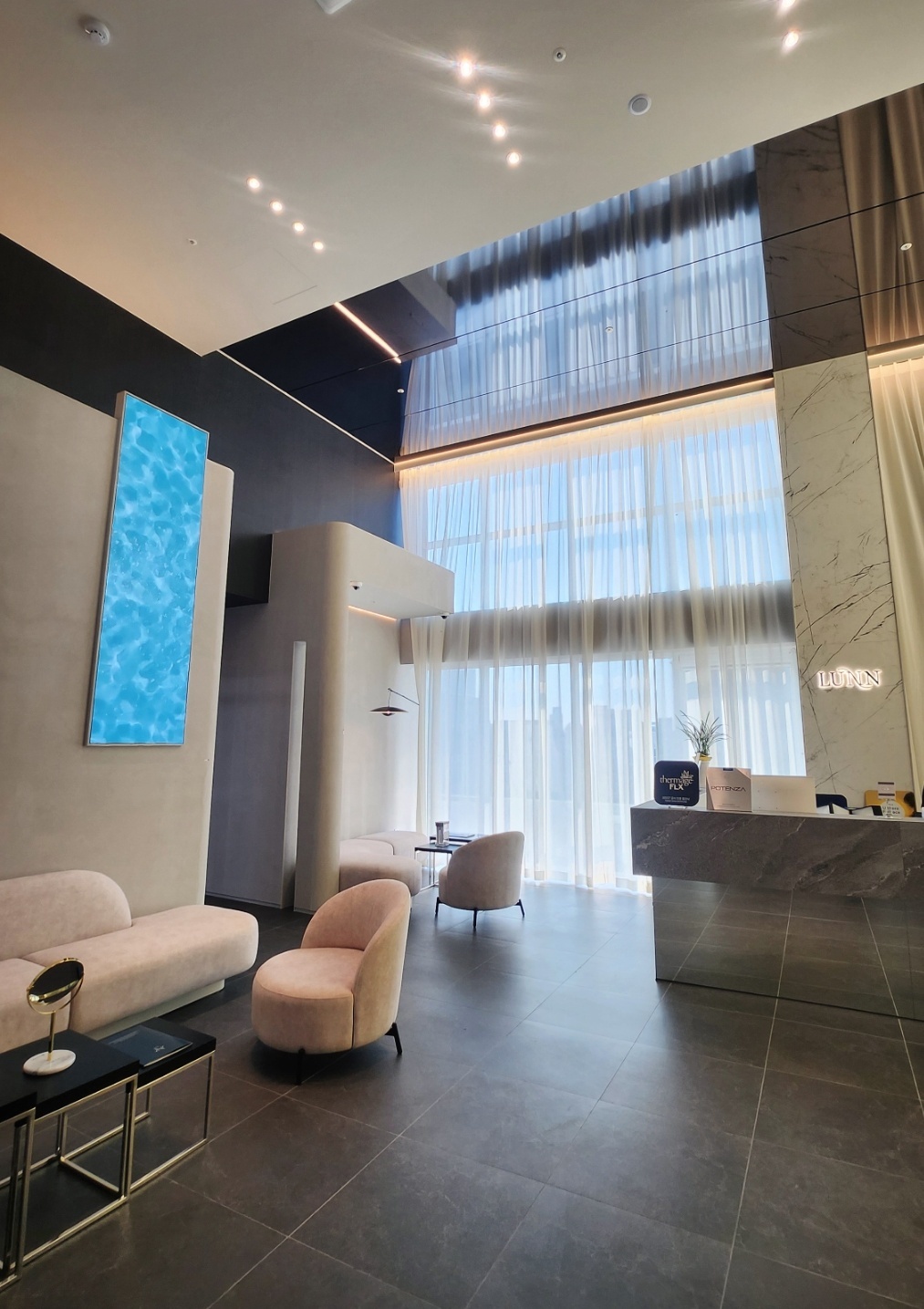
From the moment you enter our 5-meter-high open space in Cheongdam, the goal is to provide an experience of professional care. I personally oversee every step to ensure the 'LUNN' values—Luminary, Ultimate, Novelty, and Nobility—are met.
Step-by-Step: The LUNN Consultation and Analysis
The process begins with me personally touching and examining your skin. I check for eye protrusion, fat volume, and skin elasticity. This allows me to create a 'customized design' that respects your natural balance. If we are performing filler for dark circles, I prioritize a conservative volume to avoid an unnatural look. I often say that a good camera doesn't make a masterpiece; it is the eye of the photographer. Similarly, I use my clinical experience to set the right parameters for your specific skin type. Patients are fully briefed on the plan, and I make it a point to explain the 'why' behind every choice, ensuring there are no surprises during the recovery phase.
Aftercare and Sustaining Results
Post-treatment care is where the patient takes the lead. For pigmentation, sun protection is not optional—it is a requirement. UV rays inhibit the skin's local immunity, making it easier for pigment to return. If we have treated structural shadows, I advise avoiding strenuous exercise or saunas for at least one week. Temporary dryness or mild redness is normal and can be managed with professional-grade hydration. I always emphasize that while the treatment starts in my clinic, the completion happens through your daily care. My team and I provide detailed recovery instructions to ensure the best possible outcome. For further guidance on maintaining your results, refer to the medical grade skincare and recovery guide.
Long-Term Management and Candidate Assessment
Not everyone is an immediate candidate for every treatment. Active infections or unrealistic expectations are reasons to defer. My role as a specialist is to be honest—if a treatment won't work for you, I will say so. Melasma management is a marathon, not a sprint. We focus on 'control' rather than 'eradication.' By maintaining a consistent treatment interval and protecting the skin barrier, we can achieve long-lasting brightness. I treat my patients as I would my own acquaintances, prioritizing safety and long-term skin health over quick, risky fixes.
Key Takeaways
- Pigmentation care at LUNN focuses on 'Refining the Details' through precise structural analysis.
- The 'Shadow Erasing' strategy addresses dark circles by fixing the structural hollows that create shadows.
- Natural results are achieved by prioritizing facial harmony over aggressive, one-time fixes.
- Sun protection is essential for maintaining skin immunity and preventing the recurrence of pigment.
- A dedicated specialist manages the entire process to ensure consistent, responsible care.
Frequently Asked Questions
Q. How many sessions are typically required for pigmentation?
The number of sessions is never fixed; it is determined by a precise analysis of your muscle thickness, pigment depth, and individual skin response. I prefer a conservative, staged approach to ensure safety and natural harmony. We adjust the plan at each visit based on how your skin has responded to the previous session.
Q. Are dark circles always caused by pigment?
No, many dark circles are actually 'shadows' caused by the tear trough ligament pulling on the skin. This is why I use the 'Shadow Erasing' strategy with low-hydrophilic fillers to fill the 'valley' and remove the shadow. This often yields much higher satisfaction than treating the area with pigment lasers alone.
Q. Is the treatment painful?
Most patients find pigmentation and shadow treatments to be very tolerable. For filler treatments, we use topical anesthesia and precise techniques to minimize discomfort. I prioritize your comfort and will adjust the procedure to ensure you feel at ease throughout the process.
Q. What are the potential side effects?
Common reactions include temporary redness, swelling, or minor bruising. In the case of under-eye fillers, there is a small risk of the Tyndall effect (a bluish tint), which we minimize by using specific fillers and deep-dermal placement. I will discuss all risks specific to your skin type during our consultation.
Q. Can I return to daily life immediately?
Most pigmentation and dark circle treatments have minimal downtime. You may experience some redness for a day or two. However, I advise avoiding intense heat, such as saunas or heavy exercise, for about a week to allow the skin to stabilize and ensure the best possible results.
Q. Why is sun protection so important after treatment?
UV rays are the primary trigger for melanocyte activity and can suppress the skin's local immunity. Without strict sun protection, any improvement in pigmentation can be quickly reversed. I consider sunscreen a vital part of the medical treatment plan, not just a cosmetic suggestion.
Q. What makes LUNN different from other clinics?
At LUNN, I personally handle every step of your care—from the first touch during analysis to the final injection. We reject 'factory-style' medicine. My focus is on the 'details and harmony' of your unique face, ensuring that your results look professional, natural, and refined.
If you are looking for a detailed, professional approach to pigmentation in Cheongdam or Apgujeong Rodeo, I invite you to visit LUNN. You can also follow me for more skin insights on Threads @dr.lunn. LUNN Dermatology Clinic / Dr. Park Hyungkwon.
FAQ
- Is Picoway laser effective for melasma?
- Picosecond laser treatment has been studied for melasma and pigmentation, and published research suggests it can help some patients. Melasma is chronic and recurrent, and no treatment is universally effective. Results depend on skin type, melasma severity, and consistency of sun protection, so a dermatologist consultation is essential before proceeding.
- How many sessions are needed?
- The number varies with the condition, its severity, and individual response. A series spaced several weeks apart is often recommended, and melasma may need a longer-term plan with maintenance sessions. Typical protocols may involve three to six sessions, but this is not a guarantee of results, and the plan is adjusted based on response at lunnclinic.
- Is Picoway painful?
- Most patients describe the sensation as mild to moderate, often compared to a rubber band snap against the skin. Topical anesthetic may be applied to improve comfort. Discomfort during and after treatment varies by individual and settings, and parameters can be adjusted to improve tolerability.
- What are the side effects?
- Common reactions include temporary redness, swelling, and mild discomfort at the treated site. Less commonly, temporary hyperpigmentation or hypopigmentation can occur, especially in darker skin types or with inappropriate settings. Rare risks include infection or scarring, and these should be discussed with your dermatologist along with aftercare instructions.
- Can Picoway be combined with other treatments?
- Yes, it is sometimes used alongside topical agents, chemical peels, or other lasers. Combining treatments requires careful planning to avoid adverse reactions and to sequence modalities appropriately. A dermatologist can determine a safe combination based on your skin and medical history.
- How much does Picoway cost?
- Cost varies with location, clinic expertise, the number of sessions, and the area treated, and is typically quoted per session or as a package. A consultation provides an accurate estimate. Cosmetic laser treatments are generally not covered by insurance, and costs are best discussed directly during consultation rather than assumed.
- Is Picoway safe for all skin types?
- It is generally considered safe across a range of skin types when performed by a trained professional with appropriate settings. Darker skin tones may carry a higher risk of pigmentary change, so a thorough assessment is necessary. Your dermatologist will evaluate skin type and history to determine suitability.