
Post
Customized Non-Surgical Face Lift in Seoul: A Dermatologist's 2026 Guide to Structural Harmony
Hello, I am Park Hyungkwon, a dermatologist at LUNN Dermatology Clinic in the Cheongdam and Apgujeong Rodeo area.
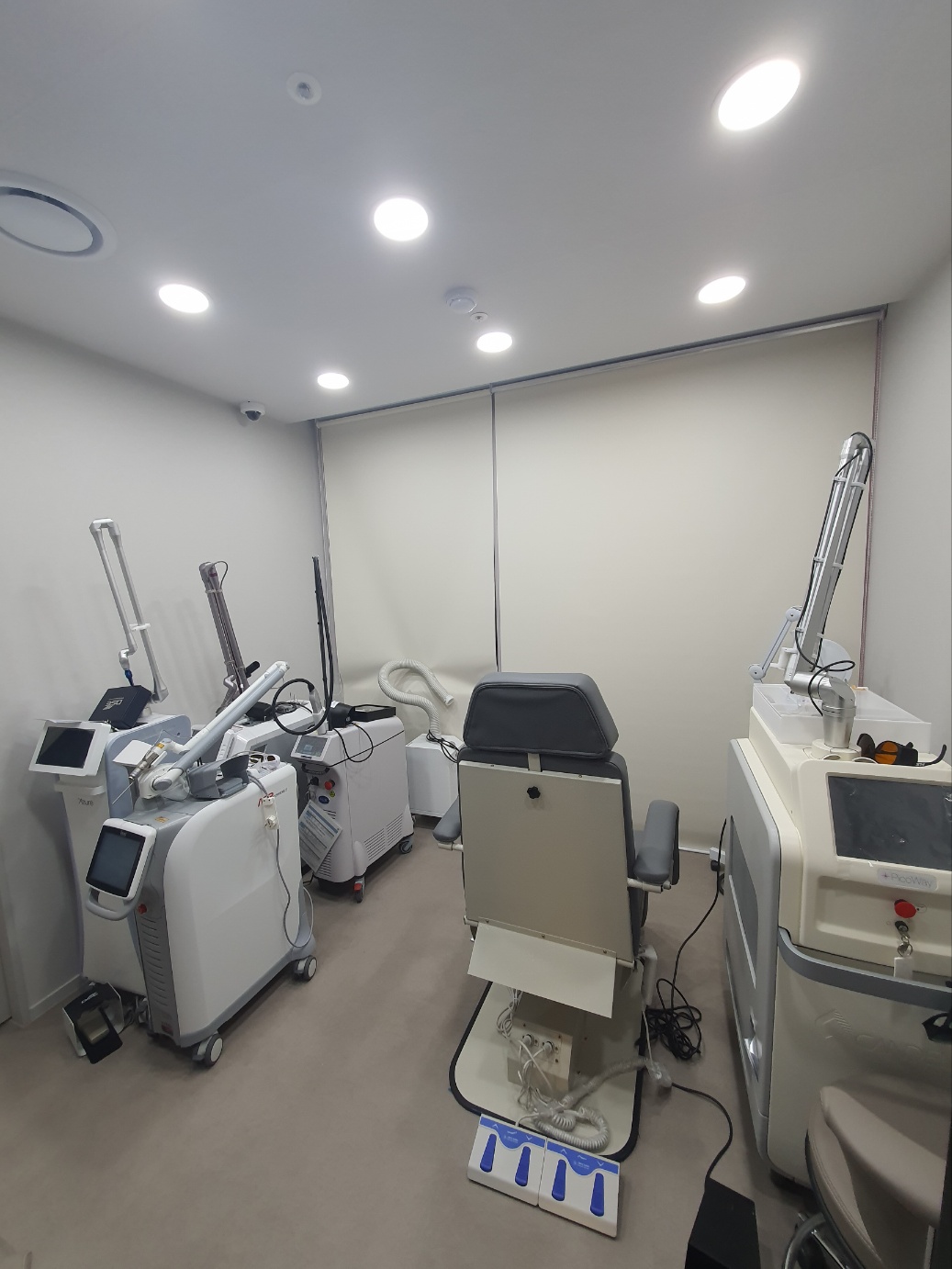
A customized non-surgical face lift in Seoul refers to a physician-led plan that I personally design to lift and tighten facial skin using energy-based devices and injectables instead of surgery. This 2026 guide explains how these technologies work, how they compare, and what to expect at LUNN. It is written to help you set realistic expectations before booking a consultation.
What Is a Customized Non-Surgical Face Lift in Seoul?
A customized non-surgical face lift is a coordinated, non-surgical rejuvenation plan that addresses skin laxity, volume loss, and texture in layers rather than with a single device. In Seoul, this usually implies a dermatologist-led assessment, customized device settings, and follow-up care rather than a fixed package.
At LUNN, my philosophy centers on refining the details so the overall face looks balanced. The goal is not dramatic alteration but gradual, natural-looking improvement. Please note that results always vary between individuals, and potential side effects such as temporary redness or swelling may occur.
Defining Non-Surgical Facial Rejuvenation
Non-surgical facial rejuvenation covers any treatment that improves firmness, contour, or texture without incisions or general anesthesia. Energy-based devices deliver controlled heat to deeper tissue to stimulate collagen remodeling, while injectables add volume or relax specific muscles. Because no skin is removed, the lifting effect is moderate and builds over weeks to months. Candidates are typically people with mild to moderate laxity rather than pronounced sagging. A physician must assess skin thickness, fat distribution, and bone support before recommending a plan. It is also fair to say that non-surgical options have limits, and a consultation should clarify whether surgery is a more appropriate pathway for a given face.
Why Seoul Is a Global Hub for Aesthetic Medicine
Seoul has become a reference point for aesthetic medicine because of high treatment volume, dense device availability, and a competitive culture of technique refinement. Patients traveling from abroad often cite access to multiple device platforms within a single clinic as a practical advantage. That density also means quality varies widely, so verifying who performs the treatment matters more than the brand name on the machine. LUNN positions itself within the Cheongdam and Apgujeong Rodeo area, where I emphasize detail-oriented, conservative planning. For international visitors, confirming language support and follow-up arrangements before arrival is a sensible first step, and a structured comparison of clinics helps avoid decisions made under time pressure.
Key Technologies Used in Dermatologist-Led Clinics
Premium clinics typically maintain several device families rather than a single platform, because no one technology addresses every layer of the face. High-intensity focused ultrasound delivers energy at defined depths to target the superficial musculoaponeurotic system and deeper dermis. Radiofrequency devices heat broader tissue volumes to support collagen contraction and remodeling over time. Injectable options include hyaluronic acid fillers for volume, botulinum toxin for dynamic wrinkles, and biostimulators that encourage the body's own collagen production gradually. The clinical skill lies in matching depth, energy, and spacing to the individual face. At LUNN, my device selection follows the assessment rather than preceding it, which is a meaningful distinction in a market where packages are often sold before a diagnosis is made.
How Non-Surgical Face Lifts Work: Mechanisms and Technologies
Non-surgical lifting works by prompting the skin and deeper support structures to remodel, either through controlled thermal injury or through added volume and muscle relaxation. Understanding the mechanism helps explain why results appear gradually and why repeat sessions are often part of the plan.
Energy-Based Devices: HIFU, RF, and Ultrasound
HIFU concentrates ultrasound energy into small focal points at specific depths, creating thermal coagulation zones that trigger a wound-healing response and subsequent collagen production. Radiofrequency spreads energy more broadly, heating the dermis and subcutaneous tissue to encourage tightening and improved skin quality. Both approaches rely on the body's remodeling capacity, which declines with age, so outcomes differ between patients. Treatments usually take under an hour and are performed with topical anesthesia, though discomfort varies by area and energy level. Common, temporary reactions include redness and mild swelling. Because energy delivery carries a small risk of unintended injury if settings are inappropriate, physician supervision and anatomical knowledge are central to safety.
Injectable Treatments: Fillers, Botulinum Toxin, and Biostimulators
Injectables address a different layer of facial aging. Hyaluronic acid fillers restore volume in areas such as the midface and temples, which can indirectly improve the appearance of sagging. Botulinum toxin relaxes specific muscles to soften dynamic lines and, in selected patterns, can influence facial proportions. Biostimulators such as poly-L-lactic acid or calcium hydroxylapatite work gradually by encouraging collagen formation, with effects that develop over months. Each option carries its own considerations: bruising with fillers, asymmetry risk with any injection, and the need for repeat maintenance. Individual response varies, and a thorough consultation should map which areas genuinely benefit from volume rather than assuming more product means more lift.
Combination Approaches for Comprehensive Rejuvenation
Combination planning treats facial aging as layered, pairing a tightening device with targeted volume restoration and muscle relaxation where indicated. A typical sequence might place HIFU or RF first to address laxity, then injectables at a later visit once tissue response is visible. Timing matters, because stacking treatments in one session increases swelling and makes it harder to judge each modality's contribution. A staged approach also allows the practitioner to adjust the plan based on how the skin responds. At LUNN, I make sequencing decisions for each patient rather than using a fixed package. It is worth noting that more treatments do not automatically mean a better outcome, and unnecessary stacking raises cost and risk without guaranteed benefit.
Comparing Customized Non-Surgical Face Lift Options
Comparing non-surgical lifting options requires looking at depth of action, typical longevity, and recovery profile rather than ranking one modality above another. Each has a distinct role depending on the individual's anatomy and goals.
The table below summarizes general characteristics only. Ranges are approximate and individual outcomes differ.
| Modality | Primary Target | Typical Interval | Recovery Profile | Considerations |
|---|---|---|---|---|
| HIFU | Deep support layers | Roughly 6 to 12 months | Minimal; transient redness | Depth-specific; operator-dependent |
| RF | Dermis and subcutaneous tissue | Roughly 6 to 12 months | Minimal to a few days | Gradual tightening; multiple sessions common |
| Hyaluronic filler | Volume loss | Roughly 6 to 18 months | Bruising possible for days | Reversible; placement skill critical |
| Botulinum toxin | Dynamic muscle activity | Roughly 3 to 6 months | Immediate return | Effect fades; periodic maintenance |
| Biostimulators | Collagen remodeling | Up to about 2 years, gradual | Swelling for days | Delayed onset; individualized response |
Pros and Cons of Each Modality
Energy devices offer a no-incision route to firmer skin with short recovery, but the change is gradual and moderate rather than transformative. Injectables provide visible, controllable correction, yet they require repeated maintenance and carry risks such as bruising or asymmetry. Biostimulators promise longer-lasting collagen effects, though onset is slow and results are harder to predict. None of these options replaces surgical lifting for marked sagging. A balanced plan acknowledges these trade-offs openly, matches the modality to the actual problem, and builds in reassessment points. Patients who understand the limitations in advance tend to report more satisfactory experiences than those expecting a surgical result from a non-surgical route.
Which Option Is Right for You? Factors to Consider
Suitability depends on skin thickness, degree of laxity, facial fat distribution, and prior treatments. Younger patients with early laxity often respond well to a single energy modality, while those with combined volume loss and skin looseness may benefit from a staged combination. Medical history matters too, including autoimmune conditions, pregnancy, and anticoagulant use, all of which influence what can be safely offered. Budget and schedule are practical constraints that should be discussed honestly rather than resolved by choosing the cheapest package. A physician assessment is the only reliable way to determine fit, and I structure consultations at LUNN around that assessment before proposing any plan.
What to Expect During Your Customized Face Lift Journey in Seoul
A premium journey begins with assessment and proceeds through treatment and structured aftercare. Understanding the sequence reduces uncertainty, particularly for visitors arranging a short stay in Seoul.
Consultation and Personalized Treatment Planning
A proper consultation includes skin analysis, review of prior procedures, and a discussion of goals that distinguishes what is achievable from what is not. Photographic documentation at baseline helps track change objectively over time. The physician should explain which layer of the face is driving the appearance of sagging and why a specific modality is proposed. Consent discussions should cover alternatives, including the option of doing nothing or pursuing surgery. At LUNN, my planning emphasizes small, sequential adjustments rather than large single-session changes, reflecting my focus on detail and harmony. Patients should feel free to ask about the practitioner's training and experience with each specific device.
The Procedure: Comfort, Duration, and Safety
Most energy-based sessions take roughly 30 to 90 minutes depending on the treatment area and device. Topical anesthetic is commonly applied, and discomfort is usually described as heat or a brief prickling sensation. Injectable sessions are shorter, often 15 to 30 minutes. Safety depends on correct anatomical knowledge, sterile technique, and appropriate energy settings. Reactions such as redness, swelling, and tenderness are expected and typically resolve within days. Rare complications include bruising, infection, and, with injectables, vascular events requiring prompt management. Clinics should have protocols for handling adverse events, and patients should confirm this before treatment rather than after.
Recovery and Aftercare: What to Know
Recovery from device treatments is generally short, with most people returning to normal activity the same day. Mild redness and tightness may persist for a few hours to a couple of days. After injectables, avoiding strenuous exercise, alcohol, and heat exposure for about 24 hours can reduce bruising risk. Sun protection supports overall skin quality and should continue long term. Follow-up assessment, often at four to twelve weeks, allows the physician to evaluate response and plan maintenance. Written aftercare instructions in a patient's preferred language are a practical marker of a well-organized clinic, and international patients should confirm who to contact if questions arise after returning home.
Safety, Risks, and Limitations of Non-Surgical Face Lifts
Safety in non-surgical lifting rests on appropriate patient selection, competent technique, and honest discussion of limits. No treatment is risk-free, and framing it otherwise is a disservice.
Common Side Effects and How to Manage Them
Expected reactions include transient redness, swelling, tenderness, and occasional bruising. These usually settle within a few days without intervention. Cold compresses, gentle skincare, and avoiding heat and alcohol temporarily can ease discomfort. Less common effects include temporary numbness, small lumps after filler, or brief changes in sensation after energy treatment. Persistent pain, expanding redness, or visual symptoms after injectables warrant urgent contact with the treating clinic. Patients should receive clear instructions on what is normal and what is not, along with a direct contact route.
Important Limitations and Realistic Expectations
Non-surgical treatments address mild to moderate laxity and cannot replicate the lifting achieved by surgery. Results develop gradually, vary between individuals, and typically require maintenance sessions to sustain. Skin quality improvements may continue for months after a single device session. Some faces are better served by surgical consultation, and saying so is part of good practice. Setting expectations around modest, cumulative change rather than dramatic transformation protects both satisfaction and safety.
How to Verify Clinic Credentials and Safety Standards
Verification begins with confirming that a qualified physician leads treatment and that credentials can be checked through official channels. Ask who will perform the procedure, what device platforms are used, and how complications are managed. A clinic that answers these questions directly and without pressure is a reasonable signal. LUNN operates with my physician-led consultation as a core principle, and I encourage patients to request clarification on any point before consenting. Avoid decisions driven by time-limited offers or claims that sound absolute.
Key Takeaways
- A customized non-surgical face lift in Seoul is a layered, physician-led plan, not a single packaged device session.
- HIFU and RF address laxity gradually, while fillers, botulinum toxin, and biostimulators target volume and muscle activity.
- Typical intervals range from about 3 to 6 months for toxin to roughly 6 to 18 months for filler, with individual variation.
- Transient redness, swelling, and bruising are common; persistent or unusual symptoms need prompt review.
- Non-surgical options suit mild to moderate laxity and cannot replace surgery for marked sagging.
Frequently Asked Questions
Q. What is a customized non-surgical face lift in Seoul?
It is a customized, physician-led rejuvenation plan that uses energy-based devices such as HIFU and radiofrequency alongside injectables to improve firmness, contour, and texture without surgery. The value lies in assessment, sequencing, and follow-up rather than in any single machine. Results are gradual and vary between individuals, and I always discuss potential risks like bruising or swelling during the consultation.
Q. How much does a customized non-surgical face lift cost in Seoul?
Costs depend on the modalities selected, the number of sessions, and the clinic's structure, and they are best confirmed through a personalized quote. A combination plan generally costs more than a single device session because it involves multiple treatments and follow-up visits. Ask what the quote includes, such as anesthesia, follow-up, and aftercare products, before deciding.
Q. How long do results from a non-surgical face lift last?
Energy-based tightening typically holds for roughly 6 to 12 months, fillers for about 6 to 18 months, and botulinum toxin for around 3 to 6 months. Biostimulators can support collagen remodeling for up to about 2 years with gradual onset. Age, skin condition, and lifestyle influence longevity, and maintenance sessions are often part of the plan.
Q. Are non-surgical face lifts safe, and what are the side effects?
When performed by a qualified physician, these treatments have a well-established safety profile. Common reactions include temporary redness, swelling, tenderness, and bruising. Rarer risks include infection, asymmetry, and, with injectables, vascular complications that require urgent care. Discuss your medical history and any medications during consultation.
Q. How do I choose a reputable clinic for a non-surgical face lift in Seoul?
Confirm that a physician will perform and supervise the treatment, ask how credentials can be verified, and request a clear explanation of risks and alternatives. A clinic that provides written aftercare and a contact route for complications is better organized. Be cautious with absolute promises or pressure to decide quickly.
Q. What is the downtime after a non-surgical face lift?
Most people return to daily activities immediately after HIFU or radiofrequency sessions, though redness and tightness may last hours to a couple of days. Injectables can cause bruising or swelling that fades within several days. Following aftercare instructions on heat, exercise, and sun exposure supports smoother recovery.
Q. Can I combine multiple non-surgical treatments for better results?
Combination plans can address laxity, volume loss, and dynamic wrinkles together, but sequencing matters. Staging treatments across visits reduces swelling and allows the physician to judge each modality's contribution. Combining everything in one session is not automatically better and may increase cost and risk.
Q. What are the limitations compared with a surgical facelift?
Non-surgical options involve no incisions and short recovery, but the lifting effect is moderate and temporary. They are suited to mild to moderate laxity rather than pronounced sagging with excess skin. A consultation can clarify whether a non-surgical route is appropriate or whether surgical evaluation is more suitable.
If you are considering a personalized lifting plan in Cheongdam or Apgujeong Rodeo, a consultation with me at LUNN can clarify which options fit your facial structure. You can also find more insights on my Threads @dr.lunn. LUNN Dermatology Clinic / Park Hyungkwon, Dermatologist.
FAQ
- What is a premium non-surgical face lift in Seoul?
- It is a customized, physician-led rejuvenation plan that uses energy-based devices such as HIFU and radiofrequency alongside injectables to improve firmness, contour, and texture without surgery. The premium element lies in assessment, sequencing, and follow-up rather than in any single machine. Results are gradual and vary between individuals.
- How much does a premium non-surgical face lift cost in Seoul?
- Costs depend on the modalities selected, the number of sessions, and the clinic's structure, and they are best confirmed through a personalized quote. A combination plan generally costs more than a single device session because it involves multiple treatments and follow-up visits. Ask what the quote includes, such as anesthesia, follow-up, and aftercare products, before deciding.
- How long do results from a non-surgical face lift last?
- Energy-based tightening typically holds for roughly 6 to 12 months, fillers for about 6 to 18 months, and botulinum toxin for around 3 to 6 months. Biostimulators can support collagen remodeling for up to about 2 years with gradual onset. Age, skin condition, and lifestyle influence longevity, and maintenance sessions are often part of the plan.
- Are non-surgical face lifts safe, and what are the side effects?
- When performed by a qualified physician, these treatments have a well-established safety profile. Common reactions include temporary redness, swelling, tenderness, and bruising. Rarer risks include infection, asymmetry, and, with injectables, vascular complications that require urgent care. Discuss your medical history and any medications during consultation.
- How do I choose a reputable clinic for a non-surgical face lift in Seoul?
- Confirm that a physician will perform and supervise the treatment, ask how credentials can be verified, and request a clear explanation of risks and alternatives. A clinic that provides written aftercare and a contact route for complications is better organized. Be cautious with absolute promises or pressure to decide quickly.
- What is the downtime after a non-surgical face lift?
- Most people return to daily activities immediately after HIFU or radiofrequency sessions, though redness and tightness may last hours to a couple of days. Injectables can cause bruising or swelling that fades within several days. Following aftercare instructions on heat, exercise, and sun exposure supports smoother recovery.
- Can I combine multiple non-surgical treatments for better results?
- Combination plans can address laxity, volume loss, and dynamic wrinkles together, but sequencing matters. Staging treatments across visits reduces swelling and allows the physician to judge each modality's contribution. Combining everything in one session is not automatically better and may increase cost and risk.
- What are the limitations compared with a surgical facelift?
- Non-surgical options involve no incisions and short recovery, but the lifting effect is moderate and temporary. They are suited to mild to moderate laxity rather than pronounced sagging with excess skin. A consultation can clarify whether a non-surgical route is appropriate or whether surgical evaluation is more suitable.