
Post
A Dermatologist’s 2026 Guide to Medical Skin Boosters for Texture Refinement
Hello, I am Dr. Hyung-kwon Park, a board-certified dermatologist at LUNN. Medical skin boosters represent a sophisticated advancement in aesthetic medicine, focusing on the internal restoration of the skin rather than superficial camouflage.
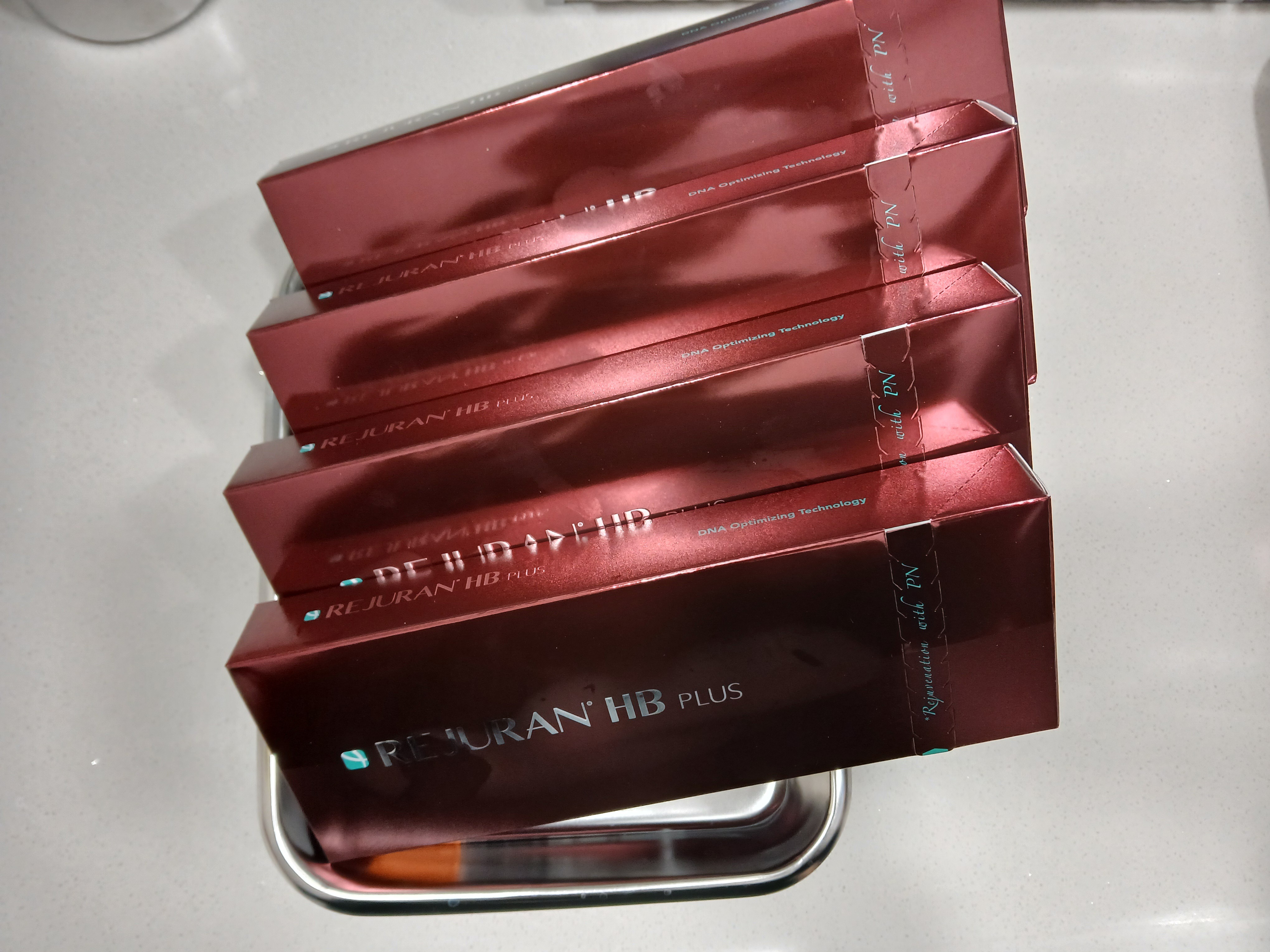
By delivering bioactive ingredients directly into the dermis, these treatments address the root causes of roughness and inelasticity. In this guide, I will explore how precision injections can refine your skin texture to achieve a balanced, healthy appearance in 2026.
Understanding Medical Skin Boosters for Texture Refinement
Medical skin boosters are injectable formulations designed to improve skin quality by delivering essential nutrients, such as hyaluronic acid or polynucleotides, into the dermal layer. Unlike traditional fillers that focus on structural volume, these treatments prioritize hydration, elasticity, and the overall smoothness of the skin surface. By enhancing the skin's biological functions, boosters help create a resilient and refined complexion that radiates a natural glow from within. My philosophy at LUNN is "Refining the Details. Achieving Perfect Harmony," which means I look at the entire facial structure before recommending any injection.
What Are Medical Skin Boosters?
Medical skin boosters are specialized injectable treatments that prioritize the internal restoration of skin health over simple volume replacement. Unlike traditional dermal fillers, these formulations utilize bioactive ingredients such as hyaluronic acid, polynucleotides, or poly-D,L-lactic acid to stimulate natural cellular regeneration. At LUNN, I utilize these precise injections to target the dermal layer directly, ensuring that active components bypass the epidermal barrier which often limits topical skincare. By delivering these nutrients to a depth of approximately 1 to 2 millimeters, I facilitate a biological environment conducive to collagen synthesis and improved hydration. This approach is particularly effective for individuals noticing early signs of structural decline or persistent surface irregularities. Each treatment is personally designed and performed by me, maintaining a balance between scientific efficacy and the natural harmony of the facial features. This foundational understanding allows for more predictable outcomes during the refinement process.
How Skin Boosters Improve Dermal Structure
The efficacy of skin boosters lies in their ability to reorganize the extracellular matrix within the dermis, which serves as the scaffolding for our skin. When ingredients like polynucleotides are introduced, they act as building blocks for DNA synthesis and tissue repair, effectively thickening the dermal layer. This process is essential for smoothing out fine lines and reducing the appearance of enlarged pores. I often tell my patients that treating the skin without addressing the dermal structure is like wallpapering a house with a crumbling foundation; the structure must come first. Scientific observations indicate that consistent treatment can lead to a measurable increase in fibroblast activity. At LUNN, I observe that this internal remodeling provides a more sustainable improvement in texture compared to temporary topical applications. Furthermore, the localized increase in hydration levels helps to plump the skin, reducing the visual impact of shadows caused by uneven surface contours. This deep structural alignment is key to achieving a truly refined texture.
Defining Ideal Candidates for Texture Correction
Identifying the right candidate for skin boosters involves a comprehensive assessment of skin thickness, hydration levels, and existing surface irregularities. Generally, individuals experiencing chronic dryness, fine crepey textures, or a loss of radiance are excellent candidates. While younger patients often seek boosters as a preventative measure, mature patients utilize them to address visible signs of thinning and environmental damage. It is important to note that skin boosters are not a substitute for surgical intervention but rather a tool for enhancing qualitative aspects. During a consultation at LUNN, I personally evaluate whether the patient's concerns are primarily textural or related to deeper volume loss. I always emphasize that while results can be transformative, they develop gradually over several weeks. Patients with realistic expectations who seek a subtle, natural enhancement tend to be the most satisfied. To be honest, I often suggest a conservative approach—less is more when aiming for true harmony.
Comparing Popular Medical Skin Boosters for Texture
Choosing the right medical skin booster requires an understanding of the specific formulation types and how they interact with different skin concerns. From deep cellular repair to intense surface hydration, each category offers unique benefits. The following comparison highlights the primary differences between the most commonly utilized formulations in modern dermatology to help patients make informed decisions about their aesthetic journey.
| Booster Type | Primary Ingredient | Target Layer | Main Benefit | Typical Duration |
|---|---|---|---|---|
| PN (Rejuran) | Polynucleotide | Deep Dermis | Cellular Repair | 3 to 6 Months |
| HA (Hydrators) | Hyaluronic Acid | Superficial Dermis | Intense Hydration | 2 to 4 Months |
| PDLLA (Juvelook) | Poly-D,L-Lactic Acid | Dermal/Subcutaneous | Collagen Induction | 6 to 12 Months |
PN vs. HA Based Boosters: A Comparative Analysis
Polynucleotide (PN) and Hyaluronic Acid (HA) based boosters represent two distinct approaches to skin rejuvenation. PN boosters, such as Rejuran, focus primarily on the biological repair of damaged tissue and strengthening the skin barrier. This makes them ideal for sensitive skin or areas with significant environmental damage. On the other hand, HA boosters focus on water retention, providing immediate plumpness. For areas like the under-eye where shadows are a concern, I often use 'low-hydrophilic' fillers like Belotero to minimize post-procedure swelling and the Tyndall effect. While HA provides a faster visible result in terms of hydration, PN offers more long-term benefits regarding dermal thickness. In my clinical experience, the choice depends on whether the patient requires immediate moisture or structural healing. Combining these two elements can often provide a more comprehensive result. Both options require a series of sessions, and as with any medical procedure, results may vary among individuals.
Choosing Between PDLLA and Traditional Hydrators
Poly-D,L-Lactic Acid (PDLLA) formulations, such as Juvelook, offer a different mechanism of action compared to traditional hydrators. While traditional hydrators provide moisture through water-binding molecules, PDLLA acts as a bio-stimulator that encourages the body to produce its own collagen over time. This makes PDLLA particularly effective for treating acne scars and deeper textural irregularities. At LUNN, I often recommend PDLLA for patients who desire a longer-lasting improvement in skin density and pore size. However, traditional hydrators remain the preferred choice for those seeking a quick refresh and improved radiance. The integration of PDLLA into a treatment plan requires a strategic approach, as results develop gradually over several months. Understanding the difference between these two categories is vital for setting accurate expectations. A specialized skin analysis during our consultation can determine which formulation aligns best with your specific texture goals.
Texture Improvement Outcomes by Formulation Type
The measurable outcomes of skin booster treatments vary significantly depending on the formulation and the patient's baseline skin health. For instance, HA-based boosters typically result in a noticeable increase in skin luminosity within 7 days. In contrast, PN-based treatments may require 3 to 4 weeks before the patient notices an improvement in overall skin resilience. PDLLA formulations often show their most significant impact after the second or third session, as the collagen production cycle reaches its peak. At LUNN, I track these outcomes carefully to ensure every patient is moving toward their desired textural harmony. In my clinical experience, many patients observe a visible refinement of skin texture after a full course of treatment, although I must mention that one-time miracles are rare in dermatology—consistency is the real key. By selecting the correct formulation, I can target specific concerns like enlarged pores or rough patches with high precision. This evidence-based approach ensures that the texture refinement is naturally integrated with the patient's features.
The Science of Harmonious Texture Alignment
Achieving a harmonious skin texture involves more than just moisture; it requires the precise alignment of collagen fibers and the smoothing of micro-irregularities. The science behind these treatments focuses on triggering the body's natural healing response to create a more uniform surface. By understanding the microscopic changes that occur during treatment, we can better appreciate the subtle yet profound shift in skin quality.
The Role of Collagen Synthesis in Smoothing Surface Irregularities
Collagen synthesis is the fundamental biological process that determines the smoothness and firmness of our skin surface. As we age, the rate of collagen production decreases, leading to fine lines and a rougher skin texture. Medical skin boosters address this decline by providing the necessary precursors to reactivate dormant fibroblasts. Once activated, these cells produce type 1 and type 3 collagen, which weave together to create a stronger dermal foundation. This process is not instantaneous; it typically follows a 28-day cycle as new tissues are formed. At LUNN, I emphasize the importance of patience during this regenerative phase, as the most natural results emerge when the body works at its own pace. The resulting improvement in skin density helps to fill in the micro-valleys of the skin, leading to a reduction in surface roughness. This internal smoothing effect helps achieve a more refined skin appearance, though individual response will depend on factors like age and lifestyle.
Addressing the '1mm Difference' in Skin Smoothness
In the realm of aesthetic dermatology, a single millimeter can be the difference between a result that looks artificial and one that looks perfectly natural. This '1mm difference' refers to the precision required during the injection process to target the specific depth where texture issues originate. At LUNN, I focus on the meticulous placement of each droplet of the booster formulation to ensure uniform coverage across the treatment area. If the product is injected too deeply, the textural benefits may be lost; if it is too superficial, it may cause temporary bumps. Achieving the perfect balance requires a deep understanding of facial anatomy and a refined technique that respects the unique contours of each individual. By focusing on these minute details, I can achieve a level of harmony that enhances the patient's natural beauty without creating a 'done' look. This dedication to precision—viewing the face as a whole rather than a collection of parts—is a hallmark of my approach.
Micro-droplet Injection Techniques for Natural Results
The micro-droplet injection technique is a widely recognized and effective method for delivering skin boosters. While generally safe, potential side effects such as temporary redness, swelling, or bruising may occur at the injection sites. This method involves the administration of dozens of tiny droplets of the formulation across the target area. This ensures that the active ingredients are evenly distributed, allowing for a more uniform improvement in skin texture. A Dermatologist’s 2026 Guide to Skin Botox vs. Regular Botox: Refining Structural Harmony also discusses similar precision techniques used for surface refinement. By spreading the formulation thinly and evenly, I minimize the risk of localized swelling and maximize the surface area for cellular interaction. At LUNN, as a specialist who manages the entire process from consultation to injection, I personally adjust the spacing and depth of these droplets based on the thickness of your skin. This customized approach prevents the heavy or puffy look that can sometimes occur with less precise injection methods. The goal is to create a seamless transition between treated and untreated areas.
Clinical Considerations and Realistic Expectations
While medical skin boosters offer significant benefits for texture refinement, it is essential for patients to understand the clinical realities. Managing expectations regarding results, recovery, and maintenance is crucial for a successful aesthetic outcome. A balanced view of both the potential benefits and the inherent limitations of these procedures ensures long-term satisfaction and safety.
Understanding Individual Response Variations
Every individual's skin possesses a unique biological blueprint, which means that response to skin boosters will naturally vary. Factors such as age, lifestyle, sun exposure history, and baseline skin health all play a significant role. Some patients may notice a radiant glow after just one session, while others may require three sessions to see a meaningful change. At LUNN, I emphasize that these treatments are not a one-size-fits-all solution. I monitor each patient's progress closely, adjusting the treatment protocol if the initial response is slower than expected. It is also important to consider that internal factors like stress levels and nutrition can influence the efficacy of the collagen induction process. By maintaining a holistic view of skin health, I can better predict and manage these variations to achieve the best possible results. Acknowledging that 'results may vary' is a fundamental part of an honest consultation. This transparency helps build trust and ensures that you are comfortable with your personalized treatment plan.
Managing Potential Side Effects like Temporary Swelling
Like any injectable procedure, medical skin boosters carry risks of temporary side effects. The most common reactions include mild redness, localized swelling, and occasional bruising at the injection sites. These symptoms are typically a natural response to the micro-injuries caused by the needle and usually resolve within 48 to 72 hours. At LUNN, I provide detailed post-care instructions to help minimize these effects and ensure a smooth recovery. It is also possible for patients to experience small, temporary bumps under the skin where the product was placed, particularly with HA boosters; these usually dissipate as the product integrates into the dermis. While rare, more significant complications like infection or allergic reactions are possible, which is why choosing a qualified specialist who handles the procedure personally is essential. Korean Medical Aesthetics in Cheongdam: A 2026 Dermatologist’s Guide to Structural Harmony highlights the importance of professional standards in managing these risks. Ensuring that the treatment is performed in a sterile environment further reduces the likelihood of adverse events.
The Importance of a Customized Treatment Cycle
To achieve the most harmonious and lasting results, skin boosters should be administered as part of a carefully planned treatment cycle. A standard protocol often involves 3 initial sessions, spaced approximately 3 to 4 weeks apart, to build a solid foundation of dermal health. Following this initial phase, maintenance sessions every 4 to 6 months can help sustain the improvements in texture and hydration. At LUNN, I customize this cycle based on the specific product used and your unique skin concerns. For example, someone with acne scarring may benefit from a more intensive initial protocol compared to someone looking for a simple hydration boost. Consistency is key to seeing the cumulative benefits of collagen stimulation. Skipping sessions can result in a loss of the progress made during earlier treatments. By adhering to a professionally designed schedule, you can ensure that your skin remains in its optimal state year-round. This long-term commitment to dermal health is the most effective way to maintain a refined appearance.
Frequently Asked Questions
Q. What exactly are medical skin boosters intended to treat?
Medical skin boosters are injectable treatments designed to deliver active ingredients like hyaluronic acid or polynucleotides directly into the dermis to improve hydration, elasticity, and overall skin texture. They are specifically formulated to enhance the quality of the skin surface rather than changing the shape of the face. This makes them ideal for addressing fine lines, enlarged pores, and general dullness.
Q. How long does it take to see visible improvements in skin texture?
While an initial increase in hydration may be visible within a few days, structural changes in skin texture typically emerge over 3 to 6 weeks as collagen production increases. The full benefits are usually observed after completing a recommended series of treatments. Individual results will depend on the skin's baseline condition and the specific formulation used.
Q. Are there any common side effects associated with these injections?
Common temporary reactions include mild redness, swelling, or small bruises at the injection sites, which typically resolve within 2 to 3 days. Some patients may also notice small, temporary bumps where the product was injected, but these usually smooth out quickly. It is essential to follow all post-treatment care instructions provided by your specialist to ensure optimal healing.
Q. Is there a specific age group that benefits most from skin boosters?
Skin boosters are versatile and can benefit a wide range of age groups, from younger patients in their 20s seeking a preventative glow to mature patients addressing thinning skin. The choice of booster and the treatment protocol are adjusted based on the specific concerns of the age group. They are excellent for anyone looking to improve their skin's overall health and radiance.
Q. How many sessions are usually required for optimal texture results?
A standard protocol typically involves 3 sessions spaced 3 to 4 weeks apart to achieve the best cumulative results. This allows the skin enough time to respond to the stimulation and build new dermal structures. After the initial series, maintenance treatments every 6 months are often recommended to sustain the effects.
Q. Can skin boosters be combined with laser treatments?
Yes, skin boosters are often used in synergy with laser treatments to enhance the overall improvement in skin quality. The boosters provide the internal hydration and nutrients that help the skin recover and respond more effectively to the laser. However, the timing between the two procedures must be carefully managed by a dermatology specialist to avoid over-stimulating the skin.
Q. What is the difference between skin boosters and traditional fillers?
Unlike traditional fillers designed to add volume or change facial contours, skin boosters focus on the health and appearance of the skin surface itself. Boosters use thinner formulations that spread evenly through the dermis. They provide a subtle, natural refinement that enhances luminosity without adding bulk or changing the face's structure.
Key Takeaways
- Medical skin boosters prioritize long-term dermal health and texture refinement over immediate volume changes.
- A series of 3 sessions spaced 3 to 4 weeks apart is the standard protocol for achieving optimal and lasting results.
- Customization of formulation (PN, HA, or PDLLA) is essential to address specific concerns like hydration, cellular repair, or collagen induction.
- Realistic expectations and professional consultation are key, as individual responses vary based on baseline skin health.
- Maintaining a consistent treatment cycle at a specialized clinic like LUNN ensures the most harmonious and natural-looking outcomes.
LUNN / Dr. Park Hyung-kwon
FAQ
- What exactly are medical skin boosters intended to treat?
- Medical skin boosters are injectable treatments designed to deliver active ingredients like hyaluronic acid or polynucleotides directly into the dermis to improve hydration, elasticity, and overall skin texture. They are specifically formulated to enhance the quality of the skin surface rather than changing the shape of the face. This makes them ideal for addressing fine lines, enlarged pores, and general dullness.
- How long does it take to see visible improvements in skin texture?
- While an initial increase in hydration may be visible within a few days, structural changes in skin texture typically emerge over 3 to 6 weeks as collagen production increases. The full benefits are usually observed after completing a recommended series of treatments. Individual results will depend on the skin's baseline condition and the specific formulation used.
- Are there any common side effects associated with these injections?
- Common temporary reactions include mild redness, swelling, or small bruises at the injection sites, which typically resolve within 2 to 3 days. Some patients may also notice small, temporary bumps where the product was injected, but these usually smooth out quickly. It is essential to follow all post-treatment care instructions provided by your specialist to ensure optimal healing.
- Is there a specific age group that benefits most from skin boosters?
- Skin boosters are versatile and can benefit a wide range of age groups, from younger patients in their 20s seeking a preventative glow to mature patients in their 50s and beyond addressing thinning skin. The choice of booster and the treatment protocol are adjusted based on the specific concerns of the age group. They are excellent for anyone looking to improve their skin's overall health and radiance.
- How many sessions are usually required for optimal texture results?
- A standard protocol typically involves 3 sessions spaced 3 to 4 weeks apart to achieve the best cumulative results. This allows the skin enough time to respond to the stimulation and build new dermal structures. After the initial series, maintenance treatments every 6 months are often recommended to sustain the effects. The exact number of sessions will be determined during your consultation.
- Can skin boosters be combined with laser treatments?
- Yes, skin boosters are often used in synergy with laser treatments to enhance the overall improvement in skin quality and texture. The boosters provide the internal hydration and nutrients that help the skin recover and respond more effectively to the laser. However, the timing between the two procedures must be carefully managed by a dermatology specialist to avoid over-stimulating the skin.
- What is the difference between skin boosters and traditional fillers?
- Unlike traditional fillers that are designed to add volume, fill deep folds, or change facial contours, skin boosters focus on improving the health and appearance of the skin surface itself. Boosters use thinner formulations that spread evenly through the dermis rather than staying in one place. They provide a subtle, natural refinement that enhances the skin's texture and luminosity without adding bulk.