
Post
A Dermatologist’s 2026 Guide to Medical Grade Skincare and Recovery Management
Hello, I am Dr. Park Hyungkwon, a board-certified dermatologist specializing in structural harmony at LUNN Dermatology Clinic.
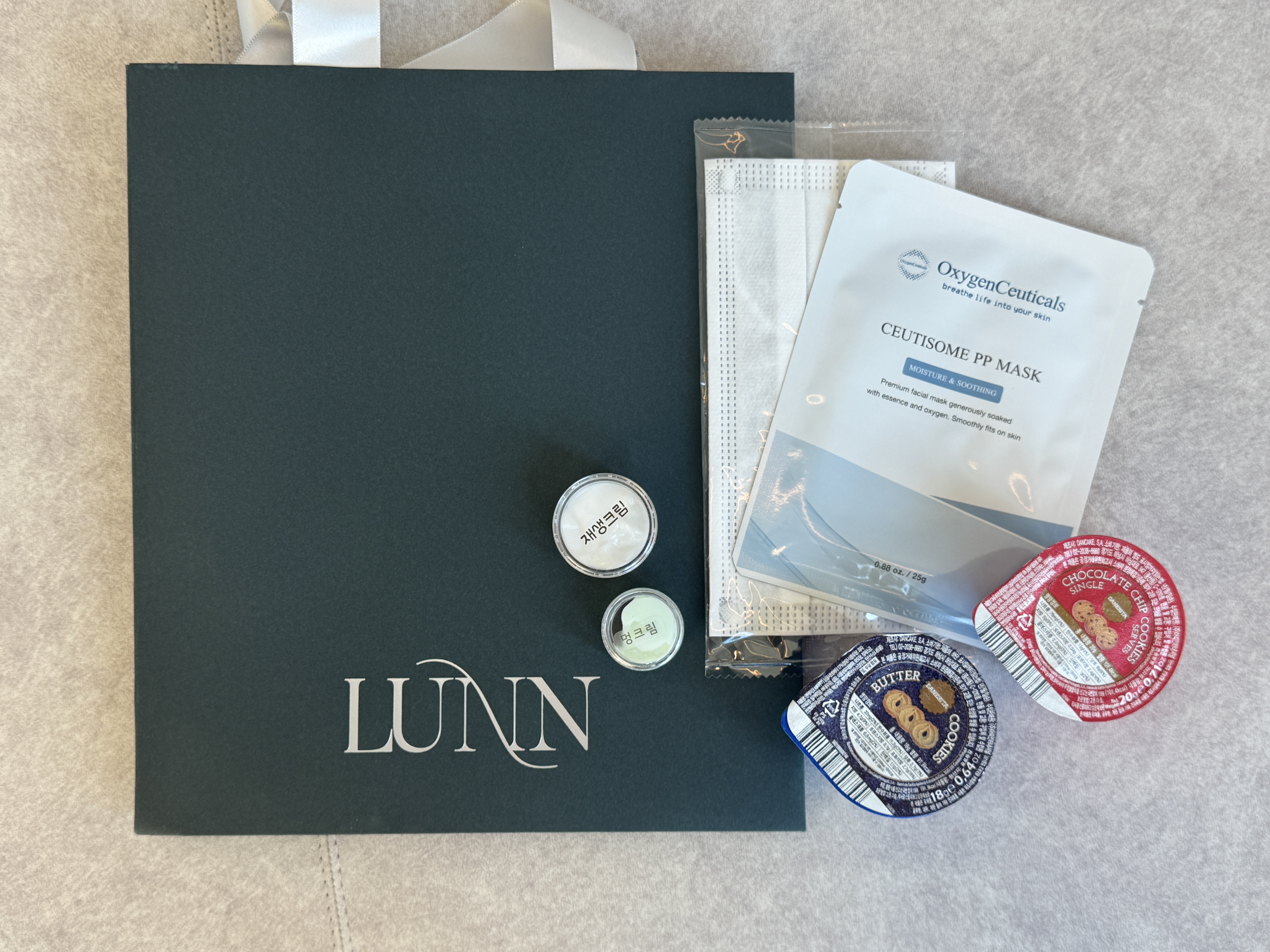
Medical grade skincare and recovery management refer to the use of high-potency formulations and clinically supervised protocols designed to restore the skin barrier and optimize cellular regeneration after aesthetic procedures. In this guide, I will explain why professional-grade systems are essential for maintaining the health and longevity of your skin.
Understanding Medical Grade Skincare and Recovery Management
Medical grade skincare consists of pharmaceutical-grade products that are formulated with higher concentrations of active ingredients and advanced delivery systems designed to reach the deeper layers of the dermis. Unlike over-the-counter cosmetics, these systems are regulated for purity and efficacy, often requiring professional supervision to ensure they align with the unique physiological needs of a patient during the healing process.
Defining Medical Grade Skincare Systems
Medical grade skincare systems are characterized by their rigorous formulation standards and the inclusion of bioactive compounds that have been validated through clinical testing. These products typically contain high-potency concentrations of active ingredients compared to standard retail versions, providing a more robust response for skin repair. Please note that individual results may vary depending on skin type and condition. At LUNN Dermatology Clinic, we utilize these systems to ensure that the skin receives a therapeutic dose of vitamins, acids, and antioxidants. The molecular structure of these formulations is specifically engineered to bypass the initial barrier of the epidermis, utilizing high purity standards that minimize the risk of allergic reactions. By focusing on bioavailable ingredients, these systems address specific concerns such as hyperpigmentation or loss of elasticity with greater precision. This scientific approach ensures that every application contributes to the structural integrity of the skin rather than providing only superficial, temporary hydration or masking underlying textural issues.
The Science of Controlled Recovery and Healing
The science of controlled recovery focuses on managing the biological cascade that occurs after the skin has been stimulated by a laser or lifting procedure. Healing typically follows a specific 14-day window where the skin transitions from an inflammatory state to a proliferative phase, requiring precise nutrient support to prevent complications. Based on available clinical data, the first 24 hours are the most critical, as inflammation peaks and the skin barrier is at its most vulnerable. Professional recovery management involves the application of sterile, soothing agents that balance the skin's natural pH environment to discourage bacterial growth. By controlling the environment in which the skin heals, we aim to significantly reduce the risk of post-inflammatory hyperpigmentation in sensitive skin types. The degree of improvement depends on the individual's healing response. This phase is not merely about waiting for redness to subside, but actively signaling the fibroblasts to produce new collagen and elastin fibers in a coordinated, organized fashion for lasting results.
Clinical Differences Between Retail and Professional Formulations
Clinical differences between retail and professional formulations lie primarily in the depth of penetration and the stability of the active molecules used. Most over-the-counter products are restricted by safety regulations to act only on the topmost layer of the skin, which limits their ability to effect structural change. In contrast, medical grade systems utilize advanced encapsulation technologies that preserve the potency of volatile ingredients like Vitamin C and Retinol until they reach their target depth. Clinical observations suggest that professional formulations can help activate the cellular turnover cycle more effectively compared to standard retail moisturizers. Actual recovery speed is subject to individual physiological differences. Furthermore, the absence of synthetic fragrances and harsh preservatives in medical grade products reduces the likelihood of contact dermatitis, which is essential when the skin is in a compromised state post-treatment. These products are developed through evidence-based research rather than marketing trends, ensuring that the ingredients included serve a functional purpose in the skin's restorative cycle and long-term maintenance.
Key Components for Effective Post-Procedure Skin Management
Effective post-procedure skin management involves the strategic use of biological building blocks that support the skin's natural repair mechanisms and protect it from environmental stressors. This phase requires a balance between intensive hydration, anti-inflammatory support, and the neutralization of oxidative stress to ensure that the results of clinical treatments are both visible and sustained over time.
Active Ingredients that Support Cellular Repair
Maintaining the structural integrity of the skin after a procedure requires a precise combination of biological agents that go beyond simple hydration. Within the protocols at LUNN Dermatology Clinic, we emphasize the use of high-purity ceramides, cholesterol, and fatty acids, which is clinically observed to restore the skin barrier significantly faster than standard formulas. According to clinical observations, these lipids help suppress transepidermal water loss to support barrier recovery during the critical first 48 hours of healing. Additionally, hyaluronic acid with diverse molecular weights ensures that moisture is retained within both the superficial and deep layers of the dermis. This multi-layered approach is essential because compromised skin lacks the innate ability to regulate its own moisture levels effectively. By supplying these bio-identical components, we provide the foundational building blocks necessary for the epidermis to reorganize its protective shield and minimize the risk of external irritation or secondary infection during the recovery phase.
The Role of Growth Factors and Peptides
Growth factors and peptides serve as the messengers of the skin, signaling the body to accelerate the repair of its structural framework after a clinical intervention. These proteins are vital for stimulating the synthesis of collagen and elastin, which are responsible for the skin's firmness and elasticity. Clinical studies indicate that the application of concentrated Epidermal Growth Factors can stimulate receptor activity within the skin cells, leading to more efficient wound healing and regeneration. Peptides, which are shorter chains of amino acids, work synergistically to reinforce the basement membrane and improve the overall texture of the skin. By incorporating these advanced biological agents into a post-procedure routine, patients may find that it helps shorten the recovery period compared to using basic skincare. Recovery times vary by individual and procedure type. This accelerated regeneration is key to achieving the 'shadow-erasing' effects and structural harmony we strive for, ensuring that the skin recovers its youthful density and resilience as quickly as possible.
Neutralizing Oxidative Stress After Laser Treatments
Laser treatments generate controlled thermal energy that, while beneficial for collagen induction, also creates a temporary increase in oxidative stress within the skin tissues. Neutralizing this stress is crucial to prevent the breakdown of healthy cells and to ensure a smooth recovery process without unwanted pigmentation. High-potency antioxidants such as stabilized Ferulic Acid and Vitamin E are often utilized to scavenge free radicals that are produced during the treatment. Based on available data, the application of these antioxidants can reduce the signs of UV-induced damage and inflammation by significant margins when used as part of a professional protocol. These agents also work to brighten the complexion and even out skin tone by inhibiting the enzymes responsible for excessive melanin production. By stabilizing the internal environment of the skin cells immediately following a laser session, we protect the newly formed collagen fibers, ensuring that the skin's structural improvements are preserved and that the healing process remains focused on rejuvenation rather than repair.
A Dermatologist’s 2026 Guide to Medical Grade Skin Care in Seoul: Refining Structural Harmony
Comparative Analysis: Retail Skincare vs. Medical Recovery Systems
Comparing retail skincare to medical recovery systems reveals a significant disparity in the quality of ingredients, the concentration of active components, and the overall clinical outcomes. While retail products are designed for mass consumption and general safety, medical systems are engineered for specific therapeutic results and are often tailored to the individual's skin condition under professional guidance.
Comparison of Penetration Depth and Bioavailability
The effectiveness of any skincare product is determined by its ability to penetrate the skin's barrier and reach the cells where it can have the most impact. Medical recovery systems used at LUNN Dermatology Clinic are designed with sophisticated liposomal delivery systems that allow active ingredients to remain bioavailable for extended periods. In contrast, many retail products contain molecules that are too large to pass through the stratum corneum, meaning they sit on the surface and provide only temporary relief. Research indicates that the bioavailability of active ingredients in professional formulations is significantly higher, ensuring that the dermis receives the nutrients needed for structural repair. This difference is particularly important after procedures like microneedling or fractional lasers, where the skin has open channels that allow for deeper penetration. Using the correct professional products during this window maximizes the efficacy of the treatment, as medical-grade formulations prioritize high ingredient purity and stability to minimize irritation when introduced into these deeper layers.
Stability and Concentration Levels of Active Ingredients
Stability is a major concern in skincare, as many potent ingredients like Vitamin C and Retinol can degrade quickly when exposed to light or air, losing their effectiveness. Medical grade products are often manufactured in small batches with vacuum-sealed packaging to ensure that the concentration levels remain consistent from the first application to the last. While a retail product might list a popular ingredient on its label, the actual percentage is often negligible or unstable. In contrast, medical systems provide disclosed, high-percentage concentrations that are supported by clinical trials. For instance, medical-grade formulations typically offer significantly higher concentrations of active soothing agents compared to standard retail versions. This difference in concentration directly translates to the speed and quality of the skin's recovery. By using stable, high-concentration formulas, we can ensure that the skin's regeneration is supported by a reliable supply of active compounds, leading to more predictable and successful aesthetic outcomes.
Safety Profiles for Damaged or Sensitized Skin
Safety profiles are particularly critical when dealing with skin that has been sensitized by a medical procedure or chronic conditions like rosacea. Medical grade skincare meets rigorous pharmaceutical safety standards regarding microbial contaminants during production, ensuring that the products are safe for use on compromised barriers. Many retail products contain alcohols, artificial dyes, and fragrances that can cause stinging, burning, or prolonged redness on sensitive skin. Professional recovery systems are formulated to be hypoallergenic and non-comedogenic, focusing on pure, essential ingredients that calm the skin rather than irritate it. Clinical monitoring of patients using professional protocols shows high satisfaction rates regarding comfort and a smoother recovery during the healing phase. This safety margin is not just about avoiding discomfort, but about preventing adverse reactions that could lead to scarring or long-term sensitivity. By choosing products with professional safety profiles, patients can confidently support their skin's recovery without the fear of unintended side effects that are often associated with less refined cosmetic formulations.
| Feature | Retail Skincare (OTC) | Medical Grade Recovery Systems |
|---|---|---|
| Active Concentration | Low (typically <1%) | High (Therapeutic doses) |
| Regulation | Cosmetic standards | Pharmaceutical/Medical standards |
| Delivery System | Superficial penetration | Deep dermal penetration (Liposomal) |
| Safety Profile | May contain fragrances/fillers | Hypoallergenic and sterile focus |
| Result Predictability | Variable/Minimal | High (Clinically validated) |
Personalized Recovery Protocols at LUNN Dermatology
Personalized recovery protocols are the cornerstone of achieving structural harmony, as they take into account the unique healing speed, skin type, and specific procedure of each patient. These strategies involve the careful sequencing of products and the management of biological cycles to ensure that the skin transitions smoothly from treatment to a state of long-term health and vibrancy.
Strategic Layering of Recovery Agents
The order in which skincare products are applied can significantly influence their absorption and effectiveness during the post-procedure phase. At LUNN Dermatology Clinic, we design strategic layering protocols that start with aqueous serums containing low-molecular-weight ingredients like hyaluronic acid to deeply hydrate the tissue. This is followed by more viscous creams that contain barrier-repairing lipids to seal in moisture and provide a protective shield against the environment. This sequencing ensures that each layer supports the next, maximizing the penetration of growth factors and antioxidants. According to clinical best practices, layering should also consider the skin's circadian rhythm, using more protective agents during the day and reparative agents at night. This meticulous approach to application prevents the common issue of product pilling and ensures that the skin remains comfortably hydrated and nourished throughout the 24-hour cycle. By following a structured layering plan, patients can ensure that their investment in clinical treatments is protected and enhanced through a daily routine that works in harmony with their biology.
Managing the Cycle of Inflammation and Regeneration
Recovery management is essentially the art of balancing the body's natural inflammatory response to ensure it leads to regeneration rather than damage. While initial inflammation is necessary to trigger the production of new collagen, prolonged or excessive inflammation can lead to the breakdown of healthy tissues. Within the controlled environment of LUNN Dermatology Clinic, we use specific anti-inflammatory agents to dampen the intensity of the response after the first 24 to 48 hours. This allows the skin to move efficiently into the proliferation phase, where new cells are created and the structural framework is rebuilt. Based on patient monitoring, this controlled transition can help the skin recover its natural radiance more efficiently. Results are specific to each patient's case. We also educate patients on how to monitor their own healing, providing guidance on when to transition from intensive recovery creams to long-term maintenance serums. This proactive management of the inflammatory cycle is what differentiates a standard clinical experience from one that prioritizes the long-term health and structural balance of the patient's skin.
The Importance of Tailored Maintenance for Longevity
The longevity of any aesthetic result depends heavily on the maintenance routine followed once the initial recovery phase is complete. Tailored maintenance involves using medical-grade products that continue to stimulate collagen production and protect the skin from aging factors like UV radiation and pollution. Sustained collagen production can be observed for up to 3 months following a professional treatment if the skin is properly supported with peptides and antioxidants. This phase of care is designed to preserve the 'perfect harmony' achieved during the clinical session, ensuring that the skin remains firm, clear, and resilient. Each maintenance plan is customized based on the patient's lifestyle and skin concerns, ensuring that the routine is both effective and sustainable. Regular consultations allow us to adjust the protocol as the seasons change or as the skin's needs evolve with age. By viewing skincare as an ongoing partnership between clinical intervention and at-home care, patients can enjoy the lasting benefits of their treatments and maintain a youthful, healthy appearance for years to come.
A Dermatologist’s 2026 Guide to Skin Harmony: Addressing Pigmentation, Texture, and Structural Aging
Frequently Asked Questions
Q. What exactly is medical grade skincare compared to normal cosmetics?
Medical grade skincare, often referred to as cosmeceuticals, contains higher concentrations of active ingredients that are formulated to penetrate the deeper layers of the dermis. These products are typically available only through licensed medical professionals and are backed by clinical studies to ensure efficacy and safety for specific skin concerns. They provide a much higher potency than over-the-counter options.
Q. Why is specialized recovery management necessary after a laser treatment?
Procedures like lasers create controlled micro-injuries to stimulate collagen production. Proper recovery management ensures the skin heals without excessive inflammation or complications like post-inflammatory hyperpigmentation (PIH), while providing the necessary nutrients to maximize the regenerative effect. It stabilizes the skin environment during its most vulnerable state.
Q. Can I use my regular moisturizer immediately after a clinical procedure?
It is generally advised to avoid standard retail moisturizers immediately after certain treatments as they may contain fragrances or preservatives that irritate compromised skin. Using medical grade recovery creams specifically designed for barrier repair is recommended during the initial healing phase. These professional products are formulated to be sterile and hypoallergenic.
Q. Are there any side effects to using high-potency medical skincare?
Because these products contain powerful active ingredients, some individuals may experience temporary redness, dryness, or peeling as the skin adjusts. This is why a consultation with a dermatologist is essential to determine the correct frequency and application method for your unique skin type. Gradual introduction often helps the skin build tolerance.
Q. How long should I follow a professional recovery protocol?
The duration of a recovery protocol varies depending on the intensity of the procedure and individual healing rates. Typically, a focused recovery phase lasts 7 to 14 days, followed by a long-term maintenance routine to preserve the results achieved during the treatment. Your dermatologist will provide a specific timeline based on your progress.
Q. What ingredients should I look for in a post-treatment recovery serum?
Look for ingredients such as Centella Asiatica, Panthenol, Hyaluronic Acid, and Epidermal Growth Factors (EGF). These components help soothe irritation, attract moisture, and signal the skin to accelerate the repair of its structural framework. They are essential for restoring the barrier and promoting healthy cell turnover.
Q. Is medical grade skincare more expensive than luxury department store brands?
While the initial cost may be higher than drugstore options, medical grade products are often comparable in price to luxury retail brands. However, they provide higher value through superior ingredient concentration and targeted delivery systems that produce more measurable clinical outcomes. You are essentially paying for high-purity, functional ingredients rather than marketing.
Key Takeaways
- Medical grade skincare offers high-potency concentrations of active ingredients compared to retail products.
- Professional recovery management helps minimize the risk of post-inflammatory hyperpigmentation (PIH).
- Strategic layering and the use of growth factors can help shorten the recovery period.
- High-purity lipid components are essential for restoring the skin barrier and reducing water loss after procedures.
- Long-term structural harmony is achieved through a combination of clinical intervention and tailored home care.
LUNN Dermatology Clinic / Dr. Park Hyungkwon
FAQ
- What exactly is medical grade skincare compared to normal cosmetics?
- Medical grade skincare, often referred to as cosmeceuticals, contains higher concentrations of active ingredients that are formulated to penetrate the deeper layers of the dermis. These products are typically available only through licensed medical professionals and are backed by clinical studies to ensure efficacy and safety for specific skin concerns. They provide a much higher potency than over-the-counter options.
- Why is specialized recovery management necessary after a laser treatment?
- Procedures like lasers create controlled micro-injuries to stimulate collagen production. Proper recovery management ensures the skin heals without excessive inflammation or complications like post-inflammatory hyperpigmentation (PIH), while providing the necessary nutrients to maximize the regenerative effect. It stabilizes the skin environment during its most vulnerable state.
- Can I use my regular moisturizer immediately after a clinical procedure?
- It is generally advised to avoid standard retail moisturizers immediately after certain treatments as they may contain fragrances or preservatives that irritate compromised skin. Using medical grade recovery creams specifically designed for barrier repair is recommended during the initial healing phase. These professional products are formulated to be sterile and hypoallergenic.
- Are there any side effects to using high-potency medical skincare?
- Because these products contain powerful active ingredients, some individuals may experience temporary redness, dryness, or peeling as the skin adjusts. This is why a consultation with a dermatologist is essential to determine the correct frequency and application method for your unique skin type. Gradual introduction often helps the skin build tolerance.
- How long should I follow a professional recovery protocol?
- The duration of a recovery protocol varies depending on the intensity of the procedure and individual healing rates. Typically, a focused recovery phase lasts 7 to 14 days, followed by a long-term maintenance routine to preserve the results achieved during the treatment. Your dermatologist will provide a specific timeline based on your progress.
- What ingredients should I look for in a post-treatment recovery serum?
- Look for ingredients such as Centella Asiatica, Panthenol, Hyaluronic Acid, and Epidermal Growth Factors (EGF). These components help soothe irritation, attract moisture, and signal the skin to accelerate the repair of its structural framework. They are essential for restoring the barrier and promoting healthy cell turnover.
- Is medical grade skincare more expensive than luxury department store brands?
- While the initial cost may be higher than drugstore options, medical grade products are often comparable in price to luxury retail brands. However, they provide higher value through superior ingredient concentration and targeted delivery systems that produce more measurable clinical outcomes. You are essentially paying for high-purity, functional ingredients rather than marketing.