
Post
A Dermatologist’s 2026 Guide to Medical Grade Skin Care in Seoul: Refining Structural Harmony
Hello, I am Dr. Hyungkwon Park, a board-certified dermatologist in Cheongdam and Apgujeong Rodeo. Medical grade skin care in Seoul represents a sophisticated intersection of clinical science and aesthetic refinement, designed to address skin concerns at a structural level.
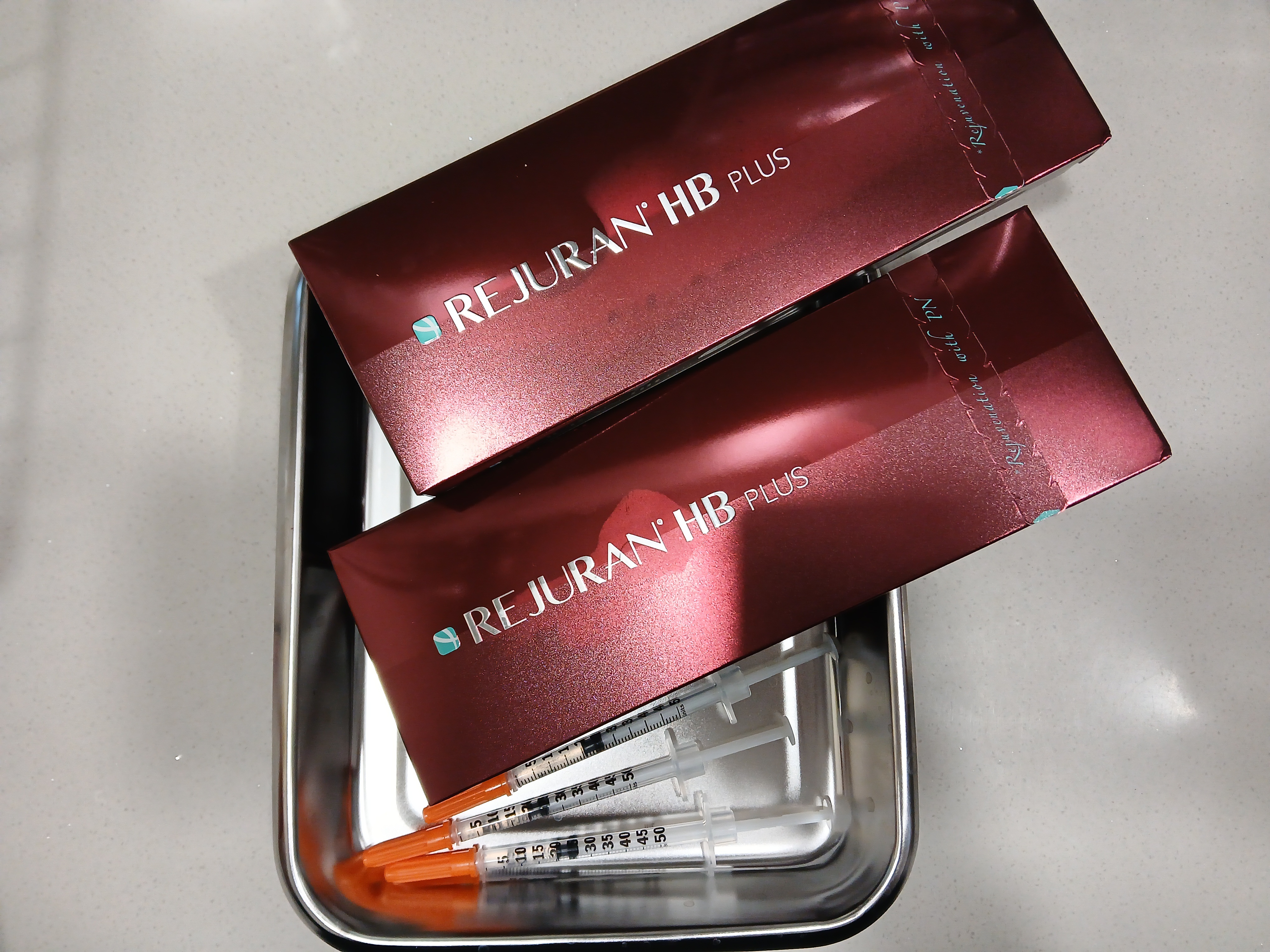
This specialized approach utilizes high-potency formulations and professional protocols to support the skin's natural resilience and achieve a balanced, healthy complexion. In this guide, I will explain why professional-grade solutions are essential for those seeking more than just superficial improvements.
Understanding Medical Grade Skin Care in Seoul
Medical grade skin care involves the use of products and treatments that are formulated with higher concentrations of active ingredients compared to over-the-counter options. These solutions are often categorized as quasi-drugs or medical devices, requiring the oversight of a qualified professional to ensure both safety and therapeutic efficacy. In the context of Seoul's advanced dermatological landscape, these products are integrated into comprehensive treatment plans to target the deeper dermal layers where significant changes occur.
Defining Medical Grade vs Over the Counter Products
Medical grade skin care refers to formulations developed to reach deeper dermal layers and affect cellular change. Unlike over-the-counter products found in local drugstores, these solutions are regulated with higher standards for stability. They often contain stabilized active ingredients that require professional supervision for safe application. In Seoul, the distinction is strictly maintained to ensure patient safety and clinical efficacy across various skin types. Most commercial cosmetics focus on the superficial epidermis to provide temporary hydration or texture improvement. In contrast, medical grade products target specific biological functions to support the underlying skin structure and long-term health. At LUNN, we emphasize that these products are not just cosmetic enhancements but clinical tools. Please note that potential side effects such as temporary redness, irritation, or dryness may occur depending on individual skin sensitivity. By utilizing advanced delivery systems, medical grade care ensures that the active molecules remain stable until they reach the intended skin layer. This precision allows for a focused approach to addressing skin concerns without unnecessary fillers.
The Role of Active Ingredients and Clinical Concentrations
Clinical concentrations are the cornerstone of medical grade skin care efficacy and predictable outcomes. Professional formulations feature active ingredients like retinoids, vitamin C, and peptides at concentrations designed to ensure biological activity. This potency is necessary to stimulate collagen synthesis and neutralize oxidative stress caused by environmental factors. However, these high levels of activity also necessitate a professional diagnosis to prevent irritation or adverse reactions. The correct dosage and pH level of an ingredient are critical for its penetration and subsequent performance within the skin matrix. Using clinical-grade concentrations allows for a more efficient correction of issues like hyperpigmentation and fine lines. By focusing on the scientific evidence behind each molecule, we provide patients with a clear path toward improving their skin's structural integrity and overall appearance over time.
Why Seoul is a Global Hub for Professional Skin Science
Seoul has established itself as a global leader in professional skin science due to its rigorous research standards and early adoption of medical technologies. The city serves as a testing ground for innovative formulations that combine botanical wisdom with modern molecular biology. Patients from around the world visit Seoul to access specialized protocols. The high density of board-certified dermatologists in areas like Cheongdam and Apgujeong fosters a competitive environment that drives continuous innovation. Furthermore, the cultural emphasis on detailed, natural-looking results has led to the development of skin care programs that prioritize health over aggressive interventions. Since skin aging is heavily influenced by extrinsic factors, Seoul's clinics are at the forefront of developing preventive strategies against these stressors. This holistic environment allows for the seamless integration of topical medical care with energy-based device treatments, providing a multifaceted approach to rejuvenation that respects the skin's delicate balance.
Comparison: Medical Grade Skin Care vs Aesthetic Spa Services
Medical grade skin care differs from aesthetic spa services primarily in the depth of diagnosis and the clinical strength of the products used. While spa services focus on relaxation and superficial maintenance, medical grade protocols are designed to treat the skin's underlying architecture through evidence-based methods. Understanding these differences is crucial for selecting the appropriate level of care for your specific goals.
Difference in Diagnostic Depth and Prescription Authority
The diagnostic process in a medical setting involves a thorough analysis of the skin's layers and facial anatomy. Unlike a visual observation in a spa, a professional consultation at LUNN involves a manual and visual state analysis, checking muscle thickness, wrinkle depth, and fat distribution. This depth allows for the creation of a customized protocol that addresses the root cause of skin issues rather than just the visible symptoms. Professional authority also allows for the use of clinical-strength topicals that can significantly alter skin physiology for the better. The table below illustrates the primary differences between these two approaches to skin maintenance.
| Feature | Medical Grade Skin Care | Aesthetic Spa Services |
|---|---|---|
| Ingredient Concentration | High (Clinical Strength) | Low to Medium (Cosmetic) |
| Depth of Action | Dermal and Epidermal | Superficial Epidermis |
| Regulation | Medical Supervision Required | Cosmetic Regulation |
| Diagnostic Tool | Physical Structural Analysis | Visual Observation |
| Primary Goal | Structural Skin Correction | Temporary Relaxation/Hydration |
When to Transition from Basic Care to Medical Solutions
Transitioning from basic care to medical grade solutions is often recommended when standard cosmetics no longer provide noticeable improvements. As the skin ages, the natural regeneration cycle slows down, leading to a duller complexion and the accumulation of damage. Medical grade protocols can help stimulate this process and restore the skin's natural vitality through targeted cellular signaling. If you are experiencing persistent issues such as deep-seated pigmentation, loss of elasticity, or chronic sensitivity, a more clinical approach may be beneficial. These advanced solutions provide the necessary potency to reach the dermis, where collagen and elastin reside. At LUNN, we guide patients through this transition by gradually introducing active ingredients to allow the skin barrier to adapt. This careful progression minimizes the risk of irritation while maximizing the long-term benefits of clinical-strength formulas.
Core Components of the LUNN Skin Protocol
The LUNN protocol is built on the foundation of structural harmony and the philosophy of refining every detail. We believe that professional skin care should be a balanced journey that respects the biological limits of the individual while pushing for optimal health. Our approach integrates clinical expertise with a deep appreciation for the aesthetic nuances of each patient.
The LUNN Approach to Layered Skin Health and Harmony
The LUNN approach focuses on the philosophy of structural harmony and refined details. We believe that true skin health is achieved by addressing multiple layers of the facial structure rather than just the surface. This layered protocol begins with a deep understanding of the patient's unique aging patterns. By analyzing the structural integrity and the density of the dermal matrix, we create a roadmap for long-term resilience. At LUNN, we avoid aggressive treatments that compromise the skin barrier unnecessarily. Instead, we utilize medical grade formulations that support natural healing processes and strengthen the skin's defense mechanisms. This philosophy ensures that every intervention works in concert with the body's natural physiology. By prioritizing the health of the skin's deeper architecture, we help patients achieve a natural appearance that reflects internal vitality.
Synergy Between Professional Procedures and Medical Topicals
Maximum results are often achieved through the synergy between professional clinical procedures and daily medical-grade topicals. When energy-based devices like lasers or lifting treatments are used, they create a window of opportunity where the skin is more receptive to specialized nutrients. Using medical grade products during this post-procedure phase can enhance the healing process and prolong the visible benefits of the treatment. At LUNN, we carefully curate these combinations to ensure that the topical products complement the mechanical or thermal action of our clinical devices. This integrated strategy allows us to address the skin from both the inside and the outside simultaneously. By maintaining a consistent medical-grade routine at home, patients can support the structural changes initiated in the clinic. This collaborative approach ensures sustainable and harmonious aesthetic outcomes over time.
Safety Guidelines and Potential Side Effects such as Mild Erythema
Safety is the most important consideration when implementing high-potency medical grade skin care protocols. While these treatments are effective, they can lead to temporary side effects as the skin adapts to increased cellular activity. Common reactions include mild erythema (redness), temporary dryness, or slight flaking. These are typically transitional phases and indicate that the active ingredients are successfully interacting with the skin's biology. However, it is essential to follow the specific aftercare instructions provided by your dermatologist to minimize discomfort. For those interested in professional environments, you may find our guide on A Specialist's 2026 Guide to Private Room Skin Treatment in Gangnam: Achieving Structural Harmony helpful. We also recommend reviewing our A Dermatologist’s 2026 Guide to Premium Skin Lifting in Seoul to see how various treatments can be combined. Individual results will always vary, and a conservative start is often the best path to long-term success.
Patient Journey and Professional Consultation in Cheongdam
The patient journey at LUNN in Cheongdam is designed to be a personalized experience. From the initial diagnostic phase to long-term maintenance, our goal is to provide a clear and evidence-based path to skin health. A professional consultation serves as the essential foundation for this process.
Personalized Diagnostic Process for Individual Skin Layers
A personalized diagnostic process is the first step in creating a successful medical grade skin care plan. During this stage, we go beyond what is visible to the naked eye. We assess the physical structure of the face, including muscle thickness, wrinkle depth, eye protrusion, and fat distribution. By understanding the specific needs of these structural elements, we can prescribe the exact protocol required for correction. At LUNN, we believe that a 1mm difference in how a product is applied can significantly impact the final result. This level of detail ensures that every patient receives a protocol uniquely tailored to their skin's current condition and future needs. By focusing on objective structural data, we can track progress more accurately and make necessary adjustments to the treatment plan as the skin evolves.
Long-term Maintenance Cycles for Lasting Skin Resilience
Lasting skin resilience requires a commitment to long-term maintenance cycles rather than seeking immediate fixes. The skin is a dynamic organ that is constantly reacting to internal and external changes, necessitating periodic adjustments to your care protocol. We recommend personalized maintenance intervals based on your specific treatment type and skin response to monitor the skin's progress with medical grade products. Consistent maintenance helps to reinforce the skin's barrier and maintain the structural harmony achieved during the initial phase. At LUNN, we view skin care as a marathon, and our programs are designed to support the skin's health through every decade. By prioritizing consistency and professional guidance, patients can ensure that their skin remains resilient and balanced for many years to come.
Consultation as the Foundation for Effective Dermatological Care
The consultation is the most critical foundation for effective care and patient satisfaction. It is during this time that we align our clinical expertise with the patient's personal aesthetic goals. A thorough consultation involves discussing previous skin care history, current health status, and expectations. At LUNN, I personally oversee these consultations to ensure that every patient understands the scientific rationale behind their protocol. This educational aspect empowers patients to take an active role in their journey. Without a professional consultation, the risk of using incompatible products increases. By building a relationship based on trust and clear communication, we can achieve more harmonious and satisfying results. We invite you to experience this detailed approach at our clinic.
Frequently Asked Questions
Q. What exactly defines medical grade skin care in a professional clinic?
Medical grade skin care refers to products and protocols that contain high concentrations of active ingredients, requiring a dermatologist's consultation for proper application to ensure safety. These products are formulated with high clinical standards for stability and are designed to reach the deeper layers of the skin. Unlike over-the-counter options, they are supported by clinical logic to affect the skin's functions. However, individual results may vary depending on the patient's skin condition.
Q. Is medical grade skin care suitable for sensitive skin types?
Yes, but it must be tailored specifically to the individual. For sensitive skin, we prioritize barrier repair and use ingredients at concentrations that minimize irritation while promoting cellular health. A professional structural diagnosis is crucial for sensitive types to ensure that active ingredients are introduced at a pace the skin can tolerate without causing chronic inflammation.
Q. How does the price of medical grade care compare to luxury cosmetics?
While the investment for medical grade care may differ, it focuses on providing measurable clinical results. Luxury cosmetics often invest heavily in packaging, whereas medical grade brands prioritize high-quality active ingredients and research. This often results in more targeted value and better outcomes for specific skin concerns compared to generic luxury brands.
Q. Are there any side effects to professional skin care protocols?
Depending on the individual's skin condition, temporary redness, mild swelling, or dryness may occur. These are usually transitional side effects that subside as the skin adapts. We manage these through personalized aftercare instructions and adjustments to the treatment frequency to ensure a comfortable experience.
Q. How often should I visit a clinic in Seoul for professional skin maintenance?
Maintenance cycles vary based on individual goals and treatment types. Regular visits allow the dermatologist to adjust the protocol as the skin evolves and reacts to seasonal changes. This consistency is key to maintaining structural harmony and long-term resilience of the skin.
Q. Can I combine medical grade topicals with laser treatments like Ultherapy?
Combining topical medical care with energy-based devices often produces synergistic effects. However, the timing and choice of products must be precisely adjusted by a dermatologist to ensure proper healing and avoid over-stimulation. Using the correct topicals post-procedure can significantly improve the skin's recovery and longevity.
Q. Why is a consultation necessary before starting medical grade products?
Because these products contain potent ingredients, a professional diagnosis is essential to prevent adverse reactions and ensure the formula matches your skin's needs. A dermatologist can identify underlying structural issues, allowing for a safer and more effective treatment plan. The consultation also provides an opportunity to discuss the potential side effects.
Key Takeaways
- Medical grade skin care in Seoul utilizes high concentrations of stabilized active ingredients to target the skin's deeper structural layers.
- Professional structural analysis and clinical oversight are essential for ensuring safety and achieving natural-looking results.
- A synergistic approach, combining clinical procedures with daily medical-grade topicals, provides a sustainable path to skin rejuvenation.
- Personalized maintenance cycles and professional consultations at LUNN are the foundations for lasting skin health and structural harmony.
Refining the Details. Achieving Perfect Harmony.
LUNN / Dr. Hyungkwon Park
FAQ
- What exactly defines medical grade skin care in a professional clinic?
- Medical grade skin care refers to products and protocols that contain high concentrations of active ingredients, often requiring a dermatologist's consultation for proper application to ensure safety and efficacy. These products are formulated with pharmaceutical-grade standards for purity and are designed to reach the deeper layers of the skin. Unlike over-the-counter options, they are clinically proven to affect the skin's biological functions.
- Is medical grade skin care suitable for sensitive skin types?
- Yes, but it must be tailored specifically to the individual. For sensitive skin, we prioritize barrier repair and use ingredients at concentrations that minimize irritation while promoting cellular health. A professional diagnosis is crucial for sensitive types to ensure that active ingredients are introduced at a pace the skin can tolerate without causing chronic inflammation.
- How does the price of medical grade care compare to luxury cosmetics?
- While the initial investment for medical grade care may differ, it focuses on providing measurable clinical results and long-term skin health. Luxury cosmetics often invest heavily in packaging and marketing, whereas medical grade brands prioritize high-quality active ingredients and research. This often results in more targeted value and better outcomes for specific skin concerns compared to generic luxury brands.
- Are there any side effects to professional skin care protocols?
- Depending on the individual's skin condition, temporary redness, mild swelling, or dryness may occur during the initial phase of treatment. These are usually transitional side effects that subside as the skin adapts to the high-potency ingredients. We manage these through personalized aftercare instructions and adjustments to the treatment frequency to ensure a comfortable experience.
- How often should I visit a clinic in Seoul for professional skin maintenance?
- Maintenance cycles vary based on individual goals, but a professional assessment every 4 to 8 weeks is common to monitor progress. Regular visits allow the dermatologist to adjust the protocol as the skin evolves and reacts to seasonal or environmental changes. This consistency is key to maintaining structural harmony and long-term resilience of the skin matrix.
- Can I combine medical grade topicals with laser treatments like Ultherapy?
- Combining topical medical care with energy-based devices often produces synergistic effects that enhance overall results. However, the timing and choice of products must be precisely adjusted by a dermatologist to ensure proper healing and avoid over-stimulation. Using the correct topicals post-laser can significantly improve the skin's recovery and the longevity of the lifting effects.
- Why is a consultation necessary before starting medical grade products?
- Because these products contain potent active ingredients, a professional diagnosis is essential to prevent adverse reactions and ensure the formula matches your skin's needs. A dermatologist can identify underlying issues that may not be visible, allowing for a safer and more effective treatment plan. The consultation also provides an opportunity to discuss the potential side effects and expected timelines for results.