
Post
A Dermatologist’s 2026 Guide to Skin Harmony: Addressing Pigmentation, Texture, and Structural Aging
안녕하세요, 청담·압구정로데오 피부과전문의 박형권입니다. At LUNN, our core philosophy is 'Refining the Details, Achieving Perfect Harmony.'
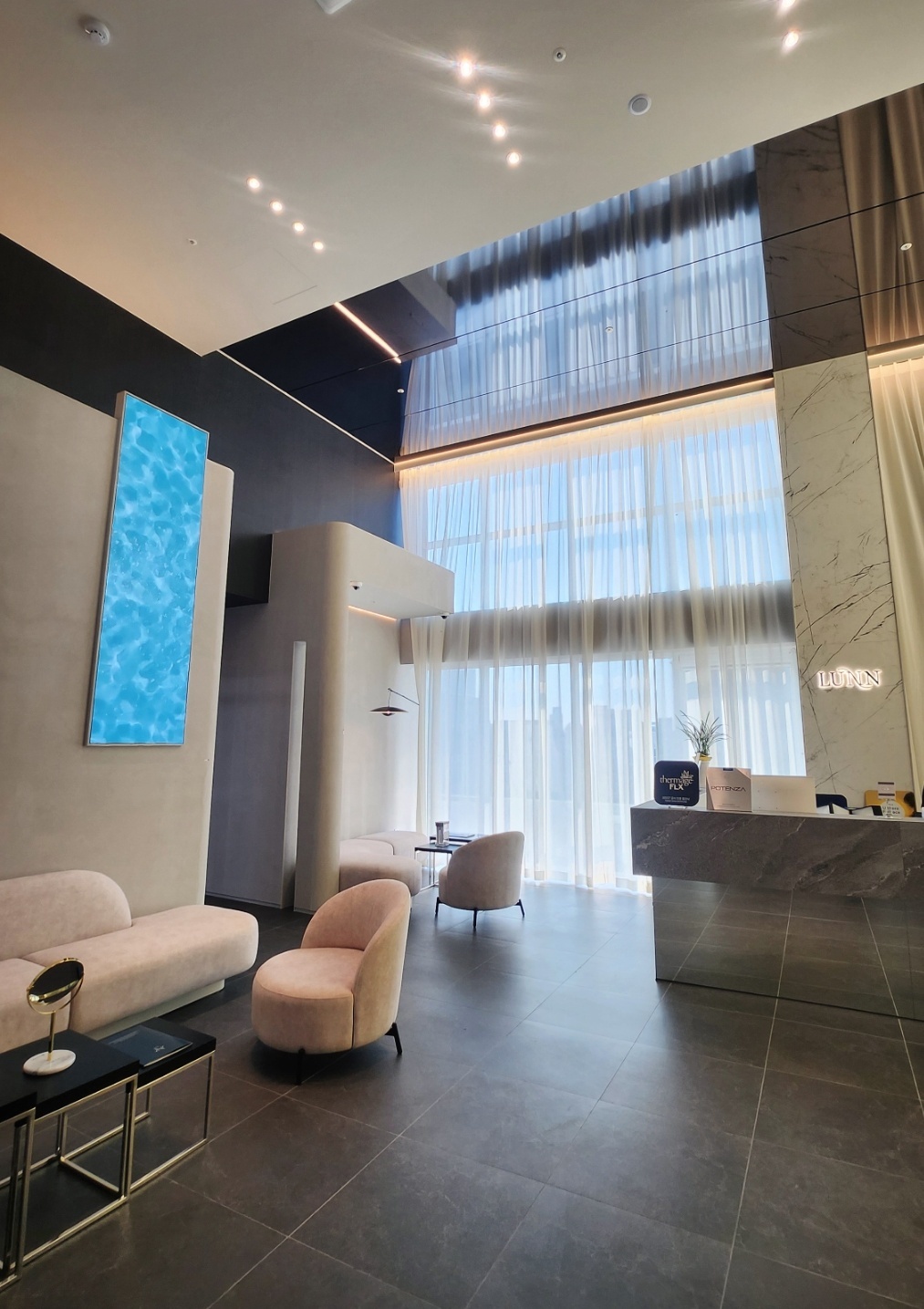
Rather than simply performing a procedure that a patient requests, I prioritize a 'customized design' that involves a precise analysis of the entire facial structure and aging patterns. In my clinical experience, I believe that natural-looking results—rather than excessive changes—represent true skill. This guide explores how we refine skin texture and tone while maintaining structural harmony through professional, detail-oriented care.
Addressing Complex Skin Concerns: From Dark Circles to Texture
Many patients visit us concerned with uneven tone or a 'tired' appearance. Often, what is perceived as simple pigmentation is actually a structural issue. At LUNN, we look beyond the surface to understand the underlying causes of skin shadows and irregularities.
The 'Shadow Erasing' Strategy for Dark Circles
If you are often told you look tired, the culprit may be your under-eye area. Dark circles are not just about pigment; they are often caused by 'shadows' created when the tear trough ligament pulls the skin down. At LUNN, my strategy involves 'Shadow Erasing.' By using low-hydrophilic fillers (such as Belotero) that minimize post-procedure swelling or the Tyndall effect, we can brighten the under-eye area. Brightening just this section can make one look significantly rejuvenated. Furthermore, even vascular or pigmented dark circles often improve when the dermal environment is enhanced. I always emphasize a conservative approach—it is often better to under-correct slightly and observe the progress to ensure the most natural result.
Flat Warts: The Danger of Self-Inoculation
Have you noticed dozens of tiny bumps appearing on your skin? These are often flat warts, which are highly contagious. Through a phenomenon called 'Pseudo-Koebner,' the virus can spread via minor scratches from razors or scrubs. In my practice, we use lasers not just to remove the lesion, but to act as a 'stimulant' that wakes up the skin's immune system to recognize the virus. For patients with flat warts, UV protection is not optional; it is essential, as UV rays can suppress local skin immunity and lead to further spread. This is why a professional diagnosis is vital before attempting any at-home exfoliation.
Structural Lifting and Skin Remodeling
Lifting should never be about just 'using a machine'; it must be a 'tailored plan.' We focus on layering treatments to address different depths of the skin, much like repairing a house requires fixing the foundation before changing the wallpaper.
Layered Design: Ultherapy, Thermage, and ONDA
Each lifting device has a specific role in achieving harmony. Ultherapy targets the deep SMAS layer, Thermage focuses on uniform elasticity throughout the dermis, and ONDA addresses both volume reduction and skin tightening. I often suggest a 'Signature Synergy Program'—for example, improving skin condition with skin boosters before a laser treatment, much like watering parched soil before planting. This layered approach ensures that we are not just pulling the skin, but improving its overall density and structure.
Precision in Botox and Facial Balance
Botox is one of the most common but also one of the most difficult procedures to master. Achieving a natural look requires balancing the 4 pillars: injection site, dosage, dilution concentration, and injection depth. To prevent side effects like 'cheek hollowing' or awkward expressions during masseter Botox, I personally measure and compare the muscle thickness on both sides of the face. Whether it is preventing deep wrinkles in your 30s or combining it with fillers and lifting in your 40s, the goal is always to respect the 'resistance of the muscle' for a balanced result.
Technical Excellence and Clinical Expectations
While the equipment is important, the results are determined by the doctor’s eye. Just as a high-end camera does not guarantee a masterpiece, the parameters set by the dermatologist determine the clinical outcome.
Managing Keratin: Lips and Feet
Sometimes, what looks like simple dryness is a medical condition. If your lips are peeling despite using lip balm, you might have 'contact cheilitis' caused by ingredients in the balm itself. Similarly, thickened skin on the soles of the feet can be 'hyperkeratotic tinea' (fungal infection) even if it doesn't itch. Indiscriminate use of exfoliating tools can damage the skin barrier. Drawing from my experience as a 'doctor who writes papers,' I utilize clinical logic to diagnose these 'hidden' conditions that others might dismiss as simple hygiene issues.
Laser Hair Removal: The Art of Intervals
Laser hair removal success depends on understanding growth cycles. We typically recommend sessions at 4 to 8 week intervals to target hair in the 'anagen' (growth) phase. For men, this means freedom from daily shaving and folliculitis; for women, it offers a way out of the pain of waxing. I adjust the 'parameters' (energy settings) based on the thickness of the hair and the sensitivity of the skin area to ensure safety and efficacy.
Patient Journey: Preparation and Aftercare
A professional experience at LUNN extends from the first consultation to the final recovery. I personally handle the entire process—from the initial analysis to the procedure and follow-up care.
What to Expect During Your Session
Every session begins with me personally feeling and observing your muscle thickness, wrinkle depth, and fat distribution. We do not rely on consultants to make clinical decisions. The duration of the procedure varies depending on your specific skin condition and the complexity of the design. During the treatment, I use analogies to help you understand the process—such as how lifting is like structural renovation. This transparency builds trust and ensures you are comfortable with every step of the journey.
Essential Recovery and Professional Care
The completion of a treatment happens during the aftercare. For lifting treatments like Thermage, I advise avoiding saunas and heavy exercise for one week and staying diligent with moisturization and UV protection. It is important to remember that while advanced treatments can provide significant improvement, they are not 'magic.' Some conditions require multiple sessions or maintenance. I will always be honest with you: if a dramatic change is not possible in one session, I will tell you. This honesty is why our patients trust us with their long-term skin health.
A Dermatologist’s 2026 Guide to LUNN: Precision and Harmony by Dr. Park Hyungkwon
A Dermatologist’s 2026 Guide to Skin Texture Refinement: Pores, Scars, and Structural Harmony
Frequently Asked Questions
Q. Why do you emphasize 'Structural Harmony' in your treatments?
In dermatology, focusing on only one area often leads to unnatural results. By analyzing the entire facial structure—including fat, muscle, and skin layers—we ensure that improvements in one area (like under-eye filler) harmonize with the rest of your features for a natural, refined look.
Q. How many sessions are usually required for lifting or texture improvements?
The number of sessions depends entirely on the individual's skin condition and aging patterns. While some see a difference after one session, structural remodeling often requires a planned series of treatments. I provide a realistic timeline after a physical examination.
Q. Is it true that dark circles can be treated with filler?
Yes, if the dark circles are caused by structural shadows (the tear trough). By using 'low-hydrophilic' fillers that don't attract excess water, we can smooth the transition between the eye and cheek, 'erasing' the shadow and making the area appear brighter.
Q. Are there any side effects to laser treatments for flat warts?
Temporary redness or crusting is part of the healing process. However, because flat warts are viral, there is always a possibility of recurrence if the immune system is suppressed. This is why we emphasize UV protection and professional follow-up care.
Q. What makes LUNN different from 'factory-style' clinics?
At LUNN, a single specialist (myself) is responsible for the entire process—from the detailed initial consultation to the procedure and the final check. We prioritize quality and detail over volume, ensuring each patient receives a treatment plan tailored specifically to their anatomy.
Q. Can Botox cause my face to look stiff or hollow?
Stiffness or hollowing usually results from incorrect dosage or placement. At LUNN, we compare the muscle thickness and strength on both sides of your face to determine the exact amount and depth needed to maintain natural expression while reducing wrinkles.
Q. Why is UV protection so important after a laser procedure?
Laser treatments can temporarily make the skin more sensitive to light. Furthermore, for conditions like flat warts or melasma, UV rays can trigger a recurrence or inflammatory response. Protecting your skin ensures the longevity of your results.
Key Takeaways
- LUNN focuses on 'Refining the Details' through 1:1 specialist care by Dr. Park Hyungkwon.
- Dark circles are treated using a 'Shadow Erasing' strategy with specialized fillers.
- Lifting (Thermage, Ultherapy, ONDA) is approached as a structural 'foundation' repair.
- Flat warts require professional laser treatment and strict UV protection to prevent spreading.
- Honesty regarding clinical limits and individual variation is central to our professional ethics.
Refining the Details. Achieving Perfect Harmony.
LUNN / Dr. Park Hyungkwon
FAQ
- What exactly is Picoway laser technology?
- Picoway is a high-power laser that delivers energy in picoseconds, which is one-trillionth of a second. This incredible speed creates a photoacoustic effect that shatters pigment into tiny particles without overheating the skin. This makes it highly effective for treating both pigmentation and scars with minimal discomfort.
- How many sessions are typically required for pigmentation removal?
- While individual results vary based on the depth and type of pigment, many patients see significant improvement within 3 to 5 sessions. Stubborn conditions like melasma may require a more gradual, multi-session approach for optimal results. Your dermatologist will determine the exact number during your initial consultation.
- Is the Picoway laser treatment painful?
- Most patients describe the sensation as a light snap or a rubber band flicking against the skin. Because the pulses are so incredibly fast, thermal discomfort is minimized compared to older, slower lasers. Topical numbing cream can be applied beforehand to ensure a completely comfortable experience at the clinic.
- What is the typical downtime after a Picoway Resolve session for scars?
- Downtime is generally minimal with this non-ablative technology. You may experience mild redness or slight swelling for 24 to 48 hours, similar to a mild sunburn. Most patients can return to their daily activities and apply makeup almost immediately after the procedure is finished.
- Can Picoway be used on darker skin tones safely?
- Yes, Picoway is known for its high safety profile on various skin types, including darker skin tones like Fitzpatrick types IV-VI. Its photoacoustic nature reduces the risk of post-inflammatory hyperpigmentation compared to heat-heavy lasers. This makes it a versatile choice for a diverse range of patients.
- What are the potential side effects of laser treatment?
- Temporary side effects can include redness, swelling, or temporary darkening of pigmented spots as they begin to heal. Although rare, risks like temporary pigment changes or mild blistering can occur if the skin is not properly cared for. A consultation with a specialist is essential to assess your specific risk factors.
- How does Picoway differ from traditional fractional lasers?
- Traditional fractional lasers often use heat to create micro-wounds, a process known as ablation. Picoway Resolve creates Laser Induced Optical Breakdown (LIOB) in the dermis without damaging the surface of the skin. This leads to significantly faster healing, less discomfort, and a much lower risk of post-procedural complications.