
Post
A Dermatologist’s 2026 Guide to Collagen Biostimulators for Facial Volume
Hello, I am Dr. Park Hyungkwon, a board-certified dermatologist at LUNN. A collagen biostimulator is a sophisticated injectable treatment designed to restore facial volume by encouraging the body to produce its own structural proteins.
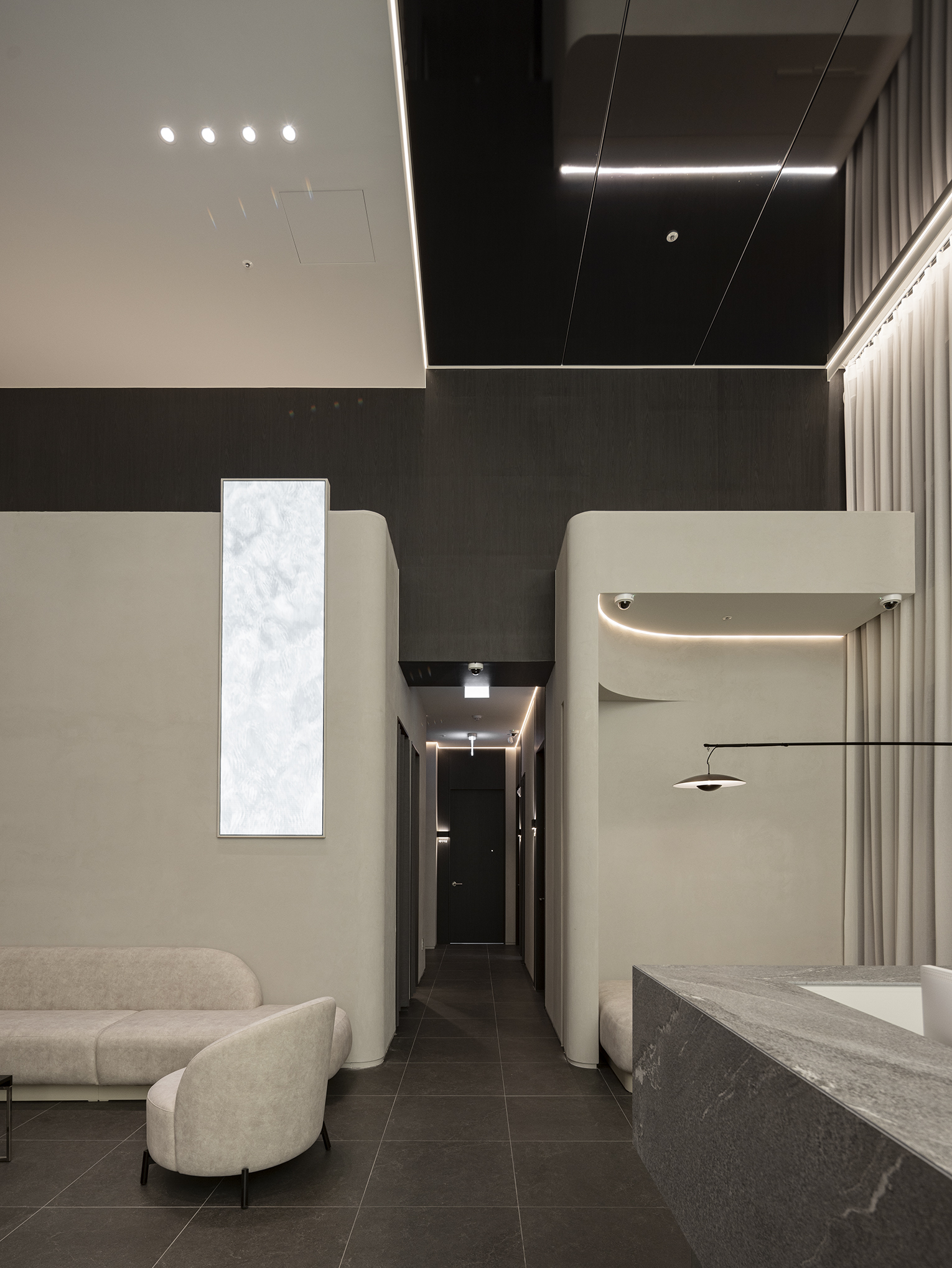
This guide will provide a comprehensive overview of how these treatments work and how they contribute to long-term facial harmony.
Understanding Collagen Biostimulators for Facial Volume
Collagen biostimulators represent a category of aesthetic treatments that utilize bio-active substances to trigger the skin's natural regenerative cycles for volume and texture improvement. Unlike standard fillers that provide immediate physical volume, biostimulators act as a catalyst for endogenous collagen synthesis, leading to gradual and sustainable results.
What Are Collagen Biostimulators and How Do They Differ from Traditional Fillers?
Traditional dermal fillers are primarily composed of hyaluronic acid, which acts as a gel-like substance to physically fill hollow areas immediately upon injection. In contrast, the approach used at LUNN involves biostimulators that do not rely on the volume of the injected material itself to achieve the desired look. Instead, these substances prompt the body to grow its own tissue over time. While hyaluronic acid fillers are often reversible and offer instant gratification, biostimulators provide a subtle transformation that matures over several months. This difference is fundamental to how we plan facial rejuvenation, as biostimulators are often better suited for patients seeking a more natural transition rather than a sudden change in appearance. Because the resulting volume is composed of the patient’s own collagen, the tactile sensation and movement of the treated area often feel more organic compared to synthetic implants or high-viscosity gels used in traditional procedures.
The Science of Bio-Stimulation: Stimulating Your Own Tissue Growth
Bio-stimulation is a physiological process where micro-particles are introduced into the deep dermis to activate fibroblasts, the cells responsible for skin structure. Once injected, these particles create a controlled environment that signals the body to initiate neocollagenesis, or the formation of new collagen fibers. This biological response is not a temporary inflammatory reaction but a sustained building process that strengthens the skin's internal scaffolding. Scientific observations suggest that this new collagen network can remain stable for 18 to 24 months, providing long-lasting structural support. At LUNN, we focus on this cellular activation to ensure that the volume restoration comes from within, rather than through external supplementation. This method ensures that the skin retains its elasticity and firmness even as the original carrier material is naturally metabolized by the body. The gradual nature of this growth allows for a seamless integration with the surrounding facial tissues, minimizing the risk of an artificial appearance.
Key Components: PDLLA and Polylactic Acid Mechanisms
Modern biostimulators frequently utilize advanced polymers such as Poly-D,L-Lactic Acid (PDLLA) or Poly-L-Lactic Acid (PLLA) to achieve structural goals. These biocompatible and biodegradable materials have been used in medical applications for decades, demonstrating a strong safety profile. PDLLA, in particular, is known for its spherical particle shape, which allows for a smoother injection process and a more uniform distribution within the tissue layers. When these particles are placed strategically, they act as a temporary lattice for new tissue growth. Over a period of several weeks, the body slowly breaks down the lactic acid molecules while simultaneously replacing the space with fresh Type I collagen. This sophisticated replacement mechanism is what allows for the correction of deep folds and hollows without the need for high-volume synthetic fillers. The efficiency of these components in stimulating the dermal matrix makes them a cornerstone of modern regenerative aesthetics, offering a durable solution for age-related volume loss.
Comparing Different Volume Restoration Methods
Choosing the right method for volume restoration requires an understanding of how different materials interact with the facial anatomy and the patient's aging process. While some may benefit from immediate contouring, others may require the deep structural reinforcement provided by biostimulation techniques.
| Feature | Hyaluronic Acid (HA) Fillers | Collagen Biostimulators |
|---|---|---|
| Mechanism | Physical volume displacement | Biological collagen synthesis |
| Onset of Results | Immediate | Gradual (4 to 8 weeks) |
| Duration | 6 to 12 months | 18 to 24 months |
| Primary Goal | Precise contouring and filling | Structural support and skin quality |
| Reversibility | Reversible with hyaluronidase | Generally non-reversible |
| Texture | Soft gel feel | Firm, natural tissue feel |
Determining the Right Approach for Sagging vs. Volume Loss
Identifying the specific cause of facial aging is crucial for selecting between lifting procedures and volume restoration. Sagging is often a result of ligament laxity and skin inelasticity, whereas volume loss stems from the depletion of fat pads and the thinning of the dermal layer. For patients experiencing both, a combination approach is often most effective. The philosophy of harmony at LUNN suggests that addressing volume loss with biostimulators can often provide a subtle lifting effect by re-inflating the underlying structures. However, if the primary concern is skin laxity, treatments like Ulthera Lifting Results may be recommended in conjunction with biostimulators. Understanding this distinction ensures that the treatment plan targets the root cause of the concern. We often observe that restoring volume in the mid-face can reduce the appearance of nasolabial folds, providing a rejuvenated look that addresses multiple signs of aging through a single, strategic intervention without over-tightening the skin.
Longevity and Maintenance Cycles for Each Treatment Type
Maintenance is a key consideration for any aesthetic journey, as no treatment can permanently stop the biological aging process. Hyaluronic acid fillers typically require touch-ups every 6 to 12 months to maintain their specific contours. Collagen biostimulators, however, offer a different maintenance profile. After an initial series of 2 to 3 sessions, the results can last significantly longer, often remaining visible for up to two years. This longevity is due to the fact that the newly formed collagen becomes a permanent part of the skin’s structure, though it will eventually succumb to natural degradation over time. At LUNN, we typically recommend a maintenance session every 12 to 18 months to sustain the collagen density achieved during the initial phase. This proactive approach helps to maintain a consistent appearance and prevents the sudden loss of volume that can occur when treatments are completely discontinued. Following a structured cycle ensures that the facial harmony is preserved throughout the natural aging process.
Customized Application and the LUNN Philosophy of Harmony
Our approach to facial aesthetics is rooted in the belief that balance is more important than volume alone. We emphasize a customized application process that respects the unique anatomical proportions of each individual to achieve a refined, natural outcome.
Strategic Layering: Building Subdermal Support Step by Step
Facial rejuvenation is most successful when it mimics the natural architecture of the human face, which consists of multiple layers of tissue. Strategic layering involves placing biostimulators at different depths to provide comprehensive support from the bone level up to the deep dermis. This multi-level approach ensures that the restored volume does not look heavy or displaced during facial movements. By building the foundation first, we create a stable base that allows for more refined adjustments in the superficial layers. The expertise provided by LUNN ensures that each injection is placed with precision, taking into account the vascular anatomy and the specific vectors of facial tension. This method not only improves volume but also enhances the overall quality and thickness of the skin, leading to a healthier and more vibrant complexion. By treating the face as a three-dimensional structure, we can achieve results that are balanced from every angle, avoiding the flat or over-filled look often seen with less sophisticated techniques.
Targeting Sunken Cheeks and Temporal Hollows Naturally
Sunken cheeks and hollow temples are common areas where volume loss significantly impacts the perception of age and health. These areas require a delicate touch, as over-filling can lead to an unnatural facial shape. Using biostimulators in these zones allows for a gradual filling that integrates perfectly with the surrounding bone structure and musculature. In the temples, the goal is to soften the transition between the forehead and the cheekbones, creating a smooth, youthful contour. For the cheeks, the focus is on restoring the natural malar projection that supports the lower face. Scientific data indicates that addressing these hollows can improve the overall light reflection on the face, making it appear more rested and energized. The gradual onset of biostimulators is particularly beneficial in these sensitive areas, as it allows the patient and the physician to monitor the progress and ensure that the final result remains within the bounds of natural facial harmony and structural balance.
The 1mm Difference: Achieving Balance Without Overfilling
In the world of medical aesthetics, a very small measurement can make a significant difference in the final outcome. The signature 1mm difference at LUNN refers to our commitment to precision and restraint. Overfilling is a common mistake that can lead to a distorted appearance, often referred to as 'pillow face.' By focusing on subtle enhancements, we preserve the patient's unique character while softening the signs of aging. This philosophy is especially important when using biostimulators, as the final volume will be greater than the initial injection volume once the collagen production is complete. We carefully calculate the required dosage and placement to account for this future growth. The goal is to achieve a state of harmony where the face looks refreshed and balanced, but the evidence of clinical intervention is virtually undetectable. This meticulous attention to detail is what allows our patients to feel confident in their results, knowing that their natural beauty has been refined rather than replaced by an artificial standard.
Safety Protocols and Managing Expectations
Patient safety and informed consent are the foundations of ethical dermatological practice. Understanding the potential risks and the necessary post-treatment care is essential for achieving a successful and safe outcome for every individual.
Potential Side Effects: Understanding Redness, Swelling, and Nodule Prevention
Like any injectable procedure, collagen biostimulators carry the possibility of side effects, which are generally mild and temporary. Most patients experience some degree of redness, swelling, or minor bruising at the injection sites, which typically resolves within 3 to 7 days. A more specific concern with biostimulators is the potential for the formation of small bumps or nodules under the skin. These are often the result of improper injection depth or uneven distribution of the product. To minimize this risk, LUNN utilizes advanced reconstitution and injection techniques that strive for uniform suspension and placement in the correct anatomical plane. Clinical observations show that when proper protocols are followed, the incidence of nodules is extremely low. It is important for patients to report any unusual lumps or persistent discomfort to their physician immediately. While these occurrences are rare, having a clear understanding of the possible reactions allows for early intervention and ensures that the healing process remains on track without complications.
The Importance of Post-Treatment Care and Massaging Techniques
Success in biostimulator treatments is not only determined by the injection itself but also by the patient's adherence to post-treatment care. One of the most critical steps for certain types of biostimulators is the regular massaging of the treated areas. This practice helps to distribute the micro-particles evenly, preventing them from clumping together and reducing the risk of nodule formation. We typically recommend the 'rule of fives': massaging the area for five minutes, five times a day, for five days after the procedure. Additionally, patients should avoid intense exercise and excessive sun exposure for the first 24 to 48 hours to minimize swelling. Maintaining a healthy lifestyle and following a consistent Medical Grade Skin Care routine can further enhance the longevity of the results. By taking an active role in their recovery, patients contribute to the overall success of the treatment and help ensure that the collagen production process proceeds as intended, resulting in a smooth and natural-looking volume restoration.
Why Consultation with a Board-Certified Dermatologist is Essential
Given the complexity of facial anatomy and the unique biological response to biostimulators, seeking care from a board-certified specialist is non-negotiable. A qualified dermatologist possesses the deep anatomical knowledge required to avoid critical structures and ensure the product is placed in the optimal tissue layer. Furthermore, the ability to customize the treatment plan based on the patient's specific skin quality and aging pattern is a skill developed through years of clinical experience. At LUNN, we conduct thorough consultations to evaluate medical history, skin health, and aesthetic goals before proceeding with any treatment. This process ensures that the selected procedure, whether it is a biostimulator or a Non-surgical Facelift, is safe and appropriate for the individual. A professional consultation also provides a space for patients to ask questions and set realistic expectations for their journey. Choosing a specialist not only maximizes the aesthetic results but also provides the highest level of safety and peace of mind throughout the entire regenerative process.
Key Takeaways
- Collagen biostimulators work by triggering the body's natural collagen production for gradual, natural-looking volume restoration.
- Unlike traditional HA fillers, results appear over 4 to 8 weeks and can last between 18 to 24 months.
- Treatment plans at LUNN are customized using strategic layering to achieve structural harmony and avoid overfilling.
- Post-treatment care, including specific massaging techniques, is essential for ensuring smooth results and preventing complications like nodules.
- Consultation with a board-certified dermatologist is vital for ensuring safety and achieving a balanced, refined outcome.
Frequently Asked Questions
Q. How long does it take to see results from collagen biostimulators?
Unlike immediate fillers, biostimulators work by inducing your body's natural collagen production. Gradual volume improvement typically begins after 4 to 8 weeks, with optimal results appearing after a few months as the new collagen network matures. This slow transition often results in a more natural look that evolves over time.
Q. How many sessions are usually required for optimal facial volume?
For most individuals, a series of 2 to 3 sessions spaced about 4 to 6 weeks apart is recommended. However, the exact number depends on the degree of volume loss and the specific skin condition of the patient. A personalized assessment at LUNN will determine the ideal frequency for your needs.
Q. Are the results from collagen biostimulators permanent?
While not permanent, the results are long-lasting, often remaining visible for 18 to 24 months. The newly formed collagen remains part of your skin structure, though natural aging will eventually continue. Maintenance sessions can help sustain these results indefinitely.
Q. What are the most common side effects of these treatments?
Common side effects include temporary redness, minor bruising, or swelling at the injection site. In rare cases, small bumps or nodules can form under the skin, which is why proper injection technique and post-care are critical for a safe outcome. Most minor issues resolve within a week.
Q. Can I combine collagen biostimulators with laser lifting treatments?
Yes, combining biostimulators with lifting devices like Ultherapy or Thermage can often enhance overall skin elasticity and volume. We call this a multi-layered approach to facial rejuvenation, as it addresses both structural volume and skin laxity simultaneously.
Q. Who is an ideal candidate for collagen biostimulator treatments?
Ideal candidates are individuals experiencing early signs of sagging or hollow areas in the cheeks and temples who prefer a natural, gradual improvement. It is a great choice for those who want to avoid the 'over-filled' look sometimes associated with traditional fillers.
Q. Is there any downtime required after the procedure?
Most patients return to their daily activities immediately. While there may be slight swelling for 2 to 3 days, it generally does not interfere with social life. We recommend avoiding intense exercise for the first 24 hours to ensure the best possible healing environment.
Refining the Details. Achieving Perfect Harmony.
Lunn Dermatology Clinic / Dr. Park Hyungkwon
FAQ
- How long does it take to see results from collagen biostimulators?
- Unlike immediate fillers, biostimulators work by inducing your body's natural collagen production. Gradual volume improvement typically begins after 4 to 8 weeks, with optimal results appearing after a few months as the new collagen network matures. This slow transition often results in a more natural look that evolves over time.
- How many sessions are usually required for optimal facial volume?
- For most individuals, a series of 2 to 3 sessions spaced about 4 to 6 weeks apart is recommended. However, the exact number depends on the degree of volume loss and the specific skin condition of the patient. A personalized assessment at lunnclinic will determine the ideal frequency for your needs.
- Are the results from collagen biostimulators permanent?
- While not permanent, the results are long-lasting, often remaining visible for 18 to 24 months. The newly formed collagen remains part of your skin structure, though natural aging will eventually continue. Maintenance sessions can help sustain these results indefinitely.
- What are the most common side effects of these treatments?
- Common side effects include temporary redness, minor bruising, or swelling at the injection site. In rare cases, small bumps or nodules can form under the skin, which is why proper injection technique and post-care are critical for a safe outcome. Most minor issues resolve within a week.
- Can I combine collagen biostimulators with laser lifting treatments?
- Yes, combining biostimulators with lifting devices like Ultherapy or Thermage can often enhance overall skin elasticity and volume. We call this a multi-layered approach to facial rejuvenation, as it addresses both structural volume and skin laxity simultaneously.
- Who is an ideal candidate for collagen biostimulator treatments?
- Ideal candidates are individuals experiencing early signs of sagging or hollow areas in the cheeks and temples who prefer a natural, gradual improvement. It is a great choice for those who want to avoid the 'over-filled' look sometimes associated with traditional fillers.
- Is there any downtime required after the procedure?
- Most patients return to their daily activities immediately. While there may be slight swelling for 2 to 3 days, it generally does not interfere with social life. We recommend avoiding intense exercise for the first 24 hours to ensure the best possible healing environment.