
Post
A Dermatologist’s 2026 Guide to Ulthera Lifting Results: Achieving Structural Harmony
Hello, I am Dr. Hyungkwon Park, a dermatology specialist at LUNN. Ulthera lifting results represent a sophisticated intersection of medical technology and aesthetic artistry, designed to restore facial volume and structure without invasive surgery.
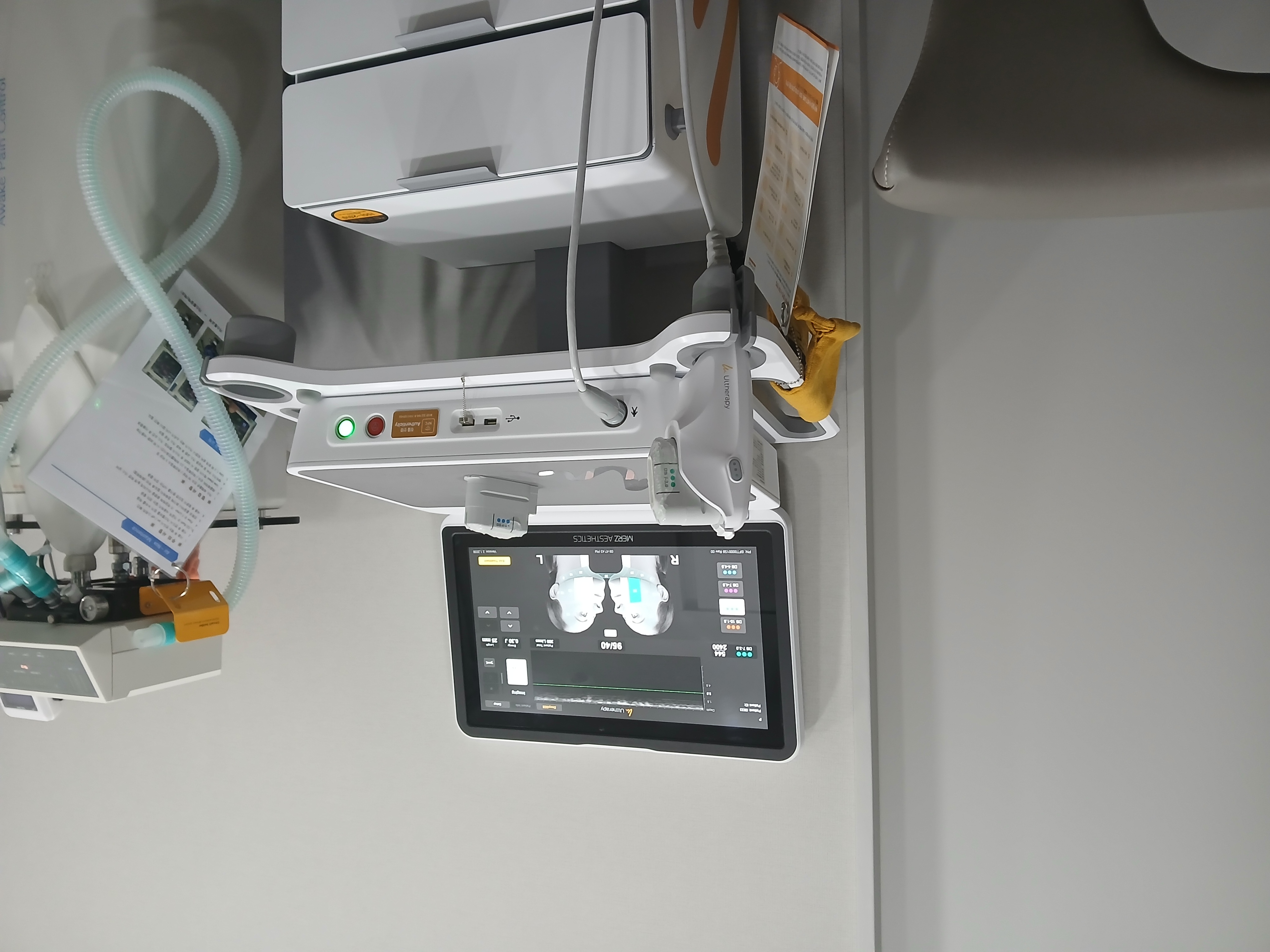
In this guide, I will explain how this treatment utilizes high-intensity focused ultrasound to achieve natural-looking rejuvenation and why a precision-led approach is essential for optimal outcomes.
Understanding Ulthera Lifting: The Science of High-Intensity Focused Ultrasound
Ulthera lifting is a non-invasive procedure that uses High-Intensity Focused Ultrasound (HIFU) to target the foundational layers of the skin, specifically the Superficial Muscular Aponeurotic System (SMAS). This layer is the same structural support typically addressed in surgical facelifts, making it a critical focus for effective lifting. By delivering precise thermal energy to these deep tissues, the treatment initiates a natural healing response that stimulates the production of new collagen and elastin, leading to gradual skin tightening and lifting over several months.
What is Ultherapy and How Does It Target Deep Tissue?
Ultherapy distinguishes itself by its ability to deliver thermal energy to specific depths of 1.5mm, 3.0mm, and 4.5mm without damaging the skin surface. At LUNN, we focus on the 4.5mm depth to reach the SMAS layer, where the thermal coagulation points are created. These points reach temperatures of approximately 60 to 70 degrees Celsius, which is the optimal range for denaturing old collagen and triggering neocollagenesis. Because the ultrasound energy bypasses the epidermis, there is minimal risk to the outer skin, allowing for a deep structural lift. This targeted mechanism ensures that the treatment addresses the root cause of sagging rather than just superficial laxity. By focusing on these precise depths, we can achieve a more comprehensive refinement of the facial contours. It is this depth-specific energy delivery that allows for a significant improvement in skin tautness while maintaining a natural facial expression and structural integrity.
The Role of Real-Time Visualization in Treatment Accuracy
One of the most critical components of the Ultherapy system is its DeepSEE visualization technology. This feature allows me to see the individual layers of a patient's tissue in real-time during the entire procedure. At LUNN, I combine this visualization with a meticulous 'Status Analysis'—a process where I manually touch and visually inspect muscle thickness, wrinkle depth, and fat volume. This ensures that energy is delivered precisely to the SMAS layer and structural foundations while avoiding the bone. Without this visual and manual guidance, practitioners would be working blindly, which could lead to inconsistent results or unnecessary discomfort. The ability to see exactly where the energy is being placed allows for a highly customized treatment plan that accounts for the unique anatomical variations of every individual. This level of precision is what enables us to refine the details of the facial structure with confidence.
Who is the Ideal Candidate for Ulthera Lifting?
The ideal candidate for this procedure is typically someone experiencing mild to moderate skin laxity who is looking for a non-surgical way to refine their appearance. Individuals who notice a softening jawline, sagging under the chin, or drooping eyebrows often see the most benefit from Ultherapy. At LUNN, we evaluate each patient's skin quality and bone structure to determine if they are a suitable candidate. While those with significant sun damage or extreme skin laxity may require more intensive interventions, most people in their 30s to 50s find that this treatment provides an excellent balance of lifting and maintenance. It is also a preferred option for those who want to avoid the downtime and risks associated with surgery. During our consultation, we discuss how the treatment can complement their existing facial features. By selecting candidates who have sufficient collagen-building potential, we can ensure that the results appear natural and harmonious with the patient's overall facial structure and aesthetic goals.
What to Expect: Typical Ulthera Lifting Results and Recovery
Typical Ulthera lifting results involve a progressive improvement in skin firmness and contour clarity that develops over a period of two to six months. While some patients may notice an immediate tightening effect due to the initial thermal contraction of collagen fibers, the primary benefits are seen as the body synthesizes new structural proteins. This gradual process ensures that the changes appear natural and subtle, avoiding the sudden or artificial look that can sometimes occur with more invasive procedures.
Timeline of Visible Changes: From Immediate Tightening to Long-term Collagen Growth
When discussing the timeline of visible changes, it is important to note that Ulthera lifting results are not instantaneous but progressive. Some patients may observe a mild initial tightening immediately after the procedure due to the thermal contraction of existing collagen fibers. However, the most significant improvements generally manifest over a period of 90 to 180 days. This duration corresponds with the body’s natural neocollagenesis process, where new, stronger collagen is synthesized within the deep structural layers of the skin. By the 3-month mark, the lifting effect on the jawline and brow area typically becomes more pronounced as the tissue remodeling peaks. These outcomes are influenced by individual biological responses and the baseline condition of the skin. While these improvements are long-lasting, the natural aging process continues, suggesting that a maintenance plan is beneficial for sustaining the structural harmony achieved during the initial session at LUNN.
Managing Expectations: Factors That Influence Individual Outcomes
Managing expectations is a vital part of the treatment process because individual results can vary based on several biological factors. Age, lifestyle choices such as smoking or sun exposure, and the inherent quality of a patient's skin all play a role in how effectively the body produces new collagen. At LUNN, we emphasize that while most patients see a noticeable lift, the degree of improvement is unique to each person. For example, individuals with healthier skin may respond more robustly to the thermal stimuli than those with extensive tissue damage. It is also important to understand that a single treatment may not provide the same results as a surgical facelift for cases of severe laxity. We provide a realistic assessment during the initial consultation to ensure patients understand the likely trajectory of their results without unrealistic promises.
Safety Profile and Potential Temporary Side Effects
The safety profile of Ultherapy is well-established, as it is an FDA-cleared technology for non-invasive lifting. However, like any medical procedure, there are potential temporary side effects that patients should be aware of. Common reactions include mild erythema or redness immediately following the treatment, which usually subsides within a few hours. Some patients may also experience slight swelling or a tingling sensation for a few days as the tissue begins its remodeling phase. At LUNN, we take every precaution to minimize discomfort and ensure a smooth recovery. Please note that individual results may vary, and potential side effects such as temporary redness, swelling, or localized numbness can occur, though these typically resolve on their own. It is essential to follow post-treatment care instructions to optimize healing. Because there is no downtime, most individuals can return to their daily activities immediately after leaving the clinic.
Optimizing Results: Comparing Ulthera with Other Lifting Modalities
Optimizing lifting results often requires a comparative understanding of different energy-based devices and how they interact with the skin's layers. While Ultherapy is a widely recognized procedure for deep tissue lifting, other modalities like radiofrequency focus on different depths and textures. Choosing the right combination or specific device depends entirely on the patient's unique anatomical needs and their desired aesthetic outcome.
Ulthera vs. Thermage: Choosing Between Depth and Surface Tightening
Choosing between Ulthera and Thermage often comes down to the specific layers of the skin that need the most attention. Ulthera uses focused ultrasound to target the deep SMAS layer at 4.5mm, making it ideal for structural lifting and jawline definition. In contrast, Thermage utilizes monopolar radiofrequency to heat the dermis more broadly, which is excellent for tightening the skin surface and improving overall texture. At LUNN, we often view these as complementary treatments rather than competitors. For a patient with both deep sagging and surface laxity, a combination of both might be the most effective route. While Ulthera provides the vertical lift, Thermage can provide the horizontal tightening needed for a smoother complexion. The decision depends on whether the primary goal is to address structural foundation or superficial skin quality. By understanding these technical differences, we can design a more effective treatment plan that addresses the multiple layers of aging in a way that feels natural.
| Feature | Ulthera (HIFU) | Thermage (RF) |
|---|---|---|
| Primary Technology | High-Intensity Focused Ultrasound | Monopolar Radiofrequency |
| Target Depth | Up to 4.5mm (SMAS Layer) | Superficial to Deep Dermis |
| Main Benefit | Deep Structural Lifting | Surface Tightening & Texture |
| Imaging | Real-time Ultrasound Visualization | No Integrated Imaging |
| Primary Areas | Jawline, Brow, Under-chin | Face, Eyes, Body |
| Expected Longevity | 12 months or more | Approximately 12 months |
Why Multi-Layered Approaches Often Provide Better Outcomes
A multi-layered approach is often the key to achieving the most balanced and natural-looking results. Since the aging process affects the skin, fat pads, and muscles simultaneously, addressing only one layer can lead to an incomplete transformation. At LUNN, we frequently combine Ultherapy with other treatments like skin boosters or collagen-stimulating injections to enhance the overall effect. By lifting the deep structures with ultrasound and then improving the skin's hydration and elasticity with other methods, we can achieve a more vibrant and youthful appearance. This synergy ensures that the results are not just about lifting, but about restoring the overall health and harmony of the face. For instance, combining deep lifting with Skin Botox Outcomes and Maintenance: A Dermatologist's Perspective can refine the surface details while the foundation is being rebuilt.
The LUNN Approach: Achieving Harmony Through Precise Customization
The LUNN approach centers on the philosophy that true beauty lies in the fine details and the overall harmony of the face. We believe that a successful treatment is one where the changes are so natural that they enhance the patient's existing features without looking "done." This requires a deep understanding of facial anatomy and a commitment to providing highly personalized care for every individual who enters our clinic.
Designing the Lift: Why the 1mm Difference Matters in Facial Expression
In the world of medical aesthetics, a single millimeter can be the difference between a natural lift and an artificial look. At LUNN, we pay close attention to the subtle nuances of facial expression when designing an Ultherapy plan. We do not believe in a one-size-fits-all approach; instead, we map out each shot to ensure that the lifting effect complements the patient's unique muscle movements. This precision prevents the "frozen" or overly pulled look that can sometimes result from less careful techniques. By understanding how the SMAS layer interacts with the rest of the face, I can strategically place energy to lift the corners of the mouth or the tail of the brow with extreme accuracy. This meticulous attention to detail is what allows us to achieve structural harmony while preserving the patient's ability to express themselves naturally.
The Importance of Tailored Shot Distribution and Energy Levels
The effectiveness of Ultherapy is highly dependent on how the shots are distributed and the energy levels used. Simply delivering a high number of shots is not enough; they must be placed in the correct vectors to create a meaningful lift. At LUNN, I personally customize the shot count and energy intensity for every patient based on their skin thickness and response. By finding the perfect balance, we can maximize collagen stimulation while ensuring a comfortable experience for the patient. We also take into account the specific areas of concern, such as the periorbital region or the submental area, and adjust our technique accordingly. This tailored approach ensures that the energy is concentrated where it is needed most, leading to more defined and satisfying outcomes.
Professional Consultation: Identifying the Right Interval for Maintenance
Maintaining the results of an Ultherapy treatment requires a long-term perspective and a professional consultation to determine the ideal schedule. While the initial lifting effect can last for 12 months or longer, the natural aging process is continuous. At LUNN, we work with our patients to identify the right intervals for maintenance sessions, which are typically recommended every 6 to 12 months depending on the individual's needs. During a consultation, we evaluate how the skin has responded to the previous treatment and adjust the plan for the next session. This proactive approach helps to sustain the structural harmony and prevent significant sagging from returning. We also use this time to discuss other complementary procedures, such as A Specialist's 2026 Guide to Ultherapy and Thermage Synergy Effects: Achieving Structural Harmony or A Dermatology Specialist’s 2026 Guide to Premium Skin Lifting in Seoul, to further enhance the longevity of the results.
Frequently Asked Questions
Q. What is the primary mechanism of Ulthera lifting?
Ulthera uses High-Intensity Focused Ultrasound (HIFU) to create thermal coagulation points at specific depths, such as the SMAS layer, to stimulate natural collagen regeneration. This process targets the deep foundational layers of the skin to provide a structural lift from within. The precision of the ultrasound energy allows for effective lifting without harming the skin's surface.
Q. How long does it take to see the final results after an Ultherapy session?
While some may notice a slight immediate lift due to collagen contraction, the most significant results typically develop gradually over 2 to 3 months as new collagen is produced. Some patients continue to see improvements for up to six months following the procedure. The timeline depends on the individual's biological response and their body's ability to synthesize new proteins.
Q. Are Ulthera lifting results permanent?
Results are long-lasting as they involve internal tissue remodeling, but the natural aging process continues; therefore, maintenance sessions every 6 to 12 months are often recommended. The new collagen contributes to the long-term improvement of your skin structure, but your skin will naturally continue to age over time. Regular follow-ups help to maintain the desired aesthetic effect.
Q. Is the procedure painful or does it require significant downtime?
Patients may experience a temporary heating or tingling sensation during the procedure, but it is generally well-tolerated with appropriate preparation. There is generally no downtime, though mild redness or slight swelling can occur for a few days. Most people return to their normal daily activities immediately after the session without any restrictions.
Q. Can Ulthera replace a surgical facelift?
While Ulthera provides significant non-invasive tightening, it is not a direct replacement for surgery in cases of severe skin laxity, but it is an excellent alternative for moderate lifting. It is best suited for those who want a noticeable improvement without the risks and recovery time of a surgical procedure. A consultation can help determine which option is best for your specific condition.
Q. What are the potential side effects of Ulthera lifting?
Common temporary side effects include erythema (redness), slight swelling, and tenderness in the treated area. Rare cases of temporary numbness or bruising may occur depending on individual skin sensitivity and the intensity of the treatment. These effects are typically mild and resolve spontaneously within a short period after the procedure.
Q. What is the difference between genuine Ulthera and other HIFU devices?
The key difference lies in the FDA-cleared real-time imaging technology, which allows the practitioner to see the exact layers of tissue being treated for increased safety and precision. This imaging ensures that the energy is delivered to the correct depth and avoids structures like bone. The real-time imaging technology of Ulthera allows for precise and predictable energy delivery by visualizing the specific tissue layers.
Key Takeaways
- Deep Structural Lifting: Ulthera targets the SMAS layer to provide a non-surgical lift that addresses the foundation of facial sagging.
- Progressive Results: Improvements develop over 3 to 6 months as the body naturally produces new collagen and elastin.
- Precision and Safety: Real-time ultrasound visualization combined with LUNN's manual 'Status Analysis' ensures the energy is delivered exactly where it is needed.
- Minimal Downtime: Patients can resume their normal activities immediately, with only mild and temporary side effects possible.
- Customized Care: A tailored approach to shot distribution and energy levels is essential for achieving harmonious and natural-looking results.
For more information or to schedule a personal consultation, please contact us. At LUNN, we are dedicated to refining the details and achieving your perfect harmony.
LUNN / Dr. Hyungkwon Park
FAQ
- What is the primary mechanism of Ulthera lifting?
- Ulthera uses High-Intensity Focused Ultrasound (HIFU) to create thermal coagulation points at specific depths, such as the SMAS layer, to stimulate natural collagen regeneration. This process targets the deep foundational layers of the skin to provide a structural lift from within. The precision of the ultrasound energy allows for effective lifting without harming the skin's surface.
- How long does it take to see the final results after an Ultherapy session?
- While some may notice a slight immediate lift due to collagen contraction, the most significant results typically develop gradually over 2 to 3 months as new collagen is produced. Some patients continue to see improvements for up to six months following the procedure. The timeline depends on the individual's biological response and their body's ability to synthesize new proteins.
- Are Ulthera lifting results permanent?
- Results are long-lasting as they involve internal tissue remodeling, but the natural aging process continues; therefore, maintenance sessions every 6 to 12 months are often recommended. The new collagen produced is a permanent addition to your skin structure, but your skin will naturally continue to age over time. Regular follow-ups help to maintain the desired aesthetic effect.
- Is the procedure painful or does it require significant downtime?
- Patients may experience a temporary heating or tingling sensation during the procedure, but it is generally well-tolerated with appropriate preparation. There is generally no downtime, though mild redness or slight swelling can occur for a few days. Most people return to their normal daily activities immediately after the session without any restrictions.
- Can Ulthera replace a surgical facelift?
- While Ulthera provides significant non-invasive tightening, it is not a direct replacement for surgery in cases of severe skin laxity, but it is an excellent alternative for moderate lifting. It is best suited for those who want a noticeable improvement without the risks and recovery time of a surgical procedure. A consultation can help determine which option is best for your specific condition.
- What are the potential side effects of Ulthera lifting?
- Common temporary side effects include erythema (redness), slight swelling, and tenderness in the treated area. Rare cases of temporary numbness or bruising may occur depending on individual skin sensitivity and the intensity of the treatment. These effects are typically mild and resolve spontaneously within a short period after the procedure.
- What is the difference between genuine Ulthera and other HIFU devices?
- The key difference lies in the FDA-cleared real-time imaging technology, which allows the practitioner to see the exact layers of tissue being treated for increased safety and precision. This imaging ensures that the energy is delivered to the correct depth and avoids structures like bone or blood vessels. Genuine Ulthera provides a higher level of predictability and safety compared to devices without visualization.