
Post
A Specialist's 2026 Guide to Ultherapy and Thermage Synergy Effects: Achieving Structural Harmony
Hello, I am Dr. Hyungkwon Park, a dermatologist at Lunn Dermatology Clinic. Ultherapy and Thermage synergy effects represent a sophisticated approach to non-invasive facial rejuvenation by combining deep structural lifting with superficial skin tightening.
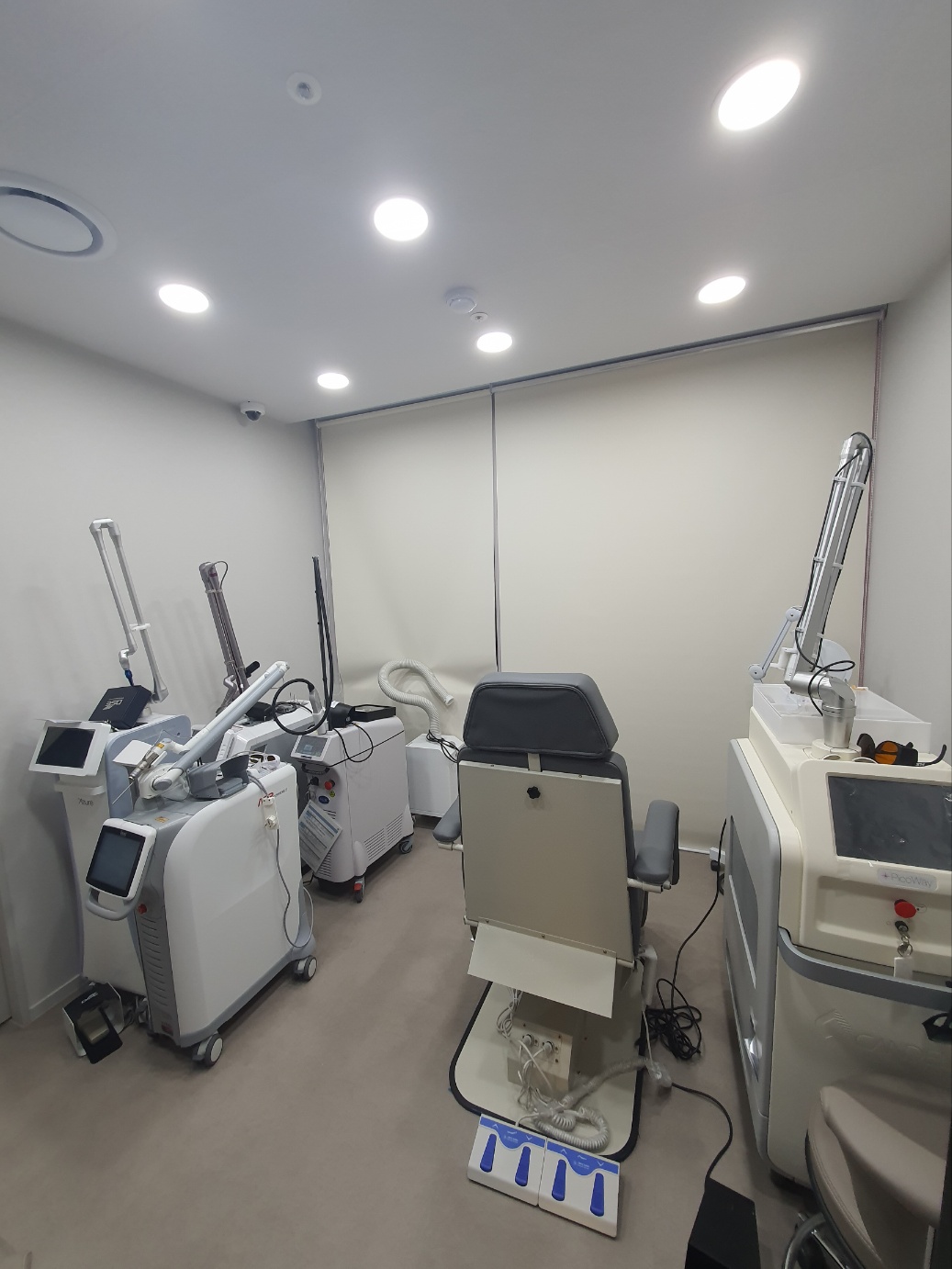
This multi-layered strategy ensures that aging is addressed across various tissue depths, providing a more balanced and natural outcome for patients seeking long-term improvements in skin quality. In this guide, I will explain how this dual-energy combination works to achieve structural harmony in 2026.
Understanding Ultherapy and Thermage: The Principles of High-Frequency and Ultrasonic Lifting
Ultherapy and Thermage are energy-based treatments designed to stimulate tissue remodeling through focused ultrasound and monopolar radiofrequency, respectively, to address different aspects of skin aging.
The Lifting Mechanism of Ultherapy’s Focused Ultrasound (HIFU)
Ultherapy utilizes Micro-Focused Ultrasound (MFU) to deliver energy at specific depths, primarily reaching the Superficial Musculoaponeurotic System, also known as the SMAS layer, located approximately 4.5mm beneath the skin surface. By creating thermal coagulation points at temperatures between 60 and 70 degrees Celsius, it triggers a natural regenerative response that lifts the underlying tissue. This biological process involves the production of new collagen and elastin fibers over several months. Clinical observations show that many patients notice visible lifting effects within 90 days of the procedure, though individual results can vary based on skin condition and age. At LUNN, we focus on the precise placement of these energy points to ensure the lifting follows the natural contours of the face. While the procedure is highly effective for structural sagging, it typically does not address very fine lines on the surface. Therefore, it serves as the foundational layer of our rejuvenation strategy, providing the necessary vertical lift that non-surgical options require for long-term success.
The Tightening Science of Thermage’s Monopolar Radiofrequency (RF)
Thermage employs Monopolar Radiofrequency (RF) technology to provide bulk heating to the dermis and subcutaneous layers, stimulating immediate collagen contraction and long-term remodeling. Unlike ultrasound, which targets deep focal points, radiofrequency energy flows through the skin layers to create a 3D contraction effect that improves surface texture and reduces fine wrinkles. The system uses a cooling mechanism to protect the epidermis while the deeper tissues are heated to optimal levels for collagen synthesis. Scientific principles suggest that Thermage can lead to an increase in dermal density, which helps in refining the jawline and smoothing the nasolabial folds. At LUNN, we utilize this technology to address the thinning of the skin that occurs naturally with age. By tightening the skin envelope, we can achieve a smoother appearance that complements the deeper structural lifting. The treatment is particularly beneficial for individuals noticing a loss of skin elasticity and general sagging without significant volume loss.
Why One Technique May Not Be Enough for Total Rejuvenation
Relying on a single lifting modality often overlooks the multi-dimensional nature of facial aging, which involves changes in the deep fascia, dermis, and epidermal surface. If a patient only receives a deep lifting treatment, the underlying structure may improve, but the superficial skin might still appear thin or wrinkled. Conversely, focusing solely on surface tightening might leave the deeper tissues sagging, resulting in an incomplete appearance. Research suggests that addressing multiple layers simultaneously can lead to more harmonious results, as the treatments complement each other’s strengths. By combining different energy sources, we can target the 4.5mm depth for lifting and the 1.5mm to 3.0mm depths for skin refinement. This approach ensures that the face is treated as a unified structure rather than isolated parts. Clinical experience at LUNN confirms that patients receiving comprehensive care often express high satisfaction compared to those undergoing only one type of energy-based procedure.
The Synergy of Ultherapy and Thermage: Lifting and Tightening Together
The synergy between these two technologies refers to the comprehensive improvement of both deep structural support and superficial skin quality within a single treatment plan, maximizing the restorative potential of the body.
Defining Synergy: Addressing Both Deep Fascia and Surface Texture
Achieving a natural look requires addressing the skin at various depths, which is why the synergy of ultrasound and radiofrequency is so valuable in modern aesthetics. While focused ultrasound provides the structural tension needed to lift heavy sagging tissues, radiofrequency smooths out the fine textures that define a youthful glow. By using these technologies together, LUNN can address the root causes of aging rather than just the symptoms. This dual-action approach results in a tightening of the skin envelope while simultaneously lifting the underlying fascia. Clinical experience shows that the combination helps to minimize the appearance of deep folds while improving the overall firmness of the face. This holistic strategy ensures that the rejuvenation process is balanced, preventing the artificial look that can occur when only one layer is treated excessively. It is this balance between deep support and surface refinement that defines our high standard of care.
Layered Design: The Structural Approach to Facial Volumization
Layered design is a sophisticated method of planning treatments that considers the specific needs of each anatomical plane, from the superficial dermis to the deep muscle layers. At LUNN, we emphasize the importance of a structural approach to volumization and lifting. By carefully mapping the face, we can determine where the most significant aging has occurred and allocate energy shots accordingly. This might involve higher energy density in the lower third of the face for lifting the jawline and more superficial tightening around the eyes. Such a targeted method allows for a more efficient use of the technology. My philosophy is that when collagen is stimulated across multiple layers, the cumulative effect on skin thickness is notably more balanced than when only a single layer is treated. This multi-plane rejuvenation is the cornerstone of our clinic's philosophy, ensuring that every patient receives a truly customized and effective plan.
Clinical Observation: Improved Elasticity and Jawline Definition
Observation of patients who have undergone combined lifting and tightening procedures reveals consistent improvements in both skin elasticity and the definition of the jawline. We often see that the initial lifting effect from ultrasound is enhanced by the skin-firming properties of radiofrequency over the subsequent weeks. In my clinical practice, patients who follow a combined protocol have shared positive feedback regarding the natural feel of their results. The improvement in skin density, often visible through the refinement of surface texture, suggests that the synergy leads to a more robust collagen network. This structural reinforcement is particularly evident in areas like the jowls, where gravity has the most impact. Furthermore, the longevity of these results can be extended through proper maintenance. By documenting these changes, we can refine our techniques to provide the most reliable outcomes for individuals seeking a refreshed facial appearance. You can learn more about similar approaches in our A Specialist's 2026 Guide to Ultherapy vs Thermage for Lifting: Achieving Structural Harmony.
Comparative Analysis: Choosing the Right Treatment for Your Skin Layers
Comparative analysis involves evaluating skin thickness and laxity to determine the specific energy distribution required for optimal rejuvenation across various anatomical planes.
| Feature | Ultherapy | Thermage (FLX) | Combined Synergy |
|---|---|---|---|
| Energy Source | Focused Ultrasound (HIFU) | Monopolar Radiofrequency (RF) | Dual Energy Modality |
| Target Depth | Deep SMAS Layer (4.5mm) | Dermis & Subcutaneous (1.5-3mm) | Multi-layered (1.5mm - 4.5mm) |
| Primary Goal | Vertical Lifting & Foundation | Surface Tightening & Texture | Comprehensive Rejuvenation |
| Mechanism | Thermal Coagulation Points | Bulk Heating & 3D Contraction | Structural & Superficial Repair |
| Longevity | Approx. 6 to 12 months | Approx. 6 to 12 months | Enhanced duration and quality |
Target Depth Comparison: SMAS Layer vs. Dermis Layer
The fundamental distinction between these two procedures lies in their target depths, which dictates how they should be applied in a clinical setting. Ultherapy is designed to penetrate to a depth of 4.5mm, specifically reaching the SMAS layer which is the same plane targeted in surgical face lifts. In contrast, Thermage focuses on the dermis and the upper layers of the subcutaneous fat, typically operating between 1.5mm and 3.0mm. By understanding these spatial differences, we at LUNN can create a comprehensive treatment map that covers the entire thickness of the soft tissue. Utilizing different energy modalities at these specific depths ensures that no layer is left untreated during the rejuvenation process. This strategic distribution of energy is crucial for avoiding complications while maximizing the regenerative potential of the skin. It also allows for a more comfortable experience, as the energy is not concentrated in a single area but is spread across different tissue types for a balanced thermal effect.
Indications for Combined Therapy: Aging Signs and Skin Laxity
Identifying the right candidate for combined therapy involves a detailed assessment of aging signs, including both structural sagging and superficial laxity. Individuals who exhibit heavy jowls, deep nasolabial folds, and a general loss of skin bounce are typically the best suited for this synergistic approach. The presence of fine lines alongside deeper tissue displacement suggests that a multi-layered intervention will be more effective than a single-modality treatment. At LUNN, we evaluate the thickness of the dermis and the degree of descent in the mid-face to determine the optimal shot count and energy intensity. Clinical observations suggest that results are most favorable when treatments are tailored to the patient's specific facial anatomy. The goal is always to restore harmony to the face by addressing each sign of aging with the most appropriate technology. Additional details on surface refinement can be found in our A Dermatologist's 2026 Guide to Skin Botox for Fine Lines and Pores: Achieving Dermal Harmony.
Personalized Design for Natural Harmony in Cheongdam Skin Care
Personalized design in aesthetic dermatology emphasizes the customization of energy parameters and shot counts to respect the unique facial anatomy and structural integrity of each patient.
LUNN’s Philosophy: The Importance of the 1mm Detail in Lifting
At LUNN, our philosophy centers on the belief that beauty is found in the details, particularly the subtle 1mm adjustments that define a natural look. We prioritize structural harmony over drastic changes, ensuring that each patient retains their unique identity while looking refreshed. I personally oversee the design of every lifting plan, bringing clinical expertise to the process. We understand that every face is different, which is why we do not follow a generic approach. Instead, we analyze skin health and structural integrity before recommending any procedure. By focusing on the 1mm detail in shot placement, we can avoid the artificial appearances often associated with over-treatment. Our commitment to excellence means that we continuously update our protocols based on clinical evidence. This dedication to precision and individualized care is what sets our practice apart in the Cheongdam and Apgujeong area.
Managing Expectations: Potential Side Effects and Recovery Intervals
While non-surgical lifting is effective, it is important for patients to have realistic expectations regarding the recovery process and potential side effects. Most individuals experience mild redness or swelling for 24 to 48 hours following the procedure, but these symptoms typically resolve quickly. Rare risks include temporary numbness, bruising, or small blisters, though these are minimized through proper technique. It is crucial to understand that results are not immediate, as the body requires time to synthesize new collagen fibers over a period of 3 to 6 months. We generally recommend a maintenance schedule every 6 to 12 months to sustain the lifting and tightening effects. Patients should also be aware that individual responses to treatment can vary significantly. Transparency regarding these limitations is a core value at LUNN, as we believe that an informed patient can better enjoy the long-term benefits of their rejuvenation journey.
Safety and Ethics: Why Individualized Consultation is Mandatory
The safety of our patients is our absolute priority, which is why a comprehensive individualized consultation is a mandatory step before any treatment begins. During this consultation, we review medical history, skin type, and specific aesthetic goals to ensure that the combined Ultherapy and Thermage protocol is safe and appropriate. At LUNN, we use only genuine equipment and adhere to strict medical ethics to provide the highest level of care. We believe that professional oversight is essential to avoid complications such as thermal burns or nerve irritation. Our clinical environment is designed to be both comfortable and medically rigorous, offering a private space for patients to discuss their concerns openly. We also provide detailed post-treatment care instructions to ensure a smooth recovery. By maintaining these high standards, we ensure that every procedure contributes to the long-term health and beauty of the skin.
Key Takeaways
- Ultherapy and Thermage synergy effects provide a dual-layer approach to lifting the SMAS and tightening the dermis.
- The combination addresses both deep structural sagging and superficial fine lines for a more natural look.
- Visible results typically emerge over 3 to 6 months as new collagen is produced by the body.
- Personalized treatment plans at LUNN focus on 1mm precision to maintain facial harmony.
- Maintenance treatments every 6 to 12 months are recommended to sustain the rejuvenation effects over time.
Frequently Asked Questions
Q. What is the primary difference between Ultherapy and Thermage?
Ultherapy uses micro-focused ultrasound to lift the deep SMAS layer at a 4.5mm depth, while Thermage uses radiofrequency to tighten the skin's surface and dermis by stimulating collagen. One focuses on the vertical foundation while the other focuses on the skin envelope and texture.
Q. Can I receive both Ultherapy and Thermage treatments on the same day?
Yes, many patients choose to receive them together to take advantage of the synergy effects between the two technologies. However, a personalized consultation with me is required to determine if your skin can handle the combined energy safely and effectively during a single visit.
Q. How long do the results of a combined treatment typically last?
While results vary by individual, many patients observe improvements lasting approximately 6 to 12 months. Factors such as age, skin condition, and lifestyle choices like sun exposure can influence how long the lifting and tightening effects remain visible.
Q. Are there any side effects like swelling or bruising after the procedure?
Temporary redness, mild swelling, or tenderness may occur within the first 24 to 48 hours. These are generally mild and subside within a few days, but individual reactions can differ, so following post-treatment care instructions is essential for a smooth recovery.
Q. Is the Ultherapy and Thermage combination painful?
Discomfort levels vary significantly between individuals depending on their pain threshold and the energy settings used. We utilize specialized protocols and cooling mechanisms to ensure the experience is as comfortable as possible for each patient during the procedure.
Q. Who is the ideal candidate for this synergistic treatment?
It is most effective for those experiencing both deep tissue sagging and superficial skin laxity, such as jowls and fine wrinkles. A dermatologist must assess your skin thickness and elasticity first to ensure that a multi-layered approach is appropriate for your needs.
Q. Why is the price for these treatments not fixed?
Costs vary depending on the number of energy shots required and the specific areas being treated, such as the full face or neck. We provide detailed pricing information following a direct examination of your skin condition to ensure the plan matches your goals.
Lunn Dermatology Clinic / Dr. Hyungkwon Park
FAQ
- What is the primary difference between Ulthera and Thermage?
- Ulthera uses micro-focused ultrasound to lift the deep SMAS layer at a 4.5mm depth, while Thermage uses radiofrequency to tighten the skin's surface and dermis by stimulating collagen. One focuses on the vertical foundation while the other focuses on the skin envelope and texture.
- Can I receive both Ulthera and Thermage treatments on the same day?
- Yes, many patients choose to receive them together to take advantage of the synergy effects between the two technologies. However, a personalized consultation is required to determine if your skin can handle the combined energy safely and effectively during a single visit.
- How long do the results of a combined treatment typically last?
- While results vary by individual, many patients observe improvements lasting approximately 6 to 12 months. Factors such as age, skin condition, and lifestyle choices like sun exposure can influence how long the lifting and tightening effects remain visible.
- Are there any side effects like swelling or bruising after the procedure?
- Temporary redness, mild swelling, or tenderness may occur within the first 24 to 48 hours. These are generally mild and subside within a few days, but individual reactions can differ, so following post-treatment care instructions is essential for a smooth recovery.
- Is the Ulthera and Thermage combination painful?
- Discomfort levels vary significantly between individuals depending on their pain threshold and the energy settings used. We utilize specialized protocols and cooling mechanisms to ensure the experience is as comfortable as possible for each patient during the procedure.
- Who is the ideal candidate for this synergistic treatment?
- It is most effective for those experiencing both deep tissue sagging and superficial skin laxity, such as jowls and fine wrinkles. A dermatologist must assess your skin thickness and elasticity first to ensure that a multi-layered approach is appropriate for your needs.
- Why is the price for these treatments not fixed?
- Costs vary depending on the number of energy shots required and the specific areas being treated, such as the full face or neck. We provide detailed pricing information following a direct examination of your skin condition to ensure the plan matches your goals.