
Post
A Specialist's 2026 Guide to Ulthera vs Thermage for Lifting: Achieving Structural Harmony
Hello, I am Director Park Hyoung-kwon, a specialist at LUNN (Lunn Dermatology Clinic). Choosing between different non-surgical lifting options can be complex, as each technology targets different layers of the skin to achieve rejuvenation. This guide explains the fundamental differences between Ulthera and Thermage to help you understand which approach aligns with your structural skin goals in 2026.
Defining Ulthera and Thermage: Understanding Lifting and Tightening
Lifting and tightening are distinct clinical objectives where lifting refers to elevating sagging tissue layers like the SMAS, while tightening focuses on increasing the density and elasticity of the skin surface. While many use these terms interchangeably, medical devices like Ulthera and Thermage utilize different energy forms to address these specific concerns. Understanding these mechanisms is the first step toward achieving a natural and harmonious result for your facial structure.
The Mechanism of Ulthera: High-Intensity Focused Ultrasound
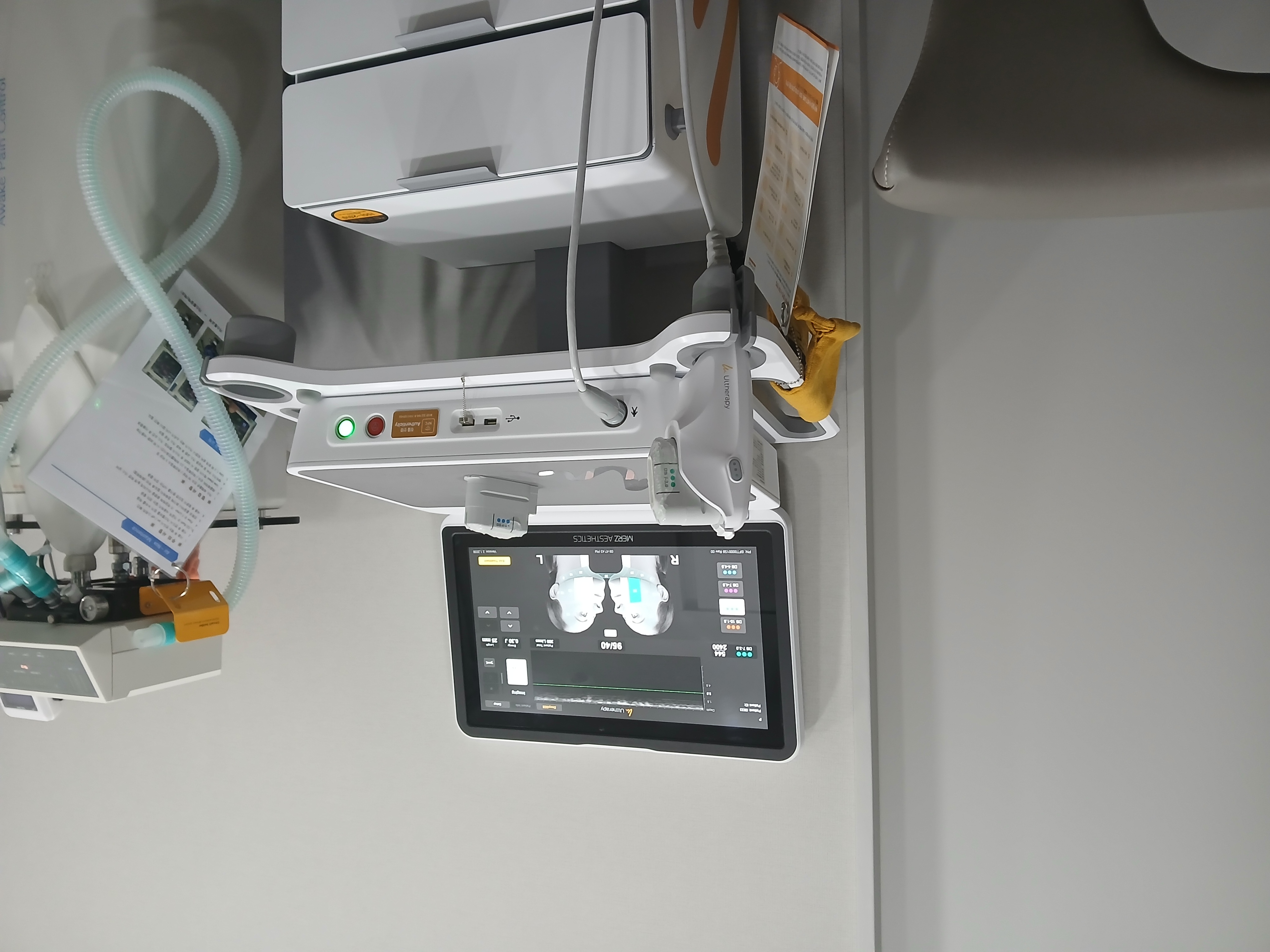
Ulthera operates using High-Intensity Focused Ultrasound (HIFU) technology, which delivers concentrated energy to specific layers of the tissue. By targeting the Superficial Muscular Aponeurotic System (SMAS), which sits deep below the skin surface, the procedure initiates a thermal coagulation response. This response stimulates the body to produce new collagen and elastin, leading to a visible lifting effect over time. During the treatment, I utilize real-time ultrasound imaging to visualize the tissue layers, ensuring that energy is delivered precisely where it is needed most. This visualization capability is a core feature of the protocol at LUNN, allowing for a high degree of accuracy. While patients may experience some discomfort during the energy delivery, we implement various pain management strategies to improve the experience. The duration of the procedure varies depending on the treatment area and the patient's specific skin condition, and most individuals observe gradual improvements in their facial contours over a period of 2 to 3 months.
The Mechanism of Thermage: Monopolar Radiofrequency Technology
Thermage utilizes monopolar radiofrequency energy to volumetrically heat the dermis and the underlying collagen-rich layers. By delivering controlled radiofrequency energy, the device causes immediate collagen contraction followed by a long-term remodeling phase. This process is particularly effective for improving skin texture, reducing the appearance of fine lines, and tightening the skin surface. The latest generation of this technology incorporates vibration and cooling mechanisms to enhance patient comfort during the procedure. At LUNN, we focus on the multi-directional delivery of this energy to ensure that the entire treatment area receives uniform heating. Because the energy targets the dermis rather than the deeper muscle layers, it provides a smoothing effect that complements the natural contours of the face. Most patients find that the skin feels firmer after the session, with the most significant texture improvements appearing over several months as the new collagen fibers mature.
Key Differences Between Deep Lifting and Surface Tightening
The primary difference between these two treatments lies in the depth of penetration and the specific tissue targeted for rejuvenation. Ulthera reaches deeper foundational structures of the face, making it ideal for sagging jawlines and brows. Conversely, Thermage focuses its energy on the dermis to tighten the skin envelope, addressing laxity on the surface level. In my clinical experience, lifting is about changing the position of the tissue, while tightening is about improving the quality of the tissue itself. Using ultrasound energy allows for a deeper reach without affecting the surface, whereas radiofrequency energy spreads through the layers to create a cohesive tightening effect. Understanding this distinction is vital for setting realistic expectations. While one focuses on the vertical elevation of the face, the other works on the horizontal density of the skin. Choosing the right one depends on whether your main concern is structural sagging or surface-level wrinkling and loss of elasticity.
Target Concerns: Choosing the Right Treatment for Your Skin Condition
Identifying the correct treatment requires a detailed assessment of your specific skin concerns, ranging from deep structural sagging to superficial fine lines. Every individual possesses a unique facial anatomy, meaning that a one-size-fits-all approach rarely yields the most harmonious results. By evaluating factors such as skin thickness and fat distribution, we can determine which energy source will provide the most effective stimulus for your skin.
When Ulthera is Recommended: Deep Muscle Sagging and Jawline Definition
Ulthera is highly recommended for individuals experiencing sagging in the lower face, particularly along the jawline and under the chin. Because this device can target the SMAS layer, it is effective for those who feel their facial contours have shifted downward. During a consultation at LUNN, I often look for signs of muscle fascia laxity which contributes to a heavy or undefined jawline. If the goal is to create a more defined silhouette and lift the brows, the focused ultrasound energy provides the necessary depth. It is also a preferred choice for patients who have sufficient subcutaneous fat, as the energy can be focused away from areas where volume loss might be a concern. By creating thermal coagulation points, we can effectively anchor the skin to the underlying muscle, providing a foundation for a more youthful appearance. This treatment is often sought by those who notice early signs of structural drooping.
When Thermage is Recommended: Fine Lines and Surface Skin Elasticity
Thermage is an excellent option for patients whose primary concerns are related to skin thinning, fine wrinkles, and a general loss of surface firmness. If you notice that your skin appears creased or lacks the snap-back quality it once had, radiofrequency tightening may be the more appropriate solution. This treatment is particularly effective for the delicate skin around the eyes and the forehead, where deep lifting might not be the primary requirement. At LUNN, we use this technology to enhance the overall radiance and smoothness of the skin by stimulating the upper and mid-dermis. It is suitable for all skin types and is often chosen by patients who want to maintain their skin density as a preventative measure. Since it does not target the deep muscle layers, it is also a safe choice for individuals with thinner faces who are concerned about maintaining their natural facial volume.
Assessing Individual Skin Thickness and Fat Distribution
A critical component of the selection process involves a physical examination of the patient's skin thickness and the amount of subcutaneous fat present. For instance, applying deep ultrasound energy to an area with very little fat requires careful management by a specialist. Conversely, using surface tightening on very thick, heavy skin might not produce a noticeable lift. I personally assess the resistance and elasticity of the tissue to determine the optimal energy settings. This bespoke approach ensures that the treatment respects the natural balance of your features. At LUNN, we prioritize structural harmony, which means we may adjust the number of lines or pulses based on the density of the specific area being treated. By understanding how your skin layers are organized, we can select the technology that will interact most favorably with your biology. This detailed diagnostic phase is essential for ensuring that the final outcome looks natural rather than overdone.
Comparative Analysis: Ulthera vs. Thermage Feature Comparison
Comparing these treatments side by side allows patients to visualize how each technology addresses different aspects of the aging process. The following table summarizes the technical specifications and clinical targets for both devices to provide a clear overview of their capabilities.
| Feature | Ulthera | Thermage FLX |
|---|---|---|
| Energy Source | Focused Ultrasound (HIFU) | Monopolar Radiofrequency (RF) |
| Primary Target | SMAS Layer (Deep Lifting) | Dermis (Surface Tightening) |
| Main Benefit | Contouring and Jawline Lift | Pores, Fine Lines, Texture |
| Visualization | Real-time Ultrasound Imaging | Not Applicable |
Treatment Depth and Energy Delivery Profiles
The depth at which energy is delivered significantly influences the type of collagen produced and the resulting aesthetic change. Ulthera uses a transducer to focus ultrasound waves into small, intense spots, creating micro-thermal zones at specific depths. This allows for a very localized stimulus that is necessary for lifting the tough muscle fascia. In contrast, Thermage delivers radiofrequency energy in a bulk heating pattern that permeates the dermis. This volumetric heating covers a larger area, which is ideal for tightening the skin's collagen network without damaging the deeper structures. At LUNN, we utilize these varying energy profiles to tailor treatments to the specific needs of each patient. The precision of these delivery systems is what allows for effective results while minimizing the impact on surrounding healthy tissue, ensuring a safe and controlled rejuvenation process.
Expected Recovery Period and Immediate Daily Life Return
One of the most significant advantages of non-surgical lifting is the minimal interruption to a patient's daily schedule. Most individuals who undergo these treatments at LUNN are able to return to their normal activities almost immediately. Following Ulthera, some patients may experience mild swelling, redness, or a slight tingling sensation that typically resolves within a few days. Thermage may result in temporary redness or a feeling of warmth in the skin, but these symptoms generally disappear within a few hours. It is important to note that while there is no significant downtime, the skin is still undergoing an internal healing and remodeling process. I advise my patients to avoid extreme temperatures, such as saunas, for about a week following the procedure to support the collagen-building phase. This convenience makes these procedures an attractive option for busy professionals who cannot afford long recovery periods.
Duration of Results and Recommended Maintenance Intervals
The longevity of the results depends on the individual's natural aging process and their commitment to skin maintenance. Generally, the effects of a single Ulthera or Thermage session are maintained for several months, with some patients enjoying benefits for a year or more. At LUNN, we recommend a personalized maintenance schedule to sustain the collagen levels. However, it is essential to remember that results vary per individual and these treatments do not stop the aging process; they simply slow its visible effects. Factors such as sun exposure and overall health will impact how long the results remain visible. I often tell my patients that the best results are seen in those who take a proactive approach to their skin health. We provide follow-up assessments to monitor the progress of your collagen remodeling and determine the ideal time for a touch-up session.
Maximizing Results: Synergy Through Combination Treatments
For many patients, the most effective way to achieve comprehensive rejuvenation is to combine both lifting and tightening technologies in a single plan. This multi-layered approach addresses the face at every level, from the deep muscle layers to the surface of the skin, creating a truly harmonious outcome.
The Rationale Behind Ulthera and Thermage Multi-Layered Approach
The philosophy of LUNN revolves around the idea that aging is a multi-dimensional process that affects all layers of the skin simultaneously. By using Ulthera to lift the foundation and Thermage to tighten the surface, we can achieve a result that neither treatment could provide alone. This synergy is particularly effective because the two energy forms do not interfere with each other; instead, they work in tandem to maximize collagen stimulation. Ultrasound energy provides the vertical support, while radiofrequency energy provides the horizontal density. I have found that patients who receive this combined protocol often report a more natural and holistic improvement in their appearance.
Case-Specific Layering Strategies for Natural Harmony
Creating a customized layering strategy involves carefully mapping the face to determine where each technology will be most beneficial. For a patient with a heavy lower face but fine wrinkles on the forehead, I might apply more Ulthera lines to the jawline and focus Thermage on the upper face. At LUNN, we also consider the timing of these treatments; while they can be performed on the same day, some patients may benefit from spacing them out. We also incorporate other modalities, such as skin boosters, to further enhance the hydration of the treated tissue. The goal is always to achieve a result that looks like a refreshed version of yourself, rather than a drastic change. You may find more details in our A Specialist's 2026 Guide to Customized Non-Surgical Lifting in Seoul.
Safety Considerations and Potential Side Effects Management
While Ulthera and Thermage are FDA-cleared, it is important to be aware of potential side effects and how they are managed. Common reactions include temporary redness, swelling, and a mild ache in the treated area, which are signs that the body is initiating its natural repair process. In rare cases, temporary numbness or small blisters may occur, though these are typically avoided with proper technique. At LUNN, I prioritize safety by conducting a thorough medical history check before every procedure. It is also important to note that individuals with certain medical implants or active skin infections should avoid these treatments. For a broader look at safety, see our A Dermatologist's 2026 Guide to Premium Multi-Layer Skin Lifting in Korea: Achieving Structural Harmony. By following all post-treatment care instructions, you can ensure a safe recovery process.
Key Takeaways
- Targeted Depth: Ulthera focuses on the deep SMAS layer for lifting, while Thermage targets the dermis for surface tightening.
- Energy Sources: Focused ultrasound and monopolar radiofrequency provide distinct biological stimuli to different skin layers.
- Synergy: Combining both treatments can offer a more comprehensive rejuvenation by addressing multiple levels of aging.
- Maintenance: Results and maintenance intervals vary by individual; annual sessions are often suggested to sustain collagen density.
- Personalization: A specialist's assessment of skin thickness and fat distribution is essential for a safe and harmonious outcome.
Frequently Asked Questions
Q. What is the primary difference between Ulthera and Thermage?
Ulthera uses high-intensity focused ultrasound to target the deep SMAS layer for lifting sagging contours, which is essential for structural elevation. In contrast, Thermage uses radiofrequency energy to tighten the skin surface by stimulating collagen production in the dermis, improving texture and fine lines. Both devices offer unique benefits depending on whether you need foundational lifting or surface-level tightening.
Q. Can I receive both Ulthera and Thermage treatments on the same day?
Yes, it is possible and often recommended to receive both treatments during the same visit to address multiple layers of the skin simultaneously. This combination, often referred to as a multi-layered approach, allows for a more comprehensive rejuvenation. We customize the energy levels for each device to ensure the procedure remains safe and effective for your specific skin type.
Q. Which treatment is better for reducing a double chin?
Ulthera is generally considered effective for addressing the double chin area because its ultrasound energy can reach the deeper layers responsible for jawline sagging. By tightening the muscle fascia and supporting the underlying structures, it helps to create a more defined silhouette. However, if the concern is also related to loose skin on the surface, a combination with Thermage may provide a more refined result.
Q. How long do the results of these lifting treatments typically last?
Individual results vary based on skin condition and lifestyle, but many patients experience effects that are maintained for several months or over a year. The new collagen produced provides lasting support, but the natural aging process will continue. Regular maintenance sessions are recommended to sustain the improvements and prevent further laxity.
Q. Is there any downtime after Ulthera or Thermage?
Most patients are able to return to their daily activities immediately after the procedure as there are no incisions. Some mild swelling, redness, or a temporary tingling sensation may occur, but these symptoms typically resolve within a few days. We provide specific aftercare instructions to help manage these minor side effects and ensure your skin recovers comfortably.
Q. Are these treatments painful during the procedure?
Patients may feel a sensation of heat or a deep tingling as the energy is delivered, which can cause some discomfort. We utilize specialized pain management protocols, including controlled cooling, to ensure the experience is as comfortable as possible for each individual. The intensity can also be adjusted by the specialist to match your personal tolerance level.
Q. Who should avoid Ulthera or Thermage treatments?
Individuals with active skin infections, certain medical implants like pacemakers, or specific health conditions affecting wound healing should consult a specialist before proceeding. A personalized diagnosis at LUNN is essential to determine if you are a suitable candidate and to ensure the treatment is performed safely. We always prioritize patient safety and will recommend alternative options if these procedures are not appropriate for you.
LUNN (Lunn Dermatology Clinic) / Director Park Hyoung-kwon For more insights, visit our Threads @dr.lunn
FAQ
- What is the primary difference between Ulthera and Thermage?
- Ulthera uses high-intensity focused ultrasound to target the deep SMAS layer for lifting sagging contours, which is essential for structural elevation. In contrast, Thermage uses radiofrequency energy to tighten the skin surface by stimulating collagen production in the dermis, improving texture and fine lines. Both devices offer unique benefits depending on whether you need foundational lifting or surface-level tightening.
- Can I receive both Ulthera and Thermage treatments on the same day?
- Yes, it is possible and often recommended to receive both treatments during the same visit to address multiple layers of the skin simultaneously. This combination, often referred to as a multi-layered approach, allows for a more comprehensive rejuvenation by providing both deep support and surface density. We customize the energy levels for each device to ensure the procedure remains safe and effective for your specific skin type.
- Which treatment is better for reducing a double chin?
- Ulthera is generally considered more effective for addressing the double chin area because its ultrasound energy can reach the deeper layers responsible for jawline sagging. By tightening the muscle fascia and supporting the underlying structures, it helps to create a more defined and lifted silhouette. However, if the concern is also related to loose skin on the surface, a combination with Thermage may provide an even more refined result.
- How long do the results of these lifting treatments typically last?
- While individual results vary based on skin condition and lifestyle, most patients experience effects that last from 6 months to over a year. The new collagen produced during the remodeling phase provides lasting support, but the natural aging process will eventually continue. Regular maintenance sessions, typically once a year, are recommended to sustain the improvements and prevent further laxity.
- Is there any downtime after Ulthera or Thermage?
- Most patients are able to return to their daily activities immediately after the procedure as there are no incisions or significant surface damage. Some mild swelling, redness, or a temporary tingling sensation may occur, but these symptoms typically resolve within a few days. We provide specific aftercare instructions to help manage these minor side effects and ensure your skin recovers comfortably.
- Are these treatments painful during the procedure?
- Patients may feel a sensation of heat or a deep tingling as the energy is delivered to the tissue layers, which can cause some discomfort. We utilize specialized pain management protocols, including topical numbing and controlled cooling, to ensure the experience is as comfortable as possible for each individual. The intensity can also be adjusted by the specialist to match your personal tolerance level.
- Who should avoid Ulthera or Thermage treatments?
- Individuals with active skin infections, certain medical implants like pacemakers, or specific health conditions affecting wound healing should consult a specialist before proceeding. A personalized diagnosis at lunnclinic is essential to determine if you are a suitable candidate and to ensure the treatment is performed safely. We always prioritize patient safety and will recommend alternative options if these procedures are not appropriate for you.