
Post
A Specialist's 2026 Guide to Customized Non-Surgical Lifting in Seoul
Customized non-surgical lifting in Seoul represents a sophisticated approach in modern dermatological care, offering a tailored method for facial rejuvenation that prioritizes individual anatomy and structural balance.
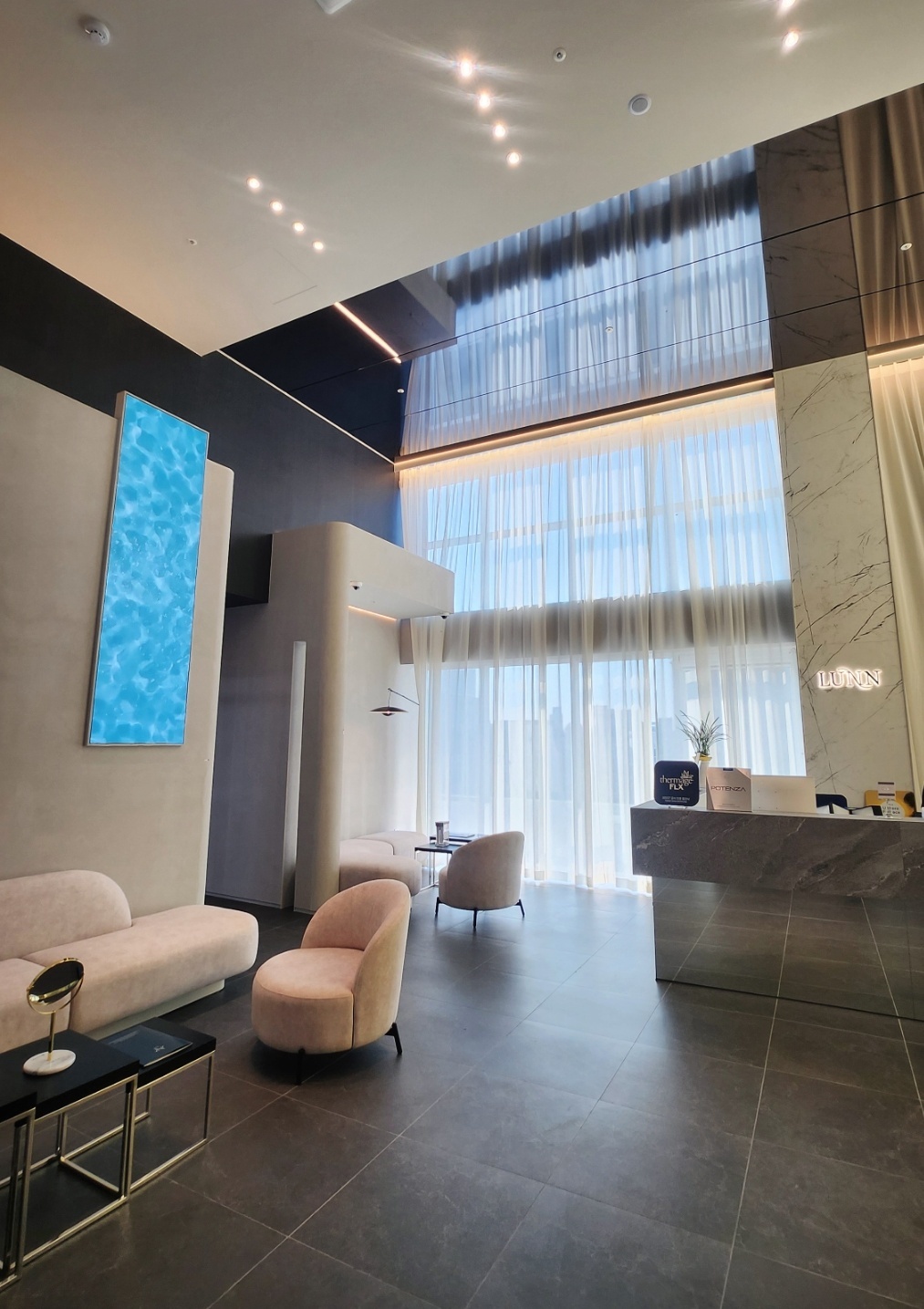
As a dermatologist, I focus on the unique details of every patient to ensure that anti-aging treatments deliver a refreshed, natural silhouette rather than a generic or overfilled appearance. This guide explores how we utilize advanced energy-based modalities and precision design to achieve harmony through subtle, purposeful adjustments. By understanding the specific needs of your skin, we can craft a treatment plan that respects your natural beauty while providing significant improvements in elasticity and contour.
Understanding Customized Non-Surgical Lifting in Seoul
Defining Non-Surgical Lifting and the LUNN Philosophy
Non-surgical lifting refers to a category of dermatological procedures designed to tighten skin and improve facial contours without invasive incisions. At Lunn Dermatology Clinic, our philosophy centers on achieving structural harmony rather than simply pulling the skin tight. The name LUNN represents four pillars: Luminary, Ultimate, Novelty, and Nobility, coming together to act as a shining guide for our patients. I believe that true rejuvenation comes from understanding the unique anatomical layers of each patient, embodying the Korean concepts of "achieving" results and "caring" for the skin with delicate attention. By focusing on precision and the subtle 1mm differences that define a person's character, we avoid the artificial look often associated with generic treatments. Our approach integrates advanced diagnostic tools with a refined aesthetic eye to ensure that every energy pulse serves a specific purpose in the overall facial design. This dedication to individualized care allows us to address specific concerns like sagging jowls while maintaining the natural expressions that define you.
Why One-Size-Fits-All Treatments Often Fail
Many patients come to LUNN seeking a more personalized approach, as standardized protocols may not always account for individual skin density and fat distribution. Every face has a different resistance in its muscle structure and varied thickness in its dermal layers. When a clinic applies the exact same energy levels and shot counts to every patient, the risk of either ineffective results or unintended volume loss increases significantly. In some cases, a patient might experience unintended volume loss in subcutaneous fat if the energy is misdirected. For instance, applying high-intensity ultrasound to a face with low subcutaneous fat can lead to cheek hollows, while insufficient energy on thick skin might yield no visible change. In my experience, successful lifting requires a dynamic adjustment of parameters during the procedure itself to complement your unique bone structure and aging pattern. We reject the factory-style model to ensure that every shot is optimized for the patient's specific tissue response and structural requirements, leading to much safer outcomes.
The Science of Aging: From Epidermis to SMAS Layers
Understanding the aging process is essential for selecting the right non-surgical intervention at Lunn Dermatology Clinic. Aging is not just a surface-level issue; it involves a complex degradation across multiple layers, from the epidermis down to the Superficial Musculoaponeurotic System, known as the SMAS layer. As we age, collagen and elastin fibers in the dermis weaken, leading to fine lines and loss of elasticity. Simultaneously, the SMAS layer, which acts as the foundation for facial soft tissue, begins to sag due to gravity and diminished structural support. To address these changes effectively, we must target specific depths with appropriate energy sources. For example, radiofrequency energy is excellent for dermal tightening and surface texture, while micro-focused ultrasound can reach the deeper SMAS layer to provide a foundational lift. By addressing aging as a multi-dimensional process, we can create a more comprehensive rejuvenation plan that respects the biological realities of your skin's unique structural composition, ensuring a lift that begins from the deepest levels.
Personalized Lifting Modalities: Ultherapy, Thermage, and Beyond
HIFU vs. Radiofrequency: Choosing the Right Energy Source
Choosing between High-Intensity Focused Ultrasound (HIFU) and Radiofrequency (RF) is a critical decision in the customized lifting process at LUNN. HIFU, often associated with Ultherapy, delivers thermal energy to the deep SMAS layer at depths of 3.0mm to 4.5mm to initiate a lifting effect from the foundation. These treatments reach temperatures of 60 to 70 degrees Celsius to stimulate robust collagen synthesis. In contrast, RF treatments like Thermage focus on the dermal layers to stimulate collagen contraction and long-term production, which improves skin texture and tightness. We evaluate your skin's laxity and thickness to determine which energy source will be most effective for your specific anatomy. If your concern is sagging along the jawline, HIFU may be the primary choice. If the focus is on smoothing fine lines and improving overall skin density, RF might be more appropriate. We ensure each device is calibrated specifically to your tissue characteristics, preventing issues like unintended fat loss while maximizing the tightening effect for a refined look.
Combining Modalities for Multidimensional Results
For many patients seeking comprehensive rejuvenation, a single-modality treatment may not be sufficient to address all aspects of facial aging. Combining distinct lifting technologies allows us to target multiple skin depths in a single session, a technique we refine daily at Lunn Dermatology Clinic. By pairing a deep-reaching ultrasound treatment with a surface-level radiofrequency session, we can achieve both a structural lift and a textural refinement. We also integrate innovative technologies like ONDA lifting, which utilizes microwave energy to target localized fat while tightening the skin. Furthermore, we often recommend 시너지(synergy) programs where skin boosters are used to hydrate the dermis before energy treatments, effectively like watering a parched field before cultivation. The key to successful combination therapy lies in the sequence and intensity of the energy delivered during these tailored sessions. We carefully plan these treatments to maximize the synergistic effects while ensuring that the skin is not over-stressed, helping in creating a balanced, refreshed appearance that looks entirely natural.
Comparison Table: Non-Surgical Lifting Technologies
| Technology | Target Layer | Primary Benefit | Typical Recovery |
|---|---|---|---|
| Ultherapy (HIFU) | SMAS Layer (4.5mm) | Foundational lifting | 1-3 days of mild tenderness |
| Thermage (RF) | Dermis (Mid/Superficial) | Skin tightening & smoothing | Near zero downtime |
| ONDA (Microwave) | Subcutaneous & Dermis | Contouring & tightening | Near zero downtime |
| Combination | Multi-layer (4.5mm-1.5mm) | Total structural harmony | 3-5 days of mild swelling |
The LUNN Approach: Designing Harmony and 1mm Precision
Pre-Procedure Design: Analyzing Muscle Resistance and Skin Density
Before any energy is applied, the most important step at LUNN is the design phase. This involves a rigorous analysis of your facial anatomy, specifically looking at how your muscles move and the relative density of your skin across refined anatomical zones. We observe your facial expressions in motion to identify areas of high resistance and potential sagging. Understanding these dynamics allows me to create a customized vector map for the lifting procedure. By identifying the specific points where the skin requires the most support, we can allocate energy pulses more efficiently. We also use tactile assessments to gauge skin elasticity, as this informs the depth and intensity settings for the devices. This pre-procedure design ensures that we are not just following a standard grid, but rather sculpting the face according to its unique biological blueprint. This level of precision, checking muscle thickness and fat distribution manually, is what differentiates a generic treatment from a truly bespoke aesthetic experience.
Vectoring Techniques for a Natural, Refined Silhouette
The success of a non-surgical lift depends heavily on the vectoring technique, which refers to the direction in which the energy is applied to pull and tighten the tissue. At Lunn Dermatology Clinic, we avoid vertical pulling that can create an unnatural look. Instead, we focus on structural vectors that mimic the natural support system of a youthful face. By carefully selecting the entry points and the direction of the thermal coagulation zones, we can subtly redefine the jawline and lift the mid-face area with 1mm precision. This technique requires an intimate knowledge of facial ligaments and how they interact with the overlying skin. During the procedure, I constantly reassess the facial contour to ensure that the lifting is symmetrical and harmonious with your other features. This meticulous attention to detail allows us to achieve a refined silhouette that enhances your natural beauty. Our goal is to provide a refreshed look that looks effortless, maintaining the essential balance of your face while correcting the visible signs of aging.
Minimizing Side Effects through Tailored Energy Delivery
While non-surgical lifting is generally considered safe, the risk of side effects like temporary redness or thermal injury still exists. At LUNN, we minimize these risks by using a tailored energy delivery system that respects the physiological limits of your skin. Rather than using aggressive settings, we opt for a precise calibration that balances efficacy with safety. We monitor the skin's response throughout the procedure, making adjustments as small as 1mm to the depth of delivery to prevent over-heating or nerve irritation. For patients with thinner skin, we may use lower energy densities across more passes to achieve the desired effect without causing irritation. We also provide cooling protocols to soothe the treated areas immediately. It is important to remember that while side effects are rare, temporary erythema or mild edema can occur. By personalizing the treatment parameters and taking a conservative approach—often preferring a slight under-correction followed by a review—we ensure that your recovery is smooth while still achieving significant results.
Safety Protocols and Post-Treatment Expectations
Managing Swelling and Redness: What to Expect Post-Procedure
After undergoing a customized non-surgical lift at Lunn Dermatology Clinic, it is common to experience some degree of temporary reaction. Most patients notice mild redness for 1 to 2 days, which typically subsides quickly. Swelling, or edema, is also a normal physiological response as the skin begins the healing and collagen-remodeling process. Depending on the intensity, this swelling may last for 3 to 5 days. We strictly recommend avoiding intense heat, such as saunas, or heavy exercise for at least 7 days (one week) to help the skin settle and prevent inflammation. Applying gentle, cool compresses can also alleviate discomfort during the first day. In some cases, patients might feel a slight tenderness along the jawline or deep within the tissue, which is a sign that the energy has reached the intended layers. We provide detailed aftercare instructions to help you manage these temporary symptoms and ensure that your skin remains protected. Proper post-care is essential for ensuring that the results develop without complications or unnecessary stress to the tissue.
Clinical Realities: Why Individual Results May Vary
It is essential for patients at LUNN to understand that the outcomes of non-surgical lifting are not uniform across all individuals. The biological response to thermal energy depends on factors such as age, lifestyle, nutrition, and baseline skin quality. For example, a patient with significant sun damage may have less viable collagen to stimulate, potentially leading to more subtle results compared to someone with healthier skin. Furthermore, individual healing rates affect how quickly the final lifting effect becomes visible. While some may see an immediate improvement due to collagen contraction, the full results usually develop over 3 to 6 months as new collagen is synthesized. We also emphasize that non-surgical options have limitations and cannot achieve the same level of tissue repositioning as a surgical facelift for severe laxity. During your scheduled follow-up, we provide a realistic evaluation of the progress, ensuring your expectations are aligned with clinical realities and your unique physiological potential for regeneration and structural improvement.
Long-term Maintenance and Lifecycle Management
Achieving a lifted appearance is not a one-time event but rather a process of ongoing lifecycle management at Lunn Dermatology Clinic. While a single session can provide noticeable improvements, the natural aging process continues to affect the skin's structure over time. To maintain the results, we typically recommend maintenance sessions every 6 to 12 months, or 1 to 2 times annually, depending on your skin's response and aging rate. This proactive approach helps to sustain the levels of collagen production and prevent significant regression. We also guide our patients on supportive skincare routines and lifestyle habits, such as consistent sun protection and hydration, which are vital for preserving treatment outcomes. By managing the aging process incrementally, we can avoid the need for more invasive procedures in the future. Our goal is to partner with you in a long-term strategy that keeps your skin looking healthy, resilient, and harmoniously contoured as the years pass, ensuring a graceful and natural aging journey through consistent and professional dermatological care.
A Dermatologist's 2026 Guide to Non-Surgical Face Lifting Cheongdam: Achieving Structural Harmony A Specialist's 2026 Guide to 1:1 Customized Dermatology Consultation in Seoul: Structural Harmony at LUNN A Specialist's 2026 Guide to a Premium Dermatologist in Cheongdam Gangnam: Achieving Structural Harmony at LUNN
Key Takeaways
- Customized non-surgical lifting targets multiple skin layers, including the SMAS layer, using tailored energy modalities for natural results.
- Precise anatomical design and 1mm adjustments are crucial to avoid an artificial look and maintain facial harmony.
- Combination therapies pairing ultrasound and radiofrequency can address both deep tissue sagging and superficial skin thinning simultaneously.
- Individual results vary based on biology, and a realistic expectation involves a 3 to 6-month development period for full effects.
- Long-term maintenance every 6 to 12 months helps sustain collagen production and manages the aging process incrementally.
Frequently Asked Questions
Q. What exactly is customized non-surgical lifting?
It is a tailored dermatological approach that selects specific energy devices, like Ultherapy or Thermage, based on an individual's skin thickness and aging pattern rather than using a standardized protocol. This ensures that the treatment depth and energy levels are optimized for your unique anatomical needs.
Q. How long do the results of a non-surgical lift typically last?
While individual results vary, most patients experience effects for 6 to 12 months. Maintenance sessions are often recommended once or twice a year to sustain collagen production and maintain the firming effect over time.
Q. Is there significant downtime after these procedures?
Most non-surgical lifting treatments involve minimal downtime, though temporary redness or mild swelling may occur. Redness typically subsides within 24 to 48 hours, while mild swelling can last up to 5 days. It is vital to avoid saunas for one week post-procedure.
Q. How is a customized lift different from a standard treatment in Seoul?
Customized lifting at LUNN involves a detailed analysis of facial shadows and muscle movement to ensure the lifting vector aligns with the patient's natural features. We focus on 1mm precision rather than following a generic factory-style grid common in high-volume clinics.
Q. Are there any side effects I should be aware of?
Potential side effects include temporary erythema, edema, or slight bruising. In rare cases, temporary numbness or unintended volume loss can occur if energy levels are not properly calibrated. Specialist precision is vital. Please note that individual results may vary.
Q. Can non-surgical lifting replace a surgical facelift?
While non-surgical options provide significant skin tightening and contouring without incisions, they cannot achieve the same level of tissue repositioning as surgery for cases with severe skin laxity. It is ideal for those seeking rejuvenation with minimal recovery time.
Q. What is the recommended age to start lifting treatments?
There is no fixed age, but many begin in their late 20s or 30s as a preventative measure to slow down the natural degradation of collagen and elastin fibers. Early intervention can help maintain skin resilience and delay more invasive procedures later in life.
Lunn Dermatology Clinic / Dr. Park Hyoung-kwon For more information, feel free to follow Threads @dr.lunn.
FAQ
- What exactly is customized non-surgical lifting?
- It is a tailored dermatological approach that selects specific energy devices, like Ultherapy or Thermage, based on an individual's skin thickness and aging pattern rather than using a standardized protocol. This ensures that the treatment depth and energy levels are optimized for your unique anatomical needs.
- How long do the results of a non-surgical lift typically last?
- While individual results vary, most patients experience effects for 6 to 12 months. Maintenance sessions are often recommended once or twice a year to sustain collagen production and maintain the firming effect over time.
- Is there significant downtime after these procedures?
- Most non-surgical lifting treatments involve minimal downtime, though temporary redness or mild swelling may occur depending on the intensity of the treatment and individual skin sensitivity. Redness typically subsides within 24 to 48 hours, while mild swelling can last up to 5 days.
- How is a customized lift different from a standard treatment in Seoul?
- Customized lifting at lunnclinic involves a detailed analysis of facial shadows and muscle movement to ensure the lifting vector aligns with the patient's natural features. We focus on 1mm precision rather than following a generic factory-style grid common in high-volume clinics.
- Are there any side effects I should be aware of?
- Potential side effects include temporary erythema, edema, or slight bruising. In rare cases, temporary numbness or fat loss can occur if energy levels are not properly calibrated to the patient's specific skin profile, which is why a specialist's precision is vital.
- Can non-surgical lifting replace a surgical facelift?
- While non-surgical options provide significant skin tightening and contouring without incisions, they cannot achieve the same level of tissue repositioning as surgery for cases with severe skin laxity. It is ideal for those seeking rejuvenation with minimal recovery time.
- What is the recommended age to start lifting treatments?
- There is no fixed age, but many begin in their late 20s or 30s as a preventative measure to slow down the natural degradation of collagen and elastin fibers. Early intervention can help maintain skin resilience and delay more invasive procedures later in life.