
Post
A Dermatologist's 2026 Guide to Non-Surgical Face Lifting Cheongdam: Achieving Structural Harmony
Non-surgical face lifting Cheongdam refers to advanced, non-invasive aesthetic procedures performed in the Cheongdam area to rejuvenate sagging skin and restore facial contours without surgical incisions.
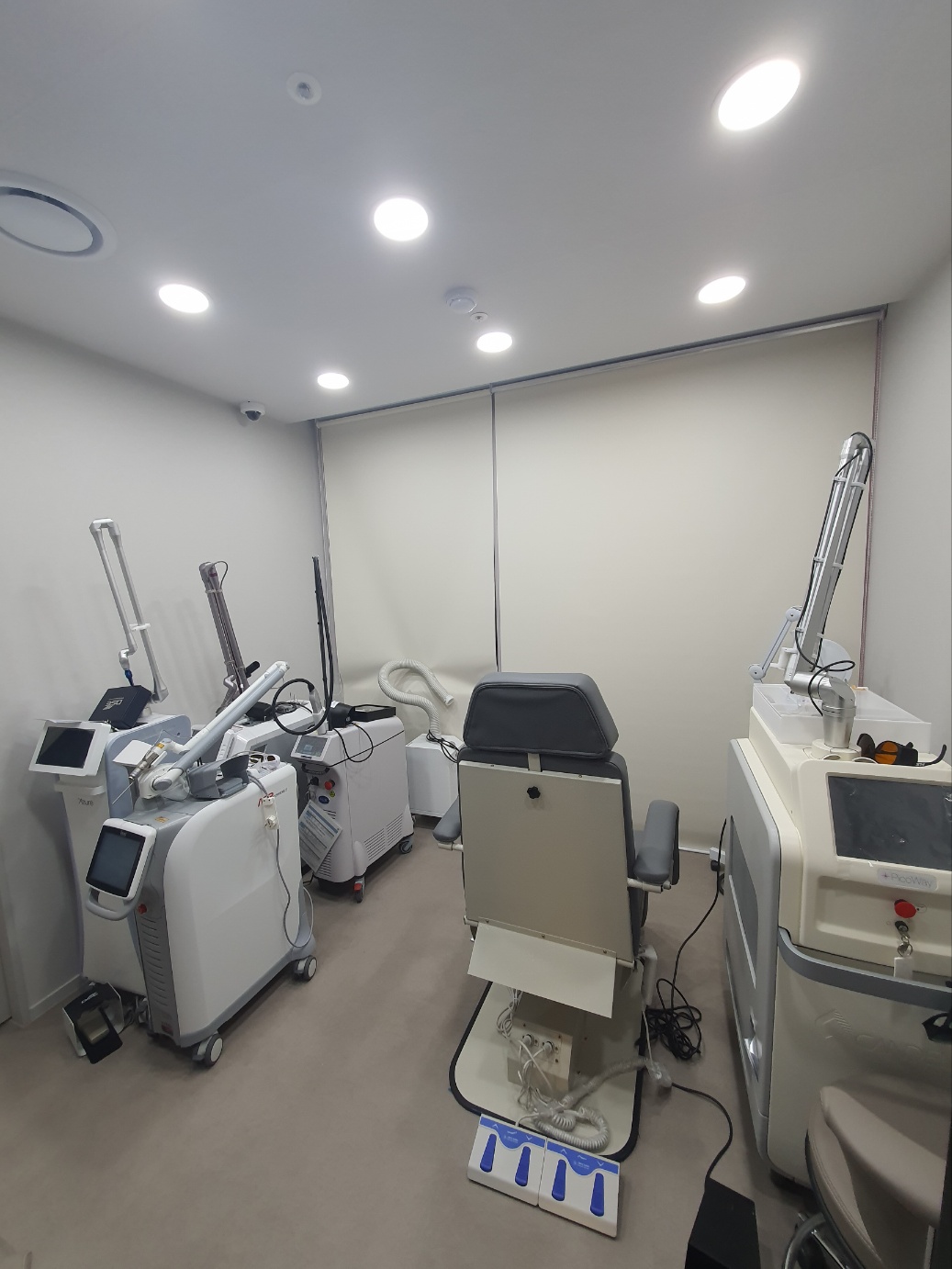
Hello, I am Dr. Hyoung Koun Park, a board-certified dermatologist at LUNN. In this comprehensive 2026 guide, I will share scientific insights on how customized energy-based treatments can help refine your facial details while preserving your natural structural harmony.
Understanding Non-Surgical Face Lifting in Cheongdam
Non-surgical face lifting in Cheongdam is defined as a personalized clinical approach that utilizes cutting-edge energy modalities to address skin laxity and structural aging without the risks associated with invasive surgery.
The Definition and Core Mechanisms of Non-Invasive Skin Tightening
Non-invasive skin tightening relies on the precise delivery of controlled thermal energy to targeted structural layers beneath the surface. Based on publicly available data, micro-focused ultrasound generates micro-coagulation zones at a depth of 4.5mm, which directly target the superficial muscular aponeurotic system layer to induce immediate tissue contraction. Concurrently, radiofrequency energy heats the dermis to a temperature range of 60 to 70 degrees Celsius, which destabilizes old collagen fibers and prompts a natural wound-healing response. Over a period of 2 to 3 months, this biological cascade stimulates the synthesis of fresh type-I and type-III collagen fibers. While these internal mechanisms work to reinforce the dermal matrix and enhance structural support, individual biological responses may vary. It is essential to recognize that non-surgical options do not physically excise tissue like traditional rhytidectomy, but they provide a sophisticated alternative for gradual, natural-looking rejuvenation.
Why Discriminating Patients Seek Custom Lifting Treatment in the Cheongdam District
Discriminating individuals frequently choose the Cheongdam district for aesthetic care because of its established reputation for meticulous, detail-oriented clinical expertise and sophisticated treatment philosophies. In this vibrant medical hub, patients do not seek cookie-cutter protocols; instead, they demand bespoke multi-layered rejuvenation programs that respect their unique structural anatomy. At LUNN, we emphasize that a mere 1mm variance in energy application depth can noticeably alter the final aesthetic outcome. According to clinical observations, utilizing standardized parameters across diverse skin phenotypes often yields suboptimal outcomes or temporary dissatisfaction. By prioritizing an evidence-first approach, specialized dermatologists carefully evaluate the specific resistance of facial muscles and the thickness of the dermis before selecting any energy parameters. This high level of customization helps address localized skin laxity while minimizing unnecessary thermal stress, making it a preferred option for those who value subtle refinement and long-term structural integrity.
Advanced Energy-Based Technologies Utilized at LUNN
Advanced energy-based technologies at LUNN involve the strategic deployment of medical devices engineered to deliver precise thermal or mechanical energy to specific depths of the cutaneous tissue.
Micro-Focused Ultrasound for Deep Structural SMAS Layer Tightening
Micro-focused ultrasound serves as a foundational modality for addressing structural laxity by operating deep within the subcutaneous architecture. This specialized technology utilizes acoustic energy focused at specific depths, primarily 3.0mm and 4.5mm, to create thousands of isolated thermal coagulation zones without disrupting the overlying epidermal layer. Based on publicly available data, these focal points experience transient temperatures exceeding 65 degrees Celsius, which is optimal for contracting the foundational SMAS layer. This deep tightening effect provides a sturdy scaffolding that supports the upper facial fat pads and skin layers. However, patients should understand that high-intensity ultrasound may cause temporary discomfort, mild swelling, or localized tenderness during or after the session. At LUNN, we meticulously tailor the energy delivery vector to match individual facial contours, ensuring that the treatment respects natural structural harmony while avoiding excessive volume loss in hollow regions. To learn more about customized settings, you can read A Dermatologist's 2026 Guide to Customized Laser Lifting in Seoul: Achieving Structural Harmony.
Monopolar Radiofrequency for Dermal Collagen Renewal and Texture Improvement
Monopolar radiofrequency represents an essential technological pillar for enhancing superficial skin elasticity, refining fine textures, and managing overall dermal density. This system delivers high-frequency electrical currents, typically at a frequency of 6.78MHz, uniformly across the treatment grid to generate volumetric heating within the reticular dermis. The uniform thermal energy primarily targets a depth of 1.1mm to 2.4mm, which triggers the immediate contraction of the existing triple-helix collagen architecture. This acute response is followed by a prolonged neocollagenesis phase that can extend for several months, leading to a denser dermal matrix and reduced pore visibility. While monopolar radiofrequency is highly reliable for superficial remodeling, potential side effects such as transient erythema or mild edema may occur post-procedure. To maximize safety and comfort, LUNN utilizes advanced cooling mechanisms that continuously protect the epidermis while allowing the deep therapeutic heat to work effectively.
Comparative Evaluation of Non-Surgical Lifting Modalities
A comparative evaluation of non-surgical lifting modalities involves analyzing the distinct physical properties, target depths, and clinical indications of ultrasound and radiofrequency technologies to determine the most suitable option for each patient.
| Parameter | Micro-Focused Ultrasound | Monopolar Radiofrequency |
|---|---|---|
| Primary Target Layer | Deep SMAS & Subcutaneous (3.0mm - 4.5mm) | Dermis & Subcutaneous (1.1mm - 2.4mm) |
| Energy Type | High-Intensity Focused Ultrasound (HIFU) | Monopolar Radiofrequency (RF) |
| Main Mechanism | Focal thermal coagulation zones | Volumetric bulk heating |
| Clinical Objective | Structural lifting and jawline contouring | Skin tightening and texture refinement |
| Expected Downtime | Minimal (Transient swelling or tenderness) | Minimal (Mild redness or temporary edema) |
Direct Comparison of Ultrasound and Radiofrequency Lifting Devices
Directly comparing ultrasound and radiofrequency systems reveals fundamental differences in energy distribution, tissue interaction, and primary clinical objectives. Ultrasound utilizes wave propagation to create isolated, high-temperature points deep within the structural layers, making it highly suitable for lifting sagging jawlines and addressing deep tissue laxity. Conversely, radiofrequency relies on electrical resistance to deliver volumetric heating throughout the dermis, which is exceptionally effective for improving skin texture and overall elasticity. These two modalities do not conflict; rather, they complement each other when combined strategically. For instance, a patient might benefit from a multi-layer lifting protocol that addresses both the deep SMAS layer and the superficial dermis. At LUNN, we perform comprehensive structural assessments to determine the appropriate ratio of ultrasound lines to radiofrequency energy, ensuring that each modality is used safely and effectively without over-treating a single anatomical zone. For insights into layered strategies, consider reviewing A Specialist's 2026 Guide to Customized Multilayer Laser Lifting: Balancing Depth and Harmony.
Matching Individual Skin Thickness with the Optimal Energy Depth
Achieving successful outcomes with energy-based devices depends heavily on precisely matching an individual's skin thickness with the correct therapeutic depth. Patients with thin skin or reduced subcutaneous fat require conservative parameters, as aggressive ultrasound treatments at deeper levels could potentially exacerbate volume loss or cause unwanted hollows. For these individuals, focusing energy within the dermal layers using radiofrequency or low-depth ultrasound transducers is often a safer and more appropriate strategy. On the other hand, patients with thicker dermis or heavier facial fat pads usually require deeper energy penetration, such as 4.5mm ultrasound adjustments, to effectively reach and contract the foundational tissue layers. At LUNN, we utilize advanced diagnostic approaches to analyze these structural variations before any procedure begins. This scientific methodology ensures that energy is never delivered blindly, thereby minimizing risks while supporting a balanced, harmonious, and natural-looking facial rejuvenation process.
Managing Expectations, Potential Risks, and Essential Aftercare
Managing expectations, potential risks, and aftercare involves educating patients about the normal physiological responses to energy treatments and establishing strict clinical protocols to protect the skin during its healing phase.
Understanding Normal Post-Treatment Responses Including Temporary Redness and Swelling
Educating patients about normal post-treatment responses is essential for ensuring a comfortable recovery and preventing unnecessary anxiety after an energy-based procedure. Following a lifting session, it is common to experience transient erythema, mild edema, or a slight tingling sensation in the treated areas. These responses typically emerge immediately due to the controlled thermal energy delivered to the tissue and generally resolve spontaneously within a few hours to a few days. Based on clinical observations, some individuals may also notice a mild, deep-tissue tenderness that can persist for up to 2 weeks, which simply indicates that the structural layers are undergoing a natural remodeling process. However, rare complications such as temporary blistering or superficial nerve irritation can occur if inappropriate parameters are used. Understanding these possibilities allows patients to maintain realistic expectations and recognize that gradual structural changes develop progressively over several months.
Clinical Protocols for Maximizing Results and Long-Term Skin Maintenance
Implementing rigorous clinical protocols and strict aftercare routines is critical for maximizing the longevity of non-surgical lifting outcomes and protecting the skin matrix. Immediately after a treatment, the cutaneous barrier requires intensive moisturization and gentle skin care products to support the healing tissue. Patients must practice diligent daily sun protection by applying a broad-spectrum sunscreen to prevent post-inflammatory hyperpigmentation while the dermis remains sensitive. It is also recommended to avoid extreme temperatures, such as saunas, hot baths, or strenuous exercise, for at least 1 week post-procedure to prevent additional inflammation. At LUNN, we emphasize that long-term skin maintenance involves structured touch-up sessions, typically scheduled at intervals of 6 to 12 months, depending on individual skin aging rates and lifestyle factors. Adhering to these professional guidelines helps sustain collagen density and ensures that the structural refinements achieved remain stable and beautifully balanced over time.
Key Takeaways
- Non-surgical face lifting Cheongdam utilizes advanced energy-based modalities to stimulate natural collagen production and tighten deep tissue layers without incisions.
- Custom treatments at LUNN involve precisely matching ultrasound (3.0mm/4.5mm) and radiofrequency (6.78MHz) technologies to individual skin thickness and facial structures.
- Mild post-treatment responses such as temporary redness, swelling, and deep tenderness are normal and typically resolve within a few hours to days.
- Long-term maintenance and adherence to strict aftercare protocols, including sun protection and regular touch-up sessions, are vital for sustaining results.
Frequently Asked Questions
Q. What is a non-surgical face lift and how does it function?
A. A non-surgical face lift utilizes advanced energy modalities, such as ultrasound or radiofrequency, to stimulate natural collagen production deep within the skin layers. This process tightens the structural tissue and improves skin laxity without the need for surgical incisions. Individual results may vary based on skin type and age.
Q. What is the cost of non-surgical face lifting treatments at LUNN?
A. The pricing for lifting treatments varies depending on the specific device selected, the area being treated, and the total number of sessions required. A detailed clinical consultation is necessary to provide an accurate, customized pricing structure tailored to your needs. We do not offer arbitrary package discounts to ensure medical integrity.
Q. Are there any side effects or risks associated with these procedures?
A. Patients may experience mild redness, swelling, or temporary tenderness in the treated area immediately following the procedure. These common responses are typically mild and resolve spontaneously within a few hours to days. Rare risks include temporary blistering or superficial nerve sensitivity, which are managed through precise energy calibrations.
Q. How long do the results of a non-invasive lifting procedure typically endure?
A. The longevity of the tightening effect depends on individual skin condition, age, and lifestyle factors. Results often become visible gradually over two to three months as new collagen forms and can last for several months. Regular maintenance sessions help sustain the effects over a longer period.
Q. Is the non-surgical face lift a completely comfortable procedure?
A. Discomfort levels vary among individuals based on skin sensitivity and the specific treatment depth. While some warmth or tingling is expected as energy delivers to the tissue, topical numbing options are utilized to manage patient comfort effectively. Our clinical team continuously monitors your response during the session.
Q. What alternatives exist if I have thin skin and low tolerance for ultrasound treatments?
A. For individuals with thin skin or specific structural concerns, radiofrequency treatments or targeted collagen-stimulating injectables can serve as suitable alternatives to address skin laxity safely and effectively. These modalities focus on dermal density rather than deep SMAS contraction, preventing hollow appearances. A specialized consultation will determine the safest approach.
Q. How should a patient prepare for and recover after a lifting session?
A. No complex preparation is needed before the appointment. Post-treatment care involves generous moisturization, strict daily sun protection, and avoiding extreme temperatures, such as saunas or hot baths, for a brief period following the session. Following these steps helps protect the healing dermal matrix and optimizes the final outcome.
For personalized advice regarding non-surgical face lifting Cheongdam, consider scheduling a thorough diagnostic evaluation. LUNN / Dr. Hyoung Koun Park (Threads @dr.lunn)
FAQ
- What is a non-surgical face lift and how does it function?
- A non-surgical face lift utilizes advanced energy modalities, such as ultrasound or radiofrequency, to stimulate natural collagen production deep within the skin layers. This process tightens the structural tissue and improves skin laxity without the need for surgical incisions. Individual results may vary based on skin type and age.
- What is the cost of non-surgical face lifting treatments at lunnclinic?
- The pricing for lifting treatments varies depending on the specific device selected, the area being treated, and the total number of sessions required. A detailed clinical consultation is necessary to provide an accurate, customized pricing structure tailored to your needs. We do not offer arbitrary package discounts to ensure medical integrity.
- Are there any side effects or risks associated with these procedures?
- Patients may experience mild redness, swelling, or temporary tenderness in the treated area immediately following the procedure. These common responses are typically mild and resolve spontaneously within a few hours to days. Rare risks include temporary blistering or superficial nerve sensitivity, which are managed through precise energy calibrations.
- How long do the results of a non-invasive lifting procedure typically endure?
- The longevity of the tightening effect depends on individual skin condition, age, and lifestyle factors. Results often become visible gradually over two to three months as new collagen forms and can last for several months. Regular maintenance sessions help sustain the effects over a longer period.
- Is the non-surgical face lift a completely comfortable procedure?
- Discomfort levels vary among individuals based on skin sensitivity and the specific treatment depth. While some warmth or tingling is expected as energy delivers to the tissue, topical numbing options are utilized to manage patient comfort effectively. Our clinical team continuously monitors your response during the session.
- What alternatives exist if I have thin skin and low tolerance for ultrasound treatments?
- For individuals with thin skin or specific structural concerns, radiofrequency treatments or targeted collagen-stimulating injectables can serve as suitable alternatives to address skin laxity safely and effectively. These modalities focus on dermal density rather than deep SMAS contraction, preventing hollow appearances. A specialized consultation will determine the safest approach.
- How should a patient prepare for and recover after a lifting session?
- No complex preparation is needed before the appointment. Post-treatment care involves generous moisturization, strict daily sun protection, and avoiding extreme temperatures, such as saunas or hot baths, for a brief period following the session. Following these steps helps protect the healing dermal matrix and optimizes the final outcome.