Post
A Dermatologist's 2026 Guide to Customized Laser Lifting in Seoul: Achieving Structural Harmony
Hello, I am Dr. Hyung-kwon Park, a dermatologist at Lunn Dermatology Clinic. A customized laser lifting Seoul program represents a sophisticated approach to anti-aging that tailors energy-based treatments to individual facial structures rather than using factory presets.
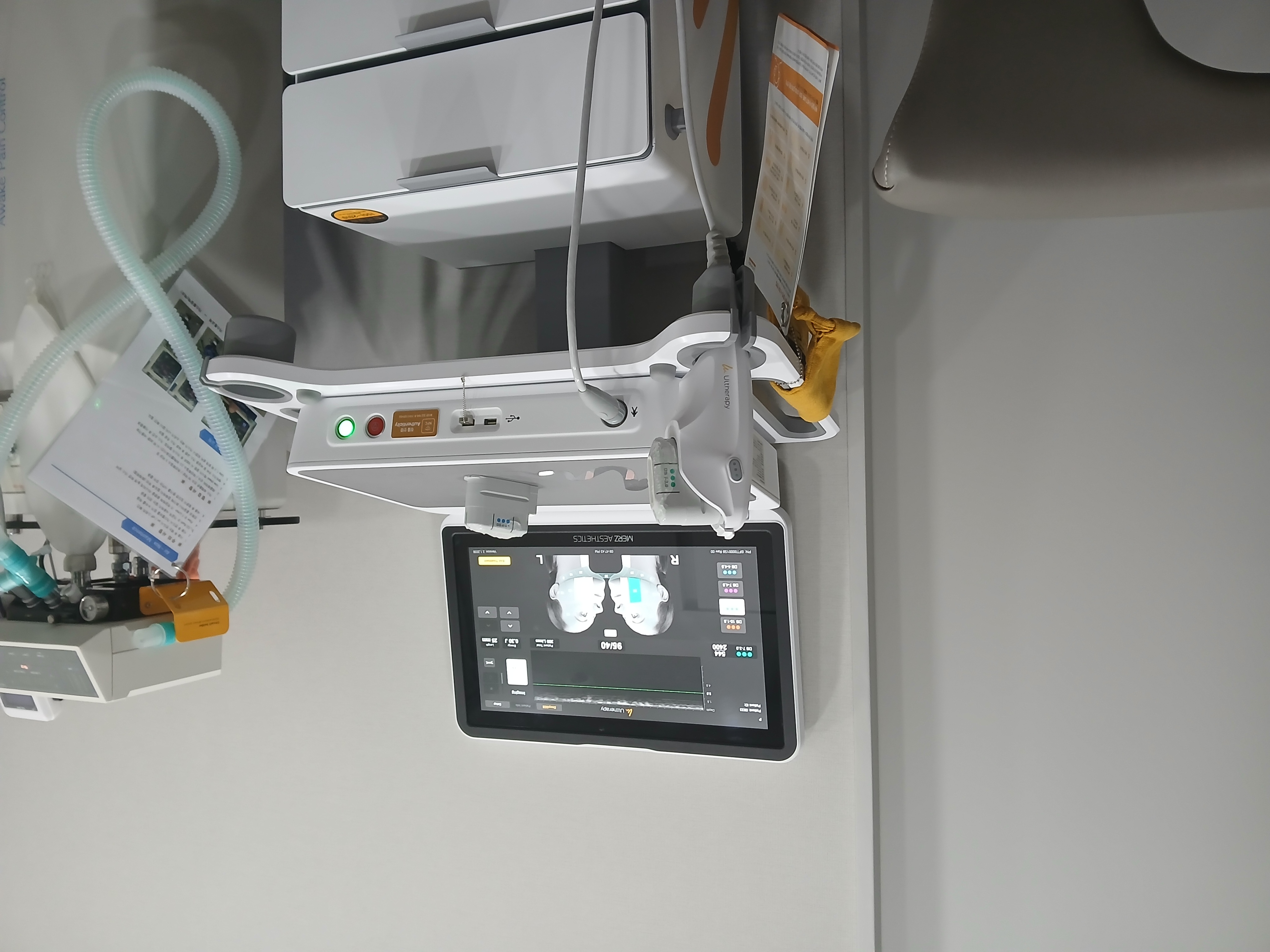
By focusing on the unique anatomical variations of each patient, this guide provides a clear roadmap to achieving balanced, long-lasting facial rejuvenation in 2026.
1. Understanding Customized Laser Lifting in Seoul
Customized laser lifting in Seoul refers to a personalized aesthetic intervention that uses targeted energy modalities to tighten, lift, and rejuvenate aging facial tissues based on an individual's unique anatomical needs.
Defining Tailored Energy Delivery for Facial Rejuvenation
Delivering energy to aging skin requires extreme precision to ensure optimal collagen stimulation without causing unnecessary thermal damage. Tailored energy delivery means that the dermatologist carefully adjusts the specific power outputs, pulse widths, and cooling intervals based on the patient's immediate skin feedback and structural thickness. For example, treating delicate areas like the periorbital region demands a lower depth setting compared to the thicker dermal layers found near the jawline. According to publicly available clinical guidelines, adjusting these technical parameters can prevent adverse events such as fat atrophy or surface burns while maximizing skin elasticity. At LUNN, we focus heavily on these technical adaptations during every single session. Patients receive a fully individualized matrix of energy delivery that matches their real-time dermal conditions, which ensures that the treatment respects the inherent boundaries of the facial tissue while promoting healthy cellular renewal.
Why Standardized Lifting Protocols May Lead to Suboptimal Results
Relying on standardized or factory-preset treatment protocols often overlooks the significant variations in individual skin density, fat volume, and structural aging patterns. When a practitioner applies a uniform number of lines or shots across every patient, the energy may penetrate too deeply or too shallowly, leading to subpar tightening or accelerated volume loss. For instance, an aggressive application of high-intensity energy on a patient with thin dermal walls can compromise tissue health, whereas insufficient energy delivery on thicker skin will yield negligible improvements. This uniform approach fails to address specific problematic zones, such as deep nasolabial folds or early jowl formation, leaving patients dissatisfied with their investments. Personalized analysis ensures that energy is distributed strategically, correcting asymmetry and respecting individual anatomical thresholds. Individuals seeking predictable outcomes must move away from generic packages and opt for meticulous, provider-led customization to achieve meaningful structural balance.
The Anatomy of Skin Aging and Targeted Tissue Layers
True facial rejuvenation relies on a thorough understanding of the distinct layers comprising the facial architecture, from the superficial epidermis down to the deep muscular aponeurotic system. As biological aging progresses, collagen production decreases inside the mid-dermal layer, while the supportive ligament networks within the deeper fascial planes begin to loosen gradually. To address these multi-layered changes, advanced dermatological devices must target multiple depths, such as the 1.5mm, 3.0mm, and 4.5mm zones, to ensure cohesive structural support. By addressing both the deep structural foundations and the superficial skin texture simultaneously, practitioners can stimulate a comprehensive healing cascade that naturally lifts sagging contours over time. Understanding these specific structural layers allows for the precise application of complementary energy types, ensuring that each layer receives the exact stimulus required for regeneration. This structural methodology forms the bedrock of advanced anti-aging procedures performed safely within modern clinical environments.
2. Comparing Modalities: A Personalized Matrix for Advanced Lifting
A personalized matrix for advanced lifting represents a comparative framework used by specialized practitioners to select and combine specific energy-based technologies, such as radiofrequency and high-intensity focused ultrasound, based on a patient's precise tissue profile.
High-Intensity Focused Ultrasound vs Radiofrequency Technologies
High-intensity focused ultrasound and radiofrequency technologies utilize fundamentally different energy forms to trigger thermal coagulation and subsequent collagen synthesis within the skin. High-intensity focused ultrasound delivers concentrated acoustic energy to deep structural layers, specifically targeting the fascial plane to create micro-thermal zones that pull sagging tissues upward. Conversely, radiofrequency technology uses volumetric electrical energy to heat the dermal layers uniformly, which optimizes skin tightening, smooths fine lines, and improves overall surface texture. Choosing between these modalities depends heavily on whether a patient requires foundational lifting or superficial tightening. According to publicly available clinical guidelines, combining these two energy sources can produce complementary structural benefits, provided they are applied with appropriate intervals. At LUNN, we utilize a personalized diagnostic protocol to determine which specific technology or combination will best suit your skin, ensuring that energy is delivered safely without overloading the dermal architecture.
Comparative Analysis Matrix of Thermage, Ultherapy, and ONDA
Selecting the most appropriate device requires a clear evaluation of leading technologies, including monochromatic radiofrequency, micro-focused ultrasound, and localized microwave systems. Thermage excels at volumetric dermal tightening by heating large fields, making it ideal for thin, crepey skin. Ultherapy focuses intense acoustic energy precisely at deeper supportive levels to address structural sagging along the jawline. ONDA utilizes specialized microwave frequencies to target localized fat deposits and superficial collagen networks efficiently, refining contour lines without excessive surface heat. Each system possesses unique benefits and inherent technical limitations, which means that a single machine cannot solve every aging concern. A side-by-side comparison reveals that the optimal device depends entirely on the patient's specific tissue characteristics and structural goals. Understanding these distinct technological properties allows for the creation of a sophisticated, multi-device strategy designed to optimize long-term skin health.
| Technology / Device | Primary Energy Source | Main Target Layer | Ideal Skin Profile | Expected Experience |
|---|---|---|---|---|
| Thermage | Monopolar Radiofrequency | Dermis (Superficial to Mid) | Fine lines, loose or thin skin texture | Deep heating sensation with cooling |
| Ultherapy | Micro-focused Ultrasound | SMAS / Deep Fascial Layer | Structural sagging, jawline laxity | Localized tingling or deep warmth |
| ONDA | Coolwaves (Microwave) | Subcutaneous Fat & Dermis | Localized fat, contour irregularities | Comfortable surface cooling effect |
Selecting the Optimal Device Based on Specific Skin Density
The selection of a lifting device must be guided by a precise evaluation of the patient's skin density and underlying fat distribution. Patients presenting with dense dermal layers and prominent adipose tissue often respond excellently to micro-focused ultrasound, which can penetrate deeply to anchor loose structural tissue. On the other hand, individuals with thinner, delicate skin structures are better suited for radiofrequency treatments that rebuild collagen density volumetrically without risking unwanted fat reduction. Failing to match the device to the appropriate skin density can lead to unsatisfactory results or prolonged recovery periods. Practitioners must evaluate these structural parameters through meticulous physical examinations prior to configuring any energy parameters. By tailoring the device selection to the patient's exact anatomical profile, we minimize potential side effects while ensuring the skin receives a highly compatible treatment stimulus. This careful diagnostic phase is essential for achieving balanced, natural facial harmony.
3. The LUNN Philosophy: Structural Precision and Harmony
The LUNN philosophy centers on a meticulous, detail-oriented approach to non-invasive facial rejuvenation that prioritizes anatomical harmony, natural expressions, and individualized structural adjustments over standardized anti-aging procedures.
Designing the 1mm Difference in Facial Architecture
Achieving a natural appearance requires recognizing that even a 1mm shift in facial contours can significantly alter an individual's overall expression and facial balance. At LUNN, we reject generic, high-volume treatments that treat every face identical, choosing instead to focus on the subtle architectural nuances of each patient. By analyzing how light and shadow interact with your unique facial features, we can identify specific areas where precise energy placement will yield the most harmonious improvements. This rigorous attention to detail ensures that the lifting effect remains entirely natural, avoiding the stiff or over-tightened appearance associated with generic procedures. Every treatment path is mapped out with millimeter-level precision, ensuring that the final outcome complements your inherent beauty while restoring youthful structural definition. Our focus remains steadfast on delivering subtle, sophisticated enhancements that stand the test of time while fully preserving your unique identity. For a deeper look at our consultative approach, consider reading our comprehensive guide on A Specialist's 2026 Guide to 1:1 Customized Dermatology Consultation in Seoul: Structural Harmony at LUNN.
Layered Treatment Mapping Developed by Dr. Hyung-kwon Park
To deliver predictable and safe results, I have developed a specialized layered treatment mapping technique that systematically addresses the distinct anatomical planes of the face. This proprietary methodology involves mapping the facial structure into separate zones, allowing for the precise application of different energy modalities across three to five distinct depths. By customizing the delivery vector and energy intensity for each specific zone, we can address localized concerns such as mid-face sagging or jawline laxity simultaneously. This multi-layered approach ensures that the supportive deep tissues are lifted effectively while the superficial dermis receives adequate collagen stimulation. At LUNN, this thorough mapping process is performed personally during your initial assessment, providing a customized blueprint that guides the entire treatment process. This disciplined focus on layered customization helps minimize systemic tissue stress while maximizing the overall longevity and balance of your rejuvenation outcomes.
Balancing Natural Facial Expressions and Muscle Resistance
An essential component of advanced facial lifting is maintaining the natural dynamics of facial expressions and accounting for individual muscular resistance. When energy-based treatments ignore the constant movement of facial muscles, the resulting lift can look unnatural or restrict everyday expressions. Our customized protocols analyze how your muscles contract and interact during natural speech and smiling, ensuring that the vectors of energy delivery complement rather than oppose these movements. This sophisticated planning prevents the rigid, mask-like outcomes that often occur with uncalibrated treatments. By respecting the natural resistance of the facial musculature, the lifting effect enhances your expressions rather than flattening them. To understand how this balances with other advanced modalities, you can explore our detailed insights in A Specialist's 2026 Guide to Customized Multilayer Laser Lifting: Balancing Depth and Harmony. This holistic strategy helps ensure that your results remain natural and expressive, though individual responses may vary.
4. Clinical Realities: Side Effects, Downtime, and Maintenance
Clinical realities encompass the expected physiological responses, necessary post-treatment care, and long-term maintenance cycles associated with non-invasive energy-based lifting procedures.
Managing Temporary Redness, Swelling, and Mild Discomfort
While customized energy treatments are non-invasive, patients should expect mild, temporary physiological responses as the skin initiates its natural healing cascade. Mild erythema, slight swelling, and a localized warming sensation are common occurrences immediately following a session and typically resolve within a few hours to several days. To maintain clinical safety and comfort, Lunn Dermatology Clinic utilizes advanced cooling systems and customized topical numbing agents during the procedure. Rare side effects, such as minor blistering, transient numbness, or temporary contour irregularities, can occasionally occur due to individual tissue sensitivity, but these generally subside with proper medical attention. It is crucial to monitor your skin's recovery closely and follow all clinical instructions to ensure an uncomplicated healing process. Understanding these expected realities helps patients approach their aesthetic journey with realistic expectations and peace of mind, knowing that temporary inflammation is simply a normal precursor to successful collagen regeneration.
Expected Timelines for Gradual Collagen Synthesis
The visible transformation following a customized energy session is a gradual process that aligns with the body's natural collagen production timeline. While some patients notice an immediate tightening effect due to temporary heat-induced collagen contraction, the true structural enhancements develop progressively over two to three months. During this active period, the fibroblasts within the dermis continuously produce new structural proteins, gradually improving skin density, elasticity, and overall contour definition. Individual timelines can vary significantly based on factors such as age, metabolic rate, and pre-existing skin conditions, meaning that patience is essential for evaluating final outcomes. To discover how these foundational treatments can be augmented with localized procedures, you may review A Specialist's 2026 Guide to Anti-Aging Aesthetic Clinic Cheongdam: Achieving Structural Harmony. Periodic maintenance sessions scheduled every six to twelve months are typically recommended to sustain these structural benefits over time.
Essential Post-Treatment Care Protocols for Safe Healing
Maximizing the longevity of your lifting results requires a diligent commitment to proper post-treatment care and skin protection. Immediately following a session, the skin's barrier is temporarily vulnerable, making it essential to apply mild, non-irritating moisturizers and a broad-spectrum sunscreen daily. Patients must avoid extreme thermal exposure, such as hot saunas, strenuous exercise, or direct sunlight, for at least one week to prevent exacerbating temporary swelling or redness. Additionally, exfoliating agents, retinoids, or harsh chemical treatments should be paused until the skin has completely recovered. Maintaining optimal hydration by drinking plenty of water and using gentle skincare formulations supports the ongoing dermal remodeling process effectively. By adhering strictly to these clinically validated aftercare protocols, you protect your investment and provide your skin with the ideal environment to synthesize new collagen safely, ensuring a smooth, beautiful transition to a refreshed and balanced appearance.
Key Takeaways
- Individually Calibrated Parameters: Tailoring energy depth and intensity parameters to unique skin thicknesses prevents complications and optimizes results.
- Multi-Layered Strategic Mapping: Targeting multiple anatomical planes including the dermis and SMAS layer ensures holistic structural lifting.
- Preservation of Natural Expression: Planning energy delivery vectors in accordance with muscular dynamics prevents rigid or mask-like results.
- Gradual Realization of Benefits: True structural enhancements materialize progressively over two to three months as fresh collagen synthesis matures.
Frequently Asked Questions
Q. What exactly does a customized laser lifting procedure entail?
A customized laser lifting procedure involves adjusting energy levels, pulse durations, and depth parameters according to an individual's unique skin thickness, fat distribution, and aging patterns. Instead of utilizing uniform factory settings, this approach adapts the technology to target specific dermal and fascial layers precisely. This personalization ensures optimal structural support and tissue regeneration while minimizing unnecessary trauma.
Q. Is the customized laser lifting treatment completely painless?
While the procedure is not entirely painless, any discomfort is systematically managed using customized topical numbing creams or specialized device-integrated cooling systems. Most patients describe the feeling as a manageable deep heating or localized tingling sensation during energy delivery. Individual pain thresholds can vary, and adjustments can be made in real-time to maintain comfort.
Q. How much does a personalized laser lifting session cost in Seoul?
The cost of personalized treatments varies widely based on the specific combination of devices, the total number of energy shots required, and the complexity of the facial structure. Because each plan is fully tailored to individual needs, standard pricing structures rarely apply. A detailed face-to-face consultation is required to evaluate your skin condition and determine an accurate pricing plan.
Q. What are the primary side effects and risks associated with lifting lasers?
Expected and temporary side effects include mild redness, transient swelling, and localized skin tenderness post-treatment. While rare, potential risks such as minor blistering, temporary numbness, or minor contour irregularities can occur due to unique tissue responses. These issues are typically manageable and resolve successfully with appropriate medical aftercare and guidance.
Q. How much downtime should I plan for after my treatment session?
Most non-invasive energy treatments require minimal social downtime, allowing you to return to normal daily routines almost immediately. You may experience mild puffiness or skin erythema for a few hours up to several days depending on your skin sensitivity. Following the prescribed gentle skincare protocol helps ensure a smooth and rapid recovery.
Q. How long do the results of a customized lifting session typically last?
Initial tissue tightening may be visible early on, but optimal structural outcomes generally manifest over a period of two to three months as new collagen forms. The longevity of the lifting effect depends heavily on individual lifestyle factors and baseline skin conditions. Periodic maintenance sessions scheduled every six to twelve months are typically recommended to sustain results.
Q. What alternative procedures are available if energy-based lifting is not suitable?
For individuals with specific contraindications to energy devices, alternative options such as targeted skin boosters using PDLLA or PN formulations can be utilized. Customized thread lifting treatments may also be considered to provide mechanical structural support where appropriate. A comprehensive dermatological assessment is essential to identify the safest alternative for your unique goals.
For personalized guidance or to plan your treatment profile, please connect with us directly or follow our updates on Threads @dr.lunn.
Lunn Dermatology Clinic / Dr. Hyung-kwon Park
FAQ
- What exactly does a customized laser lifting procedure entail?
- A customized laser lifting procedure involves adjusting energy levels, pulse durations, and depth parameters according to an individual's unique skin thickness, fat distribution, and aging patterns. Instead of utilizing uniform factory settings, this approach adapts the technology to target specific dermal and fascial layers precisely. This personalization ensures optimal structural support and tissue regeneration while minimizing unnecessary trauma.
- Is the customized laser lifting treatment completely painless?
- While the procedure is not entirely painless, any discomfort is systematically managed using customized topical numbing creams or specialized device-integrated cooling systems. Most patients describe the feeling as a manageable deep heating or localized tingling sensation during energy delivery. Individual pain thresholds can vary, and adjustments can be made in real-time to maintain comfort.
- How much does a personalized laser lifting session cost in Seoul?
- The cost of personalized treatments varies widely based on the specific combination of devices, the total number of energy shots required, and the complexity of the facial structure. Because each plan is fully tailored to individual needs, standard pricing structures rarely apply. A detailed face-to-face consultation is required to evaluate your skin condition and determine an accurate pricing plan.
- What are the primary side effects and risks associated with lifting lasers?
- Expected and temporary side effects include mild redness, transient swelling, and localized skin tenderness post-treatment. While rare, potential risks such as minor blistering, temporary numbness, or minor contour irregularities can occur due to unique tissue responses. These issues are typically manageable and resolve successfully with appropriate medical aftercare and guidance.
- How much downtime should I plan for after my treatment session?
- Most non-invasive energy treatments require minimal social downtime, allowing you to return to normal daily routines almost immediately. You may experience mild puffiness or skin erythema for a few hours up to several days depending on your skin sensitivity. Following the prescribed gentle skincare protocol helps ensure a smooth and rapid recovery.
- How long do the results of a customized lifting session typically last?
- Initial tissue tightening may be visible early on, but optimal structural outcomes generally manifest over a period of two to three months as new collagen forms. The longevity of the lifting effect depends heavily on individual lifestyle factors and baseline skin conditions. Periodic maintenance sessions scheduled every six to twelve months are typically recommended to sustain results.
- What alternative procedures are available if energy-based lifting is not suitable?
- For individuals with specific contraindications to energy devices, alternative options such as targeted skin boosters using PDLLA or PN formulations can be utilized. Customized thread lifting treatments may also be considered to provide mechanical structural support where appropriate. A comprehensive dermatological assessment is essential to identify the safest alternative for your unique goals.