
Post
A Dermatologist’s 2026 Guide to Non-surgical Facelift in Korea: Achieving Structural Harmony
A non-surgical facelift is a medical approach to facial rejuvenation that utilizes advanced energy devices and injectables to lift sagging skin and restore volume without the need for invasive surgery.
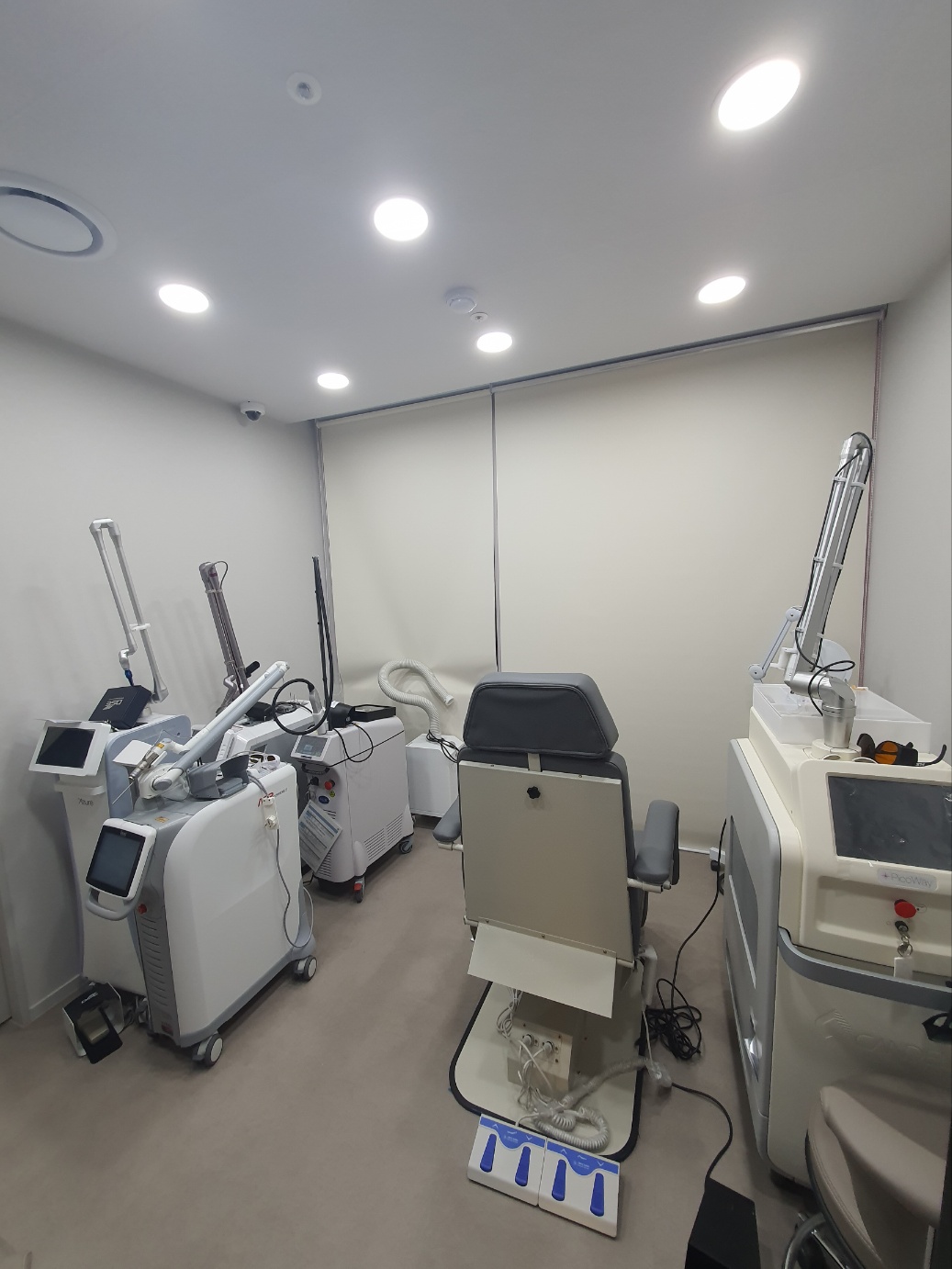
In the landscape of modern aesthetics, the demand for natural results with minimal downtime has led to a significant evolution in how we treat the aging face. At LUNN, I focus on the concept of 'Structural Harmony,' ensuring that every adjustment respects the unique anatomical balance of my patients. This guide provides a detailed look at the technologies and philosophies that define the current standard of care in Seoul.
Understanding Non-surgical Facelift in Korea: A Minimally Invasive Approach to Rejuvenation
A non-surgical facelift represents a holistic category of treatments designed to counteract the effects of gravity and volume loss through technological intervention rather than manual excision. This approach allows for the gradual tightening of the skin and underlying tissues, providing a refreshed appearance that emerges over weeks rather than the immediate, often drastic change associated with the operating room. At LUNN, we emphasize that these procedures are not just about skin tightening, but about restoring the underlying support systems of the face.
What Defines a Non-surgical Facelift at LUNN?
A non-surgical facelift is a comprehensive rejuvenation strategy that utilizes medical technology to lift sagging tissues and restore volume without making surgical incisions. At LUNN, we define this procedure not simply as a series of injections, but as a sophisticated 'Layered Structural Design.' This method targets the superficial musculoaponeurotic system (SMAS) layer, the deep dermis, and the epidermis simultaneously to ensure a multidimensional lift. By focusing on the structural integrity of the face, we aim to harmonize the transitions between different facial zones, such as the jawline and the mid-face. In my clinical experience, a significant majority of patients seeking facial contouring prefer these minimally invasive routes due to the reduced recovery time compared to traditional surgery. We meticulously analyze the specific vector of skin laxity to apply the exact amount of energy or material required. This approach allows us to achieve natural-looking results that respect the unique anatomy of each individual while addressing the fundamental causes of aging. However, it is important to note that individual results may vary based on skin condition and lifestyle factors.
Why Global Patients Seek Non-surgical Solutions in Gangnam
Medical tourism in the Gangnam district is driven by the convergence of high-tier technology and specialized expertise in non-invasive facial procedures. Global patients seek non-surgical solutions here because the density of board-certified dermatologists allows for a highly competitive and refined level of care. At LUNN, I observe that patients from various continents prioritize the 'K-Beauty' aesthetic, which focuses on subtlety and skin health rather than an obviously 'worked on' appearance. Many international patients in Seoul dermatology clinics are now specifically inquiring about combination lifting protocols. These patients often value the ability to undergo efficient procedures that allow them to return to their normal activities relatively quickly. While redness typically subsides within 24 hours, I advise my patients that mild swelling can persist for 2 to 3 days, so travel plans should be adjusted accordingly. The integration of cutting-edge devices with a focus on 'Structural Harmony' makes Seoul a destination for those who want sophisticated non-surgical outcomes. My practice is dedicated to maintaining this standard by providing evidence-based treatments tailored to a global clientele.
Core Technologies and Methods for Lifting without Surgery
Core technologies for non-surgical lifting involve energy-based devices and biological stimulants that trigger the body’s natural healing response to produce new collagen and elastin. These methods are categorized by their primary mechanism of action, such as thermal coagulation or mechanical stimulation. By understanding the science behind these tools, we can select the most appropriate modality for each patient's specific skin thickness and degree of laxity. At LUNN, I combine these technologies to create a synergistic effect that addresses multiple layers of the skin.
High-Intensity Focused Ultrasound (HIFU) and Radiofrequency Devices
High-Intensity Focused Ultrasound (HIFU) and Radiofrequency (RF) are the foundational pillars of energy-based lifting, using thermal energy to contract existing collagen and stimulate new growth. HIFU technology precisely targets the SMAS layer at depths of 1.5mm, 3.0mm, and 4.5mm, creating thermal coagulation points that reach temperatures of 60 to 70 degrees Celsius. This deep targeting is crucial for achieving a significant lift in the jawline and submental area. In contrast, RF devices deliver energy to the dermis, heating the tissue to between 40 and 55 degrees Celsius to thicken the skin and improve texture. When used in tandem, these technologies can help improve collagen density over a three-month period, though results may vary depending on the individual's skin condition. At LUNN, I often recommend this dual-depth approach for patients experiencing both sagging and thinning skin. For more detailed insights, you may explore A Specialist's 2026 Guide to Ultherapy and Thermage Synergy Effects: Achieving Structural Harmony, which further explains these synergistic interactions.
Biostimulators and Injectables for Structural Support
Biostimulators and injectables are specialized substances, such as PDLLA or PN, that are placed within the skin to restore volume and promote long-term biological rejuvenation. Unlike traditional fillers that provide immediate mechanical volume, biostimulators work by inducing a controlled inflammatory response that recruits fibroblasts to the area. This process typically begins within 4 to 6 weeks of the initial injection, with results continuing to improve for up to 6 months. At LUNN, I use these materials to support the 'scaffolding' of the face, particularly in areas like the temples and mid-cheek where bone resorption and fat loss are most evident. Based on my clinical experience, patients in their 30s benefit from these as a preventive measure, while those in their 40s find great synergy in combination treatments that address established volume loss. By strategically placing these injectables with 1mm precision, we can refine the facial contours and soften the transitions that contribute to an aged appearance. This method ensures that the face remains mobile and natural during expression.
LUNN's Signature Synergy Program: Layered Structural Design
Our signature synergy program, centered on 'Layered Structural Design,' emphasizes the sequential targeting of the epidermis, dermis, and SMAS layers to achieve a balanced lift. This approach starts with a deep anatomical analysis to identify the specific 'resistance' points where the skin has lost its tethering. We then apply a combination of HIFU for deep lifting, RF for dermal tightening, and biostimulators for volume restoration. By addressing the face in three distinct layers, we can avoid the 'flat' look that sometimes occurs with single-modality treatments. My clinical observations show that this layered approach can extend the duration of the visible lifting effect to 12 months or longer in many cases, although maintenance is required. We also incorporate customized skin boosters to enhance the surface texture, ensuring that the structural lift is complemented by a healthy, luminous glow. This program is the embodiment of our commitment to 'Structural Harmony,' focusing on the fine details that make a significant impact on the overall aesthetic outcome. We constantly monitor skin cycles to ensure treatments are timed for maximum efficacy.
Non-surgical Facelift vs. Traditional Surgical Options
A comparison between non-surgical and surgical options involves evaluating the trade-offs between recovery time, the degree of physical change, and the longevity of the results. While surgery provides the most dramatic correction for severe skin laxity, non-surgical methods offer a viable alternative for those who wish to avoid anesthesia and long recuperation periods. At LUNN, I provide a transparent consultation to help patients understand which path aligns best with their goals. The following table highlights the key differences between these two approaches.
| Feature | Non-surgical Facelift (LUNN) | Traditional Surgical Facelift |
|---|---|---|
| Incision | None (Needles/Energy) | Surgical Incisions |
| Anesthesia | Topical or Local | General or Deep Sedation |
| Recovery Time | 0 - 3 Days | 2 - 4 Weeks |
| Primary Goal | Stimulation & Volume | Manual Tissue Repositioning |
| Longevity | 6 - 12 Months | 7 - 10 Years |
| Risk Level | Minimal (Swelling/Bruising) | Moderate (Infection/Scarring) |
Comparative Analysis: Recovery, Longevity, and Expected Results
Comparing recovery and longevity requires an understanding that non-surgical treatments are biological interventions while surgery is a mechanical one. Non-surgical facelifts typically involve a recovery period where redness fades within 24 hours, though swelling may last 2-3 days. This significantly differs from surgical recovery which can take several weeks of managing bruising and potential scarring. The results of a non-surgical procedure at LUNN generally become most visible at the 3-month mark and can last between 6 to 12 months, depending on the patient’s lifestyle and skin quality. While surgery offers a longer-lasting solution, it does not stop the ongoing biological aging process. This means that even surgical patients often return for non-invasive maintenance to preserve their skin quality. For many, the ability to achieve a noticeable improvement in skin tightness without the risks of surgery is a compelling value proposition, provided that expectations are managed regarding individual biological responses. We focus on managing these expectations through detailed clinical discussions.
Pros and Cons of Minimally Invasive Procedures
Minimally invasive procedures offer the significant advantage of safety and convenience, but they also have inherent limitations that patients must consider. The primary benefits include a lower risk of complications, no permanent scarring, and a more natural, gradual onset of results that avoids an artificial appearance. At LUNN, we emphasize that these treatments allow for fine-tuning the face over time, accommodating the natural changes that occur with age. However, the 'cons' include the necessity for maintenance sessions every 6 to 12 months and the fact that results are generally more subtle than surgical outcomes. For patients with excessive skin laxity or significant neck sagging, a non-surgical approach may only provide a moderate improvement. It is also important to note that while the cost per session is lower than surgery, the cumulative cost of maintenance over several years can be significant. My role as a dermatologist is to weigh these factors against each individual's anatomy and lifestyle to ensure a satisfactory and safe journey toward rejuvenation.
Who Is the Ideal Candidate for Non-surgical Treatments?
The ideal candidate for a non-surgical facelift is typically an individual in their 30s to early 50s who is noticing the first signs of sagging, such as softening of the jawline or deepened nasolabial folds. At LUNN, I often see patients who have good skin elasticity but are experiencing a loss of deep-tissue support. These individuals usually have realistic expectations, understanding that the goal is a refreshed and rested version of themselves rather than a total transformation. Candidates who are not yet ready for surgery, or those who have medical contraindications to general anesthesia, also find great value in these treatments. Additionally, patients who have previously undergone surgery and wish to maintain their results through 'Structural Harmony' are excellent candidates. It is important to note that smokers or individuals with significant sun damage may require more frequent sessions, as their skin's regenerative capacity may be diminished. During the consultation, I assess skin thickness and bone structure to confirm if a non-surgical approach will meet the patient's aesthetic objectives effectively.
The LUNN Philosophy: Detail-Oriented Anti-Aging
The LUNN philosophy is centered on the belief that beauty is found in the smallest details and the preservation of natural facial harmony. At LUNN, we do not follow a 'one-size-fits-all' approach, as every face requires a unique structural design based on its specific geometry. I personally oversee every aspect of the treatment process, from the initial diagnostic imaging to the final application of energy or injectables. This commitment to 'Refining the Details' ensures that our patients receive a level of care that is both scientifically grounded and artistically executed.
Erasing the 'Shadows' of Aging with 1mm Precision
Improving the appearance of the 'shadows' of aging involves identifying and treating the areas where volume loss and sagging create unappealing dark contours on the face. At LUNN, I use a high-precision approach, often adjusting treatment vectors by as little as 1mm to ensure the most natural transition between facial planes. These shadows typically appear under the eyes, along the jawline, and at the corners of the mouth as the skin loses its structural integrity. By combining light-reflecting skin boosters with deep-tissue lifting, we can literally change how light interacts with the face. This precision is what allows us to achieve 'Structural Harmony' without over-filling or creating an artificial appearance. My clinical focus is always on the 'negative space'—the shadows that make a person look tired or older than they feel. By carefully filling these gaps and lifting the surrounding tissue, we can restore a more youthful and vibrant facial silhouette. For more on this, please refer to A Dermatologist’s 2026 Guide to Ulthera Lifting Results: Achieving Structural Harmony.
Managing Resistance and Skin Cycles for Lasting Effects
Managing resistance refers to the clinical challenge of overcoming the skin's natural tendency to maintain its current state, requiring a strategic timing of treatments based on biological cycles. At LUNN, I plan procedures to align with the skin’s 28-day renewal cycle and the longer 3-to-6-month period required for collagen maturation. We recognize that aggressive treatments done too frequently can lead to 'tissue fatigue,' while those spaced too far apart may lose their cumulative benefits. By monitoring the skin's response at 14 days post-treatment, we can make micro-adjustments to the plan if necessary. This approach ensures that we are working with the body’s natural rhythms rather than against them. Managing the resistance of facial muscles through conservative botox application also prevents these muscles from pulling down on the newly lifted tissues. This long-term management strategy is essential for maintaining the results of a non-surgical facelift for as long as possible. We educate our patients on the importance of this 'rhythmic' approach to anti-aging for sustained structural integrity.
Consultation Process and Personalized Treatment Planning
The consultation process is the most critical phase of any treatment at LUNN, where we translate a patient's concerns into a precise medical roadmap. I spend a significant amount of time during the initial meeting evaluating the patient’s facial symmetry, skin thickness, and underlying bone structure. We use advanced diagnostic tools to visualize the deeper layers of the skin, identifying where the SMAS has weakened and where fat pads have shifted. This data allows me to create a 'Layered Structural Design' that is unique to the individual, specifying the exact energy levels and injection points required. We also discuss the patient’s lifestyle, as factors like sun exposure and stress can impact the longevity of the results. This personalized planning ensures that every patient understands the 'why' behind each recommended procedure and has a clear expectation of the timeline for their results. My goal is to build a partnership with each patient, ensuring their journey toward 'Structural Harmony' is transparent and well-informed from the very first visit.
Safety Protocols and Potential Limitations
Safety protocols are the rigorous standards we maintain to minimize risks and ensure that every procedure at LUNN is performed with the highest level of medical integrity. While non-surgical facelifts are generally safe, they are medical procedures that carry certain risks and limitations. We believe in providing full disclosure regarding these possibilities so that patients can make informed decisions. Our safety measures include the use of authentic, FDA-cleared devices and high-quality materials, combined with a meticulous sterile technique. This commitment to safety is a non-negotiable part of our practice.
Common Side Effects: Swelling, Redness, and Temporary Sensitivity
Common side effects of non-surgical lifting procedures are usually mild and temporary, reflecting the body's natural response to thermal or mechanical stimulation. Patients may experience redness immediately following a session, which typically subsides within 24 hours. Swelling is also common, particularly when biostimulators or deep HIFU are used, and usually resolves within 2 to 3 days. At LUNN, we inform patients that temporary sensitivity or a 'tingling' sensation in the treated area may persist for up to a week as the nerves react to the deep thermal energy. Bruising is a possibility whenever needles are involved, though we use advanced cannulas and techniques to minimize this risk. In rare cases, minor numbness or temporary skin irregularity can occur, but these are typically self-limiting and resolve without intervention. We provide comprehensive post-care instructions and are always available to address any concerns during the recovery period. Understanding these typical reactions is key to a stress-free experience during the rejuvenation process.
Realistic Expectations and the Necessity of Maintenance
Setting realistic expectations is vital, as a non-surgical facelift is not a permanent solution nor a total equivalent to a surgical excision of skin. At LUNN, I am careful to explain that while we can achieve significant lifting and tightening, the results are cumulative and depend on the individual's biological response. Most patients will see an initial 'glow' immediately, but the true structural changes take 3 to 6 months to manifest fully. Maintenance is a necessary component of this approach, with most patients benefiting from a 'touch-up' session every 9 to 12 months to preserve their 'Structural Harmony.' Without these maintenance treatments, the natural aging process will eventually diminish the visible benefits. We also emphasize that lifestyle factors, such as a balanced diet and consistent sun protection, play a significant role in how well the skin maintains its new collagen. My aim is to provide a sustainable anti-aging path that keeps the face looking naturally youthful over many years, rather than a temporary fix that fails to address long-term skin health.
Post-Treatment Care for Enhanced Longevity
Post-treatment care is a critical factor in maximizing the results and ensuring the longevity of a non-surgical facelift. At LUNN, we provide a detailed aftercare protocol that includes avoiding high temperatures, such as saunas or intense exercise, for the first 48 hours to prevent excessive swelling. We also recommend a specialized skincare regimen rich in peptides and antioxidants to support the newly stimulated collagen synthesis. Protecting the skin from UV damage is paramount, as sun exposure can degrade collagen and counteract the benefits of the procedure. We advise our patients to maintain adequate hydration and avoid smoking, which can significantly impair the skin’s healing and regenerative capacity. Regular follow-up appointments allow us to monitor the skin's progress and ensure that the 'Structural Harmony' we achieved is being maintained correctly. By following these guidelines, patients can extend the visible effects of their treatment and ensure their skin remains resilient. This collaborative approach to post-care is what sets our clinic apart in achieving lasting rejuvenation.
Key Takeaways:
- Layered Approach: Effective non-surgical lifting at LUNN targets the epidermis, dermis, and SMAS layers for comprehensive results.
- Gradual Results: While some improvement is immediate, the full effect of collagen stimulation typically peaks at the 3-month mark.
- Minimal Downtime: Redness usually fades in 24 hours, though patients should expect mild swelling for 2-3 days.
- Maintenance is Key: To sustain 'Structural Harmony,' follow-up treatments are generally recommended every 6 to 12 months.
- Safety First: Potential side effects like swelling and redness are common and temporary, but professional consultation is essential to manage risks.
Frequently Asked Questions
Q. What exactly is a non-surgical facelift in Korea?
A non-surgical facelift refers to a combination of minimally invasive procedures like Ultherapy, Thermage, or biostimulators designed to lift and tighten skin without surgical incisions. At LUNN, we focus on layered structural design to restore volume and elasticity. This approach is highly customized based on your unique facial anatomy and the degree of skin laxity present.
Q. How long do the results of a non-surgical facelift last?
Results vary depending on the specific procedures and individual skin condition, but generally, the effects last between 6 and 12 months. Premium energy devices stimulate collagen that stays in the skin, but the natural aging process continues. Regular maintenance sessions are typically recommended at LUNN to sustain the rejuvenated look over time.
Q. Is there significant downtime after the procedure?
One of the primary benefits of this approach is the minimal recovery time. Most patients experience mild redness for about 24 hours and minor swelling for 2 to 3 days, but can usually return to daily activities immediately. At LUNN, we provide specific post-care guidance to help minimize any temporary bruising or sensitivity.
Q. Can these procedures replace a surgical facelift entirely?
While highly effective for mild to moderate sagging, non-surgical options have limitations and cannot fully replace surgery for severe skin laxity. In such cases, I provide a detailed consultation at LUNN to manage expectations regarding the degree of lifting achievable. It is often used as a preventive measure or a way to delay the need for surgery.
Q. What are the common side effects of lifting treatments?
Potential side effects include temporary redness, swelling, or tenderness at the treatment site, which usually resolve within a few days. In some cases, minor bruising or a temporary tingling sensation may occur as the deeper tissues heal. At LUNN, we use precise techniques and high-quality equipment to ensure these risks are kept to a minimum.
Q. How many sessions are required for a visible change?
Many patients notice a visible improvement after just a single session, particularly when using high-end devices at LUNN. However, depending on your skin's structural needs and age, a series of treatments or a combination protocol may be advised for optimal results. We tailor the frequency to your specific skin cycle and goals.
Q. What is the cost of a non-surgical facelift in Seoul?
Pricing for these procedures depends heavily on the types of equipment used and the complexity of your personalized treatment plan. While we do not disclose fixed prices online, we offer detailed consultations at LUNN in Cheongdam to determine the most effective and efficient plan for your needs. We focus on providing value through expertise and high-quality care.
Lunn Dermatology Clinic / Dr. Hyung-kwon Park
FAQ
- What exactly is a non-surgical facelift in Korea?
- A non-surgical facelift refers to a combination of minimally invasive procedures like Ultherapy, Thermage, or biostimulators designed to lift and tighten skin without surgical incisions. At lunnclinic, we focus on layered structural design to restore volume and elasticity. This approach is highly customized based on your unique facial anatomy and the degree of skin laxity present.
- How long do the results of a non-surgical facelift last?
- Results vary depending on the specific procedures and individual skin condition, but generally, the effects last between 6 and 12 months. Premium energy devices stimulate collagen that stays in the skin, but the natural aging process continues. Regular maintenance sessions are typically recommended at lunnclinic to sustain the rejuvenated look over time.
- Is there significant downtime after the procedure?
- One of the primary benefits of this approach is the minimal recovery time required. Most patients experience mild redness or swelling for about 24 to 48 hours but can usually return to work and daily activities immediately. At lunnclinic, we provide specific post-care guidance to help minimize any temporary bruising or sensitivity that might occur.
- Can these procedures replace a surgical facelift entirely?
- While highly effective for mild to moderate sagging, non-surgical options have limitations and cannot 100% replace surgery for severe skin laxity. In such cases, I provide a detailed consultation at lunnclinic to manage expectations regarding the degree of lifting achievable. It is often used as a preventive measure or a way to delay the need for surgery.
- What are the common side effects of lifting treatments?
- Potential side effects include temporary redness, swelling, or tenderness at the treatment site, which usually resolve within a few days. In some cases, minor bruising or a temporary tingling sensation may occur as the deeper tissues heal. At lunnclinic, we use precise techniques and high-quality equipment to ensure these risks are kept to a minimum.
- How many sessions are required for a visible change?
- Many patients notice a visible improvement after just a single session, particularly when using high-end devices like those at lunnclinic. However, depending on your skin's structural needs and age, a series of 2 to 3 treatments or a combination protocol may be advised for optimal results. We tailor the frequency to your specific skin cycle and goals.
- What is the cost of a non-surgical facelift in Seoul?
- Pricing for these procedures depends heavily on the types of equipment used and the complexity of your personalized treatment plan. While we do not disclose fixed prices online, we offer detailed consultations at lunnclinic in Cheongdam to determine the most effective and efficient plan for your needs. We focus on providing value through expertise and high-quality care.