
Post
Under-Eye Filler Recovery Time and How to Minimize Bruising: A 2026 Guide from LUNN
Understanding Under-Eye Filler Recovery: Definition and Overview
Under-eye filler recovery refers to the period after hyaluronic acid gel is placed in the tear trough to soften hollow shadows, during which the skin adjusts and temporary swelling or bruising resolves. Because the under-eye skin is thin and richly supplied with blood vessels, this area responds differently from the cheeks or lips. The value of understanding recovery is practical: it lets you schedule treatment around real life, set realistic expectations, and recognize when a symptom deserves a call to the clinic. At LUNN in Cheongdam, recovery planning is treated as part of the procedure, not an afterthought.
What Under-Eye Filler Is and Why Recovery Matters
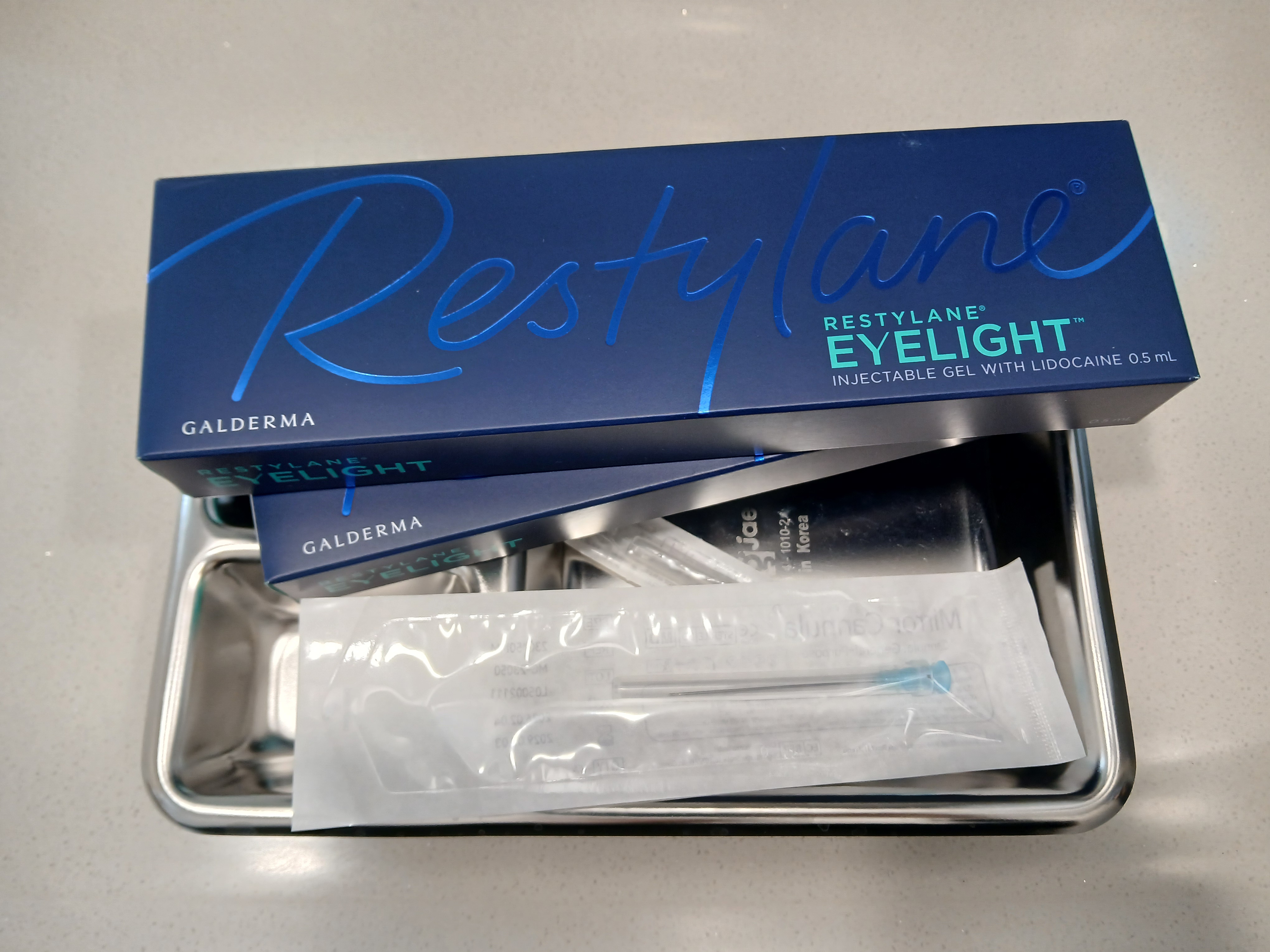
Under-eye filler is a gel implant, usually hyaluronic acid, injected deep or supraperiosteal in the tear trough to reduce the shadow created by volume loss. Recovery matters because the tear trough sits beside the infraorbital artery and lymphatics that drain slowly, so even a small amount of fluid can look pronounced. In my clinical experience, patients who understand this anatomy tolerate the healing phase far better than those who expect instant perfection. A common misunderstanding is that filler "fills a hollow like a balloon"; in fact, the result depends on placement depth, product choice, and how the tissue responds. Mild swelling in the first 48 hours is expected, and residual puffiness can persist for up to two weeks in some patients. Individual differences are substantial, so the timeline below is a guide, not a promise, and Lunn Dermatology Clinic reviews each patient's anatomy before treatment.
Typical Recovery Timeline: What to Expect Day by Day
A practical recovery timeline helps patients plan work and social commitments with confidence. The pattern below reflects typical, uncomplicated healing after tear trough filler; it is not a guarantee for any individual. Day 0 is the treatment day, when mild redness and pinpoint bruising may appear. Day 1 to 2 is when swelling and bruising usually peak. Day 3 to 5 brings visible improvement for most patients. Day 7 is when many feel socially comfortable, and by week two residual puffiness generally settles. In my practice at LUNN, patients often report that the first 48 hours are the most noticeable period, while the final refinement of the result becomes clear over two to four weeks. Cold compresses and head elevation during the early phase support this course. If swelling worsens rather than improves after day three, that is a reason to contact the clinic rather than wait.
| Phase | Typical timing | What patients often notice |
|---|---|---|
| Immediate | Day 0 | Mild redness, pinpoint bruising, slight fullness |
| Peak | Day 1 to 2 | Most visible swelling and bruising |
| Improving | Day 3 to 5 | Bruising fades to yellow-green, swelling softens |
| Socially settled | Around day 7 | Most patients feel comfortable in public |
| Final refinement | 2 to 4 weeks | Residual puffiness resolves, contour settles |
Factors That Influence Healing Time
Healing time after under-eye filler is not fixed; it reflects a mix of anatomy, technique, and aftercare. Thin skin, fair complexion, and a tendency to bruise easily can lengthen visible recovery. So can medications such as aspirin or ibuprofen, supplements like fish oil and high-dose vitamin E, and alcohol in the days before treatment. Technique also matters: gentle, low-pressure placement and appropriate product selection reduce tissue trauma. In my experience at LUNN, patients who follow pre- and post-care instructions closely tend to report a smoother course. Sleep position, salt intake, and strenuous exercise in the first 48 hours can amplify swelling. Age and skin laxity play a role too, though less than most people assume. Because these factors vary, two patients treated on the same day can look quite different on day three, and that is expected rather than a sign of failure.
Minimizing Bruising and Swelling: Evidence-Based Strategies
Minimizing bruising and swelling is a set of deliberate choices before and after treatment that reduce vascular trauma and support lymphatic drainage. No method removes bruising entirely, because the under-eye area is inherently vascular. Still, a structured approach can meaningfully reduce the chance and duration of visible marks. At LUNN, patients receive a written pre-care and post-care plan because consistency matters more than any single product. The strategies below are the ones most supported by clinical experience and reasonable evidence, presented with honest limits.
Pre-Treatment Preparation to Reduce Bruising Risk
Preparation begins roughly a week before treatment. Patients are advised to pause aspirin, ibuprofen, and other non-steroidal anti-inflammatory drugs unless medically necessary, and to discuss any blood thinners with the prescribing physician first. Alcohol is best avoided for at least 48 hours beforehand, and supplements such as fish oil, ginkgo, and high-dose vitamin E are usually paused with the same caveat. Arnica and bromelain are often used in the days before and after, though the evidence is mixed and they are not a substitute for technique. Staying well hydrated and eating normally support stable tissue. In my clinical experience, patients who arrive having followed these steps bruise less often, but exceptions are common. Lunn Dermatology Clinic reviews each patient's medication list during consultation so that safety comes before convenience.
Post-Treatment Care: Cold Compresses, Arnica, and Elevation
After treatment, gentle cold compresses are the mainstay of early care. A wrapped gel pack applied for about ten minutes at a time, with breaks, can ease swelling and discomfort; direct ice contact on thin under-eye skin should be avoided. Keeping the head elevated on two pillows for the first night helps fluid drain. Arnica and bromelain may be continued if the patient tolerates them, and a mild cleanser is preferred over scrubbing. In my practice at LUNN, patients who rest quietly for the first evening and avoid heat, saunas, and hot showers for 48 hours report less pronounced swelling. Makeup is best delayed until any needle entry points have closed, usually 24 hours. These measures support comfort and appearance; they do not guarantee an absence of bruising, and individual responses vary widely.
Activities and Medications to Avoid During Recovery
Certain activities and medications can prolong bruising and swelling after under-eye filler. Strenuous exercise raises blood pressure and facial blood flow, so it is usually avoided for 48 hours. Bending, heavy lifting, and inverted yoga poses have a similar effect. Alcohol and high-sodium meals increase fluid retention and puffiness. Blood thinners, aspirin, and non-steroidal anti-inflammatory drugs should only be resumed after checking with the treating clinician. Dental work, facial massage, and cosmetic treatments in the area are typically postponed for about two weeks. Sun exposure and tanning beds are avoided while bruising fades. In my experience at LUNN, patients who respect these limits for the first 48 to 72 hours tend to have a more predictable course. These are general guidelines, and your own clinician may adjust them based on your health history.
Comparing Recovery Approaches: Filler Types, Techniques, and Aftercare
Comparing recovery approaches means looking at three variables together: the filler material, the delivery technique, and the aftercare routine. No single option is superior for every patient, and the table below describes characteristics neutrally rather than ranking them. At LUNN, product and technique are selected after assessing skin thickness, tear trough depth, and vascular anatomy. Understanding the trade-offs helps patients participate in the decision and hold realistic expectations. The information below is educational and does not replace an individualized consultation.
Comparison Table: Hyaluronic Acid vs. Other Fillers and Their Recovery Profiles
| Option | Typical recovery profile | Reversibility | Considerations |
|---|---|---|---|
| Hyaluronic acid (HA) gel | Swelling and bruising often peak at 24 to 48 hours; visible resolution commonly within 5 to 7 days | Reversible with hyaluronidase | Widely used in tear trough; can attract water if placed too superficially |
| Low-hydrophilicity HA | Similar early course with potentially less water retention | Reversible | Product selection depends on skin thickness |
| Collagen stimulators (e.g., PDLLA, PN) | Longer remodeling phase; early swelling may differ | Not immediately reversible | Used with caution near the eye; evidence in tear trough is limited |
| Fat grafting | Surgical recovery; bruising and swelling can last weeks | Difficult to reverse | Typically performed by surgical specialists |
The table describes characteristics, not a recommendation. In my clinical experience at LUNN, HA remains the most common choice for the tear trough because it is reversible and its behavior is well characterized. Other options may suit specific cases after careful discussion.
Cannula vs. Needle Technique: Impact on Bruising
Cannula and needle techniques each have a distinct impact on bruising risk near the eye. A blunt-tip cannula is passed through a single small entry point and can reduce the number of vessel punctures, which may lower bruising in some patients. A fine needle allows precise placement and is favored by many clinicians for certain tear trough anatomies. Neither method eliminates bruising, and both require a thorough understanding of the infraorbital vessels. In my practice at LUNN, technique is chosen based on anatomy, product viscosity, and the depth required, not on a fixed preference. Patients sometimes assume a cannula means no bruising; in reality, bruising can still occur, and swelling may be similar. A candid discussion of both approaches, including their limitations, is part of informed consent.
Aftercare Product Comparison: What Works and What Doesn't
Aftercare products range from well-supported basics to widely marketed items with thin evidence. Cold compresses and head elevation are simple, low-risk measures with consistent clinical rationale. Arnica and bromelain are commonly used and generally safe, though study results are mixed. Vitamin K cream is sometimes recommended for bruising, but evidence is limited. Gentle cleansers and fragrance-free moisturizers support skin comfort. Items to approach cautiously include heating pads, facial massage devices, and suction tools, which can increase swelling or displace product. Herbal supplements that affect clotting should be discussed with a clinician before use. In my experience at LUNN, patients who keep aftercare simple and consistent do better than those who layer many products. Expensive packaging is not a reliable indicator of benefit, and individual responses vary.
When to Seek Help: Recognizing Complications and Setting Realistic Expectations
Knowing when to seek help is an essential part of under-eye filler care. Most swelling and bruising is temporary and resolves without intervention, but a small number of symptoms warrant prompt contact with the treating clinician. Recognizing these early protects both appearance and safety. At LUNN, patients are given clear contact instructions and told that no question is too small during the healing period. The guidance below reflects general principles and does not replace evaluation by your own clinician.
Red Flags: Prolonged Swelling, Lumps, or Vascular Issues
Most redness, swelling, and bruising after under-eye filler is expected and improves with time. Some symptoms, however, require urgent attention. Severe or worsening pain, blanching of the skin, dusky or mottled discoloration, and vision changes can suggest a vascular issue and warrant immediate contact with the clinic or emergency care. Firm, painful lumps that appear days later, spreading redness, or fever may indicate infection or a granulomatous reaction. Swelling that worsens after day three rather than improving is another reason to check in. In my clinical experience at LUNN, early communication has allowed most concerns to be managed simply, but serious complications, though rare, must be treated promptly. This section is educational and not a substitute for medical evaluation.
Individual Variability: Why Some Bruise More Than Others
Bruising after under-eye filler varies widely between patients, and understanding why reduces unnecessary worry. Thin, fair skin shows discoloration more readily. A personal history of easy bruising, low platelet counts, or certain medications increases risk. Anatomical differences in vessel size and position near the tear trough matter as well. Technique, product volume, and the number of passes also contribute. In my practice at LUNN, two patients with similar anatomy can have different visible recovery, and that is normal. Hormonal factors, alcohol intake, and sleep quality may play a smaller role. Because of this variability, scheduling treatment at least a week before an important event is a sensible precaution. Individual differences are expected and do not usually signal a problem.
Balancing Benefits and Limitations: A Candid Discussion
A candid discussion of benefits and limitations is central to good care. Under-eye filler can soften hollow shadows and improve the appearance of tiredness, and many patients find the result rewarding. In many clinical cases, filler can also improve the appearance of pigmentary or vascular dark circles by enhancing the deep dermal environment. However, it cannot completely replicate surgical rejuvenation or solve fluid retention from unrelated systemic causes. Results are temporary and maintenance sessions are usually needed. Possible side effects include swelling, bruising, redness, and mild lumpiness, with rarer risks such as infection, vascular occlusion, and product migration. For related reading, see how to choose between tear trough options in How to Minimize Swelling with Tear Trough Fillers and what to do about lumps in Why Does My Under-Eye Filler Look Lumpy, and How Can It Be Fixed?. At LUNN, the conversation always includes what the treatment can and cannot do. Questions about costs are welcome during consultation, and pricing is discussed individually rather than advertised.
Key Takeaways
- Recovery from under-eye filler usually involves swelling and bruising that peak within 24 to 48 hours and visibly improve over 5 to 7 days.
- Pre-care steps such as pausing blood thinners and alcohol, and post-care measures like cold compresses and head elevation, can support a smoother course but do not eliminate bruising.
- Cannula and needle techniques each have trade-offs, and product choice should follow anatomical assessment rather than a fixed preference.
- Seek prompt care for severe pain, skin blanching, dusky discoloration, vision changes, or swelling that worsens after day three.
- Individual variability is expected; scheduling treatment at least a week before important events is a practical precaution.
Frequently Asked Questions
Q. How long does bruising last after under-eye filler?
Bruising after under-eye filler commonly peaks within 24 to 48 hours and fades over about 5 to 7 days, shifting from purple to yellow-green as it resolves. Some patients notice faint discoloration for up to two weeks, especially with thin or fair skin. Individual variability is significant, and technique and pre-care habits influence the course. If bruising spreads or is accompanied by pain, contact LUNN for guidance.
Q. Can I wear makeup right after under-eye filler?
Makeup is usually best delayed for about 24 hours so that needle entry points can close and the risk of irritation or infection stays low. When resuming, a clean brush and gentle, fragrance-free products are preferable, and the under-eye area should not be rubbed or pressed. Concealer can help once the skin has settled, but heavy pressure should be avoided. If redness or tenderness persists, wait a little longer before applying makeup.
Q. Is it safe to exercise after under-eye filler?
Strenuous exercise is generally avoided for about 48 hours after under-eye filler because increased blood flow and blood pressure can amplify swelling and bruising. Light walking is usually fine and may support circulation. Heavy lifting, bending, and inverted poses are best postponed during this window. Patients should follow their clinician's specific advice, since health history and the extent of treatment can change the recommendation.
Q. What can I do to prevent bruising before the procedure?
Prevention starts roughly a week before treatment by pausing aspirin, ibuprofen, and other blood-thinning agents unless medically necessary, and by avoiding alcohol for at least 48 hours. Supplements such as fish oil, ginkgo, and high-dose vitamin E are often paused after discussion with the clinician. Hydration and stable nutrition support tissue health. Arnica and bromelain are commonly used, though evidence is mixed, and no method guarantees an absence of bruising.
Q. How soon can I return to work after under-eye filler?
Many patients return to work the next day, particularly if treatment is scheduled before a weekend, though visible swelling or bruising may make waiting two to three days more comfortable. Work that involves heavy lifting, heat, or public-facing meetings may benefit from a longer buffer. Scheduling treatment at least a week before important events is a sensible precaution. At LUNN, return-to-work timing is discussed individually.
Q. Are there any long-term risks of under-eye filler?
Long-term risks are uncommon but include product migration, persistent lumps, and, rarely, vascular complications during injection. Hyaluronic acid fillers are reversible with hyaluronidase, which is one reason they are often chosen for the tear trough. Results are temporary and maintenance sessions are usually needed. A candid discussion of benefits and limitations, along with regular follow-up, supports safe care.
Q. Does under-eye filler hurt, and what can I do about it?
Most patients describe minimal discomfort because topical or local anesthetic is used before injection. The under-eye area is sensitive, but gentle technique and adequate numbing generally make the experience well tolerated. Mild tenderness may persist for a day or two and usually responds to cold compresses. Patients should tell their clinician about any pain that is severe or worsening, as this warrants evaluation.
If you would like to plan treatment around your schedule and review bruising-reduction strategies in detail, consultation and booking are available at LUNN. This article is for general information and does not replace an in-person assessment.
LUNN / Dr. Hyung-kwon Park, Dermatology Specialist, Cheongdam and Apgujeong Rodeo. Follow @dr.lunn on Threads for clinical notes.
FAQ
- How long does bruising last after under-eye filler?
- Bruising after under-eye filler commonly peaks within 24 to 48 hours and fades over about 5 to 7 days, shifting from purple to yellow-green as it resolves. Some patients notice faint discoloration for up to two weeks, especially with thin or fair skin. Individual variability is significant, and technique and pre-care habits influence the course. If bruising spreads or is accompanied by pain, contact lunnclinic for guidance.
- Can I wear makeup right after under-eye filler?
- Makeup is usually best delayed for about 24 hours so that needle entry points can close and the risk of irritation or infection stays low. When resuming, a clean brush and gentle, fragrance-free products are preferable, and the under-eye area should not be rubbed or pressed. Concealer can help once the skin has settled, but heavy pressure should be avoided. If redness or tenderness persists, wait a little longer before applying makeup.
- Is it safe to exercise after under-eye filler?
- Strenuous exercise is generally avoided for about 48 hours after under-eye filler because increased blood flow and blood pressure can amplify swelling and bruising. Light walking is usually fine and may support circulation. Heavy lifting, bending, and inverted poses are best postponed during this window. Patients should follow their clinician's specific advice, since health history and the extent of treatment can change the recommendation.
- What can I do to prevent bruising before the procedure?
- Prevention starts roughly a week before treatment by pausing aspirin, ibuprofen, and other blood-thinning agents unless medically necessary, and by avoiding alcohol for at least 48 hours. Supplements such as fish oil, ginkgo, and high-dose vitamin E are often paused after discussion with the clinician. Hydration and stable nutrition support tissue health. Arnica and bromelain are commonly used, though evidence is mixed, and no method guarantees an absence of bruising.
- How soon can I return to work after under-eye filler?
- Many patients return to work the next day, particularly if treatment is scheduled before a weekend, though visible swelling or bruising may make waiting two to three days more comfortable. Work that involves heavy lifting, heat, or public-facing meetings may benefit from a longer buffer. Scheduling treatment at least a week before important events is a sensible precaution. At lunnclinic, return-to-work timing is discussed individually.
- Are there any long-term risks of under-eye filler?
- Long-term risks are uncommon but include product migration, persistent lumps, and, rarely, vascular complications during injection. Hyaluronic acid fillers are reversible with hyaluronidase, which is one reason they are often chosen for the tear trough. Results are temporary and maintenance sessions are usually needed. A candid discussion of benefits and limitations, along with regular follow-up, supports safe care.
- Does under-eye filler hurt, and what can I do about it?
- Most patients describe minimal discomfort because topical or local anesthetic is used before injection. The under-eye area is sensitive, but gentle technique and adequate numbing generally make the experience well tolerated. Mild tenderness may persist for a day or two and usually responds to cold compresses. Patients should tell their clinician about any pain that is severe or worsening, as this warrants evaluation.