
Post
How to Minimize Swelling with Tear Trough Fillers: A 2026 Guide by Dr. Hyung-kwon Park
Understanding Tear Trough Fillers and Swelling Risk
Hello, I am Dr. Hyung-kwon Park, a board-certified dermatologist at LUNN in Cheongdam and Apgujeong-rodeo. In my clinical practice, I often see patients concerned about under-eye hollowing that makes them look tired. I describe this using a mountain and valley metaphor: the structural difference between the 'mountain' of the cheek and the 'valley' of the hollow creates the shadows we call dark circles. Tear trough filler is a hyaluronic acid-based injectable treatment designed to erase these shadows. My philosophy, "Refining the Details," focuses on restoring a subtle transition between the eyelid and the cheek. The single biggest complaint patients bring to a consultation is puffiness afterward. At LUNN, we prioritize a 'customized design' that analyzes the entire facial structure before the first syringe is opened.
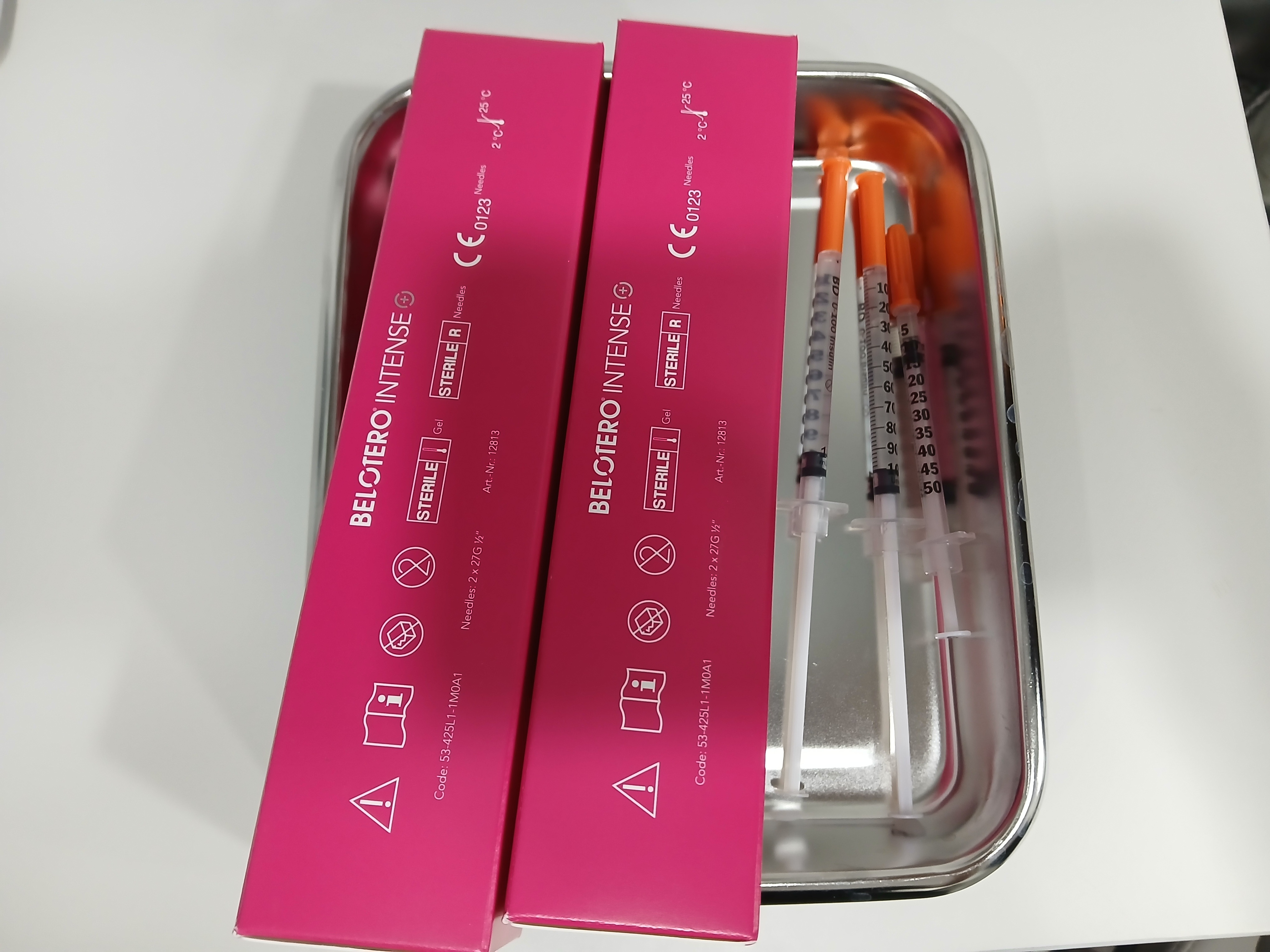
Please note that individual results may vary, and temporary side effects like redness, bruising, or swelling can occur.
What Are Tear Trough Fillers and How Do They Work?
Tear trough fillers are soft tissue fillers placed in the periorbital region to restore volume lost from the orbital rim. The primary cause of the dark hollow is often the 'tear trough ligament' pulling the skin down, creating a shadow. Because the under-eye skin is incredibly thin—roughly 0.5 mm—any product that attracts too much water becomes visible. Hyaluronic acid fillers are popular here because they are reversible, a safety feature that matters in a region supplied by delicate vessels. My approach is to treat the skin with delicate care, ensuring the product creates a natural cushion rather than a bulge. Understanding which mechanism matches your unique anatomy is the first decision point at LUNN.
Why Swelling Happens: Anatomy, Product, and Technique
Swelling after under-eye filler typically comes from three sources: anatomy, product behavior, and injection technique. The infraorbital region has a loose connective tissue plane that collects fluid readily. Hydrophilic fillers bind water, and a high concentration of free hyaluronic acid can pull fluid into the area, leading to the 'Tyndall effect' or chronic puffiness. To prevent this, I specifically use 'low-hydrophilic' fillers (such as Belotero) that minimize water uptake. Technique adds a third variable; placing product too close to the surface creates a visible bulge. Typical mild swelling peaks within 24 to 48 hours and settles over 3 to 7 days. I always emphasize to my patients that while I strive for perfection, some temporary edema is a natural physiological response, and planning downtime is essential.
Who Is a Good Candidate and Who Should Avoid Under-Eye Filler?
The best candidates for tear trough filler have a genuine hollow or shadow caused by volume loss. However, at LUNN, I follow a mandatory diagnostic protocol that goes beyond simple visual inspection. Before any procedure, the assessment includes checking muscle thickness, wrinkle depth, eyeball protrusion, and fat volume. This 'state analysis' is vital because patients with prominent eye bags caused by fat herniation rather than hollowing often look worse with filler. In such cases, I will honestly tell you that filler may not be the right tool. My goal is achieving perfect harmony, not just selling a syringe. People with active skin inflammation or unrealistic expectations should be cautious, and pregnancy generally warrants postponing elective treatment.
Choosing the Right Filler: Product Selection Criteria
Product selection is where small differences in gel chemistry translate into large differences in how the area looks. At LUNN, I select products based on their physical properties and how they interact with your specific tissue layers.
Hyaluronic Acid vs. Collagen-Stimulating Fillers: A Comparison
Hyaluronic acid offers immediate volume and reversibility, which is why I favor it for first-time tear trough treatments. Collagen stimulators work gradually and are not reversible, carrying a higher risk of nodules if placed in the thin under-eye skin. The comparison below reflects general attributes.
| Attribute | Hyaluronic Acid Filler | Collagen-Stimulating Filler |
|---|---|---|
| Onset of effect | Immediate | Gradual over weeks to months |
| Reversibility | Yes, with hyaluronidase | No |
| Water binding | Varies; low-hydrophilic preferred | Generally lower immediate uptake |
| Nodule risk under thin skin | Lower with soft gels | Higher if placed superficially |
| Typical use under the eye | Soft, cohesive, low-G-prime gels | Selected cases, deeper placement |
Key Properties to Look For: G-prime, Cohesivity, and Hydrophilicity
G-prime describes a gel's resistance to deformation. Under the eye, a lower G-prime means the product stays soft. Cohesivity refers to how well the gel holds together, reducing the chance of fragmenting into lumps. Hydrophilicity is the most critical property for managing swelling. At LUNN, we choose products with the lowest possible water attraction to ensure that the "shining guide" to your beauty doesn't result in a puffy morning look. Patients should understand that while these choices reduce risk, no product eliminates swelling risk entirely.
Why Soft, Low-Hydrophilic Fillers Reduce Swelling Risk
Soft, low-hydrophilic fillers reduce swelling risk because they do not aggressively draw fluid into the infraorbital space. Since lymphatic drainage in this area is limited, excess fluid lingers. A softer gel also spreads more evenly along the orbital rim instead of forming a discrete bolus. I believe that "less is more" in the tear trough; I often prefer to under-fill slightly and review the progress after the initial swelling subsides. This conservative, professional approach ensures the most natural, long-term results.
Technique Matters: Injection Depth, Volume, and Cannula Use
Technique is where the doctor's eye creates the result. I treat the under-eye as a structural problem first and a volume problem second.
Deep vs. Superficial Placement: Avoiding the Tear Trough Pocket
Placing filler deep, on or just above the periosteum, is generally preferred because it supports the hollow from beneath the muscle. Superficial placement inside the tear trough pocket tends to hold product where it is most visible and where fluid collects. At LUNN, my approach emphasizes bone-level support. This requires a precise understanding of anatomical structures, including the infraorbital artery, to ensure safety and efficacy.
Micro-Dosing and Retrograde Threading to Prevent Overcorrection
Micro-dosing involves delivering small amounts of filler in multiple passes. I use a 'retrograde threading' technique to lay down product in smooth, consistent lines. This prevents the 'overfilled' look that can make the eyes appear smaller. A typical session at LUNN is focused on 'layer-by-layer' design. I often tell my patients that the final result is finished by proper aftercare and patience during the healing phase.
Cannula vs. Needle: Pros and Cons for Under-Eye Area
| Factor | Cannula | Needle |
|---|---|---|
| Entry points | Usually one per side | Multiple |
| Bruising tendency | Often lower | Variable |
| Vascular puncture risk | Lower | Higher |
| Precision in deep planes | Good with experience | Excellent |
I choose the instrument based on your specific vascular pattern and skin elasticity. At LUNN, I am a "1-doctor clinic" where I personally handle every step from consultation to the final injection to ensure consistent quality.
Preventing and Managing Swelling: Practical Guidelines
Pre-Treatment Assessment: Identifying High-Risk Patients
Assessment identifies patients prone to swelling. Beyond the mandatory checks of muscle and bone structure, I review your history of allergies and even your salt intake. At LUNN, we don't just look at the eyes; we look at the whole face's balance and aging patterns.
Post-Treatment Care: Cooling, Sleeping Position, and Activity
To support the result, avoid vigorous exercise and saunas for at least one week. Sleeping with your head elevated helps fluid drain. I personally advise my patients to avoid rubbing the area, as this can displace the carefully placed filler. Think of it like a house renovation: you wouldn't touch the wet paint before it dries.
When Swelling Is Normal vs. When to Call Your Doctor
Mild swelling is normal. However, if you experience severe pain, skin blanching, vision changes, or worsening swelling after 48 hours, you must contact us immediately. At LUNN, we provide a clear contact pathway because your safety is our ultimate priority.
Alternatives and Combination Approaches for Tear Trough Rejuvenation
Non-Filler Options: Laser, Microneedling, and Energy Devices
If the issue is strictly pigment, lasers may be a better choice. However, I have found that even in vascular or pigment-type dark circles, fillers can significantly improve the appearance by enhancing the deep-dermal environment. For those with skin laxity, combining filler with lifting treatments (like Ultherapy or Thermage) can provide a more comprehensive rejuvenation. Our guide on skin boosters and lifting offers more detail on these synergies.
Combining Filler with Skincare and Lifestyle Adjustments
Reducing salt and alcohol can limit fluid retention that mimics filler swelling. I always emphasize that while I can provide the treatment, your daily habits sustain the beauty. For more on achieving a balanced look, see our filler injection principles for natural results.
Key Takeaways
- Swelling is minimized by using low-hydrophilic fillers and deep injection techniques.
- A mandatory assessment of muscle thickness, wrinkle depth, eyeball protrusion, and fat volume is required before treatment.
- Filler can improve vascular and pigment-related dark circles by improving the dermal environment.
- Natural results come from a conservative, 1:1 specialist-led approach rather than a "factory-style" clinic.
- Severe pain or vision changes require immediate medical attention.
Frequently Asked Questions
How long does swelling last after tear trough filler?
Mild swelling usually peaks within 24 to 48 hours and subsides within 3 to 7 days. At LUNN, we use specific low-hydrophilic products to keep this downtime to a minimum. Individual healing varies, so I recommend avoiding major events for at least one week after treatment.
Can I avoid swelling completely?
No technique can guarantee zero swelling due to the high vascularity of the area. However, my use of cannulas and deep placement significantly reduces the risk compared to traditional methods. I focus on "Refining the Details" to ensure that any swelling is managed effectively.
Is tear trough filler effective for pigment-related dark circles?
Yes. While filler primarily targets structural shadows, my clinical experience shows that vascular and pigment-type dark circles often improve as the filler enhances the deep-dermal environment. A precise diagnosis is necessary to see if you are a candidate for this improvement.
What does Dr. Park check during the pre-treatment assessment?
I personally perform a mandatory check of your muscle thickness, wrinkle depth, eyeball protrusion, and fat volume. This ensures that the filler will create harmony rather than exacerbating existing eye bags or structural issues.
How do I choose a qualified injector?
Look for a board-certified dermatologist who performs the entire process—consultation to injection—themselves. At LUNN, I believe the doctor's eye and hand are the most important tools. Avoid clinics where a consultant does the diagnosis and the doctor only performs the injection.
What are the warning signs of a complication?
Contact your doctor immediately if you experience severe pain, white or mottled skin, fever, or any change in your vision. These are rare but require urgent professional evaluation.
If you are ready to erase the shadows and refine your look, I invite you to a consultation at LUNN in Cheongdam and Apgujeong-rodeo.
LUNN Dermatology Clinic / Dr. Hyung-kwon Park. Follow @dr.lunn on Threads for more clinical insights.
FAQ
- How long does swelling last after tear trough filler?
- Mild swelling is common and usually peaks within 24 to 48 hours, then gradually subsides over 3 to 7 days. Some patients notice subtle puffiness for up to two weeks, particularly in the morning. Choosing a softer, less hydrophilic filler and using micro-dosing techniques can reduce the severity and duration of swelling. Individual healing varies, so plan downtime accordingly.
- Can I avoid swelling completely?
- No technique can guarantee zero swelling, because the under-eye area is highly vascular and prone to fluid retention. However, selecting a low-hydrophilic hyaluronic acid filler, placing it deep on the bone, and using a cannula can lower the risk. A provider should discuss realistic expectations and aftercare to minimize downtime. At LUNN, patients are told what to expect before treatment begins.
- Is tear trough filler safe for dark circles?
- Tear trough filler can improve dark circles caused by hollowing or shadowing, but it does not address pigment-related dark circles. A thorough assessment is needed to determine the cause. For pigment or vascular issues, treatments such as laser or topical regimens may be more appropriate. This is why LUNN begins with diagnosis rather than with a syringe.
- What is the typical cost of tear trough filler?
- Cost varies with location, provider expertise, and the type and amount of filler used. In the US, prices generally range from $600 to $1,500 per syringe. Unusually low prices may reflect inexperience or diluted product, so a consultation is essential for an accurate quote. LUNN discusses cost after assessing the anatomy and planning the approach.
- How do I choose a qualified injector?
- Look for a board-certified dermatologist or plastic surgeon with specific experience in periorbital filler. Ask about technique, including whether a cannula is used and which products are preferred, and request to see consented before-and-after cases. A thorough pre-treatment assessment and a willingness to discuss risks are signs of a reputable injector. LUNN's dermatologist-led consultation reflects this diagnostic-first approach.
- What are the warning signs of a complication?
- Seek immediate medical attention for severe pain, blanching or white skin, dusky or mottled skin, vision changes, or swelling that worsens after a few days. These can indicate vascular occlusion or infection. Mild bruising and swelling are normal, but concerning symptoms should be evaluated promptly. LUNN provides a direct contact pathway for postoperative concerns.
- Are there permanent alternatives to filler?
- Surgical options such as lower blepharoplasty with fat repositioning can provide longer-lasting results, but they carry surgical risks and longer recovery. Non-surgical alternatives like laser resurfacing, microneedling, or energy devices may improve skin quality but do not restore volume. A consultation with a specialist can help determine the most suitable approach for your anatomy and goals. At LUNN, referral to surgery is recommended when it is the better fit.