
Post
Thermage FLX Treatment in Seoul: A 2026 Guide to Structural Harmony
Hello, I am Dr. Hyung-kwon Park, a dermatologist at Lunn Dermatology Clinic in the Cheongdam and Apgujeong Rodeo area. Thermage FLX is a sophisticated non-invasive treatment designed to address skin laxity and refine texture through the application of advanced radiofrequency energy.
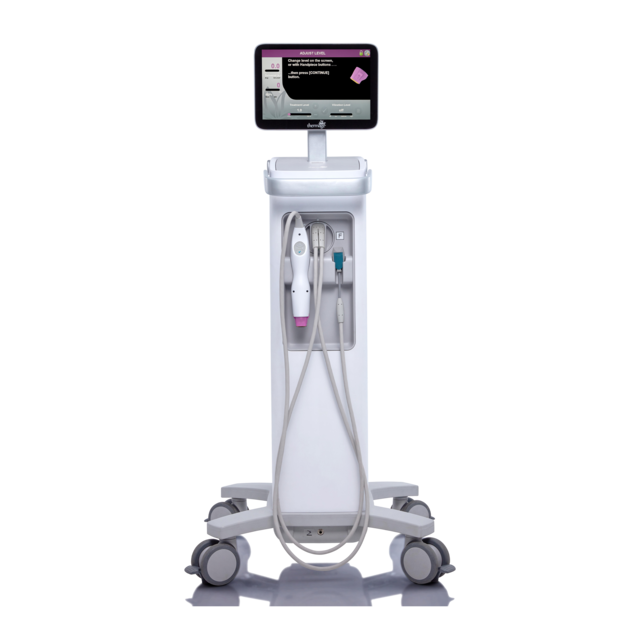
This 2026 guide provides a comprehensive overview of how the procedure works, who should consider it, and the specialized approach I take at Lunn Dermatology Clinic to ensure results that respect the natural proportions of the face. By understanding the structural changes occurring beneath the surface, patients can make informed decisions about their aesthetic journey towards a rejuvenated appearance.
What is Thermage FLX Treatment?
Thermage FLX is a non-invasive cosmetic procedure that utilizes monopolar radiofrequency energy to tighten and contour the skin by heating the deep, collagen-rich layers of the dermis. This controlled thermal application induces immediate tissue contraction followed by a long-term healing response that stimulates the production of new collagen fibers over several months. Unlike surgical interventions, it does not require incisions or general anesthesia, making it a preferred option for those seeking subtle yet meaningful improvements in skin firmness and overall quality.
The Science of Monopolar Radiofrequency
Monopolar radiofrequency technology functions by delivering a high-frequency electrical current that travels from a single electrode tip into the deeper layers of the skin. This energy encounters resistance within the tissue, generating heat that typically ranges between 40 and 55 degrees Celsius in the dermis. According to publicly available clinical data, this specific temperature range is critical for denaturing existing collagen triple-helix structures without causing damage to the epidermal surface. As the old collagen fibers contract, the body initiates a natural wound-healing cascade, leading to the synthesis of fresh, robust collagen over time. This process is highly controlled, with integrated cooling systems protecting the outer skin layer throughout the session. The 4th generation technology allows for more precise energy delivery compared to earlier systems. At Lunn Dermatology Clinic, I focus on utilizing this scientific mechanism to support the underlying scaffold of the face, aiming for a more resilient and youthful skin structure.
Key Differences Between Thermage FLX and Previous Generations
The transition to the FLX generation brought several significant technical advancements that improve both the patient experience and clinical outcomes. One of the most notable changes is the introduction of a 33 percent larger treatment tip, which expands the surface area covered during each pulse. This modification contributes to a treatment time that is approximately 25 percent faster than previous iterations, often allowing a full face procedure to be completed within 60 minutes. Additionally, the system features AccuREP technology, which performs real-time impedance tuning before every pulse is delivered. This ensures that the energy level is consistent and optimized for the specific characteristics of the skin at the treatment site. These refinements allow for a more uniform distribution of heat, which is essential for achieving a balanced result. Patients often report that the vibration and cooling cycles in this newer model enhance comfort, although individual sensations of heat and pressure are still necessary for the treatment to be effective in the long run.
Expected Structural Changes in the Dermis
Following a Thermage FLX session, the dermis undergoes a two-phase structural transformation that evolves over several months. Initially, a subtle tightening effect can be observed almost immediately due to the heat-induced contraction of existing collagen fibers, though individual results and the degree of immediate change vary by patient. However, the more substantial results are the product of neocollagenesis, where the skin’s fibroblast cells produce new collagen and elastin over a period of 2 to 6 months. This gradual thickening of the dermal layer improves the skin’s internal tension and reduces the appearance of fine lines and surface irregularities. Clinical observations suggest that these structural improvements can maintain their integrity for 12 to 18 months, depending on the patient’s age and biological response. It is important to note that while the skin becomes firmer, the treatment does not change the fundamental anatomy of the face. Instead, it seeks to restore the elasticity that naturally declines with time, providing a foundation for long-term skin health and structural harmony.
Optimal Candidates for Thermage FLX in Seoul
Identifying optimal candidates for Thermage FLX involves assessing individual skin concerns such as mild to moderate laxity and the desire for non-surgical rejuvenation without significant recovery time. The treatment is most effective for individuals who are beginning to notice the early signs of aging, such as a softening jawline, subtle hooding of the eyelids, or a loss of overall radiance in the skin texture. By selecting the right candidate, practitioners can ensure that the results align with the patient’s expectations for a refreshed and natural appearance.
Addressing Fine Lines and Skin Laxity
Thermage FLX is particularly well-suited for patients experiencing the early stages of skin sagging or the development of fine, crepey lines. These issues often arise when the skin’s natural support network begins to weaken due to environmental factors and the natural aging process. By targeting the dermis specifically, the treatment helps to re-densify the skin, which can smooth out superficial wrinkles and provide a subtle lift to tired-looking features. In a typical session, between 600 and 900 pulses are delivered to the face and neck area to ensure comprehensive coverage and stimulation. This density of energy application is designed to create a cumulative effect that builds the skin's resistance to further sagging. While deep folds or significant volume loss may require different or combined modalities, the refinement provided by this radiofrequency treatment is ideal for those who prioritize skin quality. At LUNN, I emphasize that consistent maintenance can help preserve these results and potentially slow the visible progression of skin laxity over several years.
Suitability for Different Skin Types and Ages
One of the primary advantages of monopolar radiofrequency is its safety profile across a wide range of skin types and ethnicities. Because the energy targets the deeper layers of the tissue and avoids significant interaction with melanin in the epidermis, it carries a much lower risk of post-inflammatory hyperpigmentation compared to some light-based therapies. Patients in their late 20s or 30s may utilize the procedure as a preventive measure to maintain collagen levels, while those in their 40s and 50s often seek it to corrective mild sagging. According to standard clinical protocols, age is less of a factor than the biological quality of the skin itself for determining suitability. Individuals with severe photodamage or very thin skin may see more modest results, as their ability to generate new collagen might be reduced. A thorough consultation is always performed at LUNN to evaluate the skin's thickness and elasticity before proceeding. This ensures that each patient receives a treatment plan tailored to their specific physiological needs and aesthetic goals for 2026.
Determining if Thermage FLX Fits Your Aesthetic Goals
Choosing Thermage FLX requires a clear understanding of the difference between a surgical facelift and non-invasive energy treatments. If your goal is to achieve a subtle, refined improvement that develops gradually over several months, this procedure is likely a strong match. It is designed for those who value "structural harmony" and do not wish to look overly altered or "done." The results are intended to emerge naturally, reflecting the patient’s own facial contours rather than changing them. It is also an excellent option for busy individuals who cannot afford the downtime associated with surgery, as most patients can return to their daily activities, although individual recovery times and temporary swelling may vary. However, it is essential to have realistic expectations; the treatment improves skin tightness but does not remove excess skin or reposition muscles. At LUNN, I guide patients through this decision-making process by comparing the potential outcomes of radiofrequency with other premium skin lifting treatments available in Seoul, ensuring the chosen path aligns with their long-term vision for self-care and aging gracefully.
Comparing Thermage FLX with Other Lifting Procedures
Comparing Thermage FLX with other lifting modalities is essential for understanding how radiofrequency differs from micro-focused ultrasound in terms of targeted tissue depth and aesthetic outcomes. While both categories of treatment aim to tighten the skin, the mechanisms they use and the specific layers of tissue they affect are distinct. A clear comparison helps patients navigate the crowded world of non-surgical aesthetics and choose the combination of services that will best serve their unique facial structure.
Thermage FLX vs. Ultherapy: Depth and Mechanism
Thermage FLX and Ultherapy are often discussed together, but they serve different primary purposes within a rejuvenation plan. Thermage uses radiofrequency to provide a volumetric heating effect primarily in the dermis, which is excellent for tightening the skin's surface and improving texture. In contrast, Ultherapy utilizes micro-focused ultrasound to reach deeper layers, including the SMAS (Superficial Musculoaponeurotic System), which is the fibrous layer usually addressed in a surgical facelift. For more details on the ultrasound approach, you may read about Ulthera lifting results and structural harmony. While Thermage is often likened to "shrink-wrapping" the skin for a smoother look, Ultherapy is focused on vertical lifting and structural support. Many patients find that using both treatments in a staggered approach provides the most comprehensive results, as it addresses both the superficial skin laxity and the deeper structural sagging. At LUNN, I carefully analyze the 1mm differences in tissue composition to decide which modality, or combination thereof, is most appropriate for the patient's current needs.
Synergistic Effects with Injectables
Thermage FLX often serves as a foundational treatment that can be enhanced by the strategic use of injectables like dermal fillers or skin boosters. When the skin is tighter and better supported by new collagen, the results of volume-restoring injections tend to appear more natural and integrated. For instance, addressing skin quality first can reduce the amount of filler needed to smooth out nasolabial folds or marionette lines. The synergy between heat-based tightening and injectable rejuvenation creates a multifaceted approach to anti-aging. You can explore how these treatments work together in our guide on Ultherapy and Thermage synergy effects. It is generally recommended to wait a few weeks between a Thermage session and injectable treatments to allow any initial swelling to subside and the skin to stabilize. This careful timing ensures that the placement of fillers is accurate based on the improved skin tension. At LUNN, I believe that true harmony is achieved when the skin’s texture, volume, and tightness are all addressed in a balanced, chronological sequence tailored to the individual.
A Comparison Table of Leading Non-Invasive Lifting Options
The following table outlines the key characteristics of popular non-invasive lifting and tightening options available in 2026. This comparison is intended to highlight the technical differences and general focuses of each modality.
| Feature | Thermage FLX | Ultherapy | Onda Lifting |
|---|---|---|---|
| Energy Type | Monopolar Radiofrequency | Micro-focused Ultrasound | Coolwaves (Microwaves) |
| Primary Target | Dermis (Collagen) | SMAS Layer / Deep Dermis | Subcutaneous Fat / Dermis |
| Main Benefit | Skin Tightening & Texture | Deep Tissue Lifting | Contouring & Tightening |
| Treatment Time | Approx. 45–90 Minutes | Approx. 60–90 Minutes | Approx. 30–60 Minutes |
| Typical Duration | 12 to 18 Months | 12 to 18 Months | Variable (Course required) |
| Downtime | Minimal to None | Minimal | None |
The LUNN Approach: Precision and Harmony
The approach at Lunn Dermatology Clinic emphasizes a meticulous assessment of facial structures to ensure that energy delivery is optimized for both safety and natural-looking structural harmony. I recognize that every face is unique, and a "one-size-fits-all" application of energy can lead to suboptimal results. By focusing on the details of skin thickness, fat distribution, and muscle movement, I create a bespoke treatment roadmap that respects the individual's natural beauty while addressing the specific concerns that affect their confidence.
Customized Energy Mapping for Individual Facial Contours
At LUNN, I do not simply follow a standard grid pattern when delivering Thermage FLX pulses. Instead, I perform customized energy mapping that accounts for the variations in skin thickness across the face. For example, the skin around the eyes is significantly thinner than the skin on the cheeks or jawline, requiring precise adjustments in energy levels and pulse density. My goal is to achieve an even tightening effect that follows the natural vectors of the face. I pay close attention to areas where the skin is under more stress or shows more pronounced signs of laxity, such as the peri-orbital region and the lower face. By making 1mm adjustments in my technique and varying the energy output, I can better support the facial structure without the risk of over-treating delicate areas. This level of precision is part of my commitment to "refining the details," ensuring that the final outcome looks like a more refreshed version of the patient, with no signs of an artificial or strained appearance.
Managing Comfort and Safety During the Procedure
Patient safety and comfort are central to the experience at Lunn Dermatology Clinic. While Thermage FLX is generally well-tolerated, the sensation of deep heating is a necessary indicator that the tissue is reaching the required temperature for collagen stimulation. I manage this through the device’s integrated vibration system and Cryogen cooling, which pulses before, during, and after the radiofrequency delivery. Additionally, I maintain a constant dialogue with the patient to monitor their thermal feedback, allowing me to adjust the intensity as needed. It is important for patients to know that while the procedure is non-invasive, it can occasionally lead to temporary side effects such as mild redness, slight swelling, or, in rare cases, minor blisters. These typically resolve within a few hours to a couple of days. I do not use general anesthesia for this procedure because the patient's ability to provide feedback is an essential safety component. By balancing efficacy with a comfortable environment, I ensure that the journey toward improved skin quality is as pleasant and predictable as possible.
Post-Treatment Care and Long-Term Maintenance
The care following a Thermage FLX session is straightforward, emphasizing hydration and protection from environmental stressors. Since there are no wounds or incisions, patients can immediately resume their skincare routines, including the use of sunscreen and makeup. At LUNN, I advise patients to use gentle, hydrating products in the days following the treatment to support the skin's barrier as it begins the healing process. Long-term maintenance typically involves a repeat session every 12 to 18 months to sustain the collagen-building benefits and stay ahead of the natural aging process. I also discuss lifestyle factors such as nutrition and sun protection, which play a vital role in the longevity of the results. By maintaining the health of the skin from the inside out, the structural harmony achieved through the treatment can be preserved more effectively. My team provides a personalized follow-up schedule to monitor the progression of the results and adjust the long-term plan as the skin continues to evolve over the years.
Key Takeaways
- Technology: Thermage FLX uses monopolar radiofrequency to heat the dermis to 40–55°C, stimulating collagen production for natural skin tightening.
- Suitability: It is ideal for individuals with mild to moderate skin laxity who seek non-surgical rejuvenation with minimal downtime.
- The Approach: Lunn Dermatology Clinic focuses on customized energy mapping and precision to achieve structural harmony tailored to individual facial contours.
- Timeline: While some immediate results may appear, the most significant improvements develop gradually over 2 to 6 months and typically last for 12 to 18 months.
Frequently Asked Questions
Q. What is the primary benefit of Thermage FLX?
Thermage FLX uses monopolar radiofrequency to deeply heat the collagen-rich layers of the skin, causing immediate contraction and stimulating long-term collagen regeneration. This results in a tighter, smoother appearance and improved skin texture over several months. It is particularly effective for refining the jawline and smoothing fine lines around the eyes.
Q. Is there any downtime associated with the treatment?
Most patients return to their normal activities immediately after the procedure. Some may experience mild redness or slight swelling similar to a minor sunburn, but these effects typically subside within a few hours to a couple of days. There are no restrictions on washing the face or applying makeup after the session.
Q. How soon will I see results from Thermage FLX?
While some immediate tightening may be visible due to the initial collagen contraction, the most significant improvements generally appear over two to six months. During this window, your body actively produces new, stronger collagen fibers that gradually improve skin firmness. The full result reflects a natural transformation of the skin's internal structure.
Q. How many sessions are typically required for a good result?
For many patients, a single session provides measurable and satisfying results. Depending on the individual's skin condition, age, and specific aesthetic goals, maintenance sessions every 12 to 18 months may be recommended to sustain the collagen levels. At Lunn Dermatology Clinic, I assess each patient's progress during follow-up appointments to determine the optimal interval.
Q. Are there any side effects I should be aware of?
Potential side effects include temporary redness, swelling, or minor surface irregularities, though these are relatively rare when the procedure is performed by an experienced specialist. Individual reactions can vary based on skin sensitivity and the energy levels used. I provide detailed aftercare instructions to manage any temporary discomfort and ensure optimal healing.
Q. Does the procedure involve significant pain?
Thermage FLX features integrated vibration and cooling technology to enhance comfort throughout the energy delivery. While sensations of deep heat are necessary for the treatment to be effective, the integrated cooling and vibration systems are designed to manage treatment sensations without the need for general anesthesia. I prioritize patient feedback to ensure the energy levels are both effective and manageable.
Q. Who should avoid Thermage FLX treatment?
Individuals with pacemakers, internal cardiac defibrillators, or other active implanted electronic devices should not undergo Thermage FLX due to the radiofrequency energy. It is also important to disclose any history of metal implants in the treatment area or active skin infections. A thorough consultation at Lunn Dermatology Clinic is essential to confirm your medical eligibility and safety.
Refining the Details. Achieving Perfect Harmony.
Lunn Dermatology Clinic / Dr. Hyung-kwon Park
FAQ
- What is the primary benefit of Thermage FLX?
- Thermage FLX uses monopolar radiofrequency to deeply heat the collagen-rich layers of the skin, causing immediate contraction and stimulating long-term collagen regeneration. This results in a tighter, smoother appearance and improved skin texture over several months. It is particularly effective for refining the jawline and smoothing fine lines around the eyes.
- Is there any downtime associated with the treatment?
- Most patients return to their normal activities immediately after the procedure. Some may experience mild redness or slight swelling similar to a minor sunburn, but these effects typically subside within a few hours to a couple of days. There are no restrictions on washing the face or applying makeup after the session.
- How soon will I see results from Thermage FLX?
- While some immediate tightening may be visible due to the initial collagen contraction, the most significant improvements generally appear over two to six months. During this window, your body actively produces new, stronger collagen fibers that gradually improve skin firmness. The full result reflects a natural transformation of the skin's internal structure.
- How many sessions are typically required for a good result?
- For many patients, a single session provides measurable and satisfying results. Depending on the individual's skin condition, age, and specific aesthetic goals, maintenance sessions every 12 to 18 months may be recommended to sustain the collagen levels. We assess each patient's progress during follow-up appointments to determine the optimal interval.
- Are there any side effects I should be aware of?
- Potential side effects include temporary redness, swelling, or minor surface irregularities, though these are relatively rare when the procedure is performed by an experienced specialist. Individual reactions can vary based on skin sensitivity and the energy levels used. We provide detailed aftercare instructions to manage any temporary discomfort and ensure optimal healing.
- Does the procedure involve significant pain?
- Thermage FLX features integrated vibration and cooling technology to enhance comfort throughout the energy delivery. While sensations of deep heat are necessary for the treatment to be effective, most patients find the procedure well-tolerated without the need for general anesthesia. We prioritize patient feedback to ensure the energy levels are both effective and manageable.
- Who should avoid Thermage FLX treatment?
- Individuals with pacemakers, internal cardiac defibrillators, or other active implanted electronic devices should not undergo Thermage FLX due to the radiofrequency energy. It is also important to disclose any history of metal implants in the treatment area or active skin infections. A thorough consultation at lunnclinic is essential to confirm your medical eligibility and safety.