
Post
A Specialist's 2026 Guide to Non-Surgical Face Lift Procedures in Korea: Achieving Structural Harmony
Non-surgical face lift procedures represent a paradigm shift in modern aesthetic medicine, focusing on skin rejuvenation and tissue tightening without the invasive nature of traditional surgery. As a dermatologist at LUNN, I prioritize a philosophy that balances advanced technology with an intimate understanding of facial anatomy to help patients achieve a refreshed, natural appearance.
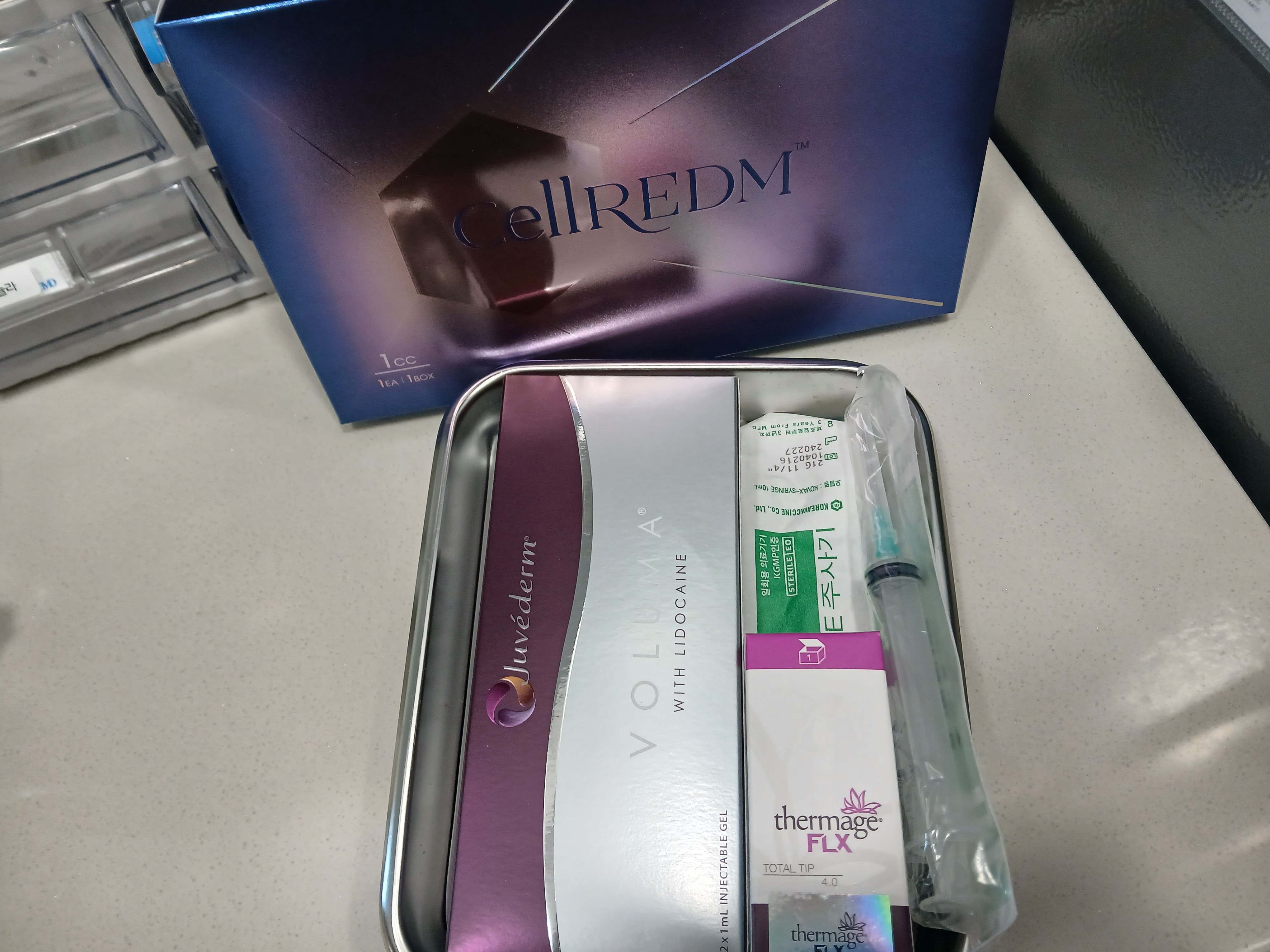
This guide explores the sophisticated lifting modalities available in Seoul and how a detail-oriented approach can refine your unique features.
Understanding Non-Surgical Face Lift Procedures in Korea: A Specialized Perspective
A non-surgical face lift is defined as a series of minimally invasive treatments that utilize energy-based devices or injectable agents to lift sagging tissue and restore youthful volume. Unlike surgical interventions that require incisions, these methods stimulate the body’s own regenerative processes to enhance structural integrity from within.
What is a Non-Surgical Face Lift?
A non-surgical face lift refers to a combination of minimally invasive procedures designed to lift, tighten, and rejuvenate the skin without incisions or general anesthesia. Unlike traditional surgical methods that physically remove excess skin, these modern interventions utilize advanced energy-based devices and biocompatible injectables to address aging at its source. At LUNN, we view this not just as a skin-deep change but as a multi-layered restoration process. By targeting the Superficial Musculoaponeurotic System (SMAS), the dermis, and the subcutaneous fat layers, we can stimulate the body's natural regenerative powers. Most procedures in this category involve High-Intensity Focused Ultrasound (HIFU), Radiofrequency (RF), or biostimulators. These technologies work by creating controlled thermal micro-injuries or metabolic signals that prompt fibroblasts to produce new collagen and elastin fibers. While results vary based on individual physiology, these treatments help refine the facial contours and restore a refreshed, rested appearance for those with mild to moderate laxity.
Why Global Patients Choose Seoul for Medical Esthetics
Seoul has emerged as a prominent hub for medical aesthetics, particularly for non-surgical face lift procedures Korea is known for. The density of board-certified dermatologists and the rapid adoption of cutting-edge technology make it a preferred destination for international patients. In places like Cheongdam and Gangnam, the standard of care involves not just high-tech machinery, but a sophisticated understanding of facial proportions and ethnic skin variations. Patients travel here because the clinical protocols are often more refined than in other regions, with a strong emphasis on achieving a natural, "undone" look rather than an overfilled appearance. At LUNN, I personally see many individuals who value the precision and detail-oriented approach that Korean aesthetic medicine offers. Furthermore, the competitive nature of the local market ensures that patients receive treatments utilizing the latest FDA-cleared equipment, such as the newest generations of Ultherapy and Thermage, all while benefiting from specialized maintenance programs.
The Philosophy of Detail and Harmony at LUNN
At LUNN, my philosophy centers on the concept of structural harmony and the meticulous attention to detail. I believe that 1mm of adjustment in a specific facial plane can be the difference between a natural rejuvenation and a discordant result. I personally conduct every consultation and procedure to ensure that the unique anatomical landscape of each patient is respected. Our approach focuses on a highly personalized 1:1 diagnostic process to ensure every detail of the patient's facial structure is respected. Instead, we focus on the "layers and shadows" of the face, identifying where tissue has shifted and where light no longer hits the skin effectively. By combining clinical expertise with a luxury experience in the heart of Cheongdam, we aim to provide a transformative journey that respects the patient's original beauty. This commitment to personalized care is what defines the LUNN experience, ensuring that every non-surgical intervention is tailored to the patient's lifestyle, skin thickness, and long-term aesthetic goals.
Leading Non-Surgical Lifting Technologies: Ultrasound vs. Radiofrequency
Leading technologies in non-surgical lifting focus on delivering specific energy wavelengths to target layers like the dermis and the SMAS layer to initiate collagen remodeling. These energy-based modalities provide a foundation for tissue tightening without the recovery time associated with surgical procedures.
HIFU Technology: Deep Tissue Tightening with Ultherapy
High-Intensity Focused Ultrasound, commonly known as Ultherapy, is a cornerstone of deep-tissue lifting at LUNN. This technology is unique because it uses real-time ultrasound imaging to allow the practitioner to see the layers of tissue they are treating. By focusing energy precisely at the SMAS layer—the same layer addressed in a surgical facelift—it creates thermal coagulation points that trigger a long-term healing response. Over a period of three to six months, new collagen develops, resulting in a gradual lift of the brow, chin, and neck areas. According to clinical data, most patients see the peak of their results around the 90-day mark, as the structural proteins mature and strengthen. While the procedure involves some heat sensation, we manage comfort through specialized cooling and topical agents. It is important to note that results vary, and some patients may require multiple sessions depending on their initial skin laxity.
Monopolar RF: Skin Surface Refinement with Thermage FLX
Monopolar Radiofrequency, exemplified by Thermage FLX, focuses on the upper and mid-dermal layers to improve skin texture and superficial tightness. At LUNN, I often recommend this modality for patients concerned with "crepey" skin or fine lines that lack definition. The device delivers uniform heating that causes immediate collagen contraction followed by a secondary phase of collagen remodeling. This process helps to smooth the skin’s surface and refine pores, contributing to a more polished look. Research indicates that a single session can provide benefits lasting up to 12 months for many individuals. Because Thermage targets the dermis rather than the deep muscle layers, it is an excellent choice for refining the delicate skin around the eyes and jawline. We prioritize patient safety by monitoring skin impedance in real-time, ensuring the energy is delivered efficiently without compromising the skin's integrity. Potential side effects like mild redness usually resolve within 24 to 48 hours.
Comparison of Energy Modalities for Different Skin Types
Choosing the right energy modality requires a nuanced understanding of skin density and aging patterns. While Ultherapy is generally superior for lifting the deeper structural layers, Thermage excels at surface refinement and tightening the skin's "envelope." At LUNN, I frequently employ a multi-modal strategy, sometimes referred to as "combination lifting," to address both depth and texture simultaneously. For instance, a patient with significant jowling and fine surface wrinkles may benefit from the deep tightening of ultrasound paired with the smoothing effects of radiofrequency. According to industry observations, combining these modalities can lead to more comprehensive rejuvenation than using either technology alone. However, the choice depends heavily on factors such as fat volume, skin thickness, and the patient's specific areas of concern. During a detailed consultation, I assess these variables to design a plan that maximizes efficacy while respecting the skin’s physiological limits. This layered approach is essential for achieving the structural harmony we strive for.
| Modality | Target Layer | Primary Aesthetic Benefit | Recommended Cycle |
|---|---|---|---|
| Ultherapy | Deep SMAS | Structural lifting of jaw/brow | 6-12 Months |
| Thermage FLX | Upper Dermis | Smoothing texture & fine lines | 12 Months |
| Biostimulators | Mid Dermis | Increased collagen density | Annual Maintenance |
| Fillers | Subcutaneous | Targeted volume restoration | 6-18 Months |
Volume Restoration and Contour Refinement Strategies
Volume restoration involves the use of biocompatible materials to replace lost fat and bone support, ensuring that the face retains its youthful three-dimensional contours. Strategic volume placement is essential for preventing the hollowed or sagging look that energy-based devices alone may not fully address.
Biostimulators: Encouraging Natural Collagen Production
Biostimulators like PDLLA or PN represent a sophisticated category of injectables used at LUNN to encourage the body's own collagen synthesis. Unlike traditional fillers that provide an immediate mechanical lift, biostimulators act as a scaffold, signaling the skin to repair itself over time. This leads to a gradual improvement in skin thickness and elasticity, creating a very natural and enduring result. I find that these treatments are particularly effective for patients who want to avoid the "over-filled" look and prefer a subtle restoration of facial volume. The process typically involves a series of sessions, with the final results manifesting as the skin’s internal structure becomes more robust. While generally well-tolerated, potential risks such as localized nodules or temporary swelling should be discussed. By integrating biostimulators into a non-surgical plan, we can address the foundational thinning of the dermis that often accompanies aging, providing a resilient base for other energy-based treatments.
Precision Filler Applications for Harmonic Facial Ratios
Precision filler applications are vital for refining the harmonic ratios of the face, particularly in areas like the temples, cheeks, and chin. At LUNN, I use high-quality hyaluronic acid fillers to strategically replace volume where bone resorption or fat loss has occurred. The goal is never to change the patient's identity but to restore the soft curves that define a youthful appearance. By placing small amounts of product in specific anatomical points, we can create a "liquid lift" that complements energy-based procedures. I emphasize the importance of the 1mm difference, ensuring that every injection respects the natural movement of the face. While the effects are visible immediately, the integration of the filler into the tissue matures over the following weeks. It is crucial to remember that side effects like bruising or swelling can occur, and an expert understanding of facial vasculature is required to ensure safety. This level of precision is fundamental to our practice.
Combination Therapies: Creating a Layered Lifting Effect
The most effective non-surgical face lift procedures Korea offers today are almost always combination therapies that address multiple layers of aging. At LUNN, I believe that a layered lifting effect is achieved by synergetic use of HIFU for depth, RF for surface, and injectables for volume. This approach treats the face as a three-dimensional structure rather than a flat surface. By addressing the SMAS, the dermis, and the subcutaneous volume loss concurrently, we can achieve a more balanced and durable outcome. Data suggests that patients who receive a customized, multi-layered plan report higher satisfaction rates compared to those receiving single-modality treatments. The sequence and timing of these procedures are critical; for example, we might perform energy-based lifting first to tighten the scaffold before refining the contours with fillers. This strategic planning ensures that each treatment enhances the other, leading to the structural harmony that is the hallmark of my clinical practice.
For more information on customized plans, see A Specialist's 2026 Guide to Customized Non-Surgical Lifting in Seoul and A Specialist's 2026 Guide to Ulthera vs Thermage for Lifting: Achieving Structural Harmony.
Professional Consultation and Long-term Skin Maintenance
Professional consultation is the process of evaluating a patient's unique skin physiology and medical history to create a safe and effective long-term rejuvenation roadmap. Maintenance involves scheduled touch-ups to ensure that the skin's collagen density remains optimal as the aging process continues.
Identifying Candidates for Non-Surgical Interventions
Identifying the ideal candidate for a non-surgical intervention is a critical step in the consultation process at LUNN. Generally, these procedures are most effective for individuals in their 30s to 50s who are experiencing the early to moderate signs of skin laxity, such as mild jowling or sagging around the neck. For those with severe skin excess, a surgical consultation may be more appropriate, as non-surgical methods have physical limitations. During my assessment, I evaluate skin elasticity, fat distribution, and bone structure to determine which technologies will yield the best results. It is important to have realistic expectations; non-surgical options offer significant improvement but do not mimic the drastic changes of a surgical lift. By selecting the right patients and providing honest guidance, we ensure that the outcomes are both satisfying and safe. This professional transparency is a core value of my practice, helping patients make informed decisions about their aesthetic journey.
Managing Expectations and Potential Side Effects
Managing expectations and understanding potential side effects are essential components of patient safety and satisfaction at LUNN. While non-surgical procedures are designed to be minimally invasive, they are still medical interventions that carry certain risks. Common side effects include temporary erythema (redness), localized edema (swelling), and occasional bruising at injection sites. Dermal heat from laser or RF devices may cause transient sensitivity or dryness. In rare cases, more significant issues like nerve inflammation or skin irregularities can occur, which is why choosing a board-certified specialist is paramount. I always provide a thorough pre-treatment briefing to ensure patients understand the recovery timeline, which typically involves minimal to no downtime. However, "no downtime" does not mean "no biological activity"; the skin is working hard to regenerate in the weeks following the session. By maintaining open communication and providing clear post-care instructions, we help patients navigate the healing process with confidence.
The Importance of Tailored Treatment Cycles
Long-term skin maintenance is not a one-time event but a strategic cycle of care tailored to each patient's aging process. At LUNN, I emphasize that the longevity of results depends heavily on consistent follow-up and the underlying health of the skin. Typically, energy-based treatments like Ultherapy or Thermage are performed once every 6 to 12 months to maintain collagen density. Biostimulators may require an initial loading phase followed by annual maintenance. This cyclical approach prevents the sudden "drop" in skin quality that can occur when maintenance is neglected. According to clinical observations, patients who adhere to a personalized schedule often require less aggressive interventions over time because their baseline skin health is consistently optimized. I work closely with each patient to adjust their plan as they age, ensuring that the results remain natural and harmonious. This proactive strategy is the key to enduring beauty and is a central tenet of the personalized care provided at my clinic.
If you are visiting from abroad, you may find our guide on A Dermatologist's 2026 Guide to an English-speaking Dermatologist in Gangnam: Achieving Structural Harmony helpful for navigating your visit.
Frequently Asked Questions
Q. How long do the results of a non-surgical face lift usually last?
Maintenance typically ranges from 6 to 12 months depending on the specific procedure and individual skin condition. Periodic touch-ups are often recommended for sustained collagen health, as the body naturally continues to age over time.
Q. Is there significant downtime after these procedures?
Most non-surgical options allow for an immediate return to daily activities, which is why they are often called "lunchtime lifts." However, minor swelling or redness may occur in some cases, which usually subsides within a few days without needing medical intervention.
Q. Can these treatments replace a traditional surgical facelift?
While they offer significant improvement in skin laxity and volume, they do not produce the same structural changes as surgery. They are best suited for mild to moderate aging signs and for patients who wish to avoid general anesthesia.
Q. Are non-surgical face lifts painful?
Comfort levels vary by individual and the specific device used during the session. Clinics like LUNN often use topical numbing creams or specialized cooling systems to manage sensitivity and ensure the patient remains comfortable throughout the treatment.
Q. What are the common side effects I should be aware of?
Potential side effects include temporary erythema, localized edema, or mild bruising at the site of energy delivery or injection. It is essential to consult with a specialist to understand risks specific to your skin type and medical history.
Q. How soon will I see visible results after a lifting session?
Some immediate tightening may be visible due to collagen contraction, but the most significant improvements typically emerge over 2 to 3 months. This delay occurs because it takes time for new collagen fibers to mature and strengthen the skin scaffold.
Q. How do I choose between Ultherapy and Thermage?
Ultherapy focuses on lifting the deep SMAS layer, whereas Thermage focuses on smoothing the superficial skin surface. A combined approach is often recommended by dermatologists for comprehensive rejuvenation that addresses both depth and texture.
Key Takeaways
- Multi-Layered Approach: Non-surgical lifting is most effective when targeting multiple layers, including the SMAS, dermis, and subcutaneous volume.
- Precision Matters: At LUNN, we focus on the "1mm difference" to ensure results are natural and respect the facial structural harmony.
- Technology Synergy: Combining technologies like Ultherapy and Thermage provides a comprehensive lifting and smoothing effect compared to single-modality treatments.
- Maintenance is Essential: Results typically last 6–12 months, and tailored treatment cycles are necessary to sustain long-term skin health and collagen density.
- Realistic Expectations: These procedures are ideal for mild to moderate laxity; a professional consultation is vital to determine if you are a suitable candidate.
LUNN / Dr. Hyungkwon Park
FAQ
- How long do the results of a non-surgical face lift usually last?
- Maintenance typically ranges from 6 to 12 months depending on the specific procedure and individual skin condition. Periodic touch-ups are often recommended for sustained collagen health, as the body naturally continues to age over time.
- Is there significant downtime after these procedures?
- Most non-surgical options allow for an immediate return to daily activities, which is why they are often called "lunchtime lifts." However, minor swelling or redness may occur in some cases, which usually subsides within a few days without needing medical intervention.
- Can these treatments replace a traditional surgical facelift?
- While they offer significant improvement in skin laxity and volume, they do not produce the same structural changes as surgery. They are best suited for mild to moderate aging signs and for patients who wish to avoid general anesthesia.
- Are non-surgical face lifts painful?
- Comfort levels vary by individual and the specific device used during the session. Clinics like lunnclinic often use topical numbing creams or specialized cooling systems to manage sensitivity and ensure the patient remains comfortable throughout the treatment.
- What are the common side effects I should be aware of?
- Potential side effects include temporary erythema, localized edema, or mild bruising at the site of energy delivery or injection. It is essential to consult with a specialist to understand risks specific to your skin type and medical history.
- How soon will I see visible results after a lifting session?
- Some immediate tightening may be visible due to collagen contraction, but the most significant improvements typically emerge over 2 to 3 months. This delay occurs because it takes time for new collagen fibers to mature and strengthen the skin scaffold.
- How do I choose between Ultherapy and Thermage?
- Ultherapy focuses on lifting the deep SMAS layer, whereas Thermage focuses on smoothing the superficial skin surface. A combined approach is often recommended by dermatologists for comprehensive rejuvenation that addresses both depth and texture.