
Post
How Does a Dermatologist Assess Muscle Thickness Before Botox? A 2026 Guide from LUNN
Hello, I am Dr. Hyung-kwon Park, a dermatologist at LUNN in Cheongdam/Apgujeong Rodeo.
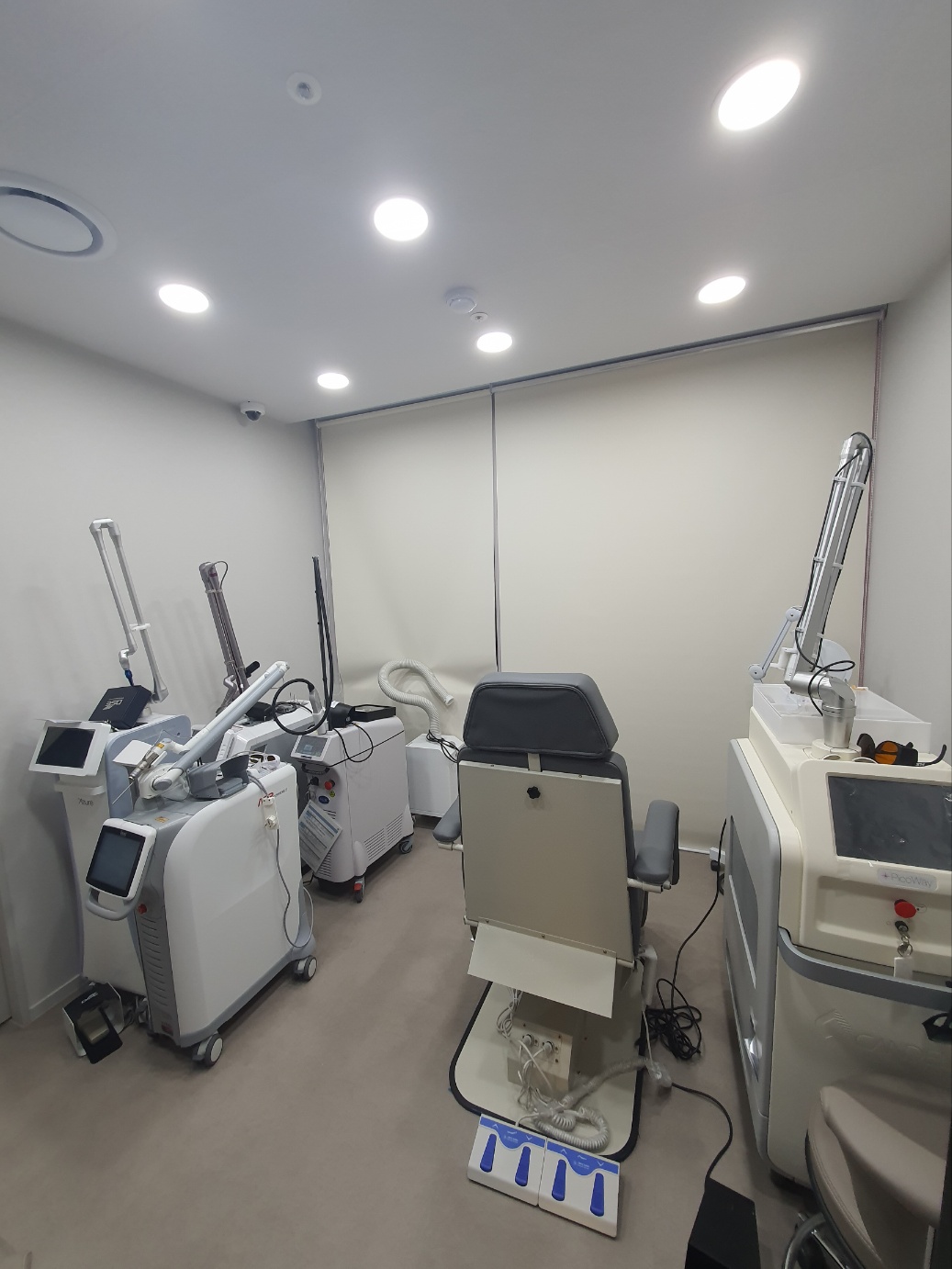
Muscle thickness assessment before Botox is the clinical process I use to evaluate the size, depth, tone, and movement pattern of facial muscles before planning injections. Rather than relying on automated tools, I utilize a detailed 'State Analysis' that combines visual observation and manual palpation so that dosing and placement match your individual anatomy. This 2026 guide walks through each method, what the findings mean, and the importance of a professional's eye in consultation.
Understanding Muscle Thickness Assessment Before Botox
Muscle thickness assessment is a structured evaluation of how much muscle bulk sits beneath the skin and how that muscle behaves during expression. As a dermatologist, I use it to translate anatomy into a treatment plan rather than relying on a standard template. Because facial muscles differ in size, depth, and pull between individuals, the same number of units can produce vastly different results from one person to another.
What Dermatologists Mean by Muscle Thickness
In my clinical practice, muscle thickness refers to the bulk of a facial muscle as felt through the skin during active contraction and at rest. The frontalis across the forehead, the glabellar complex between the brows, and the masseter at the jaw are common sites of evaluation. Thickness is only one variable. Tone at rest, contraction strength, and the direction of pull matter just as much, which is why I treat thickness as one input in a broader anatomical picture at LUNN. A thick muscle does not automatically require a large dose, and a thin muscle does not always respond lightly; the goal is achieving perfect harmony through 'Refining the Details.'
Why Muscle Thickness Matters for Botox Planning
Botox temporarily reduces the signal that tells a muscle to contract, so the amount of muscle present and the strength of its pull directly influence how much effect a given dose will produce. A muscle with strong bulk and forceful contraction may need a different plan than a thin muscle with light movement. Assessment also helps identify asymmetry, compensatory patterns, and areas where a conservative starting dose is wiser. The goal is balance across the face, not maximum weakening of any single muscle. Individual response still varies, and follow-up adjustment is often part of the plan to ensure a natural look.
The Difference Between Visual Assessment and Objective Clinical Analysis
Visual assessment relies on the clinician's trained eye, watching the face at rest and during expressions, and is the foundation of most consultations. Objective clinical analysis at LUNN adds manual palpation—physically feeling the muscle resistance—to quantify bulk and depth. While some clinics may look for automated templates, I believe that the 'doctor's eye' and 'doctor's touch' are the most precise tools for measuring dynamic movement. Visual and manual methods are essential for capturing the nuances of facial expression, though they depend heavily on examiner experience and a philosophy that avoids 'factory-style' injections.
How Dermatologists Evaluate Muscle Thickness: Step by Step
Evaluation follows a sequence that moves from observation to hands-on testing. This 'State Analysis' is a mandatory step at LUNN because 1mm of difference can completely change an impression. The process is individualized, and I personally perform every step from consultation to injection.
Dynamic Assessment: Observing Muscle Movement at Rest and in Motion
Dynamic assessment begins with the face in repose, noting resting tone, baseline asymmetry, and any habitual contraction. I then ask for specific expressions such as frowning, raising the brows, squinting, and smiling, observing how the muscle bundles activate and how the skin folds in response. This reveals contraction strength and patterns that a static photo cannot show. It also identifies compensatory muscles that may recruit when a primary muscle is treated. Findings here guide which areas to treat and which to leave alone to avoid a 'frozen' look.
Refined Tactile Assessment: The Core of State Analysis
Tactile assessment involves feeling the muscle through the skin to estimate bulk, tone, and the firmness of contraction. I ask the patient to contract while I press gently to judge how much muscle mass is present and how forcefully it engages. This manual testing helps locate the borders of a muscle and confirm the depth at which it sits—information that visual observation alone cannot provide. Experienced hands can detect meaningful differences between sides, which is critical when treating the masseter for jawline slimming to avoid 'cheek hollows' or unnatural expressions.
Structural Analysis and Anatomical Mapping
Before any injection, I analyze the overall facial structure, including eye protrusion, fat volume, and wrinkle depth. This mapping ensures that the Botox injection works in harmony with the surrounding tissue. I often tell my patients that just as a master photographer's eye matters more than the camera, a dermatologist's ability to 'read' the muscle structure determines the final result. This stage identifies the 'resistance' of the muscle, allowing for a plan that respects the natural movement of the face.
Comparing Assessment Methods: Advantages and Limitations
Each assessment method offers different strengths, and the best approach pairs techniques. The table below summarizes how visual observation, manual palpation, and anatomical mapping compare in everyday practice.
| Method | What It Captures | Advantages | Limitations |
|---|---|---|---|
| Visual assessment | Resting tone, expression patterns, asymmetry | Fast, captures real movement | Subjective, depends on experience |
| Manual Palpation | Muscle bulk, tone, contraction firmness, borders | Essential for depth, identifies 'resistance' | Depends on the clinician's tactile skill |
| Anatomical Mapping | Relationship between muscle, fat, and bone | Ensures facial harmony and balance | Requires deep knowledge of facial anatomy |
Manual Precision vs. Template Injections: A Comparison
Visual assessment and palpation are the backbone of my consultations because they capture how the face actually moves. Many 'factory-style' clinics rely on standard injection points (templates) which ignore individual thickness. In contrast, manual precision allows for a tailored dose. Manual methods answer how the muscle behaves and how thick it is in real-time, while templates only guess based on averages. At LUNN, I weigh both visual and tactile inputs to create a plan that values a conservative, natural result over a high-volume, generic one.
When Each Method Is Most Useful
Visual assessment suits first-time patients and straightforward expression lines. Palpation is mandatory when confirming asymmetry or estimating contraction strength in the jaw (masseter) or forehead before choosing a starting dose. Anatomical mapping is most valuable when prior treatments have changed the facial dynamic or when treating older patients where skin laxity must be considered. The choice is clinical, and patients should expect their physician to select methods based on anatomy and history rather than applying one approach to everyone.
Limitations and Factors That Affect Accuracy
No assessment method is perfectly precise. Visual and manual techniques vary with examiner experience and patient positioning. Muscle tone also fluctuates with stress, fatigue, and recent activity, so a single reading may not capture the full range. Prior Botox treatment can alter resting tone and complicate interpretation. These factors explain why I prefer a 'conservative approach'—injecting slightly less and observing the result. Follow-up visits remain important for confirming response and adjusting the plan. Individual results vary, and maintaining natural expression requires patience.
How Assessment Findings Guide Botox Dosing and Injection Technique
Assessment findings translate into a treatment plan through dosing, depth, and placement decisions. I convert anatomical observations into a starting dose and technique, then refine based on response. This step is where individualized care becomes concrete.
Translating Muscle Thickness into Individualized Units
There is no universal formula that converts thickness into units. I consider muscle bulk, contraction strength, treatment area, and the patient's goals together, then choose a conservative starting dose. A strong glabellar muscle may warrant a different approach than a thin frontalis, and asymmetry between sides may call for adjusted amounts on each side. Starting conservatively allows adjustment at follow-up rather than correction of an over-treated, unnatural result. Patients should understand that the first session is a calibration step.
Adjusting Injection Depth and Placement
Depth and placement follow from where the muscle sits and how it pulls. Manual palpation helps me judge the 'resistance' to decide how deep to place the needle so the product reaches the intended muscle layer. Placement also considers the direction of muscle pull and nearby structures, which is why small differences in position (even 1mm) can change the visible outcome. Precise placement supports a natural look and helps reduce the chance of unwanted effects such as brow heaviness. Technique is tailored to each area and each patient.
The Role of Facial Harmony and Expression Patterns
Facial harmony means balancing treatment across muscles so the face still moves naturally. Treating one muscle heavily while leaving its partners untouched can shift expression patterns and create an unnatural appearance. Assessment captures these relationships by showing which muscles work together during frowning, smiling, and squinting. I may treat some areas lightly and leave others alone to preserve your unique expression. At LUNN, this balance-focused approach reflects my philosophy that 'less is often more.'
Safety, Risks, and What Patients Should Know
Botox is a well-established cosmetic treatment, but it carries risks and limitations. Detailed assessment reduces some risks but does not eliminate them. An informed conversation with a qualified dermatologist is essential.
Potential Side Effects and Limitations of Botox
Common side effects include temporary redness, swelling, and bruising at injection sites. Less common effects include asymmetry, eyelid drooping (ptosis), headache, and, rarely, infection. Results are not permanent and typically last 3 to 4 months, so repeat treatments are needed to maintain the effect. Muscle thickness assessment and careful technique can lower the likelihood of unwanted outcomes, but no approach removes risk entirely. Patients should disclose medical history, medications, and prior treatments during the 'State Analysis' phase.
Why Individual Variation Matters
Facial anatomy, muscle strength, skin quality, and healing response differ from person to person, so identical doses can produce different results. Age, prior treatments, and lifestyle factors also influence response. This variability is why individualized assessment matters and why follow-up adjustment is part of professional care. I treat the first session as a starting point and expect a review visit to fine-tune dosing. Honest feedback about how the result feels and looks helps me refine your future plan. Results vary, and no outcome should be assumed to be permanent or perfect in one go.
Questions to Ask During Your Consultation
A good consultation invites questions. Patients can ask how I assessed their specific muscle thickness, why a certain dose was chosen, and what the plan is for maintaining facial harmony. Questions about downtime, expected duration, and signs of asymmetry to watch for are all appropriate. Asking about the clinician's experience with the specific treatment area is reasonable. Clear answers help set realistic expectations. At LUNN, my 'diagnosis-first' consultation is meant to give patients the information they need before deciding.
Key Takeaways
- Muscle thickness assessment at LUNN combines visual observation and manual 'State Analysis' (palpation) to understand individual facial anatomy.
- Thickness is just one factor; resting tone, contraction strength, and overall facial harmony are equally critical for natural results.
- Precision manual analysis is superior to generic injection templates, as it accounts for 1mm differences in muscle depth.
- Findings guide conservative starting doses and precise placement aimed at refining details rather than achieving a 'frozen' face.
- Botox carries risks like bruising and temporary asymmetry, making professional diagnosis and follow-up essential for safety.
Frequently Asked Questions
Q. What is muscle thickness assessment before Botox?
Muscle thickness assessment is the process I use at LUNN to evaluate the size, strength, and movement patterns of facial muscles. Instead of a 'one-size-fits-all' approach, I use visual observation and manual palpation (feeling the muscle) to understand how your muscles behave. This 'State Analysis' ensures the treatment is tailored to your unique anatomy.
Q. Why does a dermatologist need to feel the muscle (palpation) before Botox?
Facial muscles vary widely in depth and resistance. By manually checking the muscle bulk, I can identify the exact strength and borders of the muscle. This is critical for avoiding side effects like 'cheek hollows' in jaw Botox or heavy brows in forehead Botox, which often happen in 'factory-style' clinics that skip this step.
Q. How is LUNN's assessment different from other clinics?
At LUNN, I personally perform the 'State Analysis' for every patient. I do not delegate the consultation to staff. I focus on 'Refining the Details'—measuring not just thickness but how your muscles interact with your skin and fat layers. This detailed, hands-on approach aims for natural results rather than the generic, 'frozen' look of mass-produced injections.
Q. Can assessment predict exactly how many units I will need?
Assessment informs the starting dose but is not a 100% guarantee of the final amount. I often take a conservative approach, using a slightly smaller amount first and adjusting at a follow-up visit. This prevents over-treatment and ensures that your facial expressions remain natural. Individual response to Botox can vary even with identical muscle thickness.
Q. What are the risks of Botox if the assessment is skipped?
Skipping a detailed assessment increases the risk of 'over-injection,' which can lead to facial asymmetry, eyelid drooping, or a 'mask-like' expression. Without checking muscle thickness and depth, the product may be placed too deep or too shallow, leading to unsatisfactory results. A professional diagnosis is the best way to minimize these risks.
Q. How long does the assessment take?
The 'State Analysis' is integrated into your consultation and typically takes 10 to 15 minutes. During this time, I will ask you to make various facial expressions and will manually check the muscle resistance. This small investment of time is what ensures a high-quality, harmonious result.
If you have questions about Botox assessment or want a personalized 'State Analysis,' feel free to contact us for a consultation. For related reading, see why some people bruise easily after filler injections and whether Botox loses effectiveness over time. You can also follow my clinical insights on Threads @dr.lunn.
Lunn Dermatology Clinic / Dr. Hyung-kwon Park
FAQ
- What is muscle thickness assessment before Botox?
- Muscle thickness assessment is the process a dermatologist uses to evaluate the size, strength, and movement patterns of facial muscles before planning Botox injections. It combines visual observation, manual palpation, and sometimes ultrasound imaging to understand how muscles behave at rest and during expression. The findings help the physician choose appropriate dosing and placement for each patient's anatomy.
- Why does a dermatologist need to assess muscle thickness before Botox?
- Facial muscles vary widely between individuals in size, depth, and movement patterns. Assessment helps the dermatologist avoid over-treatment or under-treatment, reduce the risk of unwanted effects such as asymmetry or heaviness, and tailor treatment to individual anatomy. It reflects a careful, individualized approach rather than a one-size-fits-all injection.
- How is muscle thickness measured during a Botox consultation?
- Dermatologists typically combine methods. They observe the face at rest and during expressions such as frowning or smiling, palpate the muscles to feel bulk and tone, and sometimes use ultrasound for objective thickness and depth measurements. The method chosen depends on the clinical setting and the area being treated.
- Is ultrasound necessary for Botox planning?
- Ultrasound is not required for every Botox treatment, but it can provide useful objective information, especially in complex areas or for patients with prior treatments. Many dermatologists rely on visual assessment and palpation alone, which are well-established techniques. Your physician will decide whether imaging adds value in your case.
- How much does a Botox consultation with muscle assessment cost?
- Costs vary by clinic, location, and the complexity of the assessment. A consultation may be included in the treatment fee or charged separately. Because pricing depends on your individual plan, it is best to ask the clinic directly. Insurance typically does not cover cosmetic Botox treatments.
- Can muscle thickness assessment predict how much Botox I will need?
- Assessment informs dosing but does not provide an exact prediction. Muscle thickness, movement strength, and aesthetic goals all influence the number of units used. Dermatologists often start conservatively and adjust at follow-up based on response. Individual results vary, and some patients may need more or fewer units than expected.
- What are the risks or limitations of Botox treatment?
- Common side effects include temporary redness, swelling, and bruising at injection sites. Less common risks include asymmetry, eyelid drooping, or headache. Results are not permanent and typically last a few months, so repeat treatments are needed. Assessment can help reduce some risks but does not eliminate them, so discuss your history and concerns with your dermatologist.
- What should I do to prepare for a Botox consultation?
- Arrive with clean skin and be ready to discuss your medical history, medications, and previous cosmetic treatments. Avoid alcohol and blood-thinning medications for a few days beforehand if your physician advises. Bring questions about expected results, downtime, and costs so your dermatologist can plan the most appropriate treatment for you.