
Post
Why Do Some People Bruise Easily After Filler Injections? A 2026 Guide to Causes and Prevention
Hello, I am Dr. Park Hyung-kwon, a dermatologist at LUNN in Cheongdam and Apgujeong Rodeo. I personally oversee every step of your treatment—from the initial consultation to the final touch—to ensure a detailed and harmonious result.
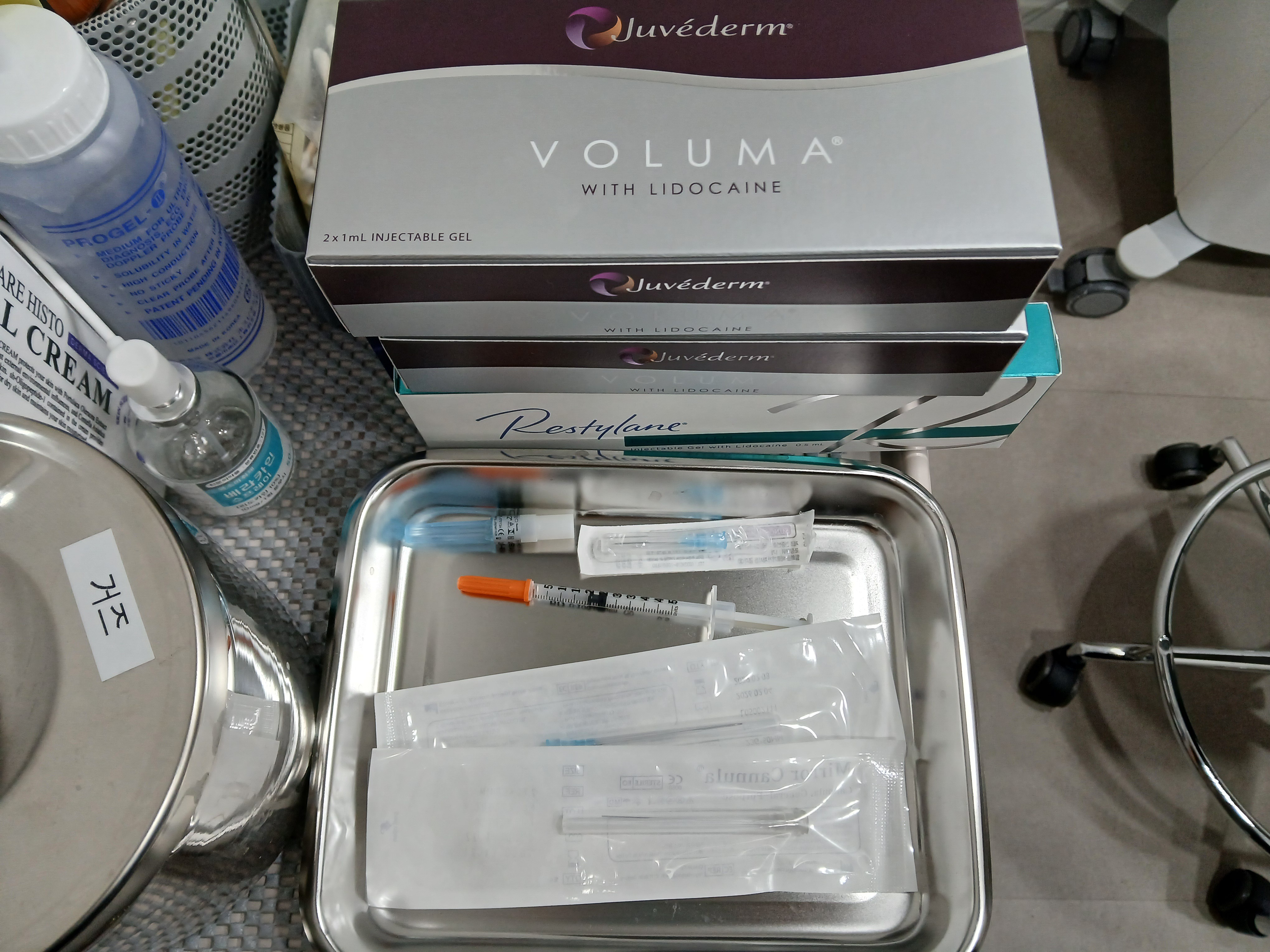
Understanding Filler Bruising: Definition and Causes
Filler bruising is a temporary discoloration of the skin that appears when a small blood vessel is nicked during a dermal filler injection, allowing blood to seep into surrounding tissue. It is one of the most common side effects of injectable treatment, and understanding why it happens is the first step toward reducing it. This guide walks through the anatomy, the risk factors, and the practical steps that can lower the odds of a noticeable bruise.
What Is Filler Bruising and Why Does It Happen?
Filler bruising is a localized collection of blood beneath the skin surface that develops when a needle or cannula passes through or near a small vessel. The face and lips carry a dense, superficial vascular network, so even a carefully placed injection can occasionally disturb a capillary. Once the vessel wall is breached, a small volume of blood leaks into the dermis, and the skin shows it as a red, purple, or bluish mark. The body then breaks down the pooled blood over roughly one to two weeks. At LUNN, I treat this as a manageable event rather than a complication, and my pre-treatment planning focuses on lowering the probability and the size of any mark. Please note that individual results may vary, and side effects like temporary swelling or redness can occur.
Common Causes of Easy Bruising After Dermal Fillers
The causes of easy bruising cluster around vessel fragility, medication effects, and injection mechanics. Blood-thinning agents, including aspirin, anticoagulants, and some supplements such as fish oil, vitamin E, and ginkgo, reduce clotting capacity. Alcohol has a similar short-term effect on platelet function. Age is another factor, because the dermal support structures that cushion small vessels thin over time. Technique matters as well: repeated passes and fast injection speeds can create more trauma. I review every medication and supplement list during consultation for exactly this reason to minimize potential risks.
Risk Factors That Make Some People Bruise More Easily
Several risk factors reliably predict who will bruise more easily. Genetics and inherent vessel fragility top the list, since some people simply have capillaries that rupture with less pressure. Older patients may also bruise more easily due to skin thinning. Medications and supplements remain the most modifiable factor: anticoagulants, aspirin, NSAIDs, fish oil, vitamin E, and ginkgo all increase bleeding tendency. Lifestyle adds another layer, because alcohol intake, smoking, and fatigue all affect vessel tone and healing. Anatomy is also relevant, since the lips, tear troughs, and temples carry dense vasculature. At LUNN, my consultation maps these factors before any injection, informing patients plainly about their specific anatomical profile.
How to Minimize Bruising Before and After Filler Injections
Minimizing filler bruising is a two-phase process: preparation in the days before treatment and disciplined aftercare in the first 48 hours. Neither phase can eliminate bruising entirely, because vessel anatomy varies, but together they meaningfully reduce both the likelihood and the duration of any mark. The following sections break down the steps that matter most.
Pre-Treatment Preparation to Reduce Bruising Risk
Pre-treatment preparation starts roughly one week before the appointment. Patients should review every medication and supplement with their prescribing physician before stopping anything, and only pause blood-thinning agents when approved. Alcohol should be avoided for 24 to 48 hours prior. Good hydration and adequate sleep help the dermis resist trauma. Arnica and bromelain are often mentioned, though they should be discussed with a clinician rather than self-prescribed. LUNN sends a written pre-care checklist that covers these points, and I confirm the medication list again on the day of treatment so nothing is missed.
Post-Treatment Care and Immediate Steps to Limit Bruising
Immediate aftercare shapes how a bruise develops. Cold compresses applied intermittently for the first 24 to 48 hours constrict vessels and limit the spread of any leak. Patients should avoid strenuous exercise, alcohol, saunas, hot yoga, and prolonged heat exposure for at least 24 hours, and keep the head elevated when resting. Touching or massaging the treated area should be avoided unless specifically instructed. LUNN provides a written aftercare sheet with these steps and a direct contact line for questions, ensuring that early care remains a priority.
Techniques Used by Injectors to Lower Bruising Incidence
Injector technique is a major, controllable variable in bruising risk. Experienced injectors map superficial vessels before entry and use a cannula in high-risk zones like the tear trough to reduce puncture points. Slow, steady injection with minimal passes reduces vessel trauma, and applying pressure at the entry point helps seal small leaks. At LUNN, my approach is a diagnosis-first plan: I assess the anatomy, match the product to the plane, and choose the technique to fit the site rather than the reverse. This individualized approach is essential for natural and safe results.
Comparing Filler Types and Injection Techniques for Bruising Risk
Bruising risk varies with the product and the delivery method, but no single option removes risk entirely. The table below summarizes how common choices differ in their relationship to bruising risk.
| Factor | Typical Bruising Consideration | Notes |
|---|---|---|
| Hyaluronic acid filler | Generally lower bruising association | Reversible, widely used, still carries risk |
| Thicker, higher-viscosity filler | May require larger needle or cannula | More trauma possible at entry point |
| Needle technique | More precise placement | Direct puncture can hit a vessel |
| Cannula technique | Single entry, blunt tip | Requires high technical skill |
| High-risk zones | Dense vasculature | Technique selection matters most |
Hyaluronic Acid vs. Other Fillers: Bruising Differences
Hyaluronic acid fillers are generally associated with a lower bruising tendency than some other product categories because they are available in a range of viscosities that allow smaller needles. Thicker fillers, by contrast, may demand a larger gauge needle or cannula, which can create more tissue trauma. That said, product choice is rarely the dominant factor. Injector skill and patient-specific bleeding tendency usually matter more than the product label. I match product viscosity to the anatomical plane at LUNN, which keeps the needle size as small as the site allows. Individual healing varies.
Needle vs. Cannula Techniques: Pros and Cons for Bruising
Needle and cannula techniques each carry distinct bruising trade-offs. A needle allows precise placement but each puncture is a chance to contact a vessel. A cannula uses a single entry point and a blunt tip that tends to push vessels aside rather than pierce them, which can lower bruising in high-risk zones like the tear trough. However, cannula work requires a high level of skill and is not suitable for every anatomical site. The right choice depends on anatomy and product. At LUNN, I select the technique based on a detailed assessment of each patient's facial structure.
Vascular Anatomy and Injection Sites: High-Risk Areas
The face carries a dense vascular network, and some zones are more prone to bruising than others. The lips have a rich capillary supply, the tear trough sits near the infraorbital vessels, and the temples host branches of the superficial temporal system. Knowing these maps is fundamental to safe injection, which is why a diagnosis-first consultation is non-negotiable. I review the vascular anatomy of each treatment site at LUNN before injection, and patients are informed about which areas are more likely to show a mark.
Managing Bruising: Aftercare, Timeline, and When to Seek Help
Managing a bruise is mostly about patience and consistency. Most filler-related marks follow a predictable course, and knowing the timeline helps patients avoid unnecessary worry while staying alert to genuine warning signs.
Typical Bruising Timeline and What to Expect
Most filler-related bruising resolves within 7 to 14 days. It often begins as small red spots or a purple patch, then shifts through green and yellow before fading completely. The lips and tear trough tend to show marks longer than the cheeks. Individual healing capacity varies with age and medication use, so recovery schedules will differ between patients. I set clear expectations at LUNN during consultation so patients can plan their commitments accordingly.
Home Remedies and Products to Speed Up Recovery
Home care can support bruise resolution. Cold compresses in the first 48 hours remain the most reliable step. Topical arnica gel or vitamin K oxide are commonly used, and some patients report benefit, though scientific evidence is limited. Sun protection helps prevent post-inflammatory pigmentation from settling into a healing bruise. In persistent cases, a clinician may consider other options, but self-treatment with lasers is not advised. LUNN provides a short aftercare list, and I invite patients to check in if a mark is not fading as expected.
Red Flags: When Bruising May Indicate a Complication
Most bruising is harmless, but certain signs require immediate attention. Severe pain out of proportion to the procedure, blanching (white skin), discoloration that worsens, or signs of infection (fever, spreading redness) should prompt an urgent call. These can signal vascular occlusion or infection, which need prompt assessment. Normal bruising improves gradually and should not intensify after the first day or two. LUNN gives every patient a direct contact line for immediate communication regarding any concerns.
Key Takeaways
- Filler bruising occurs when a small vessel is nicked during injection; it is common and usually harmless.
- Medications, supplements, alcohol, and genetics are the primary risk factors.
- Pre-treatment review and disciplined 48-hour aftercare reduce both the likelihood and duration of bruising.
- Most bruises resolve within 7 to 14 days, with individual variation.
- Severe pain, blanching, or infection signs require urgent medical assessment.
Frequently Asked Questions
Q. Why do some people bruise easily after filler injections?
Bruising happens when a small blood vessel is punctured, letting blood leak under the skin. Some people bruise more because of age, genetics, medications like blood thinners, supplements like fish oil, or habits such as alcohol use. Individual vessel fragility also plays a significant role.
Q. How can I prevent bruising before filler treatment?
Avoid blood-thinning medications and supplements for about a week before treatment—only if your prescribing doctor confirms it is safe—and skip alcohol for 24 to 48 hours prior. Always tell your injector about every medication and supplement you take.
Q. What should I do immediately after filler injections to minimize bruising?
Apply cold compresses intermittently for the first 24 to 48 hours and avoid strenuous exercise, alcohol, and prolonged heat for at least 24 hours. Keep your head elevated when resting and avoid touching the area unless instructed.
Q. How long does bruising typically last after filler?
Most filler-related bruising resolves within 7 to 14 days. It gradually fades through various colors before disappearing. Healing time varies depending on the treatment area and your personal healing capacity.
Q. Are there treatments or products that can speed up bruising recovery?
Topical arnica gel and vitamin K oxide may help some patients, though evidence is limited. Cold compresses early and sun protection to prevent pigmentation are recommended. Persistent cases should be reviewed by your clinician.
Q. When should I be concerned about bruising after filler?
Seek immediate medical attention if you experience severe pain, blanching, worsening discoloration, fever, or spreading redness. These can indicate rare but serious complications like vascular occlusion or infection.
Q. Does the type of filler affect bruising risk?
Filler viscosity and the required injection technique can influence risk. Thicker fillers may require larger needles, which can cause more entry trauma. However, injector skill and patient health history usually matter more than the product brand.
Q. Can I take blood thinners before filler injections?
Never stop prescribed blood thinners without consulting your doctor. If you are on blood thinners, inform your injector in advance so the technique can be adjusted. All over-the-counter products like aspirin should also be discussed.
Q. Is bruising after filler a sign of a bad injection?
Not necessarily. Bruising is a common side effect of injecting through skin rich in blood vessels. While advanced techniques reduce the chance, individual factors like vessel fragility mean bruising can happen even with excellent technique.
If you have questions about filler bruising or want a diagnosis-first plan, I welcome you for a consultation at LUNN. I am a dermatologist who personally reviews your anatomy, medications, and goals before recommending any treatment.
LUNN / Dr. Park Hyung-kwon. Threads @dr.lunn.
FAQ
- Why do some people bruise easily after filler injections?
- Bruising happens when a small blood vessel is punctured during injection, letting blood leak under the skin. Some people bruise more because of age, genetics, medications such as blood thinners, supplements like fish oil or vitamin E, or lifestyle habits such as alcohol use. Individual vessel fragility also plays a role, which is why two patients receiving similar treatment can have very different outcomes.
- How can I prevent bruising before filler treatment?
- Avoid blood-thinning medications and supplements for about a week before treatment only if your prescribing doctor confirms it is safe, and skip alcohol for 24 to 48 hours prior. Arnica or bromelain may help some patients, though evidence is limited. Stopping smoking and staying well hydrated support vessel health. Always tell your injector about every medication and supplement you take, including over-the-counter products.
- What should I do immediately after filler injections to minimize bruising?
- Apply cold compresses intermittently for the first 24 to 48 hours, and avoid strenuous exercise, alcohol, saunas, hot yoga, and prolonged heat for at least 24 hours. Keep your head elevated when resting and avoid touching or massaging the area unless your injector instructs it. Follow the specific aftercare instructions from your clinic, and call if anything looks unusual.
- How long does bruising typically last after filler?
- Most filler-related bruising resolves within 7 to 14 days. It may start as small red spots or a larger purple patch and gradually fade through yellow-green before disappearing. Healing time varies with bruising severity, treatment area, and personal healing capacity, so the timeline is a guide rather than a guarantee.
- Are there treatments or products that can speed up bruising recovery?
- Topical arnica gel, vitamin K oxide, and bromelain supplements may help some patients, though scientific evidence is limited. Cold compresses early and gentle massage after 48 hours can aid resolution when approved by your injector. Sun protection limits post-inflammatory pigmentation. Persistent cases should be reviewed by a clinician rather than self-treated.
- When should I be concerned about bruising after filler?
- Seek immediate medical attention if bruising comes with severe pain, blanching, discoloration that worsens, or signs of infection such as fever, spreading redness, or warmth. These can indicate vascular occlusion or infection, which need prompt treatment. Normal bruising should gradually improve, not worsen, after the first day or two.
- Does the type of filler affect bruising risk?
- Filler viscosity and injection technique can influence bruising. Thicker fillers may require larger needles or cannulas, which can cause more entry trauma. Hyaluronic acid fillers are generally associated with lower bruising risk than some other categories, but injector skill and site selection usually matter more than the product itself.
- Can I take blood thinners before filler injections?
- Never stop prescribed blood thinners without consulting your prescribing doctor. If you are on blood thinners, tell your injector in advance, since the technique or approach may be adjusted. Over-the-counter products such as aspirin should also be discussed with your doctor before any change.
- Is bruising after filler a sign of a bad injection?
- Bruising is a common and usually harmless side effect, not necessarily a sign of poor technique. Excessive or severe bruising may reflect a more traumatic injection or an underlying bleeding tendency. Choosing a qualified, experienced injector and disclosing your full medication history are the most reliable ways to reduce risk.