
Post
Does Botox Lose Effectiveness Over Time? A 2026 Guide to Tolerance and Prevention
Hi, I’m Dr. Hyung-kwon Park, a dermatology specialist at LUNN Dermatology Clinic. Botox tolerance describes a perceived or real decline in the effect of botulinum toxin injections over time, and understanding it is the first step toward keeping treatment predictable for years.
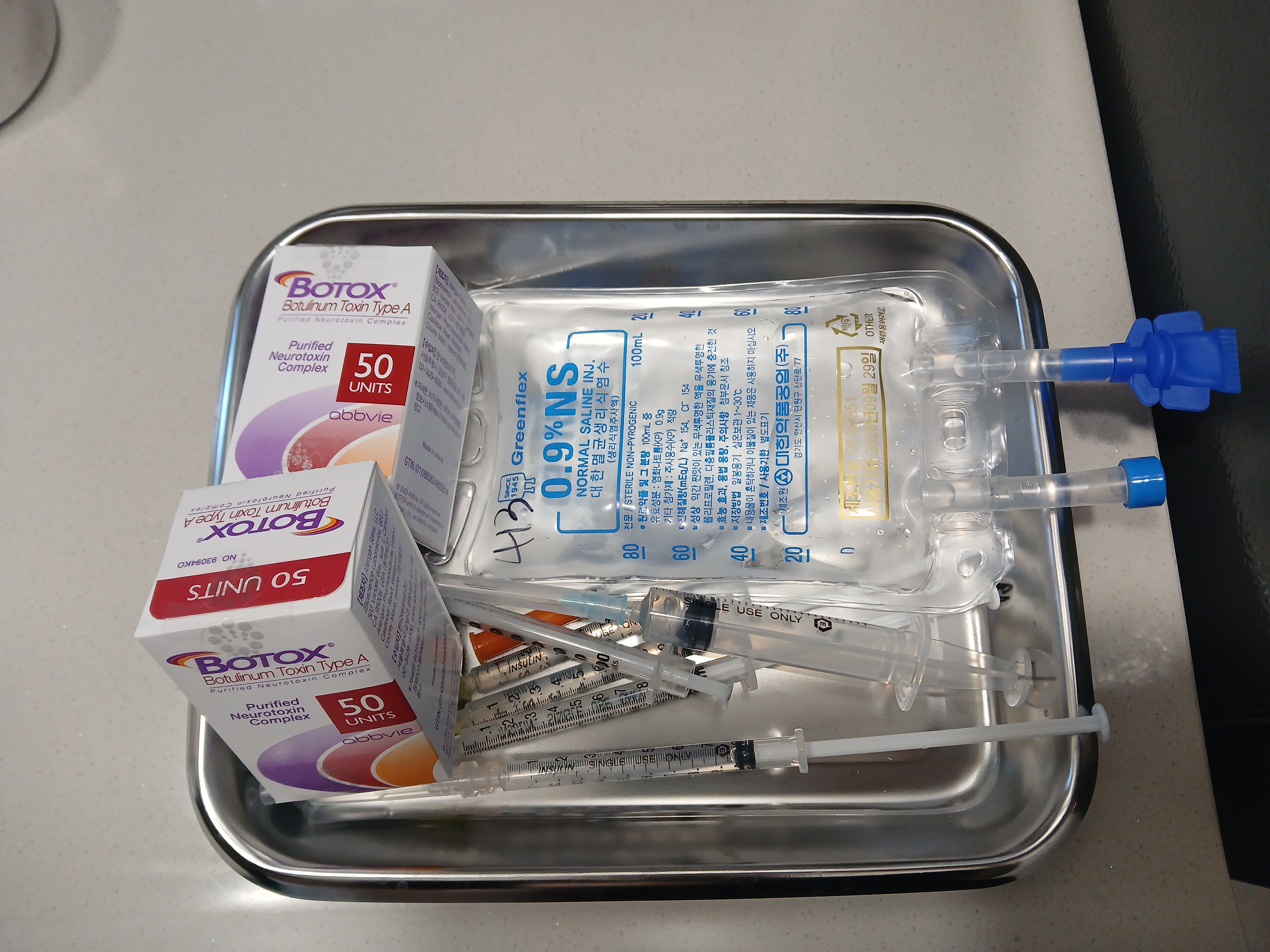
In my clinical experience, this guide explains the science, the myths, the factors that influence longevity, and the practical habits that help preserve response. It is written for anyone who wonders whether their neuromodulator is quietly losing power, and for those planning a first treatment with LUNN in 2026.
Understanding Botox Tolerance: Does It Really Lose Effectiveness?
Botox tolerance is the clinical concept that repeated botulinum toxin type A injections may produce a smaller or shorter response, either because of true neutralizing antibodies or because of factors unrelated to immunity. For most people, the product does not simply wear out. Perceived tolerance often traces back to technique, dosing, muscle adaptation, or product handling rather than to the molecule itself.
What Botox Is and How It Works Over Time
Botulinum toxin type A is a purified protein that temporarily blocks acetylcholine release at the neuromuscular junction. In cosmetic use, this softens the contraction of targeted muscles such as the glabella, forehead, and crow's feet. The effect is not permanent because the body gradually restores nerve signaling through axonal sprouting, typically within three to four months. Individual results may vary, and temporary side effects such as bruising, swelling, or redness may occur. Repeat treatments maintain the relaxed state, and over time some patients notice the muscles themselves become less hypertrophic, which can make results feel more stable. However, the duration of each cycle depends on dose, muscle mass, metabolism, and the precision of placement. At LUNN, dosing is planned around these variables rather than a fixed template, because a single unit count rarely suits two different faces. This is also why clinicians sometimes adjust intervals and units together instead of assuming the toxin is failing.
The Science Behind Perceived Botox Tolerance
Perceived tolerance refers to a declining response that is not caused by neutralizing antibodies. Research and clinical experience suggest several contributors. First, muscle memory: repeated contraction can partially restore resting tone, so patients see movement return sooner even when the toxin is working fully. Second, dosing habits: frequent top-ups at short intervals may train the immune system to recognize the protein more readily. Third, injection technique and product handling errors, such as dilution mistakes or improper storage, can reduce potency without any change in the patient. True immunogenicity is rare. When it is studied, neutralizing antibody formation is estimated to affect a small minority of cosmetic patients, and it is more often linked to high cumulative doses or short dosing intervals. The distinction matters because only antibody-related tolerance calls for a change in product class, while most other causes respond to better planning.
Common Myths vs. Clinical Reality
Several myths surround botulinum toxin. One is that the product stops working after several years of use, which clinical reality does not support for most patients who follow recommended intervals. Another is that switching brands resets tolerance, yet the evidence for that is weak. A third is that higher doses always build tolerance, when the more accurate statement is that cumulative exposure and interval matter more than a single session. What clinicians actually observe is that patients who are dosed carefully, treated at appropriate intervals, and reviewed regularly tend to maintain consistent results. It also helps to remember that apparent failure can come from a different clinic's dilution practice or from treating the wrong muscle group. LUNN approaches each case with an anatomy-first assessment, because a result that fades early is often a mapping problem before it is an immunity problem.
Key Factors That Influence Botox Longevity and Response
Longevity is the duration of effect from a single session, and it is influenced by injector skill, individual biology, and immune response. No single factor explains every case, which is why a careful consultation looks at all three before adjusting a plan.
Injection Technique and Product Handling
Technique and handling are among the most controllable determinants of response. Accurate placement into the intended muscle, respect for anatomical landmarks, and consistent depth all affect how much of the dose reaches its target. Product handling matters equally: botulinum toxin must be stored and reconstituted according to label instructions, and once reconstituted it should be used within the recommended window. Improper dilution can concentrate or dilute the effective dose, while rough handling can reduce potency. A provider who tracks lot numbers and storage conditions can rule out product issues when a patient reports a weaker result. In practice, many early fades are corrected simply by revisiting the injection map and the dose distribution rather than by switching products. LUNN documents each session's mapping and units, which makes it easier to identify whether a shorter cycle is a technique issue or a genuine physiological shift.
Patient-Specific Factors: Metabolism, Muscle Mass, and Lifestyle
Individual biology shapes how long a neuromodulator lasts. Patients with higher muscle mass in the treated area often require more units and may see movement return sooner. Metabolic rate, age, and baseline skin quality also influence perceived results. Lifestyle factors are frequently overlooked. Intense exercise, sauna use, and facial massage in the first 24 to 48 hours after injection may theoretically increase dispersion, although the evidence is limited. Sun exposure and smoking affect skin quality and can make lines look deeper even when muscles are relaxed. Hormonal changes, including pregnancy and menopause, can alter skin behavior. A realistic expectation is that the same dose may produce slightly different durations across seasons and life stages. Regular review allows these variables to be factored into the plan rather than being treated as evidence of tolerance.
The Role of Antibody Formation (Immunogenicity)
Immunogenicity is the immune system's production of antibodies against the toxin protein. Neutralizing antibodies can reduce or abolish the effect, but this is uncommon in cosmetic practice. Risk appears higher with frequent injections at short intervals, with high cumulative doses, and with earlier formulations that contained more complex protein loads. Modern formulations are generally considered less immunogenic, although no product is entirely free of this risk. When antibodies are suspected, a clinician may observe a consistent non-response across multiple sessions and different muscles. In that situation, switching to another botulinum toxin type A or considering a non-toxin alternative may be reasonable. Importantly, most patients who suspect antibodies do not have them; a documented review of dosing history and technique is the sensible first step before any change in strategy.
Comparing Treatment Approaches: High-Dose vs. Low-Dose, Frequency, and Alternatives
Treatment approach is the planned combination of dose, interval, and product choice used to maintain a consistent result. The table below summarizes common options neutrally, with attention to individual suitability rather than a ranking.
High-Dose, Less Frequent vs. Low-Dose, More Frequent: Pros and Cons
High-dose, less frequent treatment uses a larger unit count with longer intervals, often every four to six months. Advantages can include fewer visits and a more complete relaxation of strong muscles. Limitations include a higher cumulative exposure per session and a heavier, sometimes less natural look in expressive areas. Low-dose, more frequent treatment uses smaller doses at shorter intervals, often every three months. Advantages can include a softer, more expressive result and easier adjustment. Limitations include more visits and a higher cumulative number of exposures over time. Neither approach is universally superior. The right choice depends on muscle strength, prior response, lifestyle, and the patient's preference for natural movement versus maximal softening. It is worth noting that a consistent schedule alone does not guarantee results, and some patients need dose rather than interval adjustments. LUNN individualizes this decision using response history rather than a fixed protocol.
Botox vs. Other Neuromodulators and Fillers: A Comparison Table
| Option | Mechanism | Typical Duration | Recommended Indications | Key Considerations |
|---|---|---|---|---|
| Botulinum toxin type A (e.g., Botox) | Blocks acetylcholine release at the neuromuscular junction | About 3 to 4 months | Dynamic lines from muscle contraction | Dose- and technique-dependent; rare antibody risk |
| Other botulinum toxin type A products (e.g., Dysport, Xeomin) | Same class, different formulation and diffusion profile | About 3 to 4 months | Patients seeking a different spread or protein profile | Response varies; switching does not reliably prevent tolerance |
| Hyaluronic acid fillers | Adds volume and structure beneath the skin | About 6 to 18 months | Static volume loss, folds, contour | Different mechanism; does not relax muscle |
| Collagen biostimulators | Stimulates collagen production over time | Months, with gradual onset | Skin quality and structural support | Not a muscle relaxant; results build gradually |
| Skin boosters and regenerative injectables | Improves hydration and dermal quality | Weeks to months | Texture, fine lines, overall skin quality | Complementary, not a substitute for neuromodulators |
This table is for general education. Suitability varies by anatomy, medical history, and goals. A dermatologist can help determine which option fits a specific case, and combinations are often planned rather than chosen in isolation.
When to Consider Alternative Treatments
Alternative treatments are worth considering when a documented pattern suggests the current approach is not serving the patient. Signs include consistently short duration despite appropriate dosing, a non-response across multiple muscles, or a desire for a different aesthetic that muscle relaxation alone cannot achieve. In such cases, a clinician may review the dosing history, assess technique, and consider a different botulinum toxin type A product or a non-toxin approach. Fillers and collagen biostimulators address volume and skin quality rather than movement, so they are complementary in many plans. It is also reasonable to pause treatment and observe baseline muscle activity before deciding. Patients should understand that no switch guarantees a longer result, and that individual variation is normal. A measured, evidence-based conversation is more useful than a dramatic change in protocol.
Practical Strategies to Maintain Botox Effectiveness
Maintenance is the deliberate planning of dose, interval, and aftercare to preserve consistent response over time. Small adjustments made early often prevent the perception of tolerance later.
Proper Injection Scheduling and Dose Adjustment
Scheduling is the backbone of consistent results. Most patients do well with intervals of about three to four months, and drifting much shorter without clinical reason may increase cumulative exposure. Adjusting dose is equally important: if movement returns early, raising the dose slightly or refining the injection map may be more appropriate than shortening the interval. Conversely, if results feel heavy or unnatural, a lower dose or a more selective map can restore expression. Recording units, product, and mapping at each visit makes these decisions data-driven rather than guesswork. Patients should also be honest about prior treatments elsewhere, since inconsistent dosing history is a common reason for unpredictable response. At LUNN, each session is planned as part of a longer sequence, not as an isolated event.
Pre- and Post-Treatment Care to Optimize Results
Pre- and post-treatment care supports predictable outcomes. Before treatment, patients should disclose medications that affect bleeding, such as anticoagulants, and any history of neuromuscular disorders. After treatment, avoiding strenuous exercise, saunas, and facial massage for about 24 hours is a reasonable precaution, although evidence is limited. Avoiding alcohol on the day of treatment may reduce bruising. Gentle skincare and sun protection support skin quality between sessions. Providers should explain expected timelines: onset usually begins within a few days and peaks around two weeks. Patients who know what to expect are less likely to interpret normal fluctuation as failure. Common side effects include temporary redness, swelling, and mild bruising at injection sites; these usually resolve on their own. More serious effects are rare but should be discussed before treatment.
Lifestyle and Skincare Habits That Support Longevity
Lifestyle habits influence how results look and feel. Consistent sun protection helps prevent collagen breakdown that makes lines appear deeper. Adequate sleep and stress management support skin recovery. Smoking is associated with faster skin aging and should be discussed openly. A balanced skincare routine with retinoids, antioxidants, and moisturizers can improve texture, making relaxed muscles look smoother. Facial exercises are sometimes promoted as a way to extend results, but evidence is limited and overuse may work against relaxation. Patients should also manage expectations around aging itself, since structural changes and volume loss continue regardless of muscle relaxation. Combining neuromodulators with appropriate skin treatments, such as collagen-stimulating options, can address multiple layers. Those exploring complementary approaches may find value in a guide to collagen biostimulators for facial volume or a review of filler injection principles for natural results.
Safety, Side Effects, and When to Consult a Specialist
Safety is the balanced discussion of expected effects, possible side effects, and the situations that warrant medical review. No injectable is entirely free of risk, and informed consent depends on understanding this.
Recognizing Normal Side Effects vs. Complications
Normal side effects include temporary redness, swelling, mild bruising, and slight headache after treatment. These usually resolve within days. Complications are uncommon but include asymmetry, eyelid drooping, and, rarely, migration of effect to adjacent muscles. Most such events are temporary and improve as the toxin wears off. Patients should know which symptoms are expected and which require a call. Persistent double vision, difficulty swallowing, or significant muscle weakness are reasons to seek medical advice promptly. A clear aftercare conversation reduces anxiety and improves safety. It is also reasonable to ask how the clinic handles unexpected outcomes and what follow-up is available.
The Importance of Provider Selection and Follow-Up
Provider selection and follow-up strongly influence both safety and consistency. An experienced injector understands facial anatomy, adjusts dose to muscle mass, and documents each session. Follow-up allows early correction of small asymmetries and informed dose adjustment. Clinics that track product, lot, and mapping can identify patterns if response changes. Patients should feel comfortable asking about credentials, experience, and how complications are managed. A structured review at two weeks and again before the next session is a practical standard. This is the approach taken at LUNN, where diagnosis-first care and detailed record-keeping support consistent, individualized planning.
Red Flags: When to Seek Medical Advice
Red flags are symptoms that warrant prompt medical evaluation rather than waiting for the next appointment. These include difficulty breathing or swallowing, severe muscle weakness, signs of infection such as spreading redness or fever, and any allergic reaction such as hives or facial swelling. Persistent asymmetry or eyelid drooping should be reviewed, although these are usually temporary. Patients with neuromuscular disorders or those taking interacting medications should be assessed before any treatment. When in doubt, contacting the treating clinic is appropriate. A conservative approach is always preferable to reassurance without assessment.
Key Takeaways
- Botox does not inherently stop working for most people; perceived tolerance often reflects technique, dosing, or muscle adaptation.
- True neutralizing antibody formation is uncommon and is more associated with frequent, high cumulative doses.
- Consistent intervals of about three to four months and individualized dosing help preserve predictable response.
- Product handling, injection mapping, and documentation are practical, controllable factors in longevity.
- Balanced expectations, aftercare, and regular follow-up support both safety and satisfaction. Individual results vary, and a consultation with a qualified provider can clarify your situation.
Frequently Asked Questions
Q. Does Botox lose its effectiveness over time?
For most people, botulinum toxin does not inherently lose effectiveness. Perceived decline often traces to injection technique, dose, muscle adaptation, or product handling. True antibody-related non-response is uncommon. A clinician can review dosing history and mapping to determine whether a genuine change has occurred. Individual results vary, so an assessment with a qualified provider is the sensible first step.
Q. How can I prevent Botox tolerance?
Prevention centers on appropriate intervals, usually about three to four months, and the lowest effective dose. Avoiding very short intervals and very high cumulative doses lowers theoretical immunogenicity risk. Choosing an experienced injector and documenting each session also helps. Lifestyle habits such as sun protection support skin quality but do not replace sound dosing. A consistent, reviewed plan is more useful than frequent top-ups.
Q. What are the signs that Botox is not working as well?
Signs include shorter duration, reduced muscle relaxation, or needing higher doses for the same effect. These can reflect technique, product variability, or individual physiology rather than immunity. A consistent pattern across multiple sessions and muscles is more suggestive of a true change. Reviewing records with your provider helps distinguish the cause before changing strategy.
Q. Is it safe to switch between different neuromodulators?
Switching between FDA-approved botulinum toxin type A products is generally considered safe when performed by a qualified provider. Each product has slightly different characteristics, and dosing must be adjusted. Evidence that switching prevents tolerance is limited. The decision should rest on individual response and clinical judgment rather than on routine rotation.
Q. Can I develop antibodies to Botox?
Yes, in rare cases patients can develop neutralizing antibodies that reduce or eliminate the effect. Risk appears higher with frequent injections and high cumulative doses. Using the lowest effective dose at recommended intervals lowers this theoretical risk. If antibodies are suspected, a provider may recommend an alternative approach after review.
Q. What should I do if I experience side effects from Botox?
Common effects include temporary redness, swelling, and mild bruising, which usually resolve on their own. Serious effects are rare but may include muscle weakness or allergic reactions. Contact your provider promptly for any unusual or persistent symptom, especially difficulty swallowing or breathing. Choosing an experienced injector and discussing risks beforehand reduces avoidable complications.
Q. Are there natural alternatives to Botox for wrinkle reduction?
No natural option replicates the muscle-relaxing effect of botulinum toxin. Topical retinoids, antioxidants, and procedures such as microneedling or laser therapy can improve skin texture and fine lines. They work differently and may not provide the same degree of softening. A dermatologist can help combine approaches appropriately for your goals.
Q. How often should treatment be repeated to keep results consistent?
Most patients do well with intervals of about three to four months, adjusted to individual response. Waiting until movement returns fully can sometimes make the next result feel less smooth. Shortening intervals without clinical reason may increase cumulative exposure. A scheduled review helps fine-tune dose and timing, and individual variation is expected.
If you are concerned about changing response to neuromodulators, a consultation can help clarify the cause and plan next steps. Lunn Dermatology Clinic in Cheongdam, Seoul, provides diagnosis-first care led by a dermatology specialist. For questions, reach us through the clinic's official channels or Threads @dr.lunn.
FAQ
- Does Botox lose its effectiveness over time?
- For most people, botulinum toxin does not inherently lose effectiveness. Perceived decline often traces to injection technique, dose, muscle adaptation, or product handling. True antibody-related non-response is uncommon. A clinician can review dosing history and mapping to determine whether a genuine change has occurred. Individual results vary, so an assessment with a qualified provider is the sensible first step.
- How can I prevent Botox tolerance?
- Prevention centers on appropriate intervals, usually about three to four months, and the lowest effective dose. Avoiding very short intervals and very high cumulative doses lowers theoretical immunogenicity risk. Choosing an experienced injector and documenting each session also helps. Lifestyle habits such as sun protection support skin quality but do not replace sound dosing. A consistent, reviewed plan is more useful than frequent top-ups.
- What are the signs that Botox is not working as well?
- Signs include shorter duration, reduced muscle relaxation, or needing higher doses for the same effect. These can reflect technique, product variability, or individual physiology rather than immunity. A consistent pattern across multiple sessions and muscles is more suggestive of a true change. Reviewing records with your provider helps distinguish the cause before changing strategy.
- Is it safe to switch between different neuromodulators?
- Switching between FDA-approved botulinum toxin type A products is generally considered safe when performed by a qualified provider. Each product has slightly different characteristics, and dosing must be adjusted. Evidence that switching prevents tolerance is limited. The decision should rest on individual response and clinical judgment rather than on routine rotation.
- Can I develop antibodies to Botox?
- Yes, in rare cases patients can develop neutralizing antibodies that reduce or eliminate the effect. Risk appears higher with frequent injections and high cumulative doses. Using the lowest effective dose at recommended intervals lowers this theoretical risk. If antibodies are suspected, a provider may recommend an alternative approach after review.
- What should I do if I experience side effects from Botox?
- Common effects include temporary redness, swelling, and mild bruising, which usually resolve on their own. Serious effects are rare but may include muscle weakness or allergic reactions. Contact your provider promptly for any unusual or persistent symptom, especially difficulty swallowing or breathing. Choosing an experienced injector and discussing risks beforehand reduces avoidable complications.
- Are there natural alternatives to Botox for wrinkle reduction?
- No natural option replicates the muscle-relaxing effect of botulinum toxin. Topical retinoids, antioxidants, and procedures such as microneedling or laser therapy can improve skin texture and fine lines. They work differently and may not provide the same degree of softening. A dermatologist can help combine approaches appropriately for your goals.
- How often should treatment be repeated to keep results consistent?
- Most patients do well with intervals of about three to four months, adjusted to individual response. Waiting until movement returns fully can sometimes make the next result feel less smooth. Shortening intervals without clinical reason may increase cumulative exposure. A scheduled review helps fine-tune dose and timing, and individual variation is expected.