
Post
Medical-Grade Skin Rejuvenation Programs: A 2026 Dermatologist's Guide to Clinical Skin Renewal
Hello, I am Dr. Hyung-kwon Park, a board-certified dermatologist at LUNN in the Cheongdam and Apgujeong Rodeo area. I believe a medical-grade skin rejuvenation program is a physician-supervised plan that combines clinical assessment, prescription-strength topicals, energy-based devices, and injectable treatments to address skin concerns at a depth that cosmetic products cannot reach.
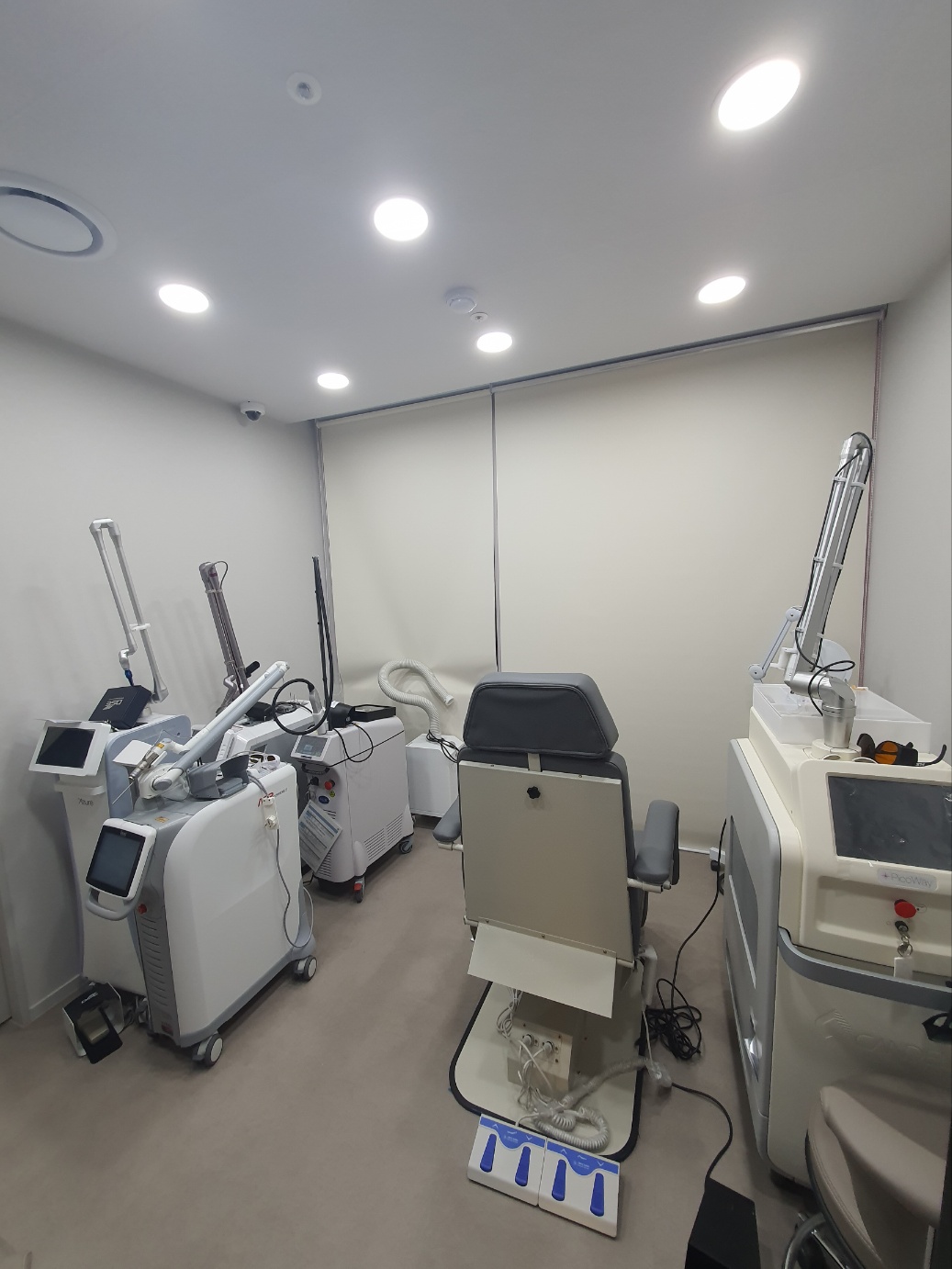
This guide explains how these programs are structured, what they can and cannot do, and how to evaluate a provider before committing in 2026.
What Is Medical-Grade Skin Rejuvenation?
Medical-grade skin rejuvenation is a coordinated, clinician-led approach to improving skin texture, tone, and structural quality using tools and actives that require professional oversight. The term describes a program, not a single product or device, and it implies diagnostics, planning, and follow-up rather than a one-time purchase.
Definition: Clinical vs. Cosmetic Skin Rejuvenation
Clinical rejuvenation differs from cosmetic rejuvenation mainly in supervision, depth, and endpoint. A cosmetic approach typically relies on over-the-counter creams, home devices, and spa facials that work at the surface and require no prescription. A clinical approach is designed and monitored by a physician, may involve prescription concentrations or energy devices, and targets dermal remodeling or pigment pathways that consumer products cannot meaningfully reach. The distinction is functional, not a judgment of value: each has a place, and many people use both. For readers weighing the scope of a clinical plan, a structured overview of personalized anti-aging skin care design can clarify how diagnostics shape treatment selection. Individual response varies, and a program should always be tailored to the skin in front of the physician, not to a template.
How Medical-Grade Programs Differ from At-Home Care
The core differences are assessment depth, active-ingredient concentration, device energy, and accountability. At-home routines depend on self-diagnosis, while a medical-grade program begins with a clinical evaluation of skin type, barrier status, pigment activity, vascular findings, and structural aging. Concentration matters as well: many prescription topicals use retinoid or depigmenting strengths that are not available in consumer products, and energy devices deliver controlled thermal or mechanical effects that require operator training. Accountability is the fourth difference. A program includes scheduled reviews, adjustment of parameters, and documentation of how the skin responds. None of this makes at-home care unimportant. Daily photoprotection, gentle cleansing, and barrier support remain the foundation on which any clinical work is built, and a program that ignores maintenance is unlikely to hold its results.
Who Typically Considers a Medical-Grade Program
People usually consider a medical-grade program when a specific concern has plateaued despite consistent home care. Common profiles include adults noticing early textural change, patients with post-acne marks or uneven tone, those preparing for a significant event, and people whose skin has become reactive or difficult to manage with retail products. Others seek a structured plan after pregnancy, after weight change, or when starting a long-term anti-aging strategy. Age is a poor filter on its own. What matters more is skin behavior, medical history, and realistic goals. Candidacy is determined at consultation, and some patients are better served by a simpler routine, a different specialty referral, or a period of barrier repair before any active treatment begins.
Key Components of a Medical-Grade Skin Rejuvenation Program
A medical-grade program is a sequence of assessment, intervention, and maintenance, with each stage informing the next. At LUNN, I believe the structure of the plan matters as much as the individual treatments, because skin responds to timing and layering rather than to isolated sessions.
Skin Assessment and Personalized Planning
Assessment is the diagnostic step that determines everything downstream. A physician evaluates skin type, hydration, sebum activity, barrier integrity, pigment patterns, vascular features, and laxity, then correlates those findings with history, medications, and prior treatments. Photography under consistent lighting supports comparison over time. The output is a written plan with prioritized goals, a proposed sequence, expected intervals, and defined review points. Personalization is not a marketing word here; it changes parameters. Two patients with similar concerns may receive different energy settings, different topical strengths, and different spacing because their barrier status or pigment activity differs. A plan should also state what will not be done and why, which is a useful marker of clinical judgment rather than sales pressure.
Energy-Based and Injectable Modalities
Energy-based devices and injectables are the interventional core of many programs. Energy modalities, including laser, intense pulsed light, radiofrequency, and focused ultrasound, produce controlled thermal or mechanical effects that can support collagen remodeling or target pigment and vascular concerns. Injectable options include skin boosters, biostimulators, and neuromodulators, selected according to the concern and the tissue layer involved. Selection depends on the target: pigment, texture, pore size, redness, laxity, and volume are different problems requiring different tools. Combining modalities in one program is common, but sequencing and spacing matter because the skin needs recovery between interventions. A clinically grounded view of layered lifting appears in this guide to Ultherapy and Thermage synergy. Temporary redness, swelling, and sensitivity can follow these treatments, and individual response varies.
Medical-Grade Topicals and Maintenance
Topicals carry the program between sessions and largely determine durability. Prescription retinoids, depigmenting agents, and barrier-supportive formulations are introduced gradually to limit irritation, with strength and frequency adjusted at each review. Maintenance is not an afterthought: photoprotection, gentle cleansing, and consistent actives sustain what procedures achieve, and skipping them shortens the benefit. A practical approach is to simplify the routine during active treatment phases, then reintroduce supportive actives as tolerance returns. Patients often ask whether they should pause their usual products, and the answer depends on the actives involved, so disclosure at consultation is essential. Detailed guidance on post-treatment routines is available in this overview of medical-grade skincare and recovery management.
Medical-Grade vs. Over-the-Counter: A Side-by-Side Comparison
Comparing clinical and consumer approaches is best done on structural dimensions rather than marketing claims. The table below describes characteristics of each category in neutral terms.
Comparison Table: Strength, Depth, Supervision, and Downtime
| Dimension | Medical-Grade Program | Over-the-Counter Care |
|---|---|---|
| Active strength | May include prescription concentrations | Limited to cosmetic concentrations |
| Target depth | Epidermis through dermis, depending on modality | Primarily surface epidermis |
| Supervision | Physician assessment, planning, and review | Self-directed |
| Personalization | Adjusted to clinical findings and response | General product categories |
| Downtime | Variable; some modalities cause temporary redness or swelling | Typically none |
| Cost structure | Consultation plus per-session fees | Retail pricing |
| Risk profile | Procedure-related risks, managed by a clinician | Irritation or allergy possible |
The table lists characteristics, not rankings. Each approach suits different goals, and many patients combine them.
Realistic Expectations and Limits of Each Approach
Over-the-counter care can improve hydration, barrier comfort, and mild textural concerns when used consistently, but it generally cannot remodel dermal collagen or resolve established pigment patterns. Medical-grade programs can address concerns at greater depth, yet they are not a reset button. Results build gradually, some concerns require serial sessions, and maintenance is usually necessary because skin continues to age. Neither approach replaces photoprotection, and neither produces identical outcomes in every patient. Setting expectations around improvement rather than perfection is a consistent way to judge whether a program is working. Please note that individual results may vary depending on skin type and condition.
What to Expect During a Medical-Grade Program at LUNN
A program at LUNN follows a defined arc: consultation and design, active treatment with recovery planning, then monitoring and maintenance. Knowing the arc in advance helps patients plan around work and social commitments.
Consultation and Individualized Design
Consultation is a clinical conversation, not a menu selection. It covers goals, history, prior treatments, medications, and lifestyle factors that affect healing, followed by examination and, where useful, photographic documentation. The physician then proposes a sequence with intervals, explains alternatives including doing less, and states the limits of what the plan can reasonably achieve. Individualized design means parameters and product choices are set by findings, not by package defaults. Patients should leave with a written outline and a clear sense of cost structure and time commitment. Questions are encouraged, and a second visit before deciding is a reasonable request that a confident clinician will not resist.
Treatment Sessions and Recovery
Sessions vary by modality. Energy-based treatments often involve topical anesthesia, protective eyewear, and cooling, with duration depending on the area treated. Injectable sessions are shorter. Recovery ranges from hours of mild redness to several days of sensitivity, depending on settings and skin reactivity. Most patients return to routine activities quickly, but makeup timing, exercise, and sun exposure need temporary adjustment. Instructions should be specific and written. Reporting unexpected symptoms promptly allows early management, and follow-up contact should be part of the program rather than an extra. Individual healing differs, so timelines given at consultation are estimates rather than fixed schedules.
Monitoring, Adjustments, and Long-Term Maintenance
Monitoring converts a series of sessions into a program. Reviews compare photographs and patient-reported outcomes, then adjust strength, settings, or spacing. Some plans are stepped down once goals are met; others shift toward maintenance intervals. Long-term maintenance usually combines periodic clinical sessions with a stable home routine and consistent photoprotection. Patients who stop entirely often see gradual return of the original concern, which is expected rather than a failure. A candid conversation about maintenance frequency and cost belongs at the start, not after the first series ends.
Safety, Side Effects, and Candidacy
Safety in medical-grade rejuvenation depends on proper patient selection, appropriate settings, and physician oversight. Understanding common reactions and contraindications helps patients participate in their own risk management.
Common, Temporary Reactions and How They Are Managed
Temporary redness, mild swelling, tenderness, and dryness are the most frequently reported reactions after energy-based or injectable treatments. They usually resolve within days and are managed with cooling, gentle cleansing, barrier support, and strict photoprotection. Temporary pigment change can occur, particularly in patients with active pigmentary conditions, and is addressed by adjusting settings and adding targeted topical care. Less common risks include infection, scarring, and persistent pigment alteration; these are uncommon but possible, which is why procedures are performed under clinical supervision with clear instructions for reporting concerns.
Who May Not Be a Good Candidate
Some patients are better served by delaying treatment. Active skin infection, uncontrolled inflammatory conditions, pregnancy or breastfeeding, certain medications that affect healing or photosensitivity, and a history of keloid scarring warrant caution or postponement. Patients with unrealistic expectations, or those seeking guaranteed outcomes, are also poorly suited to any clinical program. Candidacy is determined case by case, and a physician may recommend barrier repair, a different modality, or no intervention at all. That recommendation is a form of care, not a refusal.
The Importance of Physician Supervision
Physician supervision connects assessment, parameter selection, complication management, and long-term planning into one accountable process. Devices and products are tools; judgment determines outcomes. Supervision also ensures that treatment plans are adjusted when the skin responds unexpectedly and that contraindications are identified before rather than after an intervention. Patients should know who performs their treatments, who is available if a reaction occurs, and how follow-up is arranged. These are reasonable questions, and clear answers are a sign of a well-run practice.
Cost, Value, and How to Choose a Provider
Cost in medical-grade rejuvenation reflects clinical time, device technology, consumables, and follow-up structure. Value can be evaluated by whether the program delivers appropriate care with transparent planning.
What Influences the Cost of a Medical-Grade Program
Several factors shape pricing: the modalities selected, the number of sessions, the areas treated, device technology, and the clinician's time for assessment and review. Programs that include structured follow-up typically carry different costs than single sessions. Because plans are individualized, exact pricing is provided after consultation rather than from a general list. Cosmetic rejuvenation is generally not covered by insurance, and coverage questions should be directed to the practice and the insurer rather than assumed.
Questions to Ask Before Committing
Useful questions include: Who will perform each treatment? What is the plan if my skin reacts unexpectedly? How many sessions are typical for my concern, and what happens if I stop midway? What is the total cost including follow-up? Which alternatives, including doing less, were considered? A provider who answers these directly, without pressure, is demonstrating the transparency that matters more than any single device.
Red Flags to Avoid
Be cautious with guaranteed results, absolute safety claims, pressure to decide immediately, unclear credential disclosure, and pricing that is only revealed after commitment. Equally concerning is a plan that never mentions risks, downtime, or maintenance. A reputable practice sets expectations conservatively and welcomes second opinions.
Key Takeaways
- Medical-grade skin rejuvenation is a physician-supervised program, not a single product or session.
- Assessment and individualized planning determine which modalities and topicals are appropriate.
- Clinical approaches reach depths that over-the-counter care generally cannot, but results build gradually.
- Temporary redness, swelling, and sensitivity are common; serious risks are uncommon but possible.
- Maintenance and photoprotection sustain outcomes, and candidacy is decided case by case.
Frequently Asked Questions
Q. What does "medical-grade skin rejuvenation" mean exactly?
It refers to physician-supervised programs that combine clinical assessment with prescription-strength topicals, energy-based devices, or injectables to address skin concerns at a deeper level than cosmetic products. These programs are designed around individual skin findings and delivered in a clinical setting with scheduled review.
Q. How much does a medical-grade skin rejuvenation program cost?
Costs vary with the modalities used, the number of sessions, the areas treated, and the practice's location and structure. A consultation is needed to build a personalized plan and provide accurate pricing. Cosmetic rejuvenation is generally not covered by insurance.
Q. How many sessions will I need to see results?
The number depends on your skin condition, the treatments selected, and your goals. Some patients notice changes after a few sessions, while others need a series over several months. Your physician will outline a realistic timeline during consultation.
Q. Is medical-grade skin rejuvenation safe?
When performed by a qualified physician with appropriate patient selection, these programs have a favorable safety profile. Temporary redness, swelling, or sensitivity can occur, and serious risks are uncommon but possible. A thorough consultation helps identify contraindications before treatment.
Q. What are the common side effects?
Common temporary reactions include erythema, mild swelling, and sensitivity at the treatment site, usually resolving within days. Less common risks include infection, scarring, or pigment changes. Your provider will explain mitigation steps and when to report concerns.
Q. Can I combine medical-grade treatments with my regular skincare routine?
Yes, but your physician may adjust the routine to reduce irritation and support results. Some active ingredients need to be paused before and after treatments. Disclose all products you use during consultation so the plan can be coordinated.
Q. How do I choose a reputable provider for medical-grade skin rejuvenation?
Look for a board-certified dermatologist or physician with specific training in aesthetic procedures. Ask about experience, devices used, follow-up structure, and approach to safety. Avoid providers who make guaranteed or absolute claims.
Q. Are results from medical-grade programs permanent?
Results are not permanent. Skin continues to age, and maintenance sessions are often needed to sustain improvements. Your provider will recommend a maintenance schedule tailored to your skin and lifestyle.
Lunn Dermatology Clinic / Dr. Hyung-kwon Park
FAQ
- What does "medical-grade skin rejuvenation" mean exactly?
- It refers to physician-supervised programs that combine clinical assessment with prescription-strength topicals, energy-based devices, or injectables to address skin concerns at a deeper level than cosmetic products. These programs are designed around individual skin findings and delivered in a clinical setting with scheduled review.
- How much does a medical-grade skin rejuvenation program cost?
- Costs vary with the modalities used, the number of sessions, the areas treated, and the practice's location and structure. A consultation is needed to build a personalized plan and provide accurate pricing. Cosmetic rejuvenation is generally not covered by insurance.
- How many sessions will I need to see results?
- The number depends on your skin condition, the treatments selected, and your goals. Some patients notice changes after a few sessions, while others need a series over several months. Your physician will outline a realistic timeline during consultation.
- Is medical-grade skin rejuvenation safe?
- When performed by a qualified physician with appropriate patient selection, these programs have a favorable safety profile. Temporary redness, swelling, or sensitivity can occur, and serious risks are uncommon but possible. A thorough consultation helps identify contraindications before treatment.
- What are the common side effects?
- Common temporary reactions include erythema, mild swelling, and sensitivity at the treatment site, usually resolving within days. Less common risks include infection, scarring, or pigment changes. Your provider will explain mitigation steps and when to report concerns.
- Can I combine medical-grade treatments with my regular skincare routine?
- Yes, but your physician may adjust the routine to reduce irritation and support results. Some active ingredients need to be paused before and after treatments. Disclose all products you use during consultation so the plan can be coordinated.
- How do I choose a reputable provider for medical-grade skin rejuvenation?
- Look for a board-certified dermatologist or physician with specific training in aesthetic procedures. Ask about experience, devices used, follow-up structure, and approach to safety. Avoid providers who make guaranteed or absolute claims.
- Are results from medical-grade programs permanent?
- Results are not permanent. Skin continues to age, and maintenance sessions are often needed to sustain improvements. Your provider will recommend a maintenance schedule tailored to your skin and lifestyle.