
Post
Ultherapy and Thermage Synergy Program: Layered Lifting at LUNN Dermatology Clinic
Hello, I am Dr. Park Hyungkwon, a board-certified dermatologist in Cheongdam and Apgujeong Rodeo.
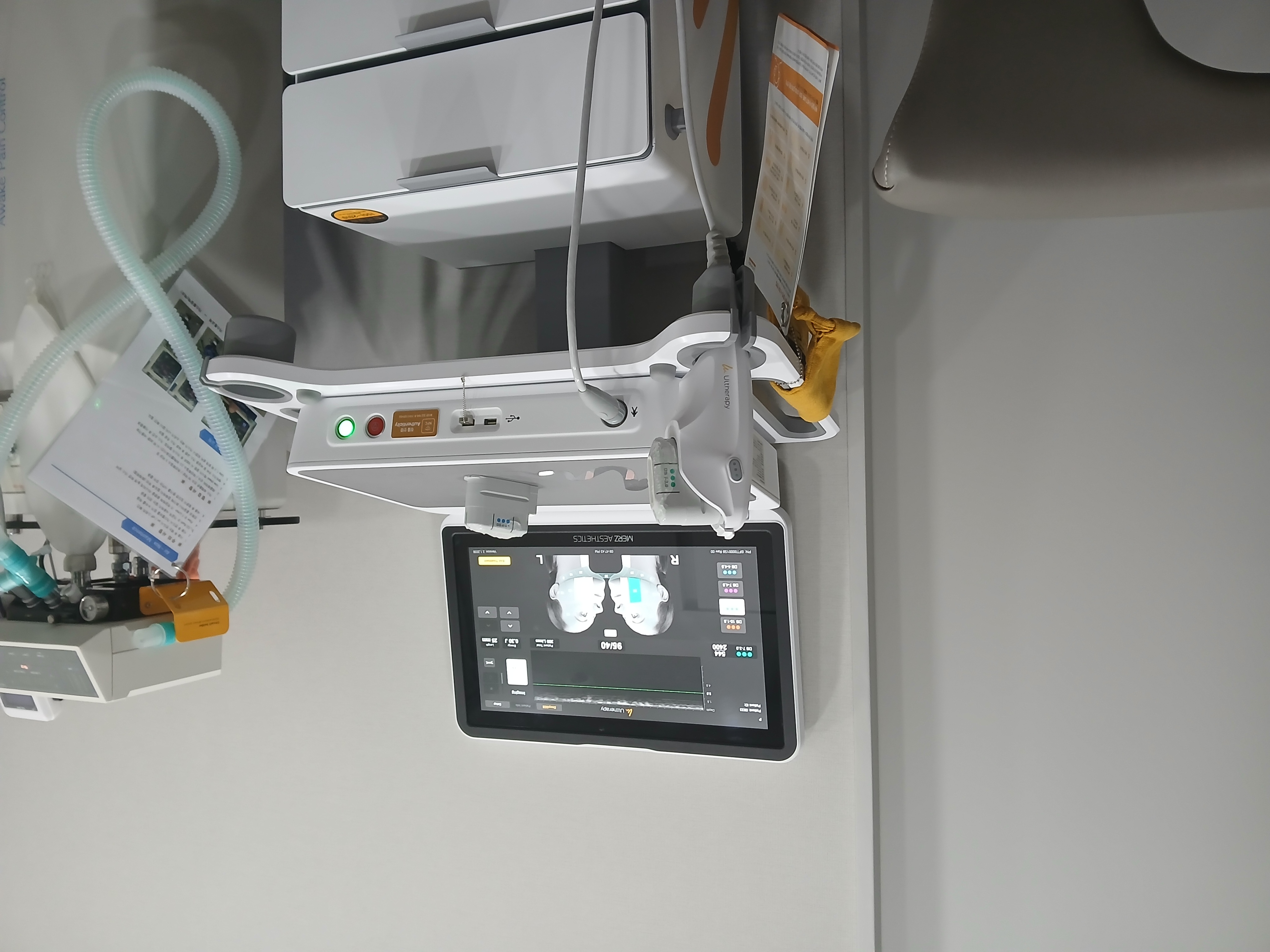
The Ultherapy and Thermage synergy program refers to a layered lifting approach that pairs focused ultrasound with radiofrequency energy to address skin laxity at different depths. In this guide, I would like to discuss the mechanisms, the clinical rationale for sequencing, realistic expectations, and how I design a dermatologist-led plan. This reflects my clinical perspective at LUNN, where every plan begins with an in-person assessment. Please note that results may vary by individual, and potential side effects such as temporary redness, swelling, or bruising may occur. Unlike mass-produced protocols, our approach is centered on "Refining the Details" to achieve perfect harmony.
Understanding Ultherapy and Thermage: Definitions and Mechanisms
The Ultherapy and Thermage synergy program is a structured combination of two energy-based devices that act on distinct anatomical layers of the face and neck. Ultherapy delivers micro-focused ultrasound to deeper supporting structures, while Thermage applies radiofrequency to heat the dermis and stimulate collagen remodeling. Understanding each device separately is the foundation for judging whether a combined protocol makes sense for a given patient.
What Is Ultherapy and How Does It Work?
Ultherapy is a non-invasive lifting procedure using micro-focused ultrasound with visualization to deliver thermal energy at controlled depths. The device images tissue in real-time, allowing the operator to target the superficial musculoaponeurotic system (SMAS) as well as deeper and shallower layers. Heating these focal points triggers a wound-healing response that contracts existing collagen and encourages new collagen formation over several months. Because the SMAS provides essential structural support for the lower face and jawline, energy directed at this layer is intended to support lifting rather than surface resurfacing. The treatment is typically performed in a single session, with sensations often described as heat or prickling. At LUNN, transducer selection and energy settings are individualized after assessing tissue thickness and specific areas of laxity, since a uniform protocol does not suit every face. Results are not immediate and vary between individuals. Potential side effects include temporary redness or mild swelling.
What Is Thermage and How Does It Work?
Thermage is a radiofrequency-based tightening treatment that heats the dermis while a cooling mechanism protects the epidermis. The device delivers volumetric heating through a handpiece, and the resulting thermal effect on collagen fibers is intended to promote immediate contraction followed by gradual neocollagenesis. Unlike ultrasound, which can be focused at discrete depths, radiofrequency produces broader, more diffuse heating across the treated area. This makes Thermage particularly relevant for skin texture, mild crepiness, and diffuse laxity. Treatment is generally well tolerated with topical anesthesia, and most patients return to routine activities the same day. While the FDA has cleared specific radiofrequency devices for non-invasive wrinkle reduction, clearance does not mean every patient will achieve a visible change. At LUNN, the number of passes and energy levels are adjusted to skin thickness and tolerance. Patients are told plainly that collagen remodeling is a gradual process measured in months, not days.
Key Differences in Mechanism and Depth of Action
Ultherapy and Thermage differ in energy type, target depth, and the pattern of heating they produce. Ultherapy uses focused ultrasound with visualization to create discrete thermal coagulation points at selected depths, including the SMAS. Thermage uses radiofrequency to generate more uniform volumetric heating centered on the dermis. In practical terms, ultrasound is a deeper structural tool, while radiofrequency is a superficial-to-mid dermal tightening tool. Neither modality is inherently superior; they address different layers of the facial anatomy. At LUNN, I look at the face as a whole rather than a collection of parts, selecting the tool that matches the specific layer of laxity. The table below summarizes the principal contrasts in neutral terms. Results depend heavily on the practitioner's ability to adjust parameters like energy intensity and depth based on the patient's unique skin resistance and anatomical structure.
| Feature | Ultherapy | Thermage |
|---|---|---|
| Energy modality | Micro-focused ultrasound | Radiofrequency |
| Primary target depth | Deep layers including SMAS | Dermis |
| Heating pattern | Focal coagulation points | Volumetric, diffuse |
| Typical session count | One session, occasionally repeat | One session, maintenance possible |
| Primary goal | Structural lifting support | Skin tightening and texture |
| Visualization | Real-time ultrasound imaging | Not imaging-based |
| Common sensations | Heat, prickling | Heat with cooling |
| Downtime | Usually minimal | Usually minimal |
The Science Behind the Synergy: Why Combine Ultherapy and Thermage?
The rationale for combining Ultherapy and Thermage rests on the principle that facial aging occurs at multiple depths simultaneously. Bone and fat compartment changes, SMAS laxity, and dermal collagen loss progress together, so a single-modality treatment addresses only part of the problem. A synergy program attempts to match energy delivery to the layer that needs support, then sequence the sessions so that healing responses do not compete. This is a clinical rationale rather than a guarantee.
Complementary Depth: Targeting SMAS and Dermis
Skin and soft tissue laxity is not a single-layer phenomenon. The SMAS provides structural support, while the dermis determines surface tightness and texture. Ultherapy targets the deeper layer with focused ultrasound, and Thermage heats the dermis with radiofrequency. Combining them is intended to address both compartments in one treatment plan. According to the American Society for Dermatologic Surgery, skin tightening procedures continue to rank among the most requested non-invasive treatments, reflecting demand for options that avoid surgery. The complementary-depth argument is anatomically reasonable, but the magnitude of benefit from combining is highly individual. At LUNN, the decision to layer treatments is made after palpating tissue mobility and reviewing prior procedures. Patients are informed that improvement may be modest and gradual. We prioritize a "natural result" over aggressive changes that might compromise the overall facial balance or harmony.
Collagen Stimulation and Skin Tightening Pathways
Both devices rely on controlled thermal injury to stimulate collagen remodeling, but the pathways differ. Focused ultrasound creates discrete coagulation points that provoke a localized healing cascade, while radiofrequency produces broader heating that denatures collagen fibers and triggers neocollagenesis. Collagen density and organization decline with age, which is one reason treated skin may appear firmer over time. A 2018 review in the Journal of the American Academy of Dermatology noted that radiofrequency and ultrasound devices have evidence for mild to moderate tightening, with effects that are gradual and variable. Combining pathways may plausibly support remodeling across more tissue, but the added benefit has not been established by large comparative trials. At LUNN, I use these principles to design a program that addresses the specific "path of aging" observed in each patient’s skin condition.
Clinical Rationale for Sequential or Combination Treatment
The case for sequencing rather than simultaneous treatment is largely practical. Delivering both ultrasound and radiofrequency energies in one session increases total thermal load and may heighten temporary discomfort and swelling. Many clinicians therefore separate the two treatments, allowing each healing response to mature independently before the next energy delivery. While some practices suggest specific intervals, there is no single schedule that is universally accepted for every patient. Instead, the sequence is chosen based on an individual's skin sensitivity, prior energy treatments, and their specific aesthetic goals. At LUNN, I emphasize that more sessions do not automatically produce proportionally more tightening; in fact, repeated high-energy treatment carries cumulative risk. Patients are reminded that a customized plan is safer than following a rigid, pre-set timeline. We focus on the tissue's reaction to determine the most appropriate pace for subsequent sessions.
Comparing Ultherapy and Thermage: Efficacy, Comfort, and Downtime
Efficacy, comfort, and recovery are the practical dimensions patients weigh when considering synergy programs. Published data generally support mild to moderate improvement in skin laxity for both modalities, with individual variation that is difficult to predict. Neither device replaces surgical lifting, and neither produces immediate results. The comparison below is descriptive and does not rank the treatments.
Efficacy and Longevity: What the Evidence Suggests
Evidence for both modalities suggests gradual improvement over two to six months, with effects that may persist for up to a year or longer in some patients. A systematic review published in Dermatologic Surgery concluded that both radiofrequency and focused ultrasound have moderate-quality evidence for facial tightening, while noting heterogeneity in study designs. Longevity depends on age, baseline collagen quality, lifestyle, and maintenance. Patients frequently ask whether one device is more effective; the honest answer is that they target different layers, so the question is which layer needs treatment. At LUNN, photographic follow-up at consistent angles and lighting is used to track change over time, because memory is an unreliable measure of subtle tightening. We believe that true skill lies in achieving a natural look that respects the patient's original features rather than pursuing over-corrected results.
Comfort and Pain Management During Treatment
Comfort differs between modalities. Ultherapy is often described as delivering brief, intense heat or prickling sensations at each energy pulse, particularly over bony areas. Thermage produces a spreading heat sensation moderated by epidermal cooling. Topical anesthetic is commonly used for both, and some clinics offer additional comfort measures. A 2021 survey in the Journal of Cosmetic Dermatology reported that discomfort during energy-based tightening is a cited reason for treatment dissatisfaction, which underscores the value of adjusting energy levels. At LUNN, energy settings are reduced when tolerance is low, and patients are encouraged to signal discomfort rather than endure it silently. Excessive energy does not reliably translate into better outcomes and may increase the risk of adverse thermal effects. I personally monitor the patient's reaction throughout the entire procedure to ensure the balance between efficacy and comfort is maintained.
Downtime and Recovery: What to Expect
Downtime for both procedures is typically minimal. Mild redness, warmth, and slight swelling are common and usually resolve within a few days. Some patients experience temporary tenderness or small areas of numbness, which generally settle. Rare complications include burns, blistering, and nerve injury, and these risks are higher with improper technique. Because combination protocols deliver more total energy, the recovery experience may be slightly more noticeable than with a single modality. Patients are advised to use sun protection and gentle skincare afterward and to avoid additional heat exposure for a short period. At LUNN, written aftercare instructions are provided, and patients are scheduled for a follow-up review to assess recovery and early response. We focus on "consistent responsible care," ensuring that the patient's journey does not end when they leave the procedure room.
Designing a Synergy Program: Protocols and Patient Selection
A synergy program is not a fixed package but a plan tailored to anatomy, goals, and risk profile. Patient selection matters more than device choice, because inappropriate candidates may experience risk without meaningful benefit. The design process includes assessing laxity patterns, skin thickness, and expectations.
Ideal Candidates for Combination Therapy
Reasonable candidates are generally adults with mild to moderate facial or neck laxity, adequate skin thickness, and realistic expectations. Younger patients with early laxity may benefit from a single modality, while older patients with significant ptosis may be better served by surgical consultation. Patients with active skin infection, open wounds, or severe acne should defer treatment. Pregnant or breastfeeding individuals and those with implanted electronic devices should consult their physician before any energy-based procedure. A history of keloid scarring or recent isotretinoin use warrants caution. At LUNN, candidacy is determined through physical examination rather than questionnaire alone, because tissue mobility and skin quality are difficult to judge remotely. Patients who are not suitable are told directly rather than offered an inappropriate package. We value honesty and transparency, even when it means recommending against a procedure.
Treatment Sequencing and Intervals
Sequencing decisions balance healing time against patient convenience and physiological response. A common clinical approach is to perform the deeper ultrasound session first, allow for recovery, then follow with radiofrequency for dermal refinement. Some clinicians may reverse this order or treat different anatomic zones simultaneously depending on the patient's specific anatomy. While fixed intervals are often discussed in marketing, evidence for an optimal universal schedule is limited. At LUNN, the interval is set only after reviewing the patient's response to the initial session, as tissue recovery speeds vary significantly. Maintenance is planned individually rather than sold as a fixed, multi-session course. Patients are advised that repeating energy-based treatments too soon may increase the risk of adverse effects without providing additional aesthetic benefit. This conservative approach ensures that the skin has sufficient time for collagen remodeling to begin before another thermal stimulus is applied.
Potential Risks, Limitations, and Contraindications
All energy-based treatments carry risk. Common effects include temporary redness, swelling, and discomfort. Less common risks include burns, blistering, scarring, and nerve injury, with the latter more associated with deep energy delivery in certain zones. Limitations include modest magnitude of change and the possibility of non-response. Contraindications include active infection, pregnancy, and implanted electronic devices. Patients taking anticoagulants should be evaluated individually. At LUNN, risks are discussed before consent, and treatment is modified or deferred when the risk-benefit balance is unfavorable. We believe that "욕심을 내려놓는 것" (letting go of greed) is vital; a conservative, safe approach often yields the most sustainable and natural results. For readers comparing clinic approaches, a related guide on choosing a Korean dermatologist-led skin clinic may help frame the questions worth asking during your consultation.
Key Takeaways
- The Ultherapy and Thermage synergy program combines focused ultrasound for deeper structural support with radiofrequency for dermal tightening.
- Evidence supports mild to moderate improvement in laxity for each modality, with gradual onset over two to six months and variable longevity.
- Sequencing and intervals are individualized based on recovery; more energy or more frequent sessions do not reliably produce better results.
- Common side effects are temporary redness, swelling, and discomfort; rare risks include burns and temporary nerve injury.
- A dermatologist-led assessment is essential to determine candidacy and to design a plan that respects individual facial anatomy and harmony.
For broader context on combining these devices with other lifting approaches, see the guide to Ultherapy and Thermage combination treatment and the overview of customized lifting synergy programs.
Frequently Asked Questions
Q. What is the Ultherapy and Thermage synergy program?
It is a layered lifting plan that pairs focused ultrasound, which targets deeper supporting layers including the SMAS, with radiofrequency, which heats the dermis. The goal is to address laxity at more than one depth, though the added benefit compared with a single treatment varies by individual and is not guaranteed.
Q. How much does a Ultherapy and Thermage synergy program cost?
Costs depend on the treated area, the number of sessions, and the clinic. The cost varies depending on the specific treatment area and the individualized plan designed for your skin. A consultation at LUNN is necessary to receive an accurate estimate based on your unique needs, and I recommend caution regarding unusually low promotional pricing.
Q. Is combining Ultherapy and Thermage safe?
When performed by trained professionals with appropriate settings, the combination is generally considered safe. Common effects include temporary redness, swelling, and discomfort. Rare risks include burns, scarring, and nerve injury, and the likelihood rises with excessive energy or poor technique.
Q. How many sessions are needed and how long do results last?
Many patients undergo a single session or a short series spaced months apart. Improvement develops gradually over two to six months and may last up to a year or longer. Maintenance may be recommended, and outcomes depend on age, skin condition, and lifestyle factors.
Q. What should I expect during and after the procedure?
During treatment, patients may feel heat, prickling, or tingling. Afterward, mild redness and swelling are common and usually resolve within a few days. Most people return to normal activities promptly, and sun protection plus gentle skincare are advised to protect the treated area.
Q. Who is not a good candidate for this synergy program?
People with active skin infections, open wounds, severe acne, or certain medical conditions should avoid these treatments. Pregnant or breastfeeding individuals and those with implanted electronic devices should consult a physician. An in-person evaluation at LUNN is essential before proceeding with any energy-based lifting.
Q. What alternatives exist if I am not ready for combination therapy?
Alternatives include Ultherapy or Thermage as standalone treatments, laser resurfacing, or injectable fillers. Each carries different benefits and risks. Discussing goals with a dermatologist helps identify the most suitable option, including the possibility that no energy-based treatment is currently appropriate for your skin.
Q. How does LUNN approach the synergy program?
At LUNN, planning begins with an examination of tissue mobility, skin thickness, and prior treatments. Energy settings and sequencing are individualized, and patients are told plainly when a single modality is more suitable. Risks and limitations are discussed before consent, and follow-up review is scheduled to assess recovery.
If you are considering the Ultherapy and Thermage synergy program, a consultation at LUNN in Cheongdam can clarify whether layered lifting suits your anatomy and goals. LUNN Dermatology Clinic, led by Dr. Park Hyungkwon, provides individualized assessment and aftercare guidance.
LUNN Dermatology Clinic / Dr. Park Hyungkwon
FAQ
- What is the Ultherapy and Thermage synergy program?
- It is a layered lifting plan that pairs focused ultrasound, which targets deeper supporting layers including the SMAS, with radiofrequency, which heats the dermis. The goal is to address laxity at more than one depth, though the added benefit compared with a single treatment varies by individual and is not guaranteed.
- How much does a Ultherapy and Thermage synergy program cost?
- Costs depend on the treated area, the number of sessions, and the clinic. In the United States, fees commonly range from several hundred to several thousand dollars. A consultation with a qualified dermatologist is necessary to receive an accurate estimate, and readers should be cautious of unusually low promotional pricing.
- Is combining Ultherapy and Thermage safe?
- When performed by trained professionals with appropriate settings, the combination is generally considered safe. Common effects include temporary redness, swelling, and discomfort. Rare risks include burns, scarring, and nerve injury, and the likelihood rises with excessive energy or poor technique.
- How many sessions are needed and how long do results last?
- Many patients undergo one to three sessions spaced weeks to months apart. Improvement develops gradually over two to six months and may last up to a year or longer. Maintenance may be recommended, and outcomes depend on age, skin condition, and lifestyle.
- What should I expect during and after the procedure?
- During treatment, patients may feel heat, prickling, or tingling. Afterward, mild redness and swelling are common and usually resolve within a few days. Most people return to normal activities promptly, and sun protection plus gentle skincare are advised.
- Who is not a good candidate for this synergy program?
- People with active skin infections, open wounds, severe acne, or certain medical conditions should avoid these treatments. Pregnant or breastfeeding individuals and those with implanted electronic devices should consult a physician. An in-person evaluation is essential before proceeding.
- What alternatives exist if I am not ready for combination therapy?
- Alternatives include Ultherapy or Thermage alone, laser resurfacing, chemical peels, and injectable fillers. Each carries different benefits and risks. Discussing goals with a dermatologist helps identify the most suitable option, including the possibility that no energy-based treatment is appropriate.
- How does lunnclinic approach the synergy program?
- At lunnclinic, planning begins with an examination of tissue mobility, skin thickness, and prior treatments. Energy settings and sequencing are individualized, and patients are told plainly when a single modality or a different approach is more suitable. Risks and limitations are discussed before consent, and follow-up review is scheduled to assess recovery and early response. The clinic emphasizes that results vary and that maintenance may be needed.