
Post
Medical-Grade Skin Boosters in Seoul: A 2026 Guide to Enhanced Skin Health
Hello, I am Dr. Hyung-kwon Park, a board-certified dermatologist practicing in Cheongdam and Apgujeong Rodeo.
Medical-grade skin boosters represent a sophisticated approach to enhancing skin quality from within, offering a significant step beyond conventional topical skincare.
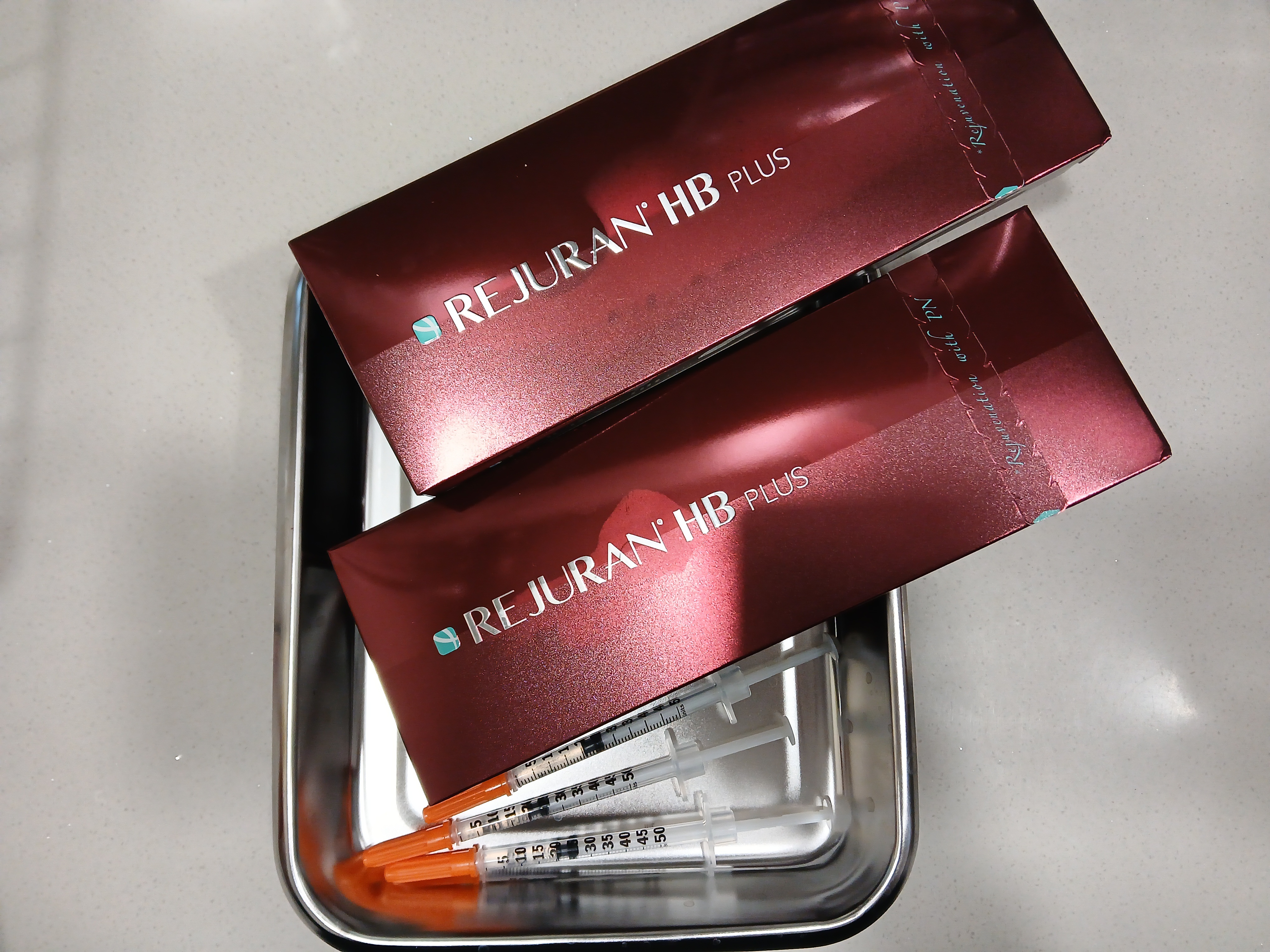
This guide will explore how these professional treatments, particularly favored in a vibrant aesthetic hub like Seoul, can revitalize your complexion by addressing underlying concerns such as hydration, elasticity, and overall skin radiance.
Understanding Medical-Grade Skin Boosters in Seoul
Medical-grade skin boosters are injectable treatments designed to deliver potent active ingredients directly into the deeper layers of the skin, where they can stimulate natural regenerative processes. Unlike surface-level cosmetic products, these boosters work from within to improve skin quality, hydration, and overall health.
Defining Medical-Grade: Beyond Over-the-Counter Products
Medical-grade skin boosters distinguish themselves from over-the-counter skincare products primarily through their formulation, concentration, and delivery method. While many cosmetic creams contain beneficial ingredients, their ability to penetrate the skin's barrier and reach the dermis is often limited. Medical-grade boosters, administered by a qualified professional at clinics like Lunn Dermatology Clinic, contain highly concentrated active compounds, such as hyaluronic acid or polynucleotides, that are precisely injected to target cells responsible for collagen and elastin production. This direct delivery ensures optimal absorption and more profound biological effects, leading to sustained improvements in skin texture, tone, and hydration that topical products typically cannot achieve.
The Core Benefits of Professional Skin Boosters
Professional medical-grade skin boosters offer a range of significant benefits that extend beyond superficial improvements, aiming to enhance the skin's intrinsic health and appearance. These treatments primarily focus on deep hydration, often utilizing highly purified hyaluronic acid to attract and retain water, resulting in a plump and dewy complexion. Additionally, they stimulate collagen and elastin synthesis, which can improve skin elasticity, firmness, and reduce the appearance of fine lines and mild wrinkles. These benefits often include improved skin texture, reduced pore size, and a more uniform, radiant glow. These benefits contribute to a healthier, more resilient skin barrier and a refreshed, youthful appearance.
Why Seoul is a Hub for Advanced Skin Booster Treatments
Seoul has cemented its reputation as a renowned center in aesthetic medicine, attracting individuals seeking cutting-edge treatments and highly skilled practitioners. The city's dermatological clinics, including Lunn Dermatology Clinic, offer advanced treatments, with practitioners focusing on refined injection protocols and personalized approaches for procedures like medical-grade skin boosters. This environment fosters continuous research and development, ensuring that patients have access to advanced formulations and refined injection protocols. Moreover, the emphasis on natural, harmonious results in Korean aesthetics aligns perfectly with the subtle yet significant enhancements provided by skin boosters, making Seoul an ideal destination for those pursuing sophisticated skin rejuvenation.
The Science of Skin Rejuvenation: Key Ingredients and Mechanisms
Skin rejuvenation through medical-grade boosters is rooted in stimulating the skin's natural biological processes. By introducing specific bioactive compounds, these treatments encourage cellular repair, hydration, and the production of vital structural proteins.
Hyaluronic Acid and Polynucleotides: The Powerhouses of Skin Boosters
The efficacy of medical-grade skin boosters largely stems from their key active ingredients: hyaluronic acid (HA) and polynucleotides (PN). Hyaluronic acid, a naturally occurring substance in the skin, is renowned for its exceptional ability to hold water, providing intense hydration, improving elasticity, and contributing to a smoother skin texture. Polynucleotides, derived from salmon DNA, are biostimulators that promote cellular regeneration, enhance fibroblast activity, and improve skin elasticity and tone by stimulating collagen and elastin production. These powerhouses work synergistically to support the skin's natural repair processes, reduce inflammation, and create an optimal environment for healthy skin cell growth, offering both immediate hydration and long-term regenerative benefits.
How Skin Boosters Work at a Cellular Level
Medical-grade skin boosters exert their rejuvenating effects by directly influencing cellular functions within the dermis. Once injected, ingredients like hyaluronic acid integrate into the extracellular matrix, drawing moisture to the skin and improving hydration levels. Polynucleotides, on the other hand, stimulate fibroblasts, which are the cells responsible for producing collagen, elastin, and other components of the skin's connective tissue. This stimulation leads to increased synthesis of these structural proteins, reinforcing the skin's framework, enhancing its elasticity, and promoting a firmer, more youthful appearance. Furthermore, PNs possess antioxidant and anti-inflammatory properties, which can help protect skin cells from damage and support overall skin health.
Distinguishing Between Different Types of Skin Boosters
While many skin boosters share common goals of hydration and rejuvenation, they vary significantly in their composition, concentration, and intended use. Some boosters primarily feature non-cross-linked hyaluronic acid, focusing intensely on deep hydration and a dewy glow. Others incorporate polynucleotides to promote regeneration and improve skin structure over time. There are also formulations that combine these key ingredients or include additional vitamins, minerals, and amino acids to target specific concerns like pigmentation or acne scars. Understanding these distinctions is crucial, as the choice of booster depends on individual skin type, specific concerns such as fine lines or texture, and desired outcomes. A detailed consultation is essential to determine the most suitable product for your needs.
Tailoring Your Treatment: Skin Boosters Versus Other Aesthetic Options
Choosing the right aesthetic treatment requires a thorough assessment of your skin concerns and understanding how different options work. Skin boosters are a powerful tool, but their role often differs from other popular procedures.
Assessing Your Skin Concerns: When to Consider a Skin Booster
Skin boosters are an excellent consideration for individuals looking to address concerns related to overall skin quality rather than significant volume loss or muscle-related wrinkles. They are particularly effective for improving dull, dehydrated skin, fine lines, mild textural irregularities, and loss of elasticity. If your skin feels rough, lacks radiance, or shows early signs of aging, a skin booster treatment could be highly beneficial. Unlike dermal fillers that restore volume or reshape contours, skin boosters aim to enhance the skin's inherent health and vitality from within. I often recommend them for patients seeking a natural-looking rejuvenation and those wanting to improve skin resilience and glow.
| Feature | Skin Boosters | Dermal Fillers | Traditional Mesotherapy |
|---|---|---|---|
| Primary Goal | Improve overall skin quality, hydration, elasticity, radiance | Restore volume, sculpt contours, fill deep wrinkles | Deliver nutrients, target specific concerns (cellulite, fat) |
| Main Ingredients | Non-cross-linked HA, Polynucleotides, vitamins, amino acids | Cross-linked HA, CaHA, PLLA | Various cocktails of vitamins, minerals, enzymes, plant extracts |
| Depth of Injection | Superficial dermis, mid-dermis | Mid to deep dermis, subcutaneous layer, periosteum | Epidermis, superficial dermis |
| Results Focus | Natural glow, improved texture, subtle anti-aging | Immediate volume, structural change, contouring | Targeted improvement for localized issues, may require more frequent sessions |
| Effect Duration | Several months (typically 6-12 months), requires maintenance | 6 months to 2 years, depending on product and area | Shorter term, often requires ongoing sessions |
Potential Limitations and Important Considerations for Skin Booster Candidates
While medical-grade skin boosters offer considerable benefits, it is important for candidates to understand their potential limitations and considerations. These treatments are not designed to provide significant volume restoration, correct deep wrinkles, or reshape facial contours; those concerns are typically better addressed with dermal fillers or other specific procedures. Optimal results usually require a series of initial treatments, often 2-3 sessions spaced a few weeks apart, followed by maintenance treatments. As with any injectable procedure, there can be temporary side effects such as redness, swelling, bruising, or small bumps at the injection sites. Rarely, more serious complications like infection or allergic reactions can occur. It is crucial to have realistic expectations and discuss any pre-existing medical conditions or allergies with your dermatologist at Lunn Dermatology Clinic during the consultation to ensure suitability and safety. You can learn more about complementary treatments in our article on Maximizing Harmony: Combining Skin Boosters and Laser Lifting with LUNN’s Signature Synergy Protocol.
My Clinical Philosophy for Skin Booster Treatments at Lunn Dermatology Clinic
As a dermatologist, my approach to skin booster treatments at Lunn Dermatology Clinic is always centered on achieving natural, harmonious results that enhance your unique beauty. I believe in a philosophy of precision and careful consideration for every individual.
The Lunn Dermatology Approach: Precision and Harmonious Results
At Lunn Dermatology Clinic, my clinical philosophy for skin booster treatments emphasizes precision and achieving harmoniously balanced results. I believe that true aesthetic enhancement lies in appreciating the 1mm difference that can profoundly alter an impression. My approach is never about creating an artificial or exaggerated look; instead, it focuses on revitalizing the skin's inherent health and radiance in a way that appears completely natural. Each treatment plan is meticulously designed, considering your unique facial anatomy and skin condition, ensuring that the chosen booster and injection technique contribute to an overall refreshed and balanced appearance. This dedication to detail and harmony is a hallmark of the care provided at Lunn Dermatology Clinic.
A Personalized Treatment Plan: Injection Techniques and Protocols
Every patient presents a unique canvas, and thus, a personalized treatment plan is paramount for skin booster treatments. My approach involves a thorough assessment of your skin's specific needs, including its hydration levels, elasticity, and areas of concern such as fine lines or texture. Based on this, I select the most appropriate type of medical-grade skin booster, whether it's primarily for hydration, regeneration, or a combination of benefits. The injection technique is then tailored accordingly, using micro-injections or a cannula at precise depths to ensure optimal product distribution and efficacy, while minimizing discomfort and potential side effects. This bespoke protocol ensures that the treatment is optimized for your individual goals and skin health.
Managing Expectations: Realism and the Journey to Skin Health
I always emphasize the importance of realism when discussing the potential outcomes of skin booster treatments with my patients. While these treatments can significantly improve skin quality, hydration, and radiance, they are part of a journey towards sustained skin health, not an instant, dramatic transformation. Results typically unfold gradually over several weeks after the initial sessions, as the skin's regenerative processes are stimulated. It is also important to understand that individual responses can vary. I ensure a candid discussion about what can realistically be achieved, the typical timeline for results, and the need for a series of initial treatments followed by maintenance to sustain the benefits. This transparent approach helps set appropriate expectations and fosters a partnership in your pursuit of healthier, more radiant skin.
Post-Treatment Care and Sustaining Your Skin Booster Results
Proper post-treatment care and a commitment to long-term maintenance are crucial for maximizing and sustaining the benefits of your medical-grade skin booster treatments.
Immediate Aftercare and What to Expect Post-Procedure
Immediately after a medical-grade skin booster treatment at Lunn Dermatology Clinic, it is common to experience some temporary effects at the injection sites. These may include mild redness, swelling, or small, palpable bumps. These reactions are typically mild and usually subside within a few hours to a day or two. Bruising can also occur, though it is generally minor and resolves within a week. I advise patients to avoid intense exercise, excessive heat exposure (like saunas or hot baths), and direct sun exposure for 24-48 hours post-procedure. Gentle cleansing and moisturizing are recommended, and makeup can usually be applied after 12-24 hours. Should any concerns arise, please do not hesitate to contact our clinic.
Addressing Potential Side Effects and When to Seek Advice
While medical-grade skin booster treatments are generally safe, understanding potential side effects and knowing when to seek professional advice is crucial. Common, temporary side effects include redness, swelling, bruising, and tenderness at the injection sites, which typically resolve on their own. However, in rare instances, more significant concerns such as persistent swelling, severe pain, signs of infection (e.g., warmth, increasing redness, pus), or an allergic reaction may occur. If you experience any unusual or prolonged symptoms, or if you have any concerns following your treatment at Lunn Dermatology Clinic, it is important to contact our clinic immediately for guidance. Early assessment and intervention can help manage any unexpected reactions effectively.
Long-Term Maintenance: Cycles, Intervals, and Complementary Care
To maximize and sustain the beautiful results achieved with medical-grade skin boosters, a commitment to long-term maintenance is essential. Typically, an initial course of 2-3 treatments, spaced a few weeks apart, is recommended to achieve optimal skin quality improvement. Following this, maintenance sessions, usually once or twice a year, can help to prolong the benefits and keep the skin hydrated, elastic, and radiant. The exact cycle and interval will be personalized based on your skin's response and evolving needs. Additionally, integrating complementary treatments, such as Structural Volume Restoration: Fillers vs. Synergy Lifting in 2026 | LUNN or How to Prepare Your Skin Before Laser Lifting: A 2026 Guide from LUNN alongside a consistent medical-grade skincare routine, can further enhance and protect your results, contributing to comprehensive skin health.
Key Takeaways
- Medical-grade skin boosters offer deep hydration and cellular regeneration, working beyond superficial skincare to improve skin quality from within.
- Key ingredients like Hyaluronic Acid and Polynucleotides stimulate collagen and elastin, enhancing elasticity and reducing fine lines.
- Treatments are highly personalized, considering individual skin concerns and utilizing precise injection techniques for harmonious, natural results.
- Optimal outcomes typically require an initial series of treatments and ongoing maintenance to sustain long-term skin health and radiance.
- Understanding potential limitations and committing to proper aftercare are crucial for a safe and effective treatment journey.
Frequently Asked Questions
Q. What exactly are medical-grade skin boosters?
A. As a dermatologist, I define medical-grade skin boosters as injectable treatments that deliver highly concentrated bioactive substances, such as hyaluronic acid or polynucleotides, directly into the skin. These treatments are designed to improve intrinsic skin quality, hydration, and elasticity by stimulating the skin's natural regenerative processes at a deeper cellular level than topical products.
Q. How do medical-grade skin boosters differ from regular skincare products?
A. The primary distinction lies in their concentration and delivery method. Medical-grade skin boosters are administered by a qualified professional directly into the skin, bypassing the superficial barrier to reach deeper layers where active ingredients can exert more significant effects. They typically contain much higher concentrations of potent compounds compared to over-the-counter skincare, ensuring a more targeted and impactful rejuvenation.
Q. What are the main benefits of undergoing a skin booster treatment?
A. Skin booster treatments offer a range of benefits, including profound hydration, improved skin elasticity and firmness, and a reduction in the appearance of fine lines. Patients often notice enhanced skin texture, reduced pore size, and a more radiant, youthful glow. These treatments contribute to overall skin health and resilience.
Q. How many sessions are usually needed to see optimal results, and how long do the effects last?
A. Typically, an initial course of 2-3 treatments, spaced a few weeks apart, is recommended to achieve optimal results. The effects can vary but generally last for several months, often between 6 to 12 months. Regular maintenance sessions, usually once or twice a year, can help prolong these benefits and sustain healthy, vibrant skin.
Q. Are there any potential side effects or risks associated with medical-grade skin boosters?
A. While generally safe, as with any injectable treatment, temporary side effects may occur, such as redness, swelling, bruising, or mild tenderness at the injection sites. Rarely, more serious complications like infection or allergic reactions are possible. It is crucial to have the procedure performed by an experienced and board-certified dermatologist to minimize risks.
Q. Can medical-grade skin boosters be combined with other aesthetic treatments?
A. Yes, skin boosters can often be combined effectively with other aesthetic treatments to achieve comprehensive results. For example, they complement dermal fillers for volume restoration, Botox for muscle relaxation, or laser therapies for pigmentation concerns. The key is to develop an integrated treatment plan with your dermatologist to address multiple skin concerns harmoniously.
Q. Who is an ideal candidate for medical-grade skin booster treatments?
A. Ideal candidates are individuals seeking to improve overall skin quality, hydration, elasticity, and radiance. This includes those with dull, dehydrated skin, fine lines, mild textural irregularities, or those looking for preventative anti-aging care. A consultation with a dermatologist is recommended to determine if you are a suitable candidate based on your specific skin condition and aesthetic goals.
Q. What are the differences between skin boosters, dermal fillers, and traditional mesotherapy?
A. Skin boosters focus on improving overall skin quality and hydration from within, using non-cross-linked HA or polynucleotides. Dermal fillers are designed for volume restoration and contouring, typically using cross-linked HA. Traditional mesotherapy involves injecting a cocktail of various nutrients to target specific concerns, often requiring more frequent sessions. Each treatment serves a distinct purpose.
Q. What is the recovery time like after a skin booster treatment?
A. Recovery time is generally minimal. You may experience temporary redness, swelling, or small bumps at the injection sites immediately after the procedure, which usually subside within a few hours to a day or two. Bruising can occur but is typically mild and resolves within a week. Most individuals can resume their normal activities shortly after the treatment.
Should you have any further questions or wish to explore how medical-grade skin boosters can benefit your skin, please do not hesitate to schedule a consultation with me at Lunn Dermatology Clinic.
Lunn Dermatology Clinic / Dr. Hyung-kwon Park Threads: @dr.lunn
FAQ
- What exactly are medical-grade skin boosters?
- As a dermatologist, I define medical-grade skin boosters as injectable treatments that deliver highly concentrated bioactive substances, such as hyaluronic acid or polynucleotides, directly into the skin. These treatments are designed to improve intrinsic skin quality, hydration, and elasticity by stimulating the skin's natural regenerative processes at a deeper cellular level than topical products.
- How do medical-grade skin boosters differ from regular skincare products?
- The primary distinction lies in their concentration and delivery method. Medical-grade skin boosters are administered by a qualified professional directly into the skin, bypassing the superficial barrier to reach deeper layers where active ingredients can exert more significant effects. They typically contain much higher concentrations of potent compounds compared to over-the-counter skincare, ensuring a more targeted and impactful rejuvenation.
- What are the main benefits of undergoing a skin booster treatment?
- Skin booster treatments offer a range of benefits, including profound hydration, improved skin elasticity and firmness, and a reduction in the appearance of fine lines. Patients often notice enhanced skin texture, reduced pore size, and a more radiant, youthful glow. These treatments contribute to overall skin health and resilience.
- How many sessions are usually needed to see optimal results, and how long do the effects last?
- Typically, an initial course of 2-3 treatments, spaced a few weeks apart, is recommended to achieve optimal results. The effects can vary but generally last for several months, often between 6 to 12 months. Regular maintenance sessions, usually once or twice a year, can help prolong these benefits and sustain healthy, vibrant skin.
- Are there any potential side effects or risks associated with medical-grade skin boosters?
- While generally safe, as with any injectable treatment, temporary side effects may occur, such as redness, swelling, bruising, or mild tenderness at the injection sites. Rarely, more serious complications like infection or allergic reactions are possible. It is crucial to have the procedure performed by an experienced and board-certified dermatologist to minimize risks.
- Can medical-grade skin boosters be combined with other aesthetic treatments?
- Yes, skin boosters can often be combined effectively with other aesthetic treatments to achieve comprehensive results. For example, they complement dermal fillers for volume restoration, Botox for muscle relaxation, or laser therapies for pigmentation concerns. The key is to develop an integrated treatment plan with your dermatologist to address multiple skin concerns harmoniously.
- Who is an ideal candidate for medical-grade skin booster treatments?
- Ideal candidates are individuals seeking to improve overall skin quality, hydration, elasticity, and radiance. This includes those with dull, dehydrated skin, fine lines, mild textural irregularities, or those looking for preventative anti-aging care. A consultation with a dermatologist is recommended to determine if you are a suitable candidate based on your specific skin condition and aesthetic goals.
- What are the differences between skin boosters, dermal fillers, and traditional mesotherapy?
- Skin boosters focus on improving overall skin quality and hydration from within, using non-cross-linked HA or polynucleotides. Dermal fillers are designed for volume restoration and contouring, typically using cross-linked HA. Traditional mesotherapy involves injecting a cocktail of various nutrients to target specific concerns, often requiring more frequent sessions. Each treatment serves a distinct purpose.
- What is the recovery time like after a skin booster treatment?
- Recovery time is generally minimal. You may experience temporary redness, swelling, or small bumps at the injection sites immediately after the procedure, which usually subside within a few hours to a day or two. Bruising can occur but is typically mild and resolves within a week. Most individuals can resume their normal activities shortly after the treatment.