
Post
How to Prepare Your Skin Before Laser Lifting: A 2026 Guide from LUNN
What Laser Lifting Is and Why Prep Matters
I am Dr. Hyung-kwon Park, and at Lunn Dermatology Clinic (LUNN), we believe that the best results come from 'refining the details.' Laser lifting is a non-invasive approach that delivers controlled energy into the dermis to prompt collagen remodeling, and preparation is the layer of care that shapes how comfortable the treatment feels and how smoothly the skin recovers.
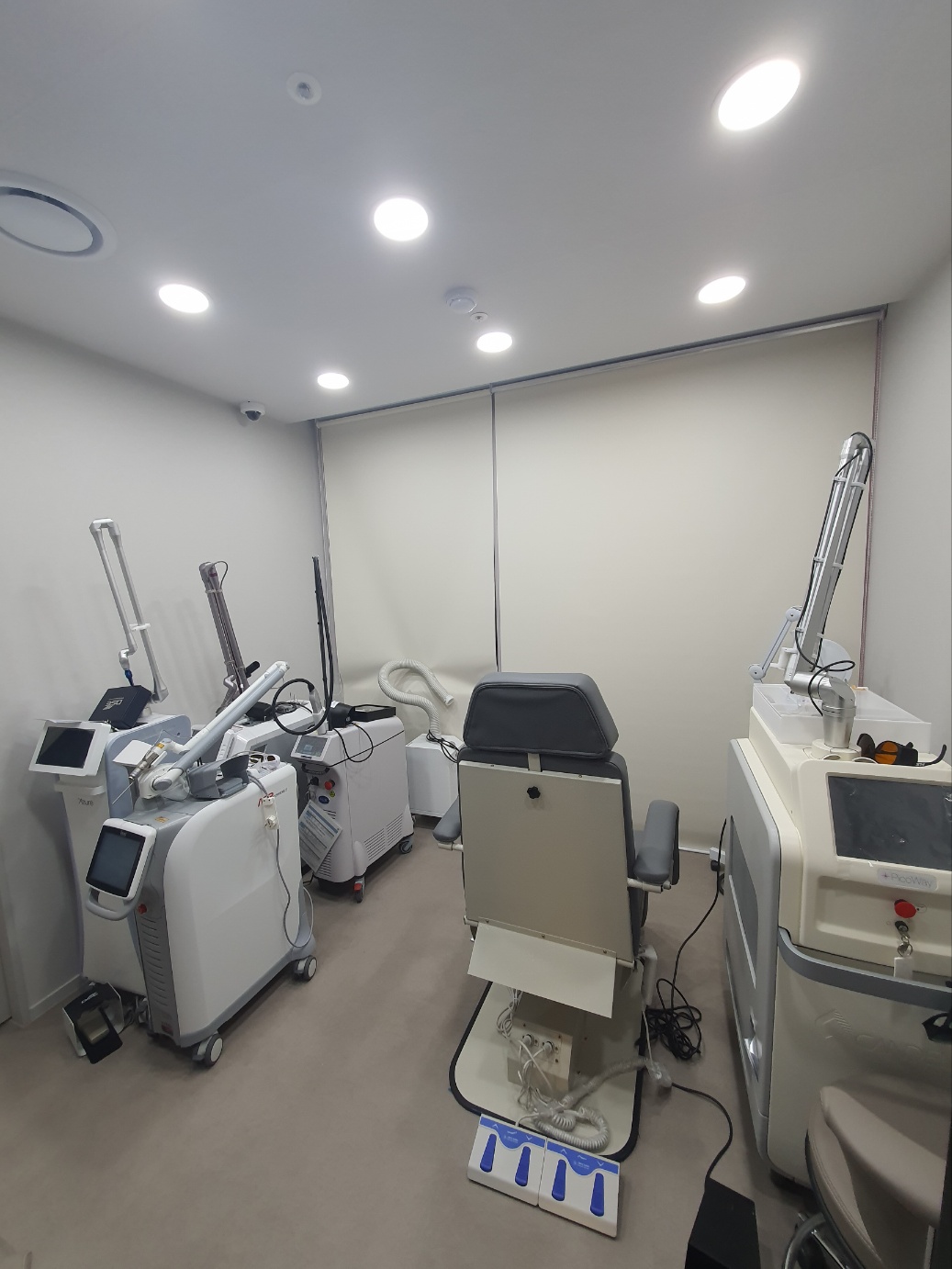
This guide walks through a practical, evidence-informed timeline so you can arrive at your appointment with a calm, stable barrier and clear expectations. At LUNN, we approach preparation as part of the treatment itself, not an afterthought.
How Laser Lifting Works in the Skin
Laser lifting directs fractionated or bulk-heating energy beneath the surface while sparing the epidermis, and that heat triggers a wound-healing cascade that rebuilds collagen and elastin over time. Because the target sits below the surface, the surface barrier's condition matters: compromised skin absorbs and scatters energy less predictably, which is one reason I assess hydration, irritation, and recent sun exposure before choosing settings. Depth, pulse structure, and cooling vary by device, so no single protocol fits every face. At Lunn Dermatology Clinic, the pre-treatment assessment includes a barrier check, a medication review, and a discussion of prior procedures. The mechanism also explains timing: collagen remodeling is gradual, so visible firmness typically emerges over weeks rather than immediately, and the number of sessions is planned around skin condition and goals.
Why the Days Before Treatment Shape Comfort and Healing
The days before laser lifting influence two things: how the skin tolerates energy delivery and how quickly it settles afterward. A barrier that is already irritated, sun-sensitized, or stripped by aggressive exfoliation can react more strongly, with longer-lasting redness and a higher chance of temporary pigment change. Hydration supports the skin's capacity to recover, while recent tanning raises the risk of post-inflammatory pigment shifts. I always ask patients about retinoids, acids, blood thinners, and sun habits during consultation. LUNN builds a simple pre-care plan around your routine, because the goal is a stable, unremarkable baseline rather than a dramatic last-minute reset. Individual responses vary, and some patients need a slower ramp-up before scheduling.
Who Benefits Most From Pre-Treatment Planning
Pre-treatment planning benefits almost everyone, but certain profiles gain the most. People with sensitive or rosacea-prone skin, those using prescription retinoids or high-concentration acids, and anyone with recent sun exposure or a tan need extra lead time. Patients taking anticoagulants, fish oil, high-dose vitamin E, or ginkgo should review these with their prescribing clinician, since they can increase bruising. A history of cold sores calls for antiviral planning, and recent isotretinoin use typically requires a waiting period. LUNN screens for these factors during consultation so the schedule fits your skin rather than a fixed template. Preparation does not guarantee a specific outcome, and individual results differ; the aim is to reduce avoidable irritation and set realistic expectations.
Skin Prep Timeline: What to Do and When
A skin prep timeline is a staged schedule that spreads adjustments across the weeks before laser lifting, so the barrier stays calm and nothing is rushed. Below is a practical framework; I may shift steps based on device, intensity, and skin history.
Two to Four Weeks Out: Skincare Simplification and Sun Protection
Two to four weeks before treatment, simplify rather than intensify. Drop multi-step routines with scrubs, peels, and new products, and keep a gentle cleanser plus a plain moisturizer and broad-spectrum sunscreen. Daily sun protection matters most here, because ultraviolet exposure can tan the skin and raise the risk of post-laser pigment change; I ask patients to avoid tanning beds and prolonged direct sun for at least two weeks. If a peel, waxing, or facial is on your calendar, discuss timing with me. LUNN generally prefers a quiet barrier in this window, with no experimentation on untested products. This is also a good time to note what your skin tolerates, since that record helps the clinician choose conservative or standard settings.
One Week Out: Actives, Medications, and Alcohol
One week before laser lifting, I suggest pausing retinoids and exfoliating acids, often three to seven days ahead depending on strength and sensitivity. Do not stop prescription medication on your own; instead, tell the prescribing doctor and our clinic. Over-the-counter anti-inflammatory pain relievers, fish oil, high-dose vitamin E, ginkgo, and some supplements may increase bruising or bleeding, so disclose everything. Alcohol can heighten redness and dehydration, so I ask patients to limit it for a few days. If a cold sore is forming, call LUNN before the appointment. We review this list at consultation so the pause schedule is written down and unambiguous.
Day Of: Cleansing, Clothing, and What to Bring
On the day of laser lifting, arrive with clean skin free of makeup, sunscreen, and heavy moisturizer; a gentle cleanse at home is usually enough. Avoid alcohol that day and skip intense exercise beforehand, since heat and flushing can complicate assessment. Wear loose, comfortable clothing and consider a top that opens at the front if the neck or chest is being treated. Bring a list of medications, supplements, allergies, prior aesthetic procedures, and any history of cold sores. If you have an active infection, rash, or sunburn, call ahead; treatment may be rescheduled. LUNN provides written day-of instructions during booking so nothing is left to memory.
| Approach | What It Involves | Potential Upside | Potential Downside |
|---|---|---|---|
| Aggressive exfoliation before treatment | Scrubs, strong peels, or multiple acid layers in the final week | Feels like "deep cleaning" | Higher irritation risk, unpredictable energy uptake |
| Gentle barrier care | Mild cleanser, plain moisturizer, sunscreen, paused actives | Calmer baseline, easier assessment | Requires patience and consistency |
| Hydration-focused prep | Layered humectants and occlusives, limited exfoliation | Supports comfort and recovery | Over-occlusion can trap heat; needs clinician guidance |
| No preparation | Usual routine unchanged | Convenient | Missed medication, sun, or infection issues may force rescheduling |
The table compares characteristics only and does not rank options; suitability depends on your skin and the clinician's plan.
Hydration and Moisturizer Choices Before Laser Lifting
Hydration before laser lifting is about steady support, not saturation. A simple humectant plus a barrier-supporting moisturizer applied morning and night keeps the surface pliable, which can make energy delivery feel more predictable and recovery more comfortable. Avoid layering thick occlusives immediately before the appointment, because trapped heat and perspiration can add to flushing. Fragrance-free formulas reduce the chance of contact irritation. If your skin stings with water or looks shiny and tight, that is a signal to simplify further and tell me. At LUNN, we review your current products during consultation and trim anything that adds risk without benefit. Hydration supports comfort; it does not guarantee a particular result, and individual responses vary.
Sun Exposure and Tanning: What to Avoid and Why
Recent sun exposure or a tan is one of the most common reasons a laser lifting session is adjusted or postponed. Ultraviolet light stimulates melanin, and treating tanned skin raises the risk of post-inflammatory hyperpigmentation, especially in medium to deeper skin tones. Most clinics, including LUNN, ask patients to avoid direct sun, tanning beds, and self-tanners for at least two weeks before treatment and to use broad-spectrum sunscreen daily. If you return from a sunny trip with visible tan lines, tell us; a short delay is often safer than proceeding. I check for tanning and recent outdoor exposure at consultation so the schedule protects your skin rather than rushing it.
Medications, Supplements, and Skin Conditions to Disclose
Disclosure is the practice of telling your clinician about every medication, supplement, and skin condition that could affect laser lifting, and it is the single most useful preparation step. Below are the categories that come up most often.
Blood Thinners, NSAIDs, and Supplement Interactions
Blood thinners and some supplements can increase bruising and bleeding risk around laser lifting, though serious events are uncommon. Prescription anticoagulants should never be stopped without the prescribing doctor's approval; the treating clinic and prescriber should communicate. Over-the-counter NSAIDs, fish oil, high-dose vitamin E, ginkgo, and similar products may prolong minor bruising. The practical step is a written list, including doses and frequency, reviewed at consultation. LUNN uses that list to decide whether timing changes are needed, rather than issuing blanket stop instructions. Minor bruising is temporary; individual healing varies, and I can advise on what is reasonable for your plan.
Active Skin Infections, Cold Sores, and Irritation
Active skin infections, cold sores, and unexplained irritation are reasons to pause and call LUNN. Laser energy over inflamed or infected skin can worsen the reaction and complicate healing. A tingling or blistering cold sore is best treated before treatment resumes, and some patients with a history of outbreaks are given preventive antiviral planning. Rashes, hives, or a sudden breakout warrant assessment rather than proceeding. We ask about recent outbreaks and current irritation during booking, so a short reschedule replaces a risky session. This is a safety step, not a judgment about your skin.
Pregnancy, Isotretinoin, and Recent Procedures
Pregnancy, recent isotretinoin use, and recent aesthetic procedures each change the laser lifting plan. We defer non-essential laser treatments during pregnancy as a precaution, and isotretinoin typically requires a waiting period because skin remains fragile. Recent peels, fillers, thread lifts, or botulinum toxin injections need timing review to avoid overlapping stress on the same tissue. Bring dates and product names, not approximations. I review the timeline at consultation and adjust the plan if the window is too short. Preparation is collaborative, and there is no penalty for disclosing more than seems relevant.
What to Expect During and Right After Treatment
Knowing what treatment feels like and what the first hours bring helps you prepare mentally and practically, and it makes aftercare easier to follow.
Sensation and Duration: Setting Realistic Expectations
Most people describe laser lifting as warmth, prickling, or brief stinging, with cooling used to keep it tolerable. Session length depends on the area and device, ranging from a short focal treatment to a longer full-face plan. Numbing cream may be used, and comfort varies by individual and settings. It is reasonable to expect some flushing immediately afterward. Results are not guaranteed and build gradually as collagen remodels; multiple sessions are often planned. I explain the sequence before you book, so the experience matches the description rather than surprising you.
Common Temporary Reactions and How to Manage Them
Redness, mild swelling, tenderness, and a feeling of warmth are common temporary reactions after laser lifting, usually settling over hours to a few days. Gentle cleansing, plain moisturizer, and sunscreen support recovery; avoid actives, scrubs, saunas, hot yoga, and intense exercise for a few days. Some people notice dry or tight skin, which usually eases with consistent moisturizing. Mild pigment change can occur and typically fades, though it may take weeks. Individual healing differs, and following LUNN’s written aftercare is the most reliable guide. We provide aftercare instructions tailored to the device and area treated.
When to Call Your Provider
Call LUNN if you notice increasing pain, spreading redness, blistering, pus, fever, or a cold sore outbreak after laser lifting. These are uncommon but worth prompt assessment rather than waiting. Persistent pigment change, uneven texture, or a reaction that worsens after the first few days also warrants a call. Keep the clinic's contact information handy and describe what you see with dates. I prefer early questions to late complications, and a quick check often resolves concerns without extra treatment. This guidance supports safe recovery and does not replace individual medical advice.
Key Takeaways
- Laser lifting works below the surface, so a calm, hydrated barrier and honest disclosure matter more than aggressive last-minute exfoliation.
- Simplify skincare and protect from sun two to four weeks out; pause retinoids and acids roughly three to seven days ahead, following my clinical schedule.
- Never stop prescription medication without the prescribing doctor's approval, and disclose supplements, cold sore history, pregnancy, and recent procedures.
- Expect warmth and brief stinging during treatment, with redness and mild swelling afterward; downtime and results vary by device and individual.
- Book a consultation with LUNN to build a preparation plan matched to your skin, device, and schedule.
Frequently Asked Questions
Q. How long before laser lifting should I stop using retinoids and exfoliating acids?
I generally suggest pausing retinoids and exfoliating acids about three to seven days before treatment to lower irritation risk. The exact timing depends on your sensitivity, product strength, and laser settings. Confirm the schedule with me at LUNN so it matches your skin rather than a generic rule.
Q. Can I get laser lifting if I have a tan or recent sun exposure?
A tan or recent sun exposure can raise the risk of pigment changes after laser lifting. At LUNN, we advise avoiding direct sun and tanning beds for at least two weeks before treatment, and we may reschedule if the skin is visibly tanned. Tell the clinic about recent trips or outdoor time so the plan can be adjusted safely.
Q. Should I stop taking blood thinners or supplements before laser lifting?
Do not stop any prescription medication without speaking to the prescribing doctor. Fish oil, high-dose vitamin E, ginkgo, and some anti-inflammatory pain relievers may increase bruising or bleeding risk. Disclose all medications and supplements during consultation so we can advise on timing.
Q. What should I avoid on the day of my laser lifting appointment?
Arrive with clean skin free of makeup, sunscreen, and heavy moisturizer. Avoid alcohol that day, wear loose comfortable clothing, and bring a list of medications and prior treatments. If you have an active cold sore or skin infection, contact LUNN before your appointment.
Q. Is laser lifting painful, and what downtime should I expect?
Most people describe warmth, prickling, or brief stinging during treatment. Redness and mild swelling are common for a few hours to a few days. Downtime varies by device and intensity, and individual results differ; I will give you a realistic estimate for your specific plan.
Q. How soon will I see results from laser lifting?
Some patients notice firmer skin within days, while collagen remodeling typically continues for weeks to months. Results are not guaranteed and vary with age, skin condition, and the number of sessions. I can outline a typical timeline and whether maintenance treatments are likely.
Q. Can I wear makeup or exercise after laser lifting?
We advise waiting about 24 hours before makeup and avoiding intense exercise, saunas, and hot yoga for a few days to reduce redness and swelling. Follow the specific aftercare instructions from LUNN, and call if a reaction worsens rather than improves.
Q. What are the risks and limitations of laser lifting?
Possible temporary reactions include redness, swelling, tenderness, and mild pigment changes. Rare risks include infection or scarring. Laser lifting is not appropriate for everyone, and multiple sessions are often needed. A consultation with a qualified provider is essential to weigh benefits and risks.
If you are planning laser lifting in 2026, book a consultation at LUNN in Cheongdam and let me build a preparation plan around your skin. Lunn Dermatology Clinic, written and practiced by Dr. Hyung-kwon Park. Follow @dr.lunn on Threads for ongoing skin notes.
FAQ
- How long before laser lifting should I stop using retinoids and exfoliating acids?
- Many providers suggest pausing retinoids and exfoliating acids about three to seven days before treatment to lower irritation risk. The exact timing depends on your sensitivity, product strength, and laser settings. Confirm the schedule with your treating clinician at lunnclinic so it matches your skin rather than a generic rule.
- Can I get laser lifting if I have a tan or recent sun exposure?
- A tan or recent sun exposure can raise the risk of pigment changes after laser lifting. Most clinics advise avoiding direct sun and tanning beds for at least two weeks before treatment, and some may reschedule if the skin is visibly tanned. Tell the clinic about recent trips or outdoor time so the plan can be adjusted safely.
- Should I stop taking blood thinners or supplements before laser lifting?
- Do not stop any prescription medication without speaking to the prescribing doctor. Fish oil, high-dose vitamin E, ginkgo, and some anti-inflammatory pain relievers may increase bruising or bleeding risk. Disclose all medications and supplements during consultation so your provider at lunnclinic can advise on timing.
- What should I avoid on the day of my laser lifting appointment?
- Arrive with clean skin free of makeup, sunscreen, and heavy moisturizer. Avoid alcohol that day, wear loose comfortable clothing, and bring a list of medications and prior treatments. If you have an active cold sore or skin infection, contact the clinic before your appointment.
- Is laser lifting painful, and what downtime should I expect?
- Most people describe warmth, prickling, or brief stinging during treatment. Redness and mild swelling are common for a few hours to a few days. Downtime varies by device and intensity, and individual results differ; your provider can give a realistic estimate for your specific plan.
- How soon will I see results from laser lifting?
- Some people notice firmer skin within days, while collagen remodeling typically continues for weeks to months. Results are not guaranteed and vary with age, skin condition, and the number of sessions. Your clinician can outline a typical timeline and whether maintenance treatments are likely.
- Can I wear makeup or exercise after laser lifting?
- Many clinics advise waiting about 24 hours before makeup and avoiding intense exercise, saunas, and hot yoga for a few days to reduce redness and swelling. Follow the specific aftercare instructions from your provider, and call if a reaction worsens rather than improves.
- What are the risks and limitations of laser lifting?
- Possible temporary reactions include redness, swelling, tenderness, and mild pigment changes. Rare risks include infection or scarring. Laser lifting is not appropriate for everyone, and multiple sessions are often needed. A consultation with a qualified provider is essential to weigh benefits and risks.