
Post
Maximizing Harmony: Combining Skin Boosters and Laser Lifting with LUNN’s Signature Synergy Protocol
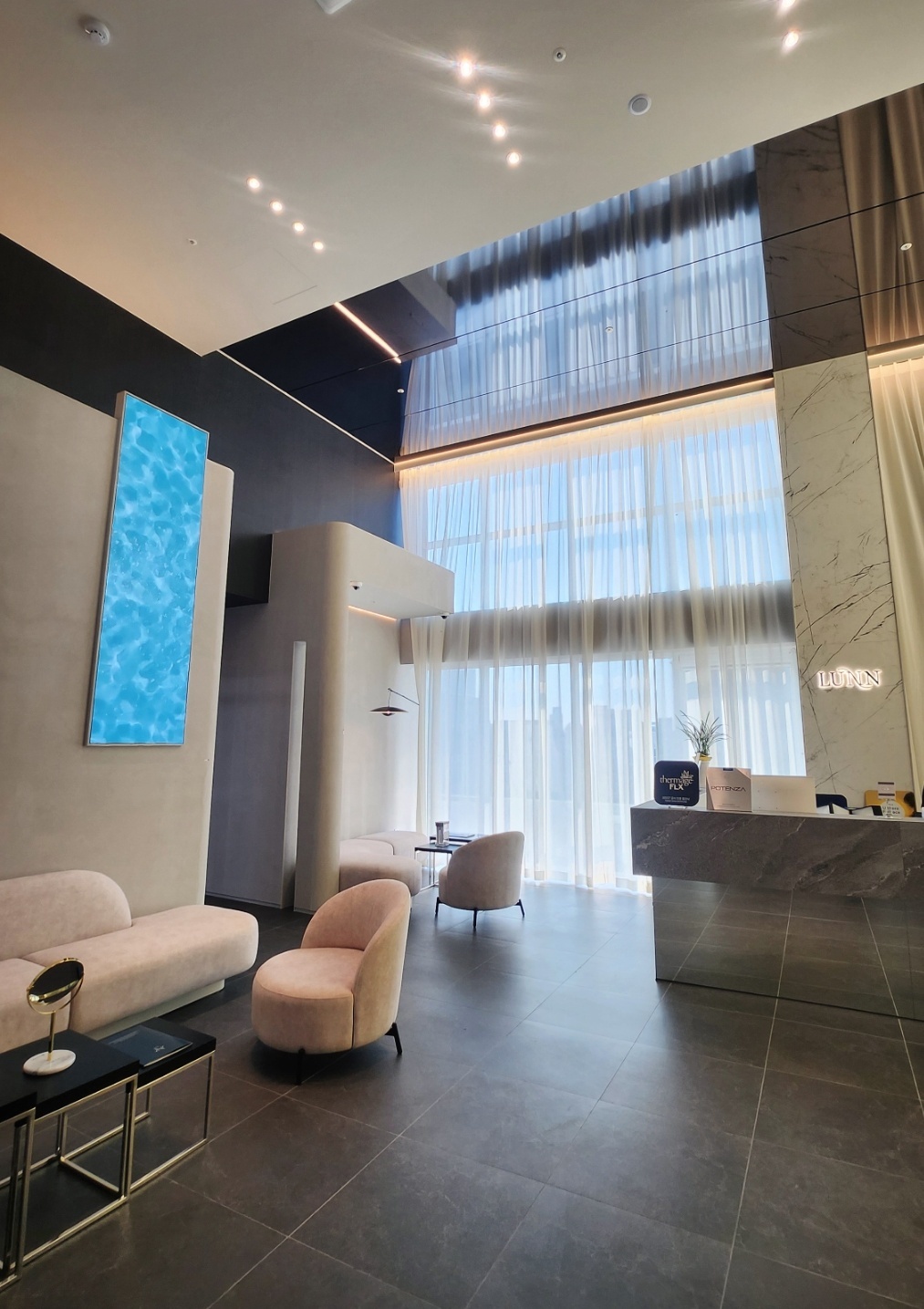
Hello, I am Dr. Hyung-kwon Park, a dermatologist and the director of LUNN Dermatology Clinic in the Cheongdam/Apgujeong Rodeo area. At LUNN, our philosophy is 'Refining the Details. Achieving Perfect Harmony.' We believe that true beauty comes from a meticulous 1mm adjustment rather than radical, unnatural changes. Many patients visit our clinic—renowned for its 5-meter high ceilings and open atmosphere—asking whether they can receive skin boosters and laser lifting simultaneously.
In this 2026 guide, I will share my honest clinical perspective on our 'Signature Synergy Program' and how we sequence these treatments to act as a 'shining guide' for your skin's health. I treat every patient as I would my own family, ensuring that every procedure is personally managed from consultation to completion.
 Alt text: Medical illustration of human skin layers showing the dermis and epidermis to explain laser and booster depths.
Understanding Skin Boosters and Laser Lifting: Definitions First
To understand why we combine treatments, we must first understand the unique roles they play in the skin's anatomy. These are not competing services; they are complementary tools that address different structural needs. As a specialist who values logical analysis over marketing hype, I view these treatments as the 'foundation' and the 'interior' of a home renovation. You cannot expect a perfect result if the underlying structure is neglected while focusing only on surface glow.
What Are Skin Boosters and How Do They Work?
Skin boosters are injectable preparations, predominantly utilizing hyaluronic acid or poly-nucleotides (PN), that are precisely delivered into the mid-dermis. Unlike volumizing fillers used for structural projection, boosters like Belotero are chosen for their 'low-hydrophilicity,' meaning they bind just enough water to hydrate without causing the unnatural swelling known as the Tyndall effect. At LUNN, I personally perform these micro-injections to improve skin texture, fine wrinkles, and the overall 'glow' from within. They function by creating a favorable environment for fibroblasts, the cells responsible for producing collagen. It is important to note that while boosters are excellent for hydration and quality, they are not a substitute for surgical or energy-based lifting. Results are highly individual, and common side effects include temporary redness, pinpoint papules, bruising, or swelling that typically resolve within a few days. Frequent sessions are usually required to maintain the initial hydration surge throughout the year.
What Is Laser Lifting and What Does It Target?
Laser lifting refers to a category of energy-based devices (EBDs) like Ultherapy, Thermage, or ONDA that utilize heat to stimulate tissue remodeling. While Ultherapy targets the deep SMAS layer for structural lifting, Thermage focuses on the overall elasticity of the dermis. This controlled thermal energy creates a microscopic 'wound healing' response, prompting the body to generate fresh, healthy collagen fibers over several months. This is a biological process, not an instant mechanical lift. In my clinic, I emphasize that the 'eyes' of the physician matter more than the brand of the device; I personally adjust the parameters based on your specific fat volume and skin thickness to avoid complications like cheek hollows or sagging. Typical results build gradually, making this an ideal choice for patients seeking natural-looking improvements in firmness. Possible risks include temporary erythema, edema, or rare thermal burns, necessitating a professional consultation to determine the correct energy level and depth.
Why Patients Ask About Combining Them in One Session
Efficiency is the primary driver for combining these treatments. In a busy city like Seoul, patients value the ability to undergo one round of anesthesia and a single recovery window. Biologically, the request is sound: if laser lifting builds the house's frame and skin boosters provide the internal hydration (the 'water'), doing them together should logically enhance the final result. I often describe this to my patients using a 'home repair' metaphor: there is no point in putting up new wallpaper (boosters) if the foundation (lifting) is crumbling. However, we must be careful not to overwhelm the skin’s immune system. Stacking multiple inflammatory triggers in a single visit requires a very specific clinical logic to prevent excessive swelling. At LUNN, I don't follow a factory-style 'package' system. Instead, I analyze your skin’s current inflammatory state to ensure that efficiency does not come at the cost of safety or the 'natural harmony' we strive to achieve.
Is It Safe to Combine Skin Boosters with Laser Lifting in One Session?
Safety is not a static property of the treatments themselves; it is a dynamic result of the specialist's judgment. When we talk about combining injectables and EBDs, the primary concern is whether the heat from the laser will degrade the moisture-rich booster or if the injection sites will become irritated by the thermal load. In my clinical experience, when handled with the right sequence and professional care, this combination is not only safe but can be significantly more effective than separate sessions.
The Short Answer: Safety Depends on the Specific Devices and Products
There is no one-size-fits-all 'safe' combination. My decision depends on whether we are using a non-ablative laser that leaves the skin barrier intact or a more aggressive platform. Similarly, the specific chemistry of the skin booster—such as its cross-linking density and thermal stability—is a critical factor. For example, using a booster with high water-attracting properties right before a high-heat laser might lead to excessive edema. At LUNN, we prioritize 'low-hydrophilicity' products to minimize this risk. I approach these combinations with a conservative mindset, often starting with a lower energy setting to see how the hydrated skin reacts. Safety is ensured because I personally oversee the entire process, adjusting the technique in real-time based on how your skin responds to each step. Patients should always be aware that individual recovery varies, and I will only proceed if your skin barrier is sufficiently healthy to tolerate the combined stress.
Potential Risks: Inflammation, Product Degradation, and Skin Barrier Stress
The most prominent risk is 'compounded inflammation.' Since both boosters and lasers trigger a healing response, the overlap can cause redness and swelling to persist longer than expected. Another theoretical concern is that the heat from the laser might accelerate the breakdown of the hyaluronic acid in the booster, potentially shortening its lifespan. This is why the 'sequence' is so vital. Furthermore, every needle entry during a booster session creates a micro-port in the skin barrier; if a laser is then applied incorrectly, it can cause unnecessary irritation or, in very rare cases, post-inflammatory hyperpigmentation. I am always honest with my patients: one session dramatization is risky if not managed by a specialist. While many enjoy a seamless recovery, you must be prepared for the possibility of a few extra days of social downtime. This transparency is why my patients trust LUNN for their 'detail-oriented' care in such a professional, yet welcoming environment.
How Practitioners Assess Candidacy for Same-Day Combination
My assessment begins with a physical touch. I must feel the skin's thickness and check for underlying issues like '각화형' (keratotic) athlete’s foot or chronic dermatitis, which indicate a compromised immune response. We review your medical history, including any previous experience with lasers or '면도독' (folliculitis from shaving), to gauge your skin's sensitivity. If your skin barrier is thin or currently irritated, I will firmly recommend separate sessions. I also look at your facial structure—are you prone to 'hollows' or is there significant eye bag shadow? These details determine whether the synergy will truly benefit you or just cause unnecessary swelling. Only after this rigorous 1:1 diagnostic phase do I propose a same-day protocol. This isn't a factory line; it's a 'shining' path to your best skin, tailored to your unique anatomical 'layers.' If I wouldn't recommend it to my own friend or family member, I won't recommend it to you, even if it’s what you requested.
Comparing Same-Session vs. Separate-Session Protocols
Choosing between a combined session and separate appointments involves weighing convenience against clinical predictability. Neither is inherently 'better,' but one will usually align more closely with your lifestyle and skin health goals. At LUNN, we offer both paths, but we ensure you understand the 'logic' behind each choice before we begin. 1mm of difference in our approach yields 100% difference in your satisfaction.
Same-Day Combination: Advantages and Limitations
The primary advantage of a same-day combination is the 'synergy' effect. By preparing the skin environment correctly, we can actually improve the effectiveness of the laser. It also simplifies your schedule, requiring only one visit to our Cheongdam clinic. However, the limitation is that we are operating within a tighter 'safety margin.' If your skin reacts strongly to the first procedure, we may have to adjust the second, which could slightly temper the results. There is also the 'attribution' challenge: if you experience a minor breakout or prolonged redness, it is harder to determine which specific treatment was the cause. Despite these factors, for patients with 'robust' skin and a busy calendar, the same-day approach is a high-value option. We mitigate limitations by using my 'Signature Synergy' logic, ensuring that we never sacrifice the long-term health of your skin for a short-term convenience or a marketing promise of 'instant' results.
Separate Sessions: Recovery Time and Outcome Predictability
Separate sessions are the gold standard for predictability. By spacing treatments approximately 2 to 4 weeks apart, we allow the skin to fully recover from the first 'insult' before introducing the next. This staged approach is highly recommended for patients with sensitive skin or those who have had previous negative experiences with '공장형' (factory-style) clinics. The advantage here is that I can observe exactly how your skin remodels after the laser before I carefully target specific shadows or dry areas with a booster. It allows for a more 'granular' refinement of your face. The downside is simply the time commitment—it requires multiple trips and separate periods of post-procedure care. For those who prioritize safety and perfection over speed, I often suggest this path. It allows us to manage each 'detail' with the utmost care, ensuring the final harmony is achieved without any unexpected inflammation or setbacks along the clinical journey.
Comparison Table: Key Factors at a Glance
Understanding the differences requires a side-by-side look at the technical trade-offs. The following table provides a logical summary of how we view these two clinical paths at LUNN. It considers everything from the 'recovery window' to the 'inflammatory burden' placed on the dermis. Please use this as a reference, but remember that the final decision should only be made after I personally examine your skin texture and structural laxity. My goal is to be your 'guide' to the most rational choice.
| Factor | Same-Session Combination | Separate Sessions (2-4 Weeks) |
|---|---|---|
| Convenience | Excellent (One visit/numbing) | Moderate (Multiple visits) |
| Inflammation | Concentrated/Additive | Distributed/Lower peak |
| Synergy Potential | High (Immediate environment shift) | Progressive improvement |
| Risk Control | Requires expert parameter tuning | Naturally safer/Predictable |
| Best For | Busy professionals/Robust skin | Sensitive skin/First-timers |
| Recovery Time | 3-7 days (potentially intense) | 1-3 days (per session) |
| Ideal Sequence | Booster (Initial) -> Laser | Laser (Month 1) -> Booster (Month 2) |
What the Evidence Says: Clinical Considerations and Gaps
In the world of dermatology, evidence is our anchor. While the aesthetic industry is full of 'new' trends, I rely on my experience writing medical papers and analyzing the 'physical properties' of the products we use. The evidence for combining treatments is growing, but it remains a field where the skill of the practitioner is the most significant variable in the equation.
Current Research on Layering Injectable Boosters with Energy Devices
Recent clinical literature suggests that when non-hydrophilic hyaluronic acids are used, they are remarkably stable even when exposed to the thermal energy of radiofrequency or ultrasound devices. Some researchers even pose that the presence of high-quality HA in the dermis can improve the 'conductivity' of certain energy treatments, potentially leading to better collagen synthesis. However, most studies focus on specific product-device pairs, not a universal 'combination' rule. My own clinical observations at LUNN align with the view that pre-hydrating the skin can 'cushion' the effects of the laser, leading to a more vibrant glow. We take these scientific insights and apply them to our daily practice, but we remain wary of 'over-promising.' Every paper has its limits, and a patient's individual biology is always the ultimate 'case study.' We stay updated on the latest research to ensure your treatment is backed by logic, not just a salesperson's pitch.
Why Evidence Remains Limited and What That Means for Patients
The reason large-scale, 'standardized' evidence for combination protocols is limited is that no two faces are the same. A 30-year-old with sun damage and a 50-year-old with significant laxity require entirely different 'parameters.' Standardization is the enemy of 'Refining the Details.' For you, this means that the most important 'evidence' is the portfolio and medical expertise of your chosen doctor. At LUNN, we don't hide the gaps in the science; we fill them with clinical prudence and 'conservative' treatment styles. If there isn't clear evidence that a specific combination will be safe for your skin type, I will simply not perform it. This honesty may mean saying 'no' to a procedure you saw on social media, but it ensures that your skin remains healthy for decades, not just for a few weeks. Trust is built on this transparency and our refusal to treat our patients as 'experimental' subjects.
Questions to Ask Before Agreeing to a Combined Treatment
I encourage every patient to be their own advocate. Before you agree to a same-day protocol, you should ask your doctor: 'Which specific booster is being used, and is it heat-stable?' 'Why did you choose this sequence for my specific skin thickness?' 'What are the warning signs I should look for during the recovery period?' A doctor who cannot explain the 'why' behind their plan is likely following a factory template. Ask if the doctor will be performing the entire procedure themselves, as '대리시술' (ghost surgery) or delegating to non-specialists is a common issue in some high-volume clinics. At LUNN, I answer these questions during our long, initial consultation because I want you to understand the 'logic' as much as I do. Being informed is the first step toward a successful outcome. If you feel rushed or your questions are dismissed, it is a sign to seek a more 'detail-oriented' professional who respects your concerns and your skin's health.
Practical Guidance from LUNN Dermatology Clinic
At LUNN, our 'Signature Synergy Program' is based on the idea that you shouldn't just receive treatments—you should receive a 'harmonized' plan. We don't just sell lasers and boosters; we sell the expertise to combine them in a way that respects your unique anatomy and provides the most 'natural' rejuvenation possible in 2026.
How We Decide the Sequence and Spacing at LUNN
Our LUNN Signature Synergy Program often reverses the conventional thought process for high-impact results. We view the skin like parched soil that needs preparation before renovation. By administering skin boosters first, we 'water the ground,' improving the dermal environment and conductivity. This allows the subsequent laser lifting to deliver energy more effectively throughout the tissue, doubling the potential for collagen regeneration. While some clinics prefer laser first to avoid heating the product, our specialized selection of low-hygroscopicity boosters like Belotero and our precision-tuned parameters allow us to leverage this pre-hydration strategy safely. This 'booster-first' sequence is a hallmark of my philosophy, ensuring that the structural changes of the laser are built upon a hydrated, healthy foundation. Each plan is still refined based on individual muscle thickness and fat volume, but the synergy of pre-hydration remains our preferred clinical pathway for deep rejuvenation. We never skip the diagnostic 'touch' phase before deciding the final order.
Managing Expectations: Typical Outcomes and Recovery
What should you realistically expect? After a synergy session at LUNN, your skin will likely feel 'fuller' and more hydrated within 48 hours, while the lifting effects will begin to show around the one-month mark. This is not a 'miracle' that happens in a day; it is a gradual 'refining' of your features. You may experience some swelling or '엠보싱' (embossing) from the injection sites, and your skin might feel slightly warm or sensitive for a few days. These are normal signs that the 'wound healing cascade' is active. We provide a meticulous aftercare kit and direct contact for any concerns you might have. I always tell my patients: 'Results vary, and maintenance is the key to longevity.' We aren't looking for a 'dramatic' change that makes you look like someone else; we are looking for a refreshed, vibrant version of you. Harmony is achieved when people notice you look better, but can't quite put their finger on 'why.'
When We Recommend Splitting the Treatments Across Visits
I will recommend splitting treatments if I detect any 'red flags' during our initial consultation. This includes cases of active acne, '면도독' (shaving irritation), or a history of being 'hyper-reactive' to numbing creams. If we are using a high-energy Ultherapy protocol that requires a deep focus, I often prefer to let that inflammation settle before introducing a booster. This 'conservative' approach is part of my brand as '자영업자 박형권' (Entrepreneur Park Hyung-kwon)—I take personal responsibility for every face I treat. Splitting the visits allows us to be 'detail-oriented' at every stage. If you have a big event coming up within 7 days, I will almost always recommend a staged approach to avoid any risk of residual swelling. Perfection cannot be rushed, and my priority is always your safety and the 'perfect harmony' of the final result. For more insights, you can read my related guide on how to properly manage skin after laser treatment to ensure your results last longer.
Key Takeaways
- Harmony through Detail: LUNN Dermatology focuses on 'Refining the Details' to achieve natural, balanced beauty through a 1:1 specialist approach.
- Signature Synergy: Our 'watering the ground' protocol (booster first) maximizes laser efficacy by pre-hydrating the dermis for better energy delivery.
- Safety First: Combining treatments is safe when using low-hydrophilicity boosters (like Belotero) and personalized laser settings managed by Dr. Hyung-kwon Park.
- Risk Awareness: Potential side effects like redness, swelling, or bruising are possible; a specialized consultation is mandatory to mitigate individual risks.
- Patient-Centric: If your skin barrier is weak or sensitive, splitting sessions is the more professional, 'conservative' path to ensure long-term skin health.
Frequently Asked Questions
Q. What exactly are skin boosters and laser lifting?
Skin boosters are micro-injections of hyaluronic acid or nutrients into the dermis to improve hydration and texture from within. Laser lifting uses energy-based devices (like Ultherapy or Thermage) to heat deep skin layers, stimulating collagen for structural firmness. They work on different 'levels' of the skin to provide a comprehensive rejuvenation effect. Note: Side effects such as redness or swelling may occur, so a specialist consultation is required.
Q. Is it really safe to do both in one day?
Yes, it can be very safe and effective if performed by a dermatologist who understands the 'synergy' of the two. At LUNN, we use a 'watering the ground' logic, applying boosters first to hydrate the skin before the laser. This requires careful selection of products and device settings. However, it is not recommended for everyone, especially those with very sensitive skin or active infections.
Q. Why does Dr. Park recommend boosters before the laser?
I call this the 'Signature Synergy Program.' Just as you would water parched land before working on it, hydrating the skin with boosters first improves its condition and conductivity. This allows the laser energy to work more efficiently, often doubling the collagen-stimulating effect compared to doing the treatments in isolation. It’s about building a better 'foundation' for the laser energy.
Q. What are the potential side effects of the combination?
The most common issues are temporary redness, swelling, and small bumps at the injection sites. Because you are receiving two treatments, the inflammation might be slightly more noticeable than usual, lasting a few days. Rare risks include bruising or temporary skin sensitivity. We provide detailed aftercare to manage these and ensure a smooth recovery process.
Q. How long does the recovery take for a combined session?
Most patients find that initial redness and swelling settle within 3 to 5 days. Any 'embossing' from the skin booster usually disappears within 24 to 48 hours. However, since the laser works on a deep level, you might feel some internal tenderness for about a week. We recommend avoiding heavy exercise or saunas during this first week to ensure the best results.
Q. Will I see the results immediately?
You will notice the 'glow' and hydration from the skin booster within a few days. The lifting and tightening effects from the laser take longer, typically appearing gradually over 4 to 8 weeks as your body produces new collagen. This combination provides both a 'short-term' boost and a 'long-term' structural improvement.
Q. Who should avoid the same-day combination approach?
If you have active skin diseases, severe acne, or a very weak skin barrier, you should wait. Also, if you have a history of keloid scarring or are taking certain medications that affect healing, we may suggest a more cautious, separate-session plan. During our 1:1 consultation, I will review your full history to make the safest recommendation.
Q. Does the combination cost more than separate treatments?
While the total price depends on the specific products and devices used, combining them can sometimes be more cost-effective due to reduced visit fees and bundled numbing procedures. However, at LUNN, we prioritize 'value' and 'harmony' over simple price competition. We will provide a transparent breakdown of costs based on your customized 'Signature Synergy' plan.
Q. Is there a specific brand of booster that is better for this?
I prefer using 'low-hydrophilicity' boosters, such as Belotero, for combination treatments. These products hydrate the skin without attracting excessive water, which helps prevent the 'puffy' look or the Tyndall effect when heat is applied. The choice of product is just as important as the choice of laser for achieving a natural, refined result.
Q. Can I go back to work right after the treatment?
Most patients can return to work the next day, though you may have some minor redness or swelling that can be covered with light, medical-grade makeup. If your job involves public speaking or being on camera, I recommend scheduling the treatment when you have 2-3 days of 'social downtime' just to be safe. We always aim for the most 'refined' and discreet recovery possible.
If you have any further questions or wish to experience our detail-oriented care, please visit us in Cheongdam. You can also follow more professional insights on my Threads @dr.lunn.
Lunn Dermatology Clinic / Dr. Hyung-kwon Park
- Address: 5F, 822 Seolleung-ro, Gangnam-gu, Seoul, Republic of Korea
- Phone: 02-512-7788
FAQ
- What exactly are skin boosters and laser lifting?
- Skin boosters are injectable preparations, typically hyaluronic acid based, placed into the dermis to improve hydration and skin quality rather than to add volume. Laser lifting refers to energy-based devices that deliver controlled heat to stimulate collagen remodeling and improve firmness. They address different aspects of skin health, which is why they are sometimes considered together.
- Can skin boosters and laser lifting be safely performed in the same session?
- Safety depends on the specific products, devices, and the patient's skin condition. Some practitioners combine them in one visit with careful sequencing, while others prefer spacing them apart to limit inflammation and let each treatment work on its own timeline. There is no universal protocol, so an in-person assessment is essential, and lunnclinic evaluates each case individually.
- What are the potential risks of combining them on the same day?
- Possible risks include increased inflammation, temporary worsening of redness or swelling, and in some cases reduced persistence of the injectable if laser heat reaches the product. Skin barrier stress may also prolong recovery, particularly with ablative devices. These outcomes are not guaranteed, but they are the reasons many clinicians choose a staged approach, and a thorough consultation should cover them.
- How much downtime should I expect if I have both treatments in one session?
- Downtime varies with laser intensity, the number of injection points, and individual healing responses. Some patients experience redness and mild swelling for a few days, while others may need a week or more. Typical recovery is often described in days to a week, but this is not a guarantee, and your practitioner should provide a personalized estimate.
- Does combining treatments in one session cost less than having them separately?
- Costs depend on the clinic, the specific products and devices used, and the number of sessions required. Some clinics structure combined packages differently from single-treatment pricing, and the total depends on what is actually included. Fees are determined during consultation, so ask for a detailed breakdown and clarify what each item covers before committing.
- Are there any absolute contraindications for same-session combination?
- Yes. Active skin infections, open wounds, certain autoimmune conditions, pregnancy, and a history of poor healing or keloids may make same-session combination inadvisable. Isotretinoin or other medications that affect skin healing also require caution. A full medical history review is necessary before any decision is made.
- How do I know if I am a good candidate for a combined approach?
- Candidacy depends on skin type, concerns, tolerance for downtime, and treatment history. A practitioner should assess barrier function, hydration levels, and any underlying conditions before recommending a schedule. If you have sensitive skin or a history of prolonged recovery, a staged approach may be safer, and lunnclinic tailors the plan to the individual rather than to a fixed protocol.
- What should I ask my dermatologist before agreeing to a combined session?
- Ask about the specific products and devices, the intended sequence, the expected downtime, and the warning signs of complications. Also ask what typical results look like and how many sessions are usually needed. Request an explanation of the evidence behind the combination and of the alternatives, since clear communication sets realistic expectations.
- Is there scientific evidence supporting same-session combination?
- Peer-reviewed evidence directly comparing same-session versus separate-session protocols is limited. Much of the guidance comes from clinical experience and theoretical reasoning about heat and injectable interactions. This does not mean the combination is unsafe, but patients should know that long-term comparison data are not robust, and lunnclinic presents this transparently.
- What is the typical recovery and result timeline after a combined treatment?
- Initial redness and swelling often subside within a few days to a week, while collagen remodeling from laser lifting continues for weeks to months. Hydration effects from the booster may be visible earlier. Results vary by individual, and maintenance sessions are often needed, so outcomes should be discussed as possibilities rather than guarantees.
- Can I combine skin boosters with any type of laser lifting?
- Not necessarily. Ablative or high-energy lasers cause more surface disruption and are less commonly combined with injectables in the same session, while non-ablative and lower-energy devices may be more compatible. The specific device matters, and a practitioner should explain why a particular combination was chosen for your skin. There is no one-size-fits-all answer.
- What are the alternatives if I want to avoid same-session risks?
- Alternatives include spacing the treatments weeks apart, choosing one treatment at a time, or supporting skin health with topical and home-care routines in between. Some patients prefer a series of boosters first, followed by laser lifting later. Discussing your priorities, schedule, and downtime tolerance will help determine the most suitable plan.