
Post
Is It Safe to Shave Over Flat Warts? A 2026 Dermatologist's Guide from Dr. Hyung-kwon Park
Hello, I am Dr. Hyung-kwon Park, a board-certified dermatologist and the director of LUNN Dermatology Clinic in Cheongdam and Apgujeong-rodeo.
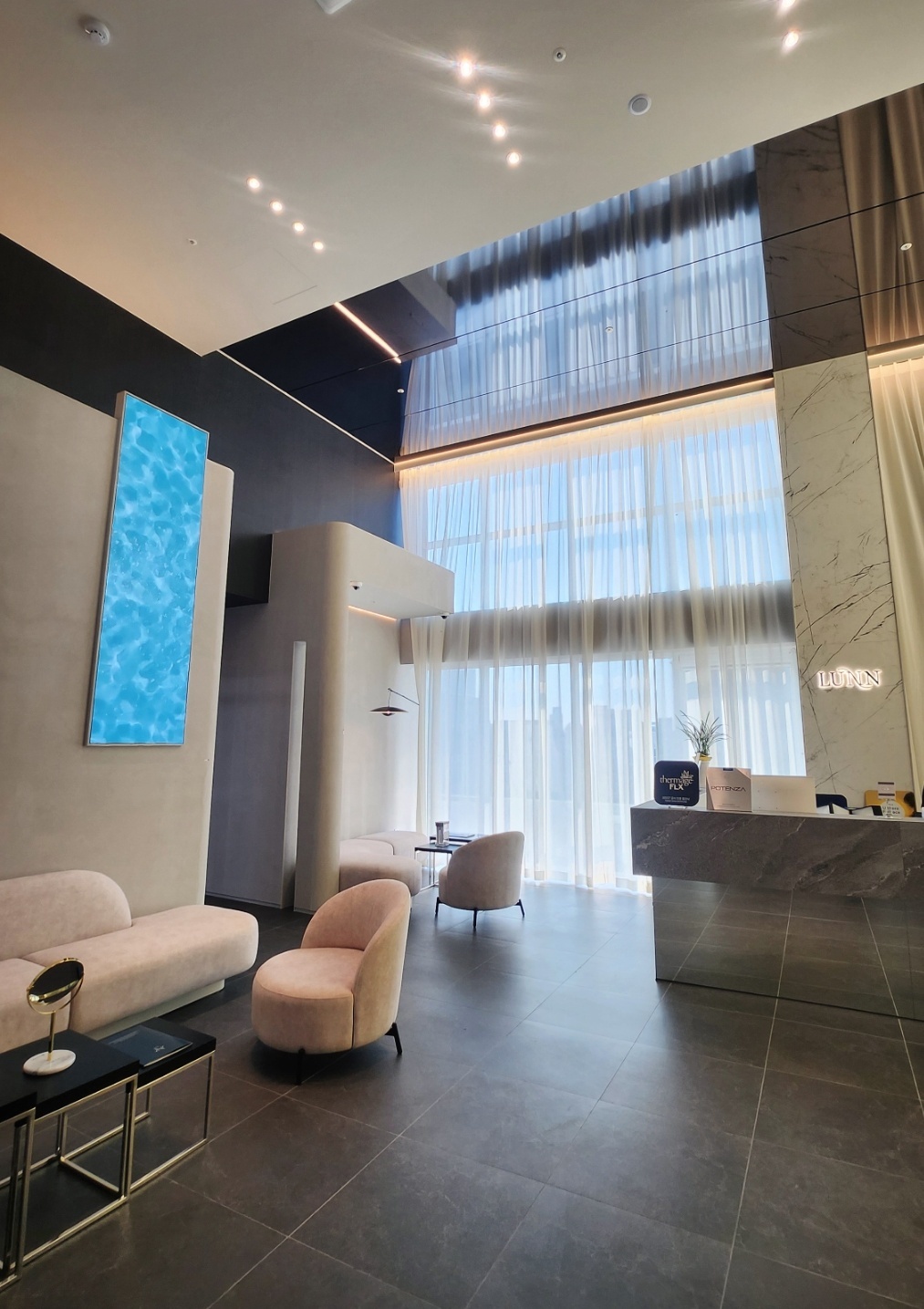
At LUNN, our philosophy is "Refining the Details, Achieving Perfect Harmony." When it comes to flat warts, those small, smooth, slightly raised growths caused by the human papillomavirus (HPV), details matter immensely. A common question I hear is whether it is safe to shave over them. In this guide, I will explain why your razor might be your skin's worst enemy when warts are present and how to manage your grooming routine safely.
What Are Flat Warts? Definition and Overview
Flat warts are benign skin growths caused by specific strains of HPV. They typically appear as small, smooth, skin-colored or slightly brownish papules with a flat top. They most often develop on the face, neck, hands, and lower legs, often appearing in clusters. Because they are viral and can spread through tiny skin breaks, understanding their behavior is the first step toward effective care.
Flat Warts vs. Common Warts: Key Differences
Flat warts differ from common warts in shape and texture. Common warts are usually rough and dome-shaped with a cauliflower-like surface. Flat warts, however, are smoother and less protruding, making them easy to overlook or mistake for minor bumps. This subtle appearance is why many patients accidentally shave directly over them. Clinically, flat warts often spread in a linear pattern after skin trauma—a pattern we call the 'Pseudo-Koebner' phenomenon. Recognizing this difference is vital to avoid treating a viral lesion as a simple cosmetic blemish.
How Flat Warts Spread and Why Shaving Matters
Flat warts spread through direct contact and shared objects. The virus enters through micro-abrasions, and shaving creates exactly that kind of microscopic trauma. For this reason, shaving is a major transmission event. Autoinoculation—the self-spread of the virus—is highly common. In my clinical experience, I often see new warts appearing along a patient's shaving path on the jawline or legs. While individual immune responses vary, a reused razor acts as a vehicle for the virus, seeding it into every micro-cut the blade creates.
Is It Safe to Shave Over Flat Warts? The Short Answer
Directly shaving over flat warts is not recommended. It spreads the virus, irritates the lesions, and delays healing. While shaving unaffected areas is generally safe if done with extreme care, any blade contact with an active wart should be avoided until a professional confirms the lesions are resolved.
Risks of Shaving Over Flat Warts
The primary risk is viral spread. A razor creates tiny breaks that allow HPV to enter and seed new warts. Friction also inflames existing warts, making them more persistent. Bleeding from a nicked wart introduces further infection risks. These are clinically meaningful risks that justify avoiding direct blade contact with active lesions.
When Shaving Is Generally Considered Safe
Shaving is considered safe only when the blade does not contact active warts and the skin barrier is healthy. If warts are localized, you may shave other regions using a clean, fresh razor. After treatment, you must wait until the area has fully re-epithelialized. At LUNN, I provide individualized timelines because the safe window varies between topical therapy and laser treatments. Please note that all procedures carry potential risks like temporary redness, swelling, or pigment changes.
How Shaving Can Affect Flat Warts: Spread and Irritation
Understanding the pathways of spread helps in making better grooming choices. The 'Pseudo-Koebner' phenomenon is the most common result of shaving over warts, where a line of new lesions forms along the track of the razor blade.
Irritation and Potential Scarring
Repeated friction makes warts more conspicuous and prolongs their presence. While scarring risk from superficial shaving is low, it increases if warts are repeatedly traumatized or if you shave over freshly treated skin. Post-inflammatory hyperpigmentation (PIH) is also a concern, especially for those with darker skin tones. This is why I emphasize a conservative approach to grooming during the treatment phase.
Safe Shaving Practices When You Have Flat Warts
If you must groom, the goal is risk reduction. Small changes in tools and technique can lower the chance of spreading the virus, though it never eliminates the risk entirely.
Choosing the Right Tools and Technique
Use a clean, sharp razor to minimize friction. A single-blade trimmer offers more control than a multi-blade razor. Shave with light pressure in the direction of hair growth and mentally map out 'no-shave' zones where warts are active.
Hygiene and Mandatory Aftercare Tips
Hygiene is the cornerstone of prevention. Never share razors or towels. After shaving, use a gentle moisturizer to support the skin barrier. Crucially, sunscreen is a necessity, not an option. UV radiation suppresses local skin immunity, which can lead to the further spread and recurrence of flat warts. Protecting your skin from the sun helps your local immune system stay strong enough to recognize and fight the virus.
Treatment Options and Their Impact on Shaving
At LUNN, we don't just 'burn' warts. Our laser logic is to use the energy as a stimulant to trigger the skin's own immunity, helping the body recognize and eliminate the virus naturally.
| Treatment type | Mechanism | Typical downtime | Shaving guidance |
|---|---|---|---|
| Topical retinoid | Alters keratinization/immune response | Mild peeling | Avoid shaving over peeling areas |
| Salicylic acid | Gradual exfoliation | Mild irritation | Pause shaving on treated zones |
| Cryotherapy | Freezing destroys wart tissue | Blister/crust (1–2 weeks) | Resume after healing is confirmed |
| Laser therapy | Acts as a stimulant to trigger skin immunity | Redness (several days) | Resume after clinician clearance |
Topical Treatments and Shaving
Topical treatments like retinoids work gradually. Shaving during this time can worsen peeling and irritation. I typically advise patients to pause shaving in the treated zone and use a trimmer elsewhere to maintain comfort.
Procedures and Downtime
Procedural treatments require a defined healing period. Laser therapy, for instance, requires a few days for the skin to settle. I provide written aftercare guidance to ensure you don't resume shaving too early, which could risk pigment changes or seeding new lesions.
When to See a Dermatologist
You should see a specialist if warts are spreading rapidly, appearing in clusters, or failing to respond to home care. Early professional assessment prevents unnecessary spread and reduces the risk of long-term scarring.
What to Expect at Your Consultation
At LUNN, I personally perform a detailed analysis of your skin's structure and the extent of the viral infection. We discuss treatment plans, risks, and the specific grooming adjustments you need to make. For more insights, see Early Signs of Flat Warts and How to Stop Them From Spreading: A 2026 Guide and Why Avoiding Sun Exposure After Flat Wart Treatment Matters: A 2026 Guide.
Key Takeaways
- Shaving over flat warts spreads HPV via micro-abrasions (Pseudo-Koebner phenomenon).
- Safe grooming requires avoiding active lesions and using fresh, clean tools.
- Sunscreen is essential as UV rays suppress the local immunity needed to fight the virus.
- LUNN's laser treatments focus on stimulating skin immunity rather than just surface destruction.
- Always wait for clinician clearance before resuming shaving after a procedure.
For a personalized assessment and a plan that reflects our "Refining the Details" philosophy, please contact LUNN to schedule a consultation.
LUNN Dermatology Clinic / Dr. Hyung-kwon Park
Frequently Asked Questions
Q. Is it safe to shave over flat warts?
Shaving directly over them is not recommended as it spreads the virus and causes irritation. It is best to wait until the warts are professionally cleared.
Q. Can shaving make flat warts spread?
Yes, through a process called autoinnoculation. The razor carries the virus into microscopic cuts in the skin, often creating a linear pattern of new warts.
Q. How does LUNN treat flat warts differently?
We view treatment as a way to wake up your skin's immunity. Our laser protocols act as a stimulant so your body can recognize and fight the HPV virus, rather than just damaging the skin surface.
Q. Why is sunscreen important for flat warts?
UV rays suppress local skin immunity. If your skin's immunity is low, it is much easier for the flat wart virus to spread and much harder for your body to heal.
Q. When can I shave after laser treatment?
You should wait until the redness has subsided and the skin barrier has recovered, usually several days. I will provide a specific timeline based on your skin's healing response.
Q. Are flat warts contagious?
Yes, they are highly contagious through skin contact or shared items like razors. Maintaining strict hygiene is vital to prevent spreading them to others or other parts of your own body.
FAQ
- Is it safe to shave over flat warts?
- Shaving directly over flat warts carries risks, including spreading the virus to nearby skin and causing irritation that may worsen the lesions. It is generally advisable to avoid shaving over active flat warts until they have been treated and cleared. If shaving is necessary, use a gentle technique and consult a dermatologist for personalized advice.
- Can shaving make flat warts spread?
- Yes, shaving can spread flat warts because the HPV that causes them can enter tiny breaks in the skin created by the razor. This process is known as autoinnoculation, or self-transmission. Using a clean razor and avoiding shaving over warts reduces the risk, but does not eliminate it entirely.
- What is the best way to remove flat warts?
- Flat warts can be treated with topical medications such as retinoids or salicylic acid, cryotherapy, laser therapy, or minor surgery. The appropriate option depends on the number, location, and size of the warts, as well as skin type and prior response. A dermatologist can recommend a plan tailored to the individual case.
- Can I shave after flat wart treatment?
- It depends on the treatment. After cryotherapy or laser therapy, the skin may be sensitive and require a healing period before shaving. A dermatologist will advise when it is safe to resume, and generally shaving over treated areas should wait until healing is complete to reduce irritation and scarring risk.
- Are flat warts contagious?
- Yes, flat warts are contagious. They are caused by HPV and can spread through direct skin-to-skin contact or by touching contaminated objects. Sharing razors or towels can also transmit the virus, so good hygiene and avoiding shared personal items are important preventive steps.
- What are the risks of shaving over flat warts?
- Risks include spreading the virus to other areas, irritation that may trigger the Koebner phenomenon, and potential scarring. Shaving can also cause minor bleeding and increase the chance of infection. Avoiding direct blade contact with flat warts is the safest approach until a clinician advises otherwise.
- How can I prevent flat warts from spreading?
- To reduce spread, avoid picking or scratching warts, keep the affected area clean and dry, and do not share personal items such as razors and towels. Use a clean razor if shaving and consider covering warts with a bandage. If warts persist or spread, consult a dermatologist.
- When should I see a dermatologist for flat warts?
- See a dermatologist if flat warts are numerous, spreading, uncomfortable, or not responding to over-the-counter treatments. Professional evaluation is also recommended for warts on the face or in sensitive areas, or if the immune system is weakened. A dermatologist can confirm the diagnosis and provide appropriate treatment.