
Post
Why Avoiding Sun Exposure After Flat Wart Treatment Matters: A 2026 Guide from LUNN
Hello, I am Park Hyung-kwon, a dermatologist at LUNN in Cheongdam/Apgujeong Rodeo. Flat wart treatment is a dermatologic procedure that removes or destroys benign epidermal growths caused by human papillomavirus, and post-procedural sun avoidance is a core part of the recovery protocol.
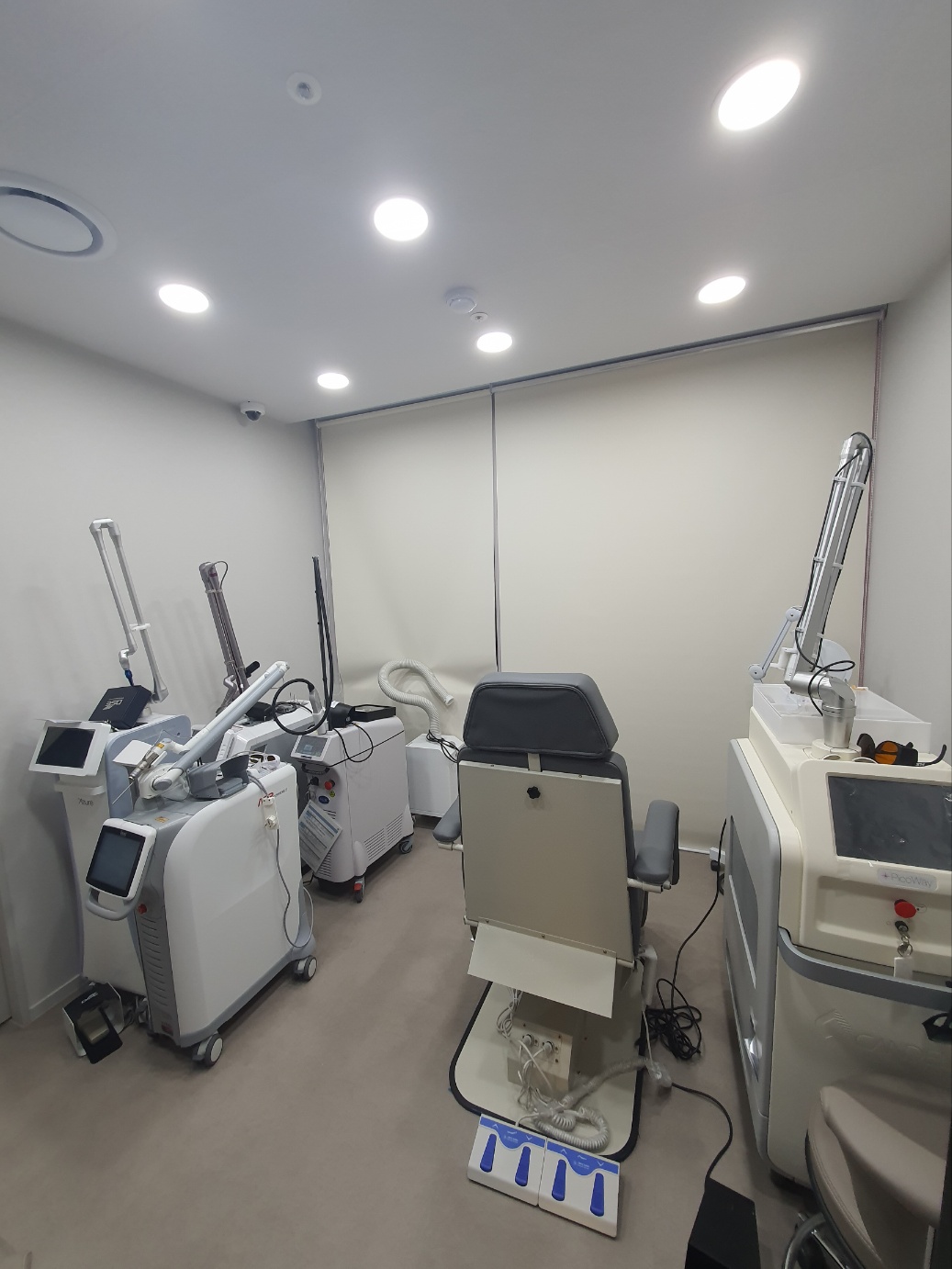
In this guide, I will explain the biology behind UV sensitivity, the specific risks of sun exposure during healing, and practical strategies for protecting treated skin, drawn from my clinical perspective at LUNN. Please note that individual healing results may vary, and potential side effects such as temporary redness or swelling can occur.
Understanding Flat Warts and Why Post-Treatment Sun Protection Matters
Sun protection after flat wart treatment is the deliberate limitation of ultraviolet exposure to skin that has just undergone controlled injury, because that skin is temporarily less able to defend itself against UV-driven damage. Understanding what flat warts are and how they are treated clarifies why the recovery window deserves careful attention.
What Are Flat Warts and How Are They Treated?
Flat warts are small, slightly raised, skin-colored or brownish lesions caused by certain strains of human papillomavirus, most often appearing on the face, neck, and backs of the hands. They are common in children and young adults, and because they spread easily through scratching and shaving, early management is generally advised. Dermatologists typically confirm the diagnosis by clinical examination, and treatment options include cryotherapy with liquid nitrogen, topical retinoids, salicylic acid preparations, and laser treatment as an immune stimulant to trigger a localized response against the virus. Each method creates a controlled stimulus to the skin, which then encourages the body to recognize the virus and heal. At my clinic, LUNN, my approach is to match the method to the lesion's location, depth, and the patient's skin type, then to explain the recovery timeline in detail. Patients should understand that these are common, manageable lesions, but individual healing varies and recurrence is possible, so follow-up matters.
Why Does Sun Exposure Threaten Treated Skin?
Treated skin is in an active state of repair, with increased blood flow, a temporarily compromised barrier, and melanocytes that are primed to respond to stimulation. Ultraviolet radiation is one of the strongest triggers for melanin production, so exposing freshly treated areas to sunlight can push those melanocytes into overdrive. The result is post-inflammatory hyperpigmentation, a darkening of the treated site that can persist for months. Beyond pigmentation, UV exposure generates reactive oxygen species that add oxidative stress to cells already managing inflammation. The immune system is also locally engaged in clearing viral particles, and excessive UV can transiently alter local immune signaling. This is why dermatologists consistently recommend strict photoprotection during the healing window. At LUNN, I provide patients with written aftercare instructions that place sun avoidance alongside wound care and follow-up scheduling.
The Science Behind UV Radiation and Skin Healing
Ultraviolet radiation is divided into UVA, which penetrates into the dermis and drives photoaging, and UVB, which primarily affects the epidermis and is the main driver of sunburn. Both contribute to inflammation through the production of free radicals and pro-inflammatory cytokines. In healing skin, the inflammatory phase is already active, and additional UV exposure can prolong this phase rather than allow progression to the proliferative and remodeling stages. Melanocyte-stimulating hormone and other signaling molecules released in response to UV further increase pigment production. Studies in dermatologic literature consistently link early UV exposure after resurfacing procedures to higher rates of dyspigmentation. The practical takeaway is that the first weeks after treatment are a period of heightened vulnerability, and the scalp, ears, and neck are often overlooked. I emphasize at LUNN that sun protection is not a minor courtesy but a central component of the treatment plan itself.
How Sun Exposure Affects Healing After Flat Wart Treatment
Sun exposure during recovery affects healing through three main pathways: pigmentary change, delayed repair with discomfort, and structural risk such as scarring. Each pathway has practical implications for how patients should plan their days after a procedure.
Post-Inflammatory Hyperpigmentation: A Common Risk
Post-inflammatory hyperpigmentation is a localized darkening of skin that follows inflammation or injury, and it is one of the most frequently observed complications after flat wart treatment in sun-exposed areas. The mechanism involves melanocytes in the treated zone becoming hyperactive and transferring excess melanin to surrounding keratinocytes. In darker skin types, particularly Fitzpatrick types III to V, this risk is higher, and dermatologists often counsel extra caution. Pigmentation can appear within days to weeks and may take several months to fade, sometimes longer when UV exposure continues. Patients often describe the darkened spots as more cosmetically troubling than the original warts. This is why I build sun protection directly into the aftercare plan at LUNN, rather than treating it as optional advice. Individual outcomes vary, and some patients may require additional pigment-focused care if darkening develops.
Delayed Healing and Increased Discomfort
Healing after flat wart treatment proceeds through inflammation, tissue formation, and remodeling, and UV exposure can interfere with each stage. Erythema and swelling may persist longer when treated skin is repeatedly exposed to sunlight, and patients may notice increased stinging or tightness. UV-induced free radicals consume antioxidants and can impair collagen synthesis, slowing the restoration of normal skin texture. Some patients also report that treated areas feel more sensitive to heat and to skincare products during this period. Practical guidance includes avoiding peak midday sun, using physical barriers, and keeping the area moisturized. I advise my patients at LUNN that discomfort lasting beyond the expected window warrants a check-in, because persistent inflammation can be a sign that something else is contributing. Recovery timelines vary by treatment depth and individual factors, so patience and consistency matter.
Potential for Scarring and Recurrence
Scarring after flat wart treatment is uncommon but possible, particularly when healing is complicated by excessive inflammation, picking, or repeated UV injury. Sun exposure can contribute to abnormal pigmentation within a scar and may make the final texture less uniform. Regarding recurrence, sun exposure does not directly cause warts to return, since recurrence is driven by residual viral material and immune clearance. However, compromised skin barrier function and delayed healing can create conditions that are less favorable for complete resolution. Patients with multiple lesions or a history of recurrence may benefit from a structured follow-up schedule. At LUNN, my recommendation is to combine sun protection with regular skin checks so that any new lesions are identified early. This balanced approach sets realistic expectations rather than promising a single definitive outcome.
Comparing Sun Protection Strategies After Flat Wart Treatment
Comparing sun protection strategies is a matter of matching the method to skin sensitivity, lifestyle, and the treated site, rather than identifying a single universal option. The table below summarizes characteristics without ranking one option above another.
| Strategy | Key Characteristics | Considerations |
|---|---|---|
| Mineral (physical) sunscreen | Zinc oxide or titanium dioxide; sits on skin surface | Less likely to sting sensitive skin; may leave a visible cast |
| Chemical sunscreen | Organic UV filters; absorbs into skin surface | Cosmetically light; some filters may irritate compromised skin |
| Protective clothing | Hats, masks, UV-blocking fabric | No reapplication needed; coverage depends on fabric and fit |
| Behavioral measures | Shade seeking, timing outdoor activity | Requires planning; effective when consistently applied |
| Combination approach | Layering sunscreen with physical barriers | Often practical for daily life; needs habit formation |
Physical vs. Chemical Sunscreens: What Works Best?
Physical sunscreens use mineral filters such as zinc oxide and titanium dioxide to reflect and scatter UV radiation, and they are often preferred for sensitive or recently treated skin because they tend to cause less stinging. Chemical sunscreens use organic filters that absorb UV and convert it to heat, and modern formulations are cosmetically elegant and easy to layer. Neither category is universally superior; the better choice depends on skin tolerance, the treated location, and personal preference. A broad-spectrum product with SPF 30 or higher is a reasonable baseline for most patients, and reapplication every two hours outdoors is standard advice. For treated facial areas, tinted mineral formulations can help camouflage redness while providing protection. At LUNN, I encourage patients to test a small area first and to bring their products to follow-up visits for review. Consistency matters more than brand selection.
The Role of Protective Clothing and Behavioral Measures
Protective clothing and behavioral measures complement sunscreen by reducing the amount of UV that reaches treated skin in the first place. Wide-brimmed hats, tightly woven fabrics, and UV-blocking accessories are particularly useful for the face, ears, and neck, which are common sites for flat warts. Seeking shade during the hours of strongest sun, typically late morning through midafternoon, reduces cumulative exposure without requiring constant reapplication. For patients with hand lesions, driving gloves or long sleeves can be practical. Behavioral measures also include planning outdoor activities around treatment schedules and avoiding tanning beds entirely. These strategies are especially valuable when skin is too irritated for sunscreen, a situation some patients encounter in the first days after a procedure. I review these options individually at LUNN, because the right combination depends on occupation, climate, and daily routine.
Timing and Duration of Sun Avoidance
Timing and duration of sun avoidance depend on the treatment method and the individual's healing course, but general guidance is useful for planning. Direct sun exposure is typically minimized for at least two to four weeks after treatment, with stricter avoidance in the first several days. When the skin has re-epithelialized and inflammation has settled, a gradual return to normal activity with consistent sunscreen use is usually reasonable. Some dermatologists extend precautions for patients with darker skin types or a history of hyperpigmentation. It is important to note that healing varies, and a longer or shorter window may apply to a given case. I provide written timelines at LUNN tailored to each patient and adjust them at follow-up. Patients should treat these timelines as guidance to be confirmed rather than a fixed rule.
Practical Guidelines for Sun Avoidance During Recovery
Practical guidelines translate the biology into daily habits that are realistic to maintain. The recommendations below are organized by recovery phase so that patients can plan accordingly.
Immediate Post-Treatment Care: The First 48 Hours
The first 48 hours after flat wart treatment are when the skin barrier is most disrupted and inflammation is at its height. During this window, direct sun exposure should be avoided entirely, and outdoor time should be limited to brief necessary trips with physical coverage. Gentle cleansing with lukewarm water, application of a bland moisturizer, and avoidance of exfoliants and active ingredients are standard. If the treated area is crusted, picking should be avoided because it increases the risk of scarring and pigmentation. Sunscreen may not be appropriate on open or weeping areas immediately, which is why hats and shade are emphasized early on. I advise patients at LUNN to plan procedures around their schedules, ideally when several quiet days are possible. Any signs of spreading redness, increasing pain, or pus warrant prompt contact with the clinic.
Long-Term Sun Protection Habits for Optimal Results
Long-term sun protection habits support the final cosmetic outcome and overall skin health well beyond the initial healing window. Daily broad-spectrum sunscreen, reapplied as needed, is the foundation, and it should be integrated into a morning routine rather than treated as an occasional measure. Protective clothing and shade seeking remain useful, especially during high-UV seasons and at high altitudes. Periodic skin self-checks help patients notice new lesions or pigment changes early, and professional follow-up allows for timely assessment. Smoking and poor sleep can also affect healing, so general lifestyle factors deserve attention. I emphasize at LUNN that sustainable habits outperform intense short-term effort that fades after a few weeks. Patients who travel frequently or work outdoors may need a more structured plan, which can be discussed at consultation.
When to Consult Your Dermatologist
Consultation with a dermatologist is appropriate when healing deviates from the expected course or when new concerns arise. Signs that warrant an appointment include persistent darkening of treated areas, redness or swelling that worsens after the first week, pain that increases rather than subsides, and the appearance of new lesions nearby. Patients with a history of keloids, darker skin types, or prior hyperpigmentation may benefit from earlier review. A dermatologist can assess whether additional pigment-focused care or a modified treatment plan is appropriate. I recommend scheduling a follow-up at LUNN within the timeframe provided at the time of treatment, and contacting my clinic sooner if anything feels off. Individual cases vary, and personal guidance from a clinician remains the most reliable source of advice.
Key Takeaways
- UV exposure after flat wart treatment can trigger post-inflammatory hyperpigmentation, prolong healing, and increase the risk of scarring.
- Broad-spectrum sunscreen with SPF 30 or higher, applied consistently and reapplied outdoors, is a practical baseline for most patients.
- Mineral sunscreens and protective clothing are useful options for sensitive or recently treated skin.
- Direct sun avoidance is generally advised for at least two to four weeks, with individual timelines confirmed by a dermatologist.
- I recommend at LUNN combining sun protection with scheduled follow-up so that pigment changes or recurrence are identified early.
Frequently Asked Questions
Q. Why is it important to avoid sun exposure after flat wart treatment?
Avoiding sun exposure matters because UV radiation can stimulate melanocytes in freshly treated skin, leading to post-inflammatory hyperpigmentation that may persist for months. UV also adds oxidative stress to tissue that is already inflamed, which can delay healing and increase the risk of scarring. Protecting the area supports a smoother recovery and a more predictable cosmetic outcome, although individual results vary.
Q. How long should I avoid sun exposure after flat wart treatment?
General guidance is to minimize direct sun exposure for at least two to four weeks after treatment, with the strictest avoidance in the first several days. The exact duration depends on the treatment method, the treated site, and how quickly the skin re-epithelializes. Your dermatologist can provide a timeline tailored to your case and adjust it at follow-up.
Q. What type of sunscreen is best after flat wart treatment?
A broad-spectrum sunscreen with SPF 30 or higher is a reasonable baseline for most patients. Mineral formulations containing zinc oxide or titanium dioxide are often preferred for sensitive or recently treated skin because they tend to sting less, though tinted versions can help conceal redness. Reapply every two hours when outdoors, and confirm product suitability at your follow-up visit.
Q. Can I use makeup to cover treated areas and then go in the sun?
Makeup can camouflage redness, but it does not replace sun protection. Apply sunscreen underneath makeup and continue to limit direct sun exposure, especially during the first weeks of healing. Choose non-comedogenic, gentle products, and avoid applying makeup to open or weeping areas until the skin has closed.
Q. What are the signs of sun damage after flat wart treatment?
Common signs include darkening of the treated area, increased redness, swelling, or healing that seems slower than expected. These changes may appear within days to weeks of exposure. If you notice any of them, contact your dermatologist for assessment and advice on management rather than waiting for the next scheduled visit.
Q. Are there alternatives to sunscreen if my skin is too sensitive?
If sunscreen causes stinging or irritation, mineral-based formulations are often better tolerated. Protective clothing such as wide-brimmed hats, UV-blocking fabrics, and shade seeking can reduce exposure without direct product contact. Discuss suitable options with your dermatologist, particularly if the treated area is still open or crusted.
Q. Does sun exposure increase the risk of flat warts coming back?
Sun exposure does not directly cause warts to return, since recurrence is driven by residual viral material and immune clearance. However, UV-related barrier disruption and delayed healing can create less favorable conditions for complete resolution. Consistent sun protection supports overall skin health and may reduce the likelihood of complications, though individual outcomes differ.
Q. What should I do if I accidentally get sun exposure after treatment?
Apply a cool compress, keep the area gently moisturized, and monitor for redness, swelling, or darkening over the following days. Avoid picking or scrubbing the treated site. If irritation persists or pigmentation develops, contact your dermatologist for guidance on next steps.
If you have questions about aftercare following flat wart treatment, a consultation at LUNN can help clarify a plan suited to your skin. LUNN / Park Hyung-kwon, MD. Follow @dr.lunn on Threads for more dermatology insights.
FAQ
- Why is it important to avoid sun exposure after flat wart treatment?
- Avoiding sun exposure matters because UV radiation can stimulate melanocytes in freshly treated skin, leading to post-inflammatory hyperpigmentation that may persist for months. UV also adds oxidative stress to tissue that is already inflamed, which can delay healing and increase the risk of scarring. Protecting the area supports a smoother recovery and a more predictable cosmetic outcome, although individual results vary.
- How long should I avoid sun exposure after flat wart treatment?
- General guidance is to minimize direct sun exposure for at least two to four weeks after treatment, with the strictest avoidance in the first several days. The exact duration depends on the treatment method, the treated site, and how quickly the skin re-epithelializes. Your dermatologist can provide a timeline tailored to your case and adjust it at follow-up.
- What type of sunscreen is best after flat wart treatment?
- A broad-spectrum sunscreen with SPF 30 or higher is a reasonable baseline for most patients. Mineral formulations containing zinc oxide or titanium dioxide are often preferred for sensitive or recently treated skin because they tend to sting less, though tinted versions can help conceal redness. Reapply every two hours when outdoors, and confirm product suitability at your follow-up visit.
- Can I use makeup to cover treated areas and then go in the sun?
- Makeup can camouflage redness, but it does not replace sun protection. Apply sunscreen underneath makeup and continue to limit direct sun exposure, especially during the first weeks of healing. Choose non-comedogenic, gentle products, and avoid applying makeup to open or weeping areas until the skin has closed.
- What are the signs of sun damage after flat wart treatment?
- Common signs include darkening of the treated area, increased redness, swelling, or healing that seems slower than expected. These changes may appear within days to weeks of exposure. If you notice any of them, contact your dermatologist for assessment and advice on management rather than waiting for the next scheduled visit.
- Are there alternatives to sunscreen if my skin is too sensitive?
- If sunscreen causes stinging or irritation, mineral-based formulations are often better tolerated. Protective clothing such as wide-brimmed hats, UV-blocking fabrics, and shade seeking can reduce exposure without direct product contact. Discuss suitable options with your dermatologist, particularly if the treated area is still open or crusted.
- Does sun exposure increase the risk of flat warts coming back?
- Sun exposure does not directly cause warts to return, since recurrence is driven by residual viral material and immune clearance. However, UV-related barrier disruption and delayed healing can create less favorable conditions for complete resolution. Consistent sun protection supports overall skin health and may reduce the likelihood of complications, though individual outcomes differ.
- What should I do if I accidentally get sun exposure after treatment?
- Apply a cool compress, keep the area gently moisturized, and monitor for redness, swelling, or darkening over the following days. Avoid picking or scrubbing the treated site. If irritation persists or pigmentation develops, contact your dermatologist for guidance on next steps.