
Post
Early Signs of Flat Warts and How to Stop Them From Spreading: A 2026 Guide from Dr. Hyung-kwon Park
Introduction
Hello, I am Dr. Hyung-kwon Park, a board-certified dermatologist and the director of LUNN Dermatology Clinic.
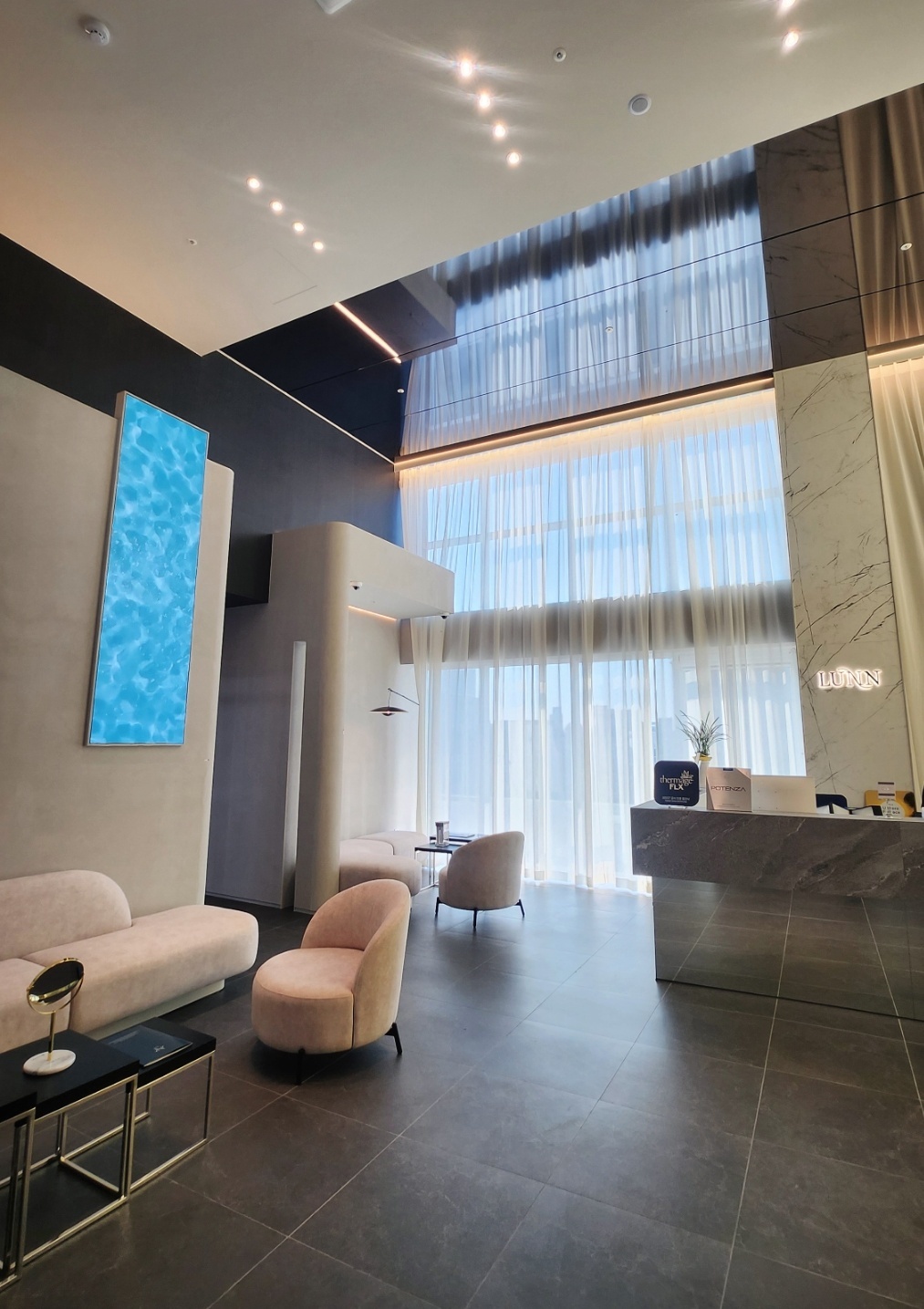
Flat warts are small, flat-topped skin growths caused by certain types of human papillomavirus (HPV) that most often appear on the face, hands, and legs. My philosophy is "Refining the Details," which means I don't just treat the visible bump; I analyze the underlying structural and immune environment. This guide explains how to recognize them early, how they spread, and how I approach treatment at my clinic to limit transmission. Because flat warts can mimic other skin conditions, a professional assessment based on my direct examination matters more than any home remedy.
What Are Flat Warts? Definition and Overview
Flat warts are benign epidermal growths induced by HPV, typically presenting as smooth, slightly raised papules. I treat them as a viral skin condition first and a cosmetic concern second, since the underlying virus determines recurrence risk and the treatment plan. At LUNN, I personally handle every step from consultation to treatment to ensure consistent care.
Flat Warts Defined: Cause, Appearance, and Common Locations
Flat warts arise when HPV infects keratinocytes in the upper epidermis, prompting a localized overgrowth of skin cells. Lesions are usually skin-colored, pink, or light brown, with a smooth, flat top and a diameter of about 1 to 5 millimeters. They favor the face, the backs of the hands, the forearms, and the lower legs. Because the surface is flat rather than dome-shaped, they are easy to overlook. I emphasize a "precise state analysis" where I personally examine the skin's texture and thickness by hand and sight to confirm the diagnosis when lesions are subtle.
How Flat Warts Differ from Common and Plantar Warts
Flat warts differ from common warts mainly in silhouette and surface texture. Common warts are typically dome-shaped with a rough surface, while flat warts are smooth and only slightly raised. Plantar warts sit on the sole and grow inward under pressure. Flat warts often cluster on the face, hands, and legs and may follow a linear pattern after shaving or scratching. In my practice, I find that recognizing these differences is the first step in creating a "customized design" for treatment rather than a factory-style approach.
Who Is More Likely to Develop Flat Warts
Flat warts are more common in children and young adults, but they frequently affect adults whose skin barrier is disrupted. I often tell my patients that a personal history of eczema or frequent shaving over the same area acts as a gateway for the virus. Individuals with weakened immune systems may develop more numerous lesions. At my clinic, I view these cases through the lens of "achieving perfect harmony," ensuring we support the skin barrier while addressing the viral infection.
Early Signs of Flat Warts: What to Look For
Early flat warts are subtle: they are small, flat, and only slightly different in color from surrounding skin. Catching them early is the most practical way to limit spread. If you have ever wondered, "What are these dozens of bumps appearing on my face?" it is time for a professional evaluation.
Subtle Skin Changes: Color, Texture, and Size
The earliest sign is usually a small papule, 1 to 5 millimeters across, with a smooth surface. Texture changes are key: the skin feels faintly raised rather than rough. Lesions may multiply in clusters or arrange in a line, a pattern known as the Pseudo-Koebner phenomenon. I recommend a thorough physical examination at my clinic rather than self-diagnosis, as I personally check the depth and distribution of every lesion to distinguish them from flat seborrheic keratoses or moles.
Typical Locations on the Face, Hands, and Legs
Flat warts favor areas of thin skin exposed to friction, especially the forehead, cheeks, chin, and lower legs. On the face, they can be mistaken for acne or milia. I have observed that a linear arrangement on a shaved area strongly suggests autoinoculation through a razor blade. This is why I often warn patients that their daily shaving routine might be spreading the virus.
When a Lesion Warrants a Dermatology Consultation
A consultation is necessary when lesions are spreading rapidly or changing in appearance. Bleeding, crusting, or a lack of response to home care are additional reasons to seek my evaluation. I emphasize that while these are benign, the diagnosis must be confirmed to ensure we aren't overlooking more serious skin conditions. Individual results and treatment timelines will vary depending on the patient's immune status.
How Flat Warts Spread and How to Reduce Transmission
Flat warts spread through HPV via direct or indirect contact. However, self-inoculation—moving the virus from one part of your body to another—is the primary reason clusters grow so quickly. I frame prevention as a combination of hygiene and protecting the skin's local immunity.
Direct and Indirect Transmission Routes
Direct skin-to-skin contact is common in households. Indirect transmission can occur through shared towels or razors. The virus doesn't require a large wound to enter; even microscopic abrasions from a scrub or a towel are enough. I advise all my patients to use separate personal items to avoid infecting family members during the treatment period.
Self-Spread Through Shaving and Scratching
This is a critical point I emphasize: "Your razor may be moving the virus." Scratching, picking, or shaving over a lesion carries virus-laden cells to adjacent skin. For my male patients, I often suggest specific shaving precautions or pausing entirely over affected areas. Keeping fingernails short also reduces the chance of autoinoculation through accidental scratching.
Practical Hygiene and Prevention Steps
Protecting the skin barrier is essential. I recommend moisturizing dry skin to support its natural defenses. At the gym, always use a personal towel and wear footwear in locker rooms. Most importantly, I advise patients to avoid aggressive scrubs that create micro-tears. These hygiene steps support the treatment plan but rarely clear established lesions on their own.
Treatment Options Compared: Benefits, Limitations, and Suitability
My goal in treating flat warts is not just to remove the bump, but to stimulate the body's immune system. I explain to my patients that we are creating a "trigger" so the body can recognize the virus. No single method is a 100% guarantee, and multiple sessions are often required.
Topical and Destructive Treatments at a Glance
Topical options like salicylic acid require weeks of consistency and may cause irritation. Destructive options include cryotherapy and laser therapy. In my clinic, I don't just view laser therapy as a tool for "burning" tissue; rather, it acts as an irritant that wakes up the local immune system to recognize and attack the virus. This logic helps manage expectations regarding the number of sessions needed.
Comparison Table: Efficacy, Downtime, and Recurrence Risk
| Treatment | How It Works | Typical Downtime | Recurrence Consideration |
|---|---|---|---|
| Salicylic acid | Exfoliates infected tissue | Minimal irritation | Often requires many weeks; recurrence common |
| Cryotherapy | Freezes lesion tissue | Blistering/crusting possible | Multiple sessions usually needed; risk of pigment change |
| Laser Therapy | Acts as an immune stimulant/ablation | Redness for several days | I use this to trigger immune recognition; recurrence depends on immunity |
| Immune Creams | Stimulates local response | Local inflammation | Gradual; results vary significantly by individual |
Note: All procedures carry risks of temporary redness, swelling, or pigment changes. Results are not typical and vary by patient.
What to Discuss With Me Before Treatment
During our 1-on-1 consultation, we will discuss your history of pigment change and any prior failed treatments. I will personally analyze your skin's condition to decide if we should take a conservative approach. For facial lesions, I focus on the "1mm difference" to ensure natural-looking results while minimizing the risk of scarring or long-term discoloration.
When to Seek Care and What to Expect
Seeking care early is the best way to shorten the course of treatment. My approach is "diagnosis-first," meaning I will never rush into a procedure without a thorough assessment of your skin's structural health.
Red Flags and Situations That Need Professional Evaluation
If you see dozens of bumps appearing suddenly or if lesions are bleeding or painful, you need an evaluation. I also remind patients with weakened immune systems that they may require a more intensive, synergy-based treatment plan involving both lasers and topical support.
Realistic Expectations: Treatment Course and Possible Side Effects
Honestly, one-time dramatic changes are rare. Most treatments require multiple sessions. Side effects can include temporary redness, swelling, crusting, or post-inflammatory hyperpigmentation. Darker skin types must be particularly careful with aggressive treatments, which is why I prefer a meticulous, step-by-step approach over "factory-style" high-energy settings.
Follow-Up and Preventing Recurrence
After treatment, sun protection is not an option—it is mandatory. I tell my patients that UV rays suppress local skin immunity, which is exactly what the wart virus needs to thrive. Using sunscreen helps your immune system stay strong enough to keep the virus at bay. I will schedule follow-ups to monitor your progress and treat any new micro-lesions before they spread.
Key Takeaways
- Flat warts are small HPV-induced lesions (1-5mm) most common on the face and legs.
- Shaving and scratching are major routes of self-spread; pausing these activities is often necessary.
- I view laser treatment as an immune stimulant, not just a way to burn skin tissue.
- UV protection is essential because sun exposure suppresses the local immunity needed to fight the virus.
- Every patient receives a 1-on-1 "state analysis" and customized treatment plan from me personally.
Frequently Asked Questions
Q. What are flat warts, and how can I recognize them early?
As a dermatologist, I describe them as small, slightly raised papules that are often skin-colored or pink. If you see tiny, smooth bumps appearing in clusters on your forehead or chin—especially after shaving—they are likely flat warts. I use my hands and eyes for a precise state analysis to confirm this.
Q. How do flat warts spread from person to person?
They spread through direct contact or shared items like towels and razors. At LUNN, I emphasize that the virus enters through microscopic breaks in the skin, which is why keeping your skin barrier healthy is so important.
Q. Are flat warts contagious, and how long should I avoid close contact?
Yes, they are contagious as long as visible lesions are present. I tell my patients to treat them like a lingering cold for the skin; until they are gone, avoid sharing personal items and cover affected areas if possible.
Q. What treatment options do you offer for flat warts?
I offer a range of treatments including cryotherapy, topical agents, and laser therapy. I personally favor using laser therapy as a "stimulant" to trigger your skin's immune response, though multiple sessions are almost always required for full clearance.
Q. Can flat warts go away without treatment?
While some may resolve as the immune system matures, this process is slow and unreliable. There is a high risk of spreading them to other body parts or family members in the meantime. I usually recommend treatment to stop the cycle of self-inoculation.
Q. What side effects should I expect from treatment?
Typical side effects include temporary redness, crusting, or slight swelling. In some cases, temporary pigment changes can occur. I take a conservative approach to minimize these risks, especially for facial treatments.
Q. How can I prevent flat warts from spreading at home?
Stop scratching them and be extremely careful with shaving. I also tell my patients that applying sunscreen is a vital part of prevention because it prevents UV rays from suppressing your skin's local immunity.
Q. When should I see you for a consultation?
If you notice more than a few bumps or if they are appearing on your face, come in for a consultation. Early treatment is much easier than trying to clear hundreds of lesions later. I will personally guide you through the diagnosis and treatment.
If you are struggling with spreading lesions, a consultation at LUNN with me, Dr. Hyung-kwon Park, can help you find a logical path to recovery. LUNN Dermatology Clinic, 5F, 822 Seolleung-ro, Gangnam-gu, Seoul. Threads @dr.lunn.
FAQ
- What are flat warts, and how can I recognize them early?
- Flat warts are small, slightly raised growths caused by certain types of HPV. They are usually skin-colored, pink, or light brown, with a smooth, flat top and a size of about 1 to 5 millimeters. Early signs include clusters of tiny bumps on the face, hands, or legs, sometimes in a line after shaving or scratching. Because they can resemble other conditions, a dermatologist can confirm the diagnosis with an examination and, if needed, dermoscopy.
- How do flat warts spread from person to person?
- They spread mainly through direct skin-to-skin contact and, less commonly, through shared towels, razors, or gym equipment. The virus can also move to other areas of the same person's body through scratching, shaving, or picking. Covering lesions, avoiding shared personal items, and not shaving over affected skin reduce the chance of transmission.
- Are flat warts contagious, and how long should I avoid close contact?
- Yes, they are contagious as long as lesions are present. The virus can pass to others through direct contact, so covering affected skin and avoiding shared personal items is reasonable until lesions resolve. There is no fixed timeframe that applies to everyone; clearance depends on the immune response and any treatment used, so a dermatologist can advise on individual precautions.
- What treatment options are available for flat warts?
- Options include topical agents such as salicylic acid, cryotherapy, curettage, laser therapy, and immune-modulating creams. The choice depends on the number, location, and size of lesions, the skin type, and patient preference. Some methods need multiple sessions and carry a risk of temporary redness, blistering, or pigment change. A dermatologist can explain the risks and benefits of each approach.
- Can flat warts go away without treatment?
- Some resolve on their own over months or years as the immune system clears the virus, but this is not guaranteed and the process can be slow. Without treatment, there is also a risk of spread to other areas or to other people. For that reason, treatment is often recommended when lesions are numerous, spreading, or on the face.
- What side effects or limitations should I expect from treatment?
- Common side effects include temporary redness, swelling, mild pain, blistering, or crusting at the treatment site. Some patients experience temporary pigment changes, particularly after cryotherapy or laser treatment. Recurrence is possible because the virus can persist, so follow-up visits and sun protection are often advised. Individual results vary, and a dermatologist can discuss what is typical for your situation.
- How can I prevent flat warts from spreading at home?
- Keep lesions covered, avoid scratching or picking, use a clean razor or avoid shaving over affected areas, do not share towels or personal items, and wash hands regularly. At the gym or pool, wear footwear and use your own towel. If lesions are spreading or not improving, a dermatology consultation can help with treatment and further prevention.
- When should I see a dermatologist for flat warts?
- Consider a consultation if lesions spread quickly, are numerous or on the face, bleed, change color or shape, or do not improve after home care. A dermatologist can confirm the diagnosis, rule out other conditions, and recommend a plan. People with weakened immune systems or a history of skin cancer should seek evaluation promptly.