
Post
A Dermatologist’s 2026 Guide to Advanced Laser Therapy for Pigmentation and Redness: Achieving Structural Harmony
Hello, I am Dr. Hyungkwon Park, a dermatology specialist at Lunn Dermatology Clinic. In the pursuit of skin health, many patients face the dual challenge of persistent pigmentation and underlying redness, which can disrupt the natural balance of the complexion. Advanced laser technology offers a sophisticated approach to these concerns by utilizing ultrashort pulses to refine the skin texture and tone without excessive thermal impact.
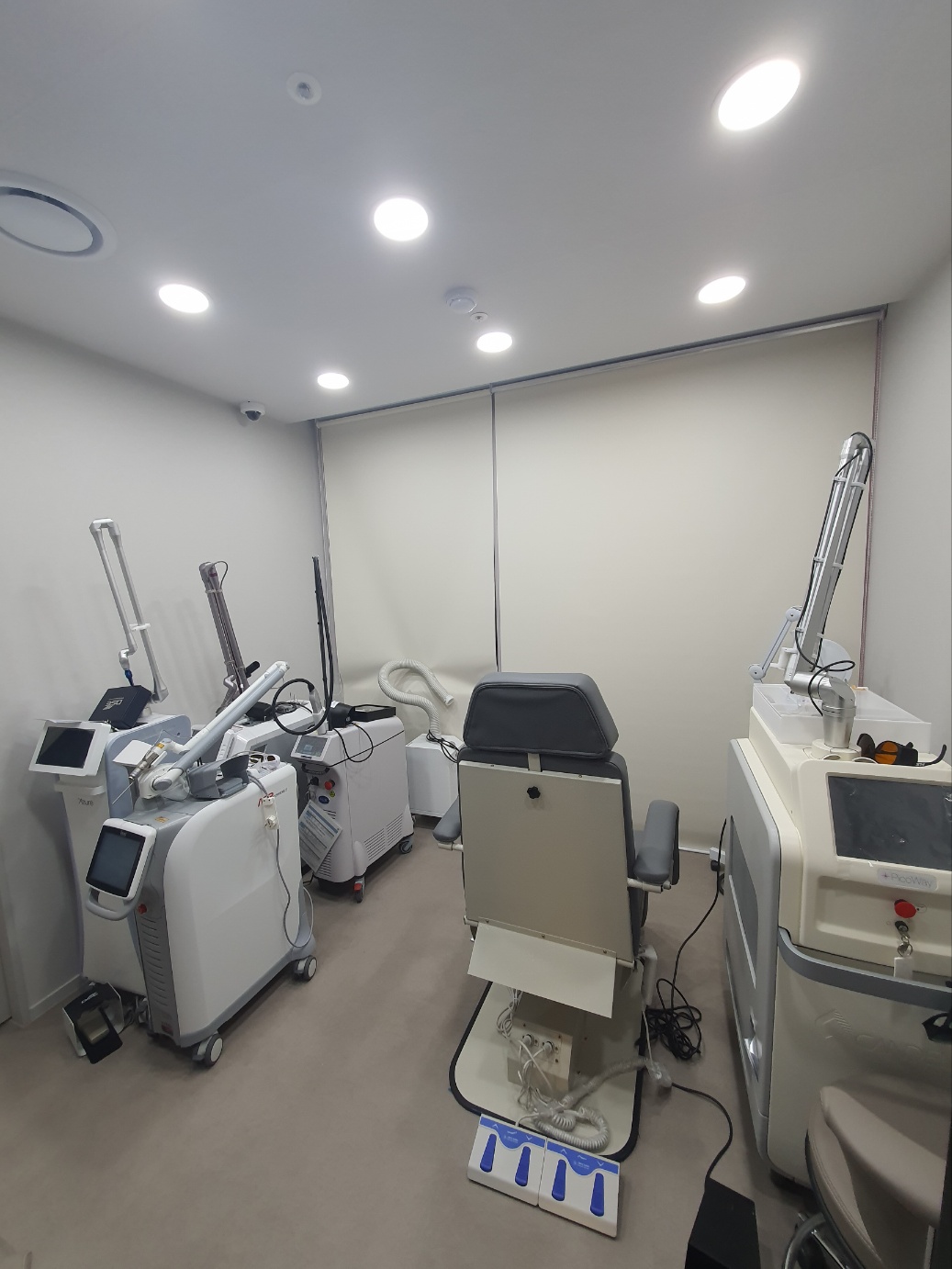
This guide explores how we utilize these precision tools to achieve what I call structural harmony for our patients.
Understanding Advanced Laser Technology for Skin Pigmentation and Redness
Modern dermatological practice employs advanced laser systems that utilize picosecond pulse technology to deliver energy in one trillionth of a second to address various skin discolorations and vascular issues. Unlike older systems that rely heavily on heat, this method creates a photoacoustic effect that shatters target particles into tiny fragments that the body can naturally clear. This precision allows for the treatment of specific layers of the skin while prioritizing the protection of surrounding healthy tissue, making it a versatile tool in modern clinical settings.
The Science of Picosecond Technology
The fundamental science behind high-precision laser systems lies in their pulse speed. A picosecond is one trillionth of a second, which is approximately 1,000 times faster than the nanosecond pulses used in traditional Q-switched lasers. At LUNN, we utilize this speed to create a photoacoustic impact rather than a purely photothermal one. This means the laser energy hits the pigment so quickly that the particles shatter into sand-like dust before the skin has a chance to heat up significantly. By reducing the thermal footprint, we can target deep-seated melanin or ink particles with high peak power while keeping the overall temperature of the dermis stable. This mechanism is essential for managing the risk of post-inflammatory hyperpigmentation, especially in patients with sensitive skin. The efficiency of these ultrashort pulses allows the body to metabolize and remove the shattered debris through natural biological processes.
How Advanced Lasers Target Both Pigment and Vascular Issues
One of the unique capabilities of modern laser systems is their ability to utilize multiple wavelengths, such as 532nm and 1064nm, to address different chromophores in the skin. Melanin, which causes brown spots and freckles, absorbs energy at specific frequencies, while hemoglobin in the blood vessels responds to others. By adjusting these parameters, I can treat superficial sun damage and deeper hormonal pigmentation while also addressing the diffuse redness caused by dilated capillaries. This dual-action approach is a cornerstone of the philosophy at Lunn Dermatology Clinic, where we aim for comprehensive skin refinement. By shattering the melanin clusters and gently stimulating the vascular response, the skin begins a natural rejuvenation process. This helps in balancing the overall tone of the face, ensuring that neither brown spots nor red patches dominate the appearance. The versatility of these wavelengths allows for a treatment plan tailored to the specific depth of the patient's concerns.
Suitability for Different Skin Types and Conditions
Suitability is a critical factor when choosing a laser treatment, as different skin types react uniquely to light-based therapies. Advanced picosecond technology is notable for its application across various Fitzpatrick skin types. Because the technology relies on acoustic energy alongside heat, it is designed to manage the risk profile for a wide range of skin tones. At LUNN, I carefully assess the skin barrier and history of each patient before proceeding with treatment. This approach is effective for those struggling with solar lentigines, freckles, or even certain types of post-inflammatory erythema. However, it is important to note that individual responses vary based on the thickness of the dermis and the underlying cause of the pigmentation. While many patients are excellent candidates, those with active infections or specific photosensitizing conditions may need to delay treatment. A thorough consultation is always necessary to ensure the protocol aligns with the patient's unique biological skin characteristics.
Comprehensive Comparison: Advanced Picosecond vs. Traditional Laser Treatments
Comparing different laser modalities is essential for understanding why modern technology has become a preferred choice for treating complex pigmentation and redness. Traditional nanosecond lasers have been a standard modality for many years, utilizing photothermal energy to address skin concerns. In contrast, newer technology focuses on delivering energy in shorter bursts, which is designed to minimize the thermal footprint on the surrounding tissue. By examining the technical differences in pulse duration and energy delivery, patients can better appreciate the shift toward more refined methods that prioritize the structural integrity of the skin layers during the correction process.
Picosecond vs. Nanosecond Pulse Durations
The primary distinction between picosecond and nanosecond lasers is the duration the energy remains in contact with the skin. Traditional nanosecond lasers deliver energy in billionths of a second, which creates a significant amount of heat. This heat can spread to the surrounding tissue, requiring careful management to avoid prolonged redness. In contrast, the picosecond pulses used at LUNN are much shorter, concentrating the energy into a burst that minimizes heat generation. This allows for a higher peak power that is effective at breaking down stubborn pigment into much smaller particles. Think of it as the difference between hitting a stone with a heavy hammer versus a high-speed vibration. The smaller the particles are shattered, the easier it is for the body's immune system to clear them away. This technical advantage often contributes to the overall efficiency of the skin clarity and harmony process.
Effectiveness and Recovery Comparison
| Feature | Advanced Picosecond Laser |
|---|---|
| Mechanism | Photoacoustic (Mechanical) |
| Pigment Particle Size | Extremely Fine (Dust-like) |
| Heat Damage Risk | Targeted to minimize thermal impact |
| Recovery Duration | Individual results vary based on sensitivity |
| Common Side Effects | Mild redness, temporary darkening, slight swelling |
| Sessions Required | Varies based on individual skin condition |
Why Modern Approaches Prioritize Minimal Thermal Damage
Modern dermatology has shifted toward minimizing thermal damage because excess heat can often lead to complications and extended downtime. When skin is subjected to high temperatures, the inflammatory response is more intense, which can trigger melanin-producing cells to react. At LUNN, we focus on maintaining the health of the skin barrier throughout the treatment process. By using advanced laser technology, we aim for the necessary results with a cooler profile. This approach is particularly beneficial for treating redness, as it helps prevent the worsening of vascular sensitivity. Furthermore, managing thermal impact means that the skin's structural proteins are stimulated through a controlled healing response. This results in a more natural-looking rejuvenation and a smoother recovery process. Patients can often return to their daily routines faster, which is a significant advantage for those with busy lifestyles in urban environments like Seoul.
The LUNN Approach: Precision and Harmony
The approach at Lunn Dermatology Clinic involves more than just operating a machine; it is about a deep understanding of skin architecture and how light interacts with living tissue. We view each patient's face as a unique landscape where pigmentation and redness often overlap across different depths. By applying a philosophy of precision and harmony, we can design treatments that address these layers systematically, ensuring that the final result looks natural and balanced rather than over-processed or unevenly corrected.
Layered Skin Design: Addressing Multiple Concerns Simultaneously
Layered skin design is a concept I apply to every treatment at LUNN, recognizing that pigmentation rarely exists in a single plane. Freckles might sit on the epidermis, while deeper sun damage or hormonal spots reside in the dermis, often accompanied by underlying redness in the vascular layer. Using advanced laser systems, I can target these different depths by adjusting the handpieces and settings. This multi-layered approach ensures that we are addressing the root of the discoloration. By carefully calibrating energy delivery, we can break down melanin at various levels while simultaneously addressing the overactive blood vessels that cause redness. This results in a more uniform skin tone that looks radiant from within. Addressing multiple concerns at once is efficient and allows for a more cohesive improvement in skin quality. This method requires a high level of expertise to ensure each layer receives the appropriate amount of energy.
Personalized Treatment Protocols by Dr. Hyungkwon Park
Every individual has a unique skin history, which is why a one-size-fits-all protocol is never used at LUNN. I personally assess the density of the pigment, the sensitivity of the vascular system, and the overall resilience of the patient's skin before every procedure. Based on this assessment, I customize the pulse intensity and frequency to match the specific needs of the individual. For instance, a patient with light freckles requires a different wavelength and energy level than someone dealing with deep-seated redness and post-inflammatory marks. These personalized protocols are essential for seeking optimal results while maintaining safety. I monitor the skin's reaction in real-time during the session, making adjustments to the settings as needed. This meticulous attention to detail is what allows us to achieve structural harmony, ensuring that the treatment is both effective and comfortable.
Managing Redness and Sensitivity During the Recovery Phase
Managing the skin after a laser treatment is just as important as the procedure itself to ensure a positive outcome. While modern lasers are known for manageable downtime, some degree of temporary redness and sensitivity is a normal part of the healing process. At LUNN, we provide post-care instructions designed to soothe the skin and protect the newly treated areas. This often includes the use of gentle, non-irritating moisturizers and strict sun protection to prevent any new pigment from forming. It is common for the treated spots to darken slightly before they naturally flake away. I advise patients to avoid harsh chemicals or exfoliants for at least a week to allow the skin barrier to recover fully. In some cases, we may recommend specific calming treatments to accelerate the resolution of any lingering redness. By following these guidelines, patients can ensure their recovery is smooth and that the results of the treatment are preserved for the long term.
What to Expect: Procedural Safety and Results Realism
Understanding the reality of laser results is key to patient satisfaction and safety in dermatological care. While advanced laser systems are highly effective tools, achieving clear skin is often a journey that requires multiple steps and careful maintenance. We emphasize transparency regarding what the technology can achieve, the potential for minor side effects, and the importance of a consistent long-term plan to maintain the health and appearance of the skin.
Preparing Your Skin for Laser Treatment
Preparation is the first step toward a successful treatment session at LUNN. I recommend that patients avoid excessive sun exposure or tanning for at least two to four weeks prior to their appointment, as tanned skin can absorb laser energy differently. Additionally, it is important to discontinue the use of topical retinoids or strong acids a few days before the procedure to reduce skin sensitivity. During the initial consultation, I review any medications or supplements the patient is taking that might affect their skin's healing response. Ensuring the skin is well-hydrated and healthy before the treatment allows the laser to work more effectively. We also discuss the patient's aesthetic goals to ensure they have a realistic understanding of the process. Proper preparation sets the foundation for a safe experience and helps us achieve the precise, harmonious results that our clinic is known for.
Managing Potential Side Effects: Redness, Swelling, and Pigment Darkening
While modern lasers are designed to be gentle, it is important to be aware of the temporary side effects that may occur. Redness and mild swelling are the most common reactions, typically resolving within a short period. In some cases, the treated pigmentation may appear darker for a few days, which is a standard part of the body's process for clearing fragmented melanin. Patients might also experience a sensation similar to a mild sunburn or slight itching as the skin heals. At LUNN, I ensure that all patients are aware that these responses are temporary and vary from person to person. Rare side effects, such as small blisters or temporary changes in skin texture, can occur and should be managed with proper post-care. We encourage patients to contact us if they have any concerns during their recovery. Understanding these potential reactions helps patients feel more confident and relaxed throughout their skin transformation journey.
Typical Treatment Intervals and Long-term Maintenance
Achieving desired results with advanced lasers usually requires a series of treatments rather than a single visit. For most patients at LUNN, I recommend an initial series of sessions spaced approximately 4 to 6 weeks apart. This interval allows the skin to fully process the shattered pigment and for the vascular system to stabilize. The exact number of sessions depends on the depth and intensity of the pigmentation or redness being addressed. Once the desired results are achieved, long-term maintenance is crucial for preserving skin clarity. This includes a dedicated skincare routine and consistent use of broad-spectrum sunscreen, as new sun damage can trigger fresh pigmentation. We also offer periodic touch-up sessions to address any new spots that may appear over time. This longitudinal approach is designed to support the skin in maintaining a state of structural harmony. Please note that individual results may vary, and potential side effects such as temporary redness, swelling, or pigment darkening can occur. I am committed to walking this path with my patients, providing the expertise and care needed for sustained skin health.
For more insights into my approach to skin health, you may find these guides helpful:
- A Dermatologist's 2026 Guide to Dr. Hyungkwon Park and LUNN: Achieving Structural Harmony in Seoul
- A Dermatologist’s Guide to Erasing Under-Eye Shadows and Pigmentation: The LUNN Approach to Structural Harmony
Frequently Asked Questions
Q. What exactly is advanced picosecond laser therapy and how does it work?
Picosecond laser technology uses ultrashort pulses to shatter pigmentation into tiny particles without excessive heat, making it effective for both spots and underlying redness. It utilizes a mechanical photoacoustic effect rather than a thermal one to target melanin and hemoglobin. This allows for precise treatment while prioritizing the protection of the surrounding skin.
Q. Can advanced lasers treat both brown spots and facial redness at once?
Yes, by utilizing specific wavelengths, modern laser systems can target melanin for spots and hemoglobin for redness, allowing for a more harmonious skin tone in a single session. This dual-targeting capability is efficient for patients who have multiple types of discoloration. I customize the settings for each wavelength to address the specific depth of each concern during the procedure.
Q. Is the laser treatment painful?
While most patients describe the sensation as a light snap, comfort levels vary. We focus on gentle techniques at LUNN, though individual sensitivity differs, and we can discuss options to improve comfort. Most individuals find the procedure tolerable, and any discomfort typically ends as soon as the session is finished.
Q. How many sessions are typically required for visible results?
Results vary significantly by patient; some see improvement after a few sessions, while deeper pigmentation or persistent redness may require additional tailored treatments. The total number of sessions depends on the skin's response and the severity of the initial condition. I provide a personalized estimate after a thorough skin assessment.
Q. What are the common side effects of laser therapy for pigmentation?
Temporary redness, mild swelling, or a slight darkening of the pigment before it flakes off are common. These usually resolve within a few days depending on the individual's skin response and the intensity of the treatment. These are normal signs that the laser has targeted the pigment and the skin is beginning its healing process.
Q. Is there significant downtime after the procedure?
Most patients return to daily activities quickly, but some may experience temporary social downtime if intense redness or swelling occurs. Modern technology is designed to minimize surface disruption. Most visible redness typically fades within 24 to 48 hours for the majority of our patients.
Q. Who is an ideal candidate for laser treatment at LUNN?
Individuals looking for precision treatment for freckles, sun damage, or post-inflammatory redness benefit most. A professional consultation is required to determine the best approach for your skin and ensure no contraindications exist. It is suitable for a wide range of skin tones, which makes it a versatile option for our diverse patient base.
Key Takeaways
- Advanced lasers utilize ultrashort pulses to shatter pigment mechanically, aiming to reduce thermal damage.
- The treatment addresses both brown pigmentation and red vascular issues using multiple wavelengths.
- The number of sessions required varies by individual based on skin type and condition severity.
- Post-care is essential, focusing on sun protection and gentle hydration to maintain the results.
- A consultation with a dermatology specialist is necessary to create a personalized protocol for structural harmony.
Lunn Dermatology Clinic / Dr. Hyungkwon Park
FAQ
- What exactly is Picoway laser and how does it work?
- Picoway is a laser technology that uses picosecond pulses to shatter pigmentation into tiny particles without excessive heat, making it effective for both spots and underlying redness. It utilizes a mechanical photoacoustic effect rather than a thermal one to target melanin and hemoglobin safely. This allows for precise treatment with a reduced risk of heat-related side effects on the surrounding skin.
- Can Picoway treat both brown spots and facial redness at once?
- Yes, by utilizing specific wavelengths, Picoway can target melanin for spots and hemoglobin for redness, allowing for a more harmonious skin tone in a single session. This dual-targeting capability is highly efficient for patients who have multiple types of discoloration. I customize the settings for each wavelength to address the specific depth of each concern during the procedure.
- Is the Picoway laser treatment painful?
- While most patients describe the sensation as a light snap, comfort levels vary. We focus on gentle techniques at lunnclinic, though individual sensitivity differs, and we can discuss options to improve comfort. Most individuals find the procedure very tolerable, and any discomfort typically ends as soon as the laser application is finished.
- How many sessions are typically required for visible results?
- Results vary significantly by patient; some see improvement in 3 to 5 sessions, while deeper pigmentation or persistent redness may require additional tailored treatments. The total number of sessions depends on the skin's response and the severity of the initial condition. I provide a personalized estimate after a thorough skin assessment during the consultation.
- What are the common side effects of Picoway for pigmentation?
- Temporary redness, mild swelling, or a slight darkening of the pigment before it flakes off are common. These usually resolve within a few days depending on the individual's skin response and the intensity of the treatment. These are normal signs that the laser has effectively targeted the pigment and the skin is beginning its healing process.
- Is there significant downtime after the procedure?
- Most patients return to daily activities immediately, but some may experience temporary social downtime if intense redness or swelling occurs in their specific case. Unlike older lasers that cause significant crusting, Picoway is designed to minimize surface disruption. Most visible redness typically fades significantly within 24 to 48 hours for the majority of our patients.
- Who is an ideal candidate for Picoway at lunnclinic?
- Individuals looking for precision treatment for freckles, sun damage, or post-inflammatory redness benefit most. A professional consultation is required to determine the best approach for your skin and ensure no contraindications exist. It is suitable for a wide range of skin tones, which makes it a versatile option for our diverse patient base.