
Post
A Dermatologist’s Guide to Erasing Under-Eye Shadows and Pigmentation: The LUNN Approach to Structural Harmony
Hello, I am Dr. Hyungkwon Park, a dermatologist at LUNN (Lunn Dermatology Clinic). As a specialist practicing in the heart of Cheongdam and Apgujeong Rodeo, I prioritize the delicate balance between effective pigment management and maintaining the structural integrity of your skin.
Our philosophy, "Refining the Details," means we look beyond surface-level spots to analyze the entire facial structure. This guide explores how we address dark circles and pigmentation through a precise 'shadow erasing' strategy to help you achieve a clearer, more harmonious complexion.
Understanding the 'Shadow Erasing' Strategy: A Structural Approach
Many patients visit LUNN complaining of dark circles and persistent pigmentation, often feeling that they look tired regardless of how much they rest. In my clinical experience, dark circles are rarely just a pigment issue. They are often caused by the 'tear trough ligament' pulling on the skin, creating a physical shadow—much like the contrast between a mountain and a valley. To achieve true harmony, we must address these structural shadows rather than just treating the surface color.
The Role of Precision in Under-Eye Treatment
At LUNN, we believe that natural results come from the smallest details. When treating the delicate under-eye area, we focus on the anatomical structure, fat distribution, and skin thickness. Unlike the 'factory-style' clinics that apply the same treatment to everyone, I personally conduct a detailed analysis of the muscle thickness and dermal environment before every procedure. We utilize specialized 'low-hydrophilic' fillers, such as Belotero, which are designed to attract less water. This is crucial because it minimizes the risk of the 'Tyndall effect'—that bluish swelling that can occur when the wrong product is used in the thin skin under the eyes. By precisely filling the 'valley' of the tear trough, we eliminate the shadow, often making the face look five years younger instantly. However, it is important to note that because the eye area is so complex, a conservative approach is essential, and results may vary based on individual anatomy.
Addressing Pigmentation through Dermal Health
While structural shadows are a major factor, vascular and pigmented dark circles also require attention. I have found that improving the environment of the deep dermis can significantly brighten the skin tone. Instead of simply 'burning' spots away, we focus on nourishing the skin barrier. When the skin environment is healthy, the body's natural clearance of melanin becomes more efficient. This is where the synergy between targeted treatments and skin boosters becomes vital. I often tell my patients, "Treating the skin without managing the underlying environment is like replacing the wallpaper in a house with a failing foundation." We prioritize the foundation first to ensure long-term clarity and health.
Synergistic Programs for Pigment and Texture
Achieving structural harmony often requires a combination of treatments. By layering different modalities, we can address both the depth of the pigment and the overall elasticity of the skin. This 'layer-by-layer' design is a hallmark of the care we provide at LUNN, ensuring that each patient receives a plan tailored to their specific aging pattern.
The Importance of Skin Boosters in Pigment Management
Skin boosters play a critical role in our 'Signature Synergy Programs.' Just as a parched field needs water before it can grow, the skin needs the right nutrients to respond effectively to energy-based treatments. By improving the skin's condition with boosters, we enhance the overall radiance and reduce the visibility of fine lines that can trap shadows. This approach allows us to achieve a bright, even tone without the over-processed look. Patients should be aware that while these treatments are highly effective for skin quality, they typically require a series of sessions to achieve the most stable and natural-looking results.
Customizing the Plan: From 1mm Precision to Facial Balance
Every millimeter counts when it comes to facial harmony. During your consultation at LUNN, I use my hands to feel the muscle resistance and skin elasticity, ensuring the treatment plan respects your natural expressions. Whether we are treating pigmentation or structural hollowing, the goal is always a result that looks like you, only more refreshed. We avoid aggressive treatments that might compromise the skin barrier, opting instead for a balanced, medical-grade approach that values safety as much as aesthetics. Common side effects such as mild swelling or bruising may occur depending on the treatment, but these are typically temporary and resolve within a few days.
The LUNN Philosophy: Designing a Harmonic Treatment Plan
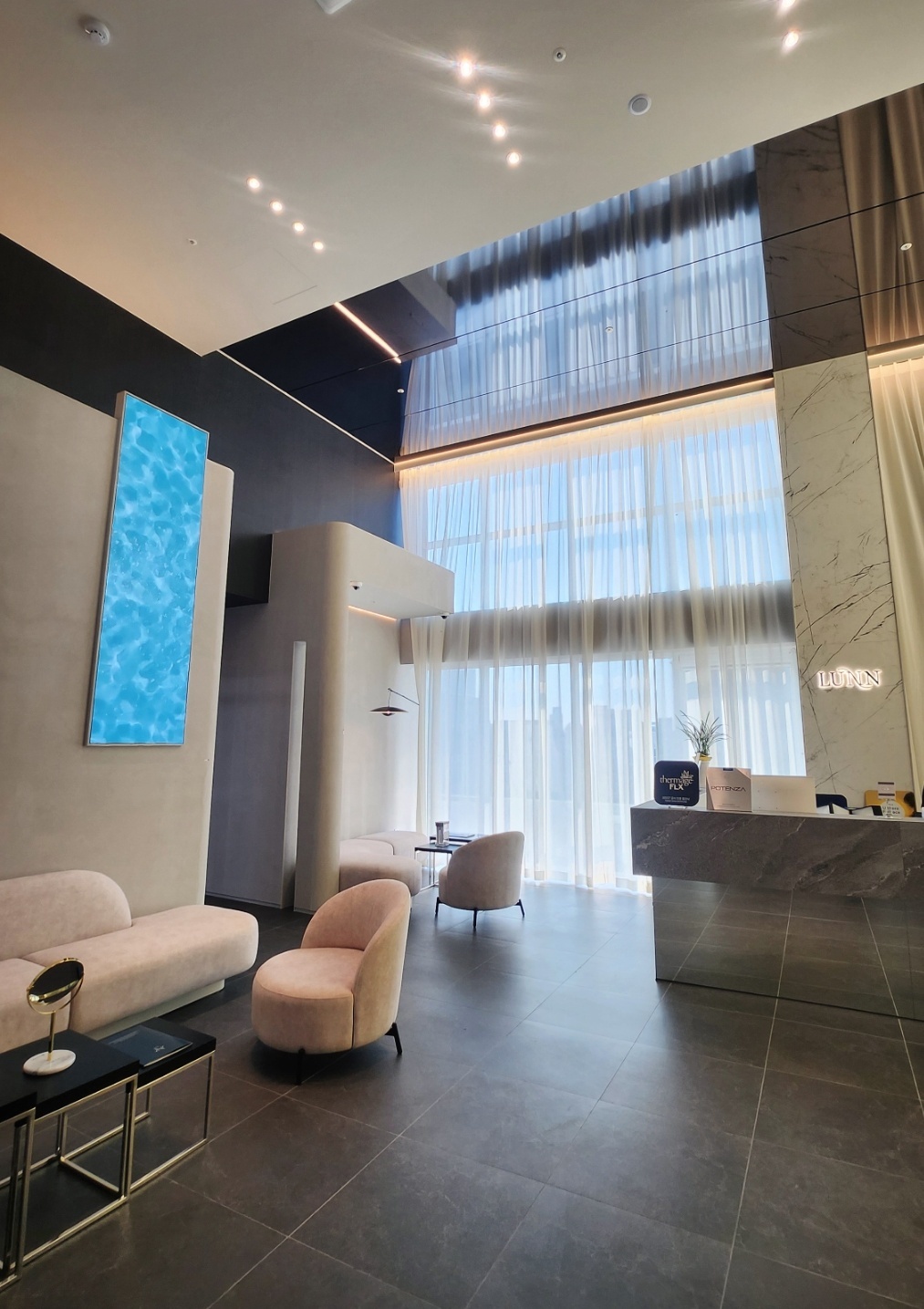
The LUNN approach centers on the philosophy that every detail contributes to the overall harmony of the face. In our Cheongdam clinic, which features a 5-meter high ceiling to provide a sense of openness and professional calm, we ensure that every step—from the initial consultation to the final management—is handled directly by a specialist.
1. Detailed Diagnosis and 'Individualized Design'
We do not believe in one-size-fits-all solutions. An individualized diagnosis involves understanding why a particular spot or shadow exists in the first place. By mapping out the facial structure, we can determine the exact depth and volume needed to restore balance. This meticulousness is what sets LUNN apart, ensuring that the outcome is a refined complexion that reflects the natural beauty of the individual.
2. Balancing Results with Skin Integrity
Balancing the removal of unwanted pigment with the preservation of skin integrity is a delicate task. While it may be tempting to seek dramatic changes in a single session, I always advise my patients to "let go of greed." A conservative, phased approach leads to more sustainable and natural results. We focus on 'Refining the Details' so that the final look is seamless and healthy, avoiding the pitfalls of over-treatment.
3. Post-Procedure Care and Maintaining Clarity
Maintaining the results of your treatment is a collaborative effort. After your session, the skin requires protection and hydration to lock in the benefits. We emphasize a strict regimen of UV protection, as sun exposure is the primary trigger for recurring pigmentation. Additionally, avoiding saunas and intense exercise for one week following filler or booster treatments helps ensure the product settles perfectly within the tissue. For those interested in long-term collagen health, you may also find our Specialist's 2026 Guide to Skin Boosters for Collagen Production: Achieving Structural Harmony helpful.
Key Takeaways
- Shadow Erasing: Dark circles are often structural; treating the 'tear trough' shadow is key to a refreshed look.
- Material Matters: Using low-hydrophilic fillers like Belotero minimizes swelling and the Tyndall effect in thin under-eye skin.
- Dermal Environment: Healthy skin cleared through boosters and professional care handles pigment clearance more effectively.
- 1mm Precision: Dr. Hyungkwon Park personally manages every step, focusing on natural facial balance and individual anatomy.
- Sustainability: Long-term results depend on a conservative treatment approach and strict post-procedure UV protection.
Frequently Asked Questions
Q. Can dark circles be completely removed with just one filler session?
While a single session with the right filler can significantly reduce the 'valley' shadow of dark circles, total clearance depends on the underlying pigment and vascular health. In my experience at LUNN, many patients see a dramatic improvement immediately, but some may require a combination of treatments for the best results. Results vary based on individual skin thickness.
Q. What is the 'Tyndall effect' and how do you avoid it?
The Tyndall effect is a bluish discoloration that occurs when filler is placed too superficially or absorbs too much water. At LUNN, I use specialized fillers like Belotero, which are less hydrophilic (attract less water), and I use precise injection techniques to ensure the product is placed at the correct anatomical depth.
Q. Is there a lot of downtime after under-eye or pigment treatments?
Most patients return to their daily lives immediately. You may experience minor swelling or slight bruising for 24 to 48 hours, which is a normal response. I recommend avoiding high-heat environments like saunas for about a week to allow the skin and filler to stabilize properly.
Q. Why do you emphasize 'Refining the Details' instead of just removing spots?
Because a single spot is just one part of the face. If we remove a spot but ignore the overall facial balance or skin health, the result looks unnatural. By focusing on the 1mm details and structural harmony, we ensure the final outcome is both effective and aesthetically pleasing.
Q. Can pigmentation return after treatment?
Yes, pigmentation is often influenced by genetics and UV exposure. While our treatments clear existing pigment and improve the skin environment, new spots can form if the skin isn't protected. Consistent use of sunscreen and periodic maintenance are essential for lasting clarity.
For more information on specialized treatments, you may also be interested in A Specialist's 2026 Guide to Medical Aesthetics in Cheongdam: Achieving Structural Harmony.
LUNN / Dr. Hyungkwon Park
Follow us for more insights: @dr.lunn on Threads
FAQ
- What exactly is PicoWay and how does it work for pigmentation?
- PicoWay is an advanced picosecond laser that uses ultra-short pulses to create a photo-acoustic effect, shattering pigment into tiny particles without excessive heat. In my clinical experience at lunnclinic, this allows for precise targeting of freckles and sunspots. The mechanical action is generally more efficient at breaking down stubborn pigment than older, heat-based systems.
- Is the PicoWay treatment painful for removing freckles?
- While I do not use the term painless, most patients describe the sensation as a light snap, similar to a rubber band against the skin. We prioritize comfort during the procedure, and the ultra-short pulse duration typically minimizes discomfort compared to older laser technologies. If you have concerns about sensitivity, we can discuss topical options during your consultation.
- How many sessions are typically required to see results?
- The number of sessions varies significantly depending on the depth and type of pigmentation being treated. While some superficial freckles may show improvement after just one or two visits, deeper or more dense lesions often require 3 to 5 sessions for optimal clearance. I determine the specific count after a detailed skin analysis at our clinic.
- What are the common side effects after a PicoWay session?
- Temporary redness, slight swelling, or a temporary darkening of the treated spots are common and expected reactions as the skin heals. In rare cases, blistering or temporary pigment changes like hypopigmentation can occur, which is why a professional consultation is essential. These effects usually subside within a few days when following proper post-care instructions.
- Can PicoWay be used on all skin types for freckle removal?
- PicoWay features multiple wavelengths such as 532nm and 1064nm, making it versatile for various skin tones. However, settings must be meticulously adjusted for darker skin to avoid the risk of post-inflammatory hyperpigmentation. We take great care to ensure the energy levels are safe for your specific ethnic background and skin sensitivity.
- Is there any downtime associated with this laser treatment?
- Most patients return to daily activities immediately, though the treated area may remain red for a few hours to a day. I advise avoiding direct sunlight and following a strict moisturizing routine during the initial 48-hour healing phase. Unlike older lasers, there is typically no significant peeling or downtime that requires staying home.
- Are the results of freckle removal permanent?
- While the laser effectively shatters existing pigment, new freckles can form due to genetic predisposition or future UV exposure. Maintaining results requires a lifelong commitment to consistent sun protection and, in some cases, periodic maintenance sessions. The laser treats what is currently present but cannot change your skin's biological tendency to produce melanin.