
Post
Onda Lifting Treatment Results: A 2026 Dermatologist's Guide to What to Expect
Hello, I am Dr. Park Hyungkwon, a board-certified dermatologist in the Cheongdam and Apgujeong Rodeo area.
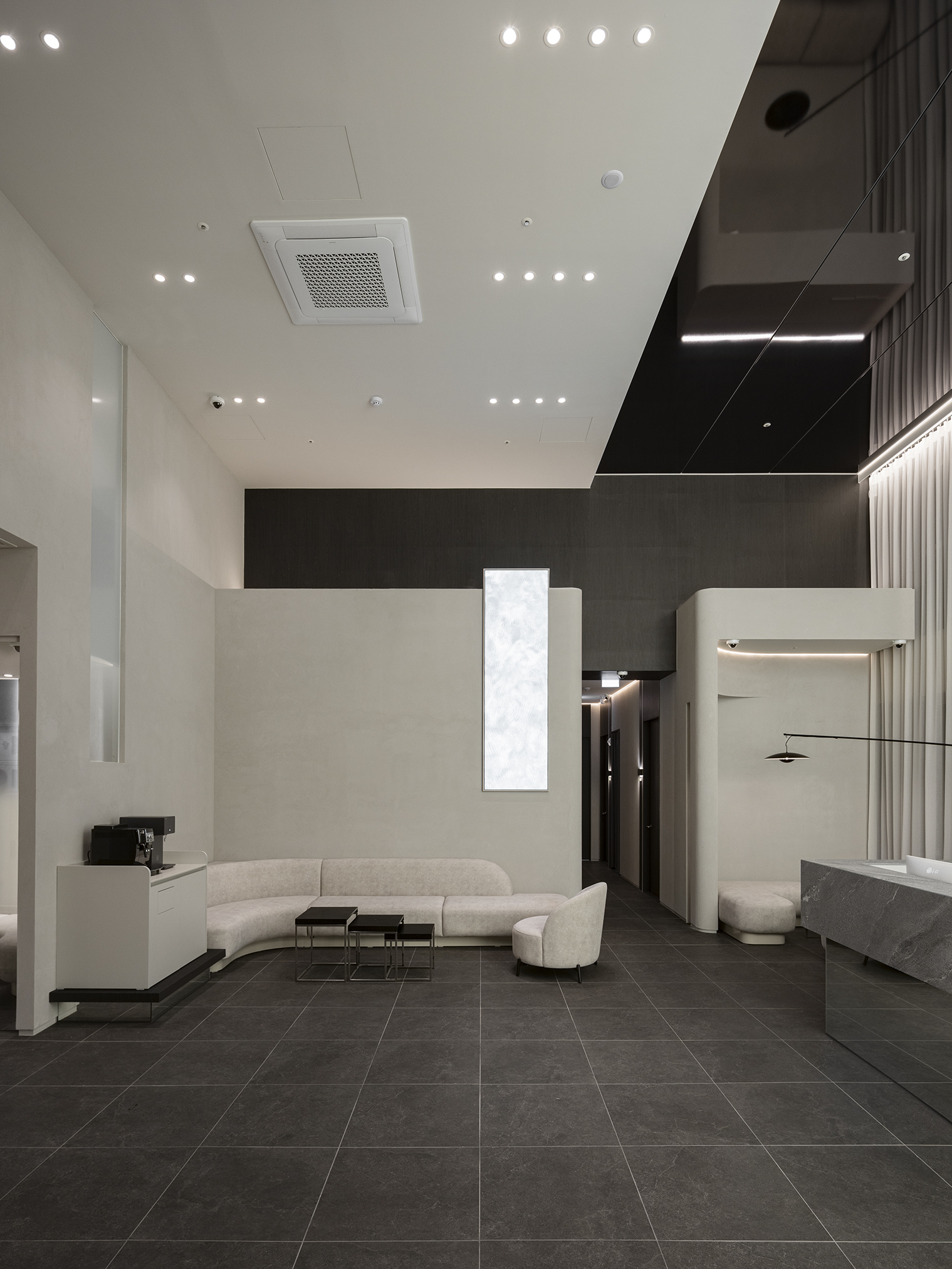
In my clinical experience, Onda lifting treatment results refer to the visible tightening and localized contouring changes that follow a series of microwave-based sessions, and they unfold gradually rather than overnight. This 2026 guide maps out what a realistic timeline looks like, which factors shift outcomes, and how Onda compares with other non-invasive lifting options. At LUNN, my goal is not to make dramatic promises but to provide a clearer understanding of what your skin and tissue can reasonably achieve.
Onda Lifting Treatment Results: What to Expect
Onda lifting is a non-invasive contouring and tightening treatment that delivers microwave energy to deeper tissue layers while a surface cooling system protects the skin. Because the mechanism works through controlled thermal stimulation rather than mechanical force, results build over weeks as collagen remodeling proceeds. Understanding this sequence is the single most useful thing a patient can do before booking a first session.
Defining Onda Lifting and How It Works
Onda lifting is a device-based procedure that targets localized fat and laxity using microwave energy paired with simultaneous skin cooling. The handpiece delivers deep heating to subcutaneous layers, where fat cells are more vulnerable to thermal stress, while the cooling channel keeps the epidermal surface at a safe temperature. This dual action is what distinguishes it from purely energy-based tightening platforms. In practical terms, a session typically runs 20 to 40 minutes per area, and most protocols call for a customized series based on a professional assessment. Patients often describe the sensation as a warm deep pressure with a cool surface feel. Because the technology addresses both contour and firmness, it is frequently discussed for the jawline, cheeks, abdomen, and arms. At Lunn Dermatology Clinic, candidacy is assessed before any parameters are set, since treating an area with insufficient subcutaneous fat can produce limited benefit. Individual response varies with tissue thickness, age, and skin elasticity.
The Science Behind Onda's Microwaves and Cooling
Onda's mechanism rests on the interaction between microwave frequency energy and controlled surface cooling, a combination described in device literature as a selective thermal effect. Microwave energy at the frequencies used in these systems penetrates to a depth where adipose tissue absorbs heat efficiently, while the integrated cooling handpiece maintains the skin surface within a tolerated range. The result is a temperature gradient: protective at the surface, stimulatory in the deeper layer. Collagen fibers in the dermis respond to thermal stress by contracting and then remodeling, a process that continues for several weeks after the session ends. This delayed remodeling explains the characteristic lag between treatment and visible change. Cooling is not merely a comfort feature; it is the safety foundation that allows higher deep-tissue temperatures without surface injury. Practitioners adjust the cooling-to-energy ratio based on area thickness. The biological response is gradual and cumulative, which is why single-session expectations are usually modest.
Typical Results and Timeline: A Realistic Overview
A realistic Onda lifting timeline has three phases: immediate, early remodeling, and consolidation. Immediately after a session, some patients notice a mild tightening or slight contour change, largely from tissue edema rather than structural change. Between weeks two and eight, collagen remodeling becomes the dominant driver, and most visible improvement appears in this window. Beyond that, results consolidate and typically plateau unless maintenance is scheduled. In my practice, the total number of sessions and the appropriate intervals are determined through a personalized design based on your specific skin condition. This interval and the total number of sessions are details I adjust personally after diagnosing your skin thickness and elasticity, as individual results and requirements vary. Patients frequently ask why a single session does not deliver the full effect, and the honest answer is that biological remodeling is rate-limited. Skin with reasonable elasticity generally responds more visibly than thin, sun-damaged skin. Maintaining a consistent skincare routine and avoiding significant weight fluctuation supports the outcome. Individual results vary, and a consultation remains the appropriate starting point.
Factors That Influence Onda Lifting Outcomes
Outcome variability in Onda lifting is driven by three broad categories: patient selection, operator technique and parameters, and post-treatment behavior. None of these operates in isolation, which is why two people treated on the same day with the same device can report different experiences. A structured pre-treatment assessment at Lunn Dermatology Clinic addresses all three before a plan is finalized.
Patient Selection: Who Benefits Most
Patients who tend to benefit most from Onda lifting are those with mild to moderate skin laxity and a modest layer of localized subcutaneous fat. The technology's dual mechanism suits this profile because it can address both contour and firmness simultaneously. Those with significant skin redundancy, deep structural descent, or minimal subcutaneous fat may find the improvement more limited, and alternative approaches may be worth discussing. Age is less decisive than tissue quality, though older skin with reduced elasticity generally shows a slower and smaller response. Body mass index and weight stability matter, since major weight change during the treatment series can obscure contour outcomes. Medical history is equally relevant: a personal history of keloid scarring, active skin infection, or implanted electronic devices changes the risk-benefit calculation. A dermatologist-led assessment, rather than a device-first sales conversation, is the appropriate way to determine candidacy, and it is the standard approach at Lunn Dermatology Clinic.
Treatment Parameters and Technique Matter
Parameter selection and handpiece technique are the operator-dependent variables that most strongly shape Onda lifting results. Energy output, cooling intensity, pass count, and overlap pattern are not fixed values; they are chosen based on tissue thickness, treatment area, and the patient's comfort threshold. A thinner area such as the jawline tolerates different settings than the abdomen, and applying the same protocol across both is a common source of disappointing outcomes. Operator experience influences more than settings: consistent handpiece coupling, deliberate pacing, and awareness of anatomical danger zones all affect both safety and result quality. Under-treatment produces minimal change, while over-treatment raises the risk of thermal injury. This is why device familiarity alone is not sufficient and why physician supervision matters. At Lunn Dermatology Clinic, the treatment plan is documented and adjusted between sessions based on observed response rather than following a rigid template.
Lifestyle and Aftercare Impact on Results
Lifestyle factors exert a meaningful, if indirect, influence on how Onda lifting results are perceived and how long they persist. Collagen remodeling depends on a tissue environment that supports repair, and factors such as smoking, chronic sun exposure, and poor sleep quality can work against it. Hydration and consistent use of topical retinoids or peptides, where appropriate, support the dermal matrix between sessions. Weight stability deserves specific mention: significant gain or loss during a treatment series can alter contour independently of the procedure, making results harder to interpret. Sun protection in the weeks following treatment helps limit post-inflammatory pigmentation risk, particularly in patients with a tendency toward melasma. While alcohol intake and intense heat exposure should be limited initially, patients must specifically avoid saunas for one week to protect the treated area. None of these behaviors guarantees or prevents a specific outcome, but they influence the trajectory, and they are worth discussing openly during consultation.
Onda Lifting vs. Other Non-Invasive Lifting Treatments
Comparing Onda lifting with other non-invasive lifting platforms is useful only when the comparison is framed around tissue targets, comfort profiles, and treatment depth rather than a ranked hierarchy. Each modality has a distinct mechanism, and the appropriate choice depends on the individual's anatomy and primary concern. The table below summarizes characteristics neutrally.
Comparison Table: Onda, Ultherapy, Thermage, and HIFU
| Feature | Onda | Ultherapy | Thermage | HIFU (general) |
|---|---|---|---|---|
| Energy type | Microwave with surface cooling | Micro-focused ultrasound | Monopolar radiofrequency | Focused ultrasound |
| Primary target | Subcutaneous fat and dermal laxity | Deep structural layers (SMAS region) | Dermal collagen | Variable by device depth |
| Typical sensation | Warm deep heat with cool surface | Focal deep discomfort | Warm superficial heating | Focal discomfort |
| Typical session length | 20–40 minutes per area | 30–90 minutes | 45–90 minutes | 20–60 minutes per area |
| Common protocol | Customized per patient | Often 1 session | Often 1 session | Variable |
| Notable limitation | Limited benefit with minimal fat | Discomfort; depth-dependent | Less effect on fat | Highly device-dependent |
This table describes characteristics only and does not indicate which option is superior. Suitability is determined by clinical assessment.
Pros and Cons of Onda Lifting
Onda lifting's practical advantages include a dual mechanism that addresses both localized fat and skin firmness, a cooling system that supports surface safety, and a generally tolerable comfort profile that allows treatment of broader areas in a single visit. Sessions are relatively short, and there is typically no requirement for general anesthesia. On the limitation side, results are gradual and cumulative, meaning a single session rarely delivers a definitive change. A series of sessions is usually required, which means a longer overall commitment than single-session modalities. Patients with minimal subcutaneous fat in the target area may see limited contour benefit. As with any thermal treatment, temporary redness, swelling, and tenderness can occur, and rare risks such as burns or pigment change exist, which is why qualified supervision matters. The honest framing is that Onda is a useful tool for a specific profile, not a universal solution.
When to Consider Alternatives
Considering an alternative to Onda lifting is reasonable when the primary concern does not match the device's strengths. If the dominant issue is deep structural descent rather than localized fat or superficial laxity, a modality that reaches deeper support layers may be more appropriate. If a patient strongly prefers a single-session protocol, platforms designed around one treatment may align better with that expectation. Those with very thin facial tissue and minimal subcutaneous fat may find contour-focused approaches offer limited change. Patients who cannot tolerate prolonged heat sensation may prefer modalities with different comfort profiles. Conversely, those seeking a combined contour and tightening effect across a broader area may find Onda well matched. This is a clinical judgment, and it should be made during consultation rather than from a device brochure. At Lunn Dermatology Clinic, the recommendation follows the assessment, not the reverse.
Safety, Side Effects, and Limitations
Safety in Onda lifting rests on appropriate patient selection, correct parameter selection, and adequate surface cooling during delivery. Most reported adverse events are transient and self-limited, but the procedure is not risk-free, and that should be stated plainly. Patients should receive this information before treatment, not after.
Common Side Effects and How to Manage Them
Common side effects of Onda lifting include temporary redness, mild swelling, and tenderness in the treated area. These typically resolve within hours to a few days, and they reflect the expected local thermal response rather than a complication. Cool compresses, gentle cleansing, and avoidance of intense heat exposure in the first 24 hours are standard supportive measures. However, to ensure proper healing, saunas must be avoided for one week. Mild discomfort on palpation is normal and usually subsides without intervention. Less common but more significant risks include burns, blistering, and pigmentary change, which are uncommon when cooling and parameters are managed appropriately. Patients with a tendency toward post-inflammatory hyperpigmentation should be counseled specifically. Any persistent pain, blistering, or skin breakdown warrants prompt review by the treating clinician. This balanced picture is part of the informed consent conversation at Lunn Dermatology Clinic, and it is not relegated to a footnote.
Contraindications and Who Should Avoid Onda
Onda lifting is generally not recommended during pregnancy or breastfeeding, and it should be avoided by individuals with implanted electronic devices such as pacemakers or neurostimulators in or near the treatment area. Active skin infection, open wounds, or severe dermatologic conditions over the target zone are reasons to defer treatment until resolved. Patients with a history of keloid formation or impaired wound healing require careful individualized assessment. Certain systemic conditions and anticoagulant use may alter the risk profile and should be disclosed during consultation. Recent injectable fillers or implants in the treatment area may affect energy delivery and warrant timing adjustments. This list is not exhaustive, and a complete medical history review is part of the pre-treatment process. Where uncertainty exists, deferring treatment or selecting an alternative modality is the Prophet course. A dermatologist-led evaluation at Lunn Dermatology Clinic is designed to identify these factors before any session is scheduled.
The Importance of Realistic Expectations
Realistic expectations are the foundation of a satisfactory Onda lifting experience, and they are best established before the first session. Results are gradual, typically emerging over four to eight weeks as collagen remodeling progresses, and a series of sessions is generally required. Improvements are usually moderate rather than transformative, and they vary with tissue quality, age, and area treated. Patients who expect a surgical-level change from a non-invasive series frequently report dissatisfaction even when the clinical outcome is reasonable. Equally, patients who understand the timeline tend to evaluate progress more accurately. Maintenance sessions may be needed to sustain results over time, and lifestyle factors influence longevity. This framing is not a disclaimer; it is the practical reality of thermal remodeling. The conversation at Lunn Dermatology Clinic centers on what change is plausible for a specific face or body area, and on what would constitute a meaningful outcome for that individual.
Maximizing and Maintaining Your Onda Lifting Results
Maximizing Onda lifting results is a matter of consistent aftercare, appropriately spaced maintenance, and prudent combination planning. The treatment initiates a remodeling process, but the tissue environment and follow-up schedule determine how that process unfolds. A structured plan is more useful than isolated sessions.
Post-Treatment Care and Skincare Routine
Post-treatment care after Onda lifting focuses on supporting the remodeling phase while avoiding unnecessary irritation. Gentle cleansing, adequate moisturization, and daily broad-spectrum sun protection are the core elements. Patients are generally advised to avoid vigorous exercise for the first 24 to 48 hours and strictly avoid saunas for one week as a precaution. Topical actives such as retinoids may need a brief pause if the skin is sensitive, then resumed gradually. Hydration supports dermal repair, and consistent barrier care helps reduce transient redness. Sun protection deserves emphasis because ultraviolet exposure can provoke pigmentary change in the weeks following thermal treatment. A simple, stable routine outperforms an aggressive one during this window. These measures support the healing environment; they do not guarantee a specific outcome. Post-care guidance is individualized at Lunn Dermatology Clinic based on the area treated and the patient's skin sensitivity.
Maintenance Sessions and Longevity
Maintenance scheduling is the practical lever for extending Onda lifting results beyond the initial series. Collagen remodeling continues for weeks after the after-final session, and the effect then gradually diminishes as natural aging and tissue turnover proceed. Many patients benefit from periodic maintenance sessions, with intervals determined by observed response, age, and lifestyle rather than a fixed calendar. Sun protection, weight stability, and consistent skincare all contribute to longevity. It is reasonable to expect that results will not be permanent, and framing maintenance as a continuation rather than a repeat is more accurate. Patients who discontinue entirely often notice gradual relaxation over months. The appropriate interval is a clinical decision, and it should be revisited at each follow-up. This approach is discussed openly at Lunn Dermatology Clinic so that patients can plan realistically rather than being surprised by waning results.
Combining Onda with Other Treatments
Combining Onda lifting with other non-invasive procedures is often possible, but sequencing and timing require planning. Energy-based tightening, injectable volumizers, and laser resurfacing act on different tissue layers, and stacking them too closely can compound thermal load or obscure assessment of each modality's effect. A common approach is to separate thermal treatments by an interval that allows the initial response to declare itself before adding another stimulus. Injectable treatments may be sequenced around energy sessions depending on the product and the target plane. Pigment-focused laser work is often scheduled with attention to post-inflammatory risk. Combination planning is individualized, and there is no single correct order. For related reading on layered approaches, see Ultherapy and Thermage Synergy Program: Layered Lifting at LUNN Dermatology Clinic and A Dermatologist's 2026 Guide to Customized Lifting Synergy Programs: Refining Structural Harmony. At Lunn Dermatology Clinic, combination plans are built around safety margins first.
Key Takeaways
- Onda lifting results build gradually, with most visible change appearing between weeks two and eight as collagen remodeling proceeds.
- A customized series of sessions based on individual diagnosis is the standard protocol for achieving optimal results.
- Patient selection, operator technique, and aftercare all influence outcomes; minimal subcutaneous fat in the target area generally predicts a smaller contour effect.
- Temporary redness, swelling, and tenderness are common and usually resolve within days; however, patients must avoid saunas for one week after treatment.
- Maintenance sessions and consistent sun protection support longevity, and results are not permanent.
Frequently Asked Questions
Q. What is Onda lifting and how does it work?
Onda lifting is a non-invasive contouring and tightening treatment that delivers microwave energy to deeper tissue layers while a cooling system protects the skin surface. The deep heating targets localized fat and stimulates collagen remodeling in the dermis. This dual action is why it is discussed for both contour and firmness. Candidacy should be confirmed through clinical assessment before treatment.
Q. How soon can I see results from Onda lifting?
Some patients notice mild tightening shortly after a session, but this early change is largely related to transient tissue edema. The more meaningful change typically emerges over four to eight weeks as collagen remodeling progresses. A series of sessions is usually recommended based on individual skin needs, and results vary with tissue quality and aftercare adherence.
Q. How many Onda lifting sessions do I need?
The number of sessions and their frequency are determined through a personalized design based on your individual skin thickness and elasticity. Your provider will tailor the plan after assessing your skin and medical history rather than following a fixed template. Maintenance sessions may be needed afterward to sustain the outcome.
Q. Is Onda lifting painful?
Most patients describe a warm, deep heating sensation combined with a cooling effect at the skin surface. Discomfort is generally mild and temporary, and settings can be adjusted to improve comfort. If sensation is poorly tolerated, the operator can modify energy and cooling parameters during the session.
Q. What are the common side effects of Onda lifting?
Common side effects include temporary redness, swelling, and tenderness in the treated area, usually resolving within hours to a few days. You must avoid saunas for one week to ensure proper recovery. Less common risks include burns, blistering, and pigmentary change. Appropriate cooling and parameter selection reduce these risks, which is why treatment should be performed under qualified supervision.
Q. Who is not a good candidate for Onda lifting?
Onda lifting is generally not recommended during pregnancy or breastfeeding, or for individuals with implanted electronic devices such as pacemakers near the treatment area. Active skin infection, open wounds, and certain healing disorders also warrant deferral. A full medical history review during consultation determines suitability.
Q. How does Onda lifting compare to Ultherapy and Thermage?
Onda uses microwave energy with surface cooling, Ultherapy uses micro-focused ultrasound reaching deeper structural layers, and Thermage uses monopolar radiofrequency for dermal collagen. Each targets different depths and has a different comfort profile. The appropriate option depends on your specific concerns and anatomy, not on a general ranking.
Q. How long do Onda lifting results last?
Results commonly persist for several months, depending on age, skin elasticity, lifestyle, and maintenance treatments. Collagen remodeling continues for weeks after the final session, then gradually diminishes. Periodic maintenance sessions can help prolong the effect, though results are not permanent.
Q. Can Onda lifting be combined with other treatments?
Yes, it can often be combined with other non-invasive procedures such as injectables or laser treatments, but timing and sequencing matter. Stacking thermal treatments too closely can compound tissue load. A qualified provider can build a personalized plan that prioritizes safety and allows each modality's effect to be assessed.
If you are considering Onda lifting and want an honest assessment of what your skin can realistically achieve, a consultation at Lunn Dermatology Clinic is the appropriate first step. Lunn Dermatology Clinic / Dr. Park Hyungkwon.
FAQ
- What is Onda lifting and how does it work?
- Onda lifting is a non-invasive contouring and tightening treatment that delivers microwave energy to deeper tissue layers while a cooling system protects the skin surface. The deep heating targets localized fat and stimulates collagen remodeling in the dermis. This dual action is why it is discussed for both contour and firmness. Candidacy should be confirmed through clinical assessment before treatment.
- How soon can I see results from Onda lifting?
- Some patients notice mild tightening shortly after a session, but this early change is largely related to transient tissue edema. The more meaningful change typically emerges over four to eight weeks as collagen remodeling progresses. A series of sessions is usually recommended, and individual results vary with tissue quality, area treated, and aftercare adherence.
- How many Onda lifting sessions do I need?
- The number depends on the treatment area, tissue thickness, and individual goals. Many protocols involve three to four sessions spaced about two to four weeks apart. Your provider will tailor the plan after assessing your skin and medical history. Maintenance sessions may be needed afterward to sustain the outcome.
- Is Onda lifting painful?
- Most patients describe a warm, deep heating sensation combined with a cooling effect at the skin surface. Discomfort is generally mild and temporary, and settings can be adjusted to improve comfort. Topical numbing may be used when needed. If sensation is poorly tolerated, the operator can modify energy and cooling parameters during the session.
- What are the common side effects of Onda lifting?
- Common side effects include temporary redness, swelling, and tenderness in the treated area, usually resolving within hours to a few days. Less common risks include burns, blistering, and pigmentary change. Appropriate cooling and parameter selection reduce these risks, which is why treatment should be performed under qualified supervision.
- Who is not a good candidate for Onda lifting?
- Onda lifting is generally not recommended during pregnancy or breastfeeding, or for individuals with implanted electronic devices such as pacemakers near the treatment area. Active skin infection, open wounds, and certain healing disorders also warrant deferral. A full medical history review during consultation determines suitability.
- How does Onda lifting compare to Ultherapy and Thermage?
- Onda uses microwave energy with surface cooling, Ultherapy uses micro-focused ultrasound reaching deeper structural layers, and Thermage uses monopolar radiofrequency for dermal collagen. Each targets different depths and has a different comfort profile. The appropriate option depends on your specific concerns and anatomy, not on a general ranking.
- How long do Onda lifting results last?
- Results commonly persist for several months, and in some cases longer, depending on age, skin elasticity, lifestyle, and maintenance treatments. Collagen remodeling continues for weeks after the final session, then gradually diminishes. Periodic maintenance sessions can help prolong the effect, though results are not permanent.
- Can Onda lifting be combined with other treatments?
- Yes, it can often be combined with other non-invasive procedures such as injectables or laser treatments, but timing and sequencing matter. Stacking thermal treatments too closely can compound tissue load. A qualified provider can build a personalized plan that prioritizes safety and allows each modality's effect to be assessed.