
Post
Refining the Details: My 2026 Guide to Non-Surgical Anti-Aging and Structural Harmony
Hello, I am Dr. Hyungkwon Park, a board-certified dermatologist at Lunn Dermatology Clinic, located in the heart of Cheongdam and Apgujeong Rodeo. People often call me 'Hyungkwon the small business owner' because I personally oversee every detail of this space, from the 5-meter-high ceilings to the final touch of every procedure :)
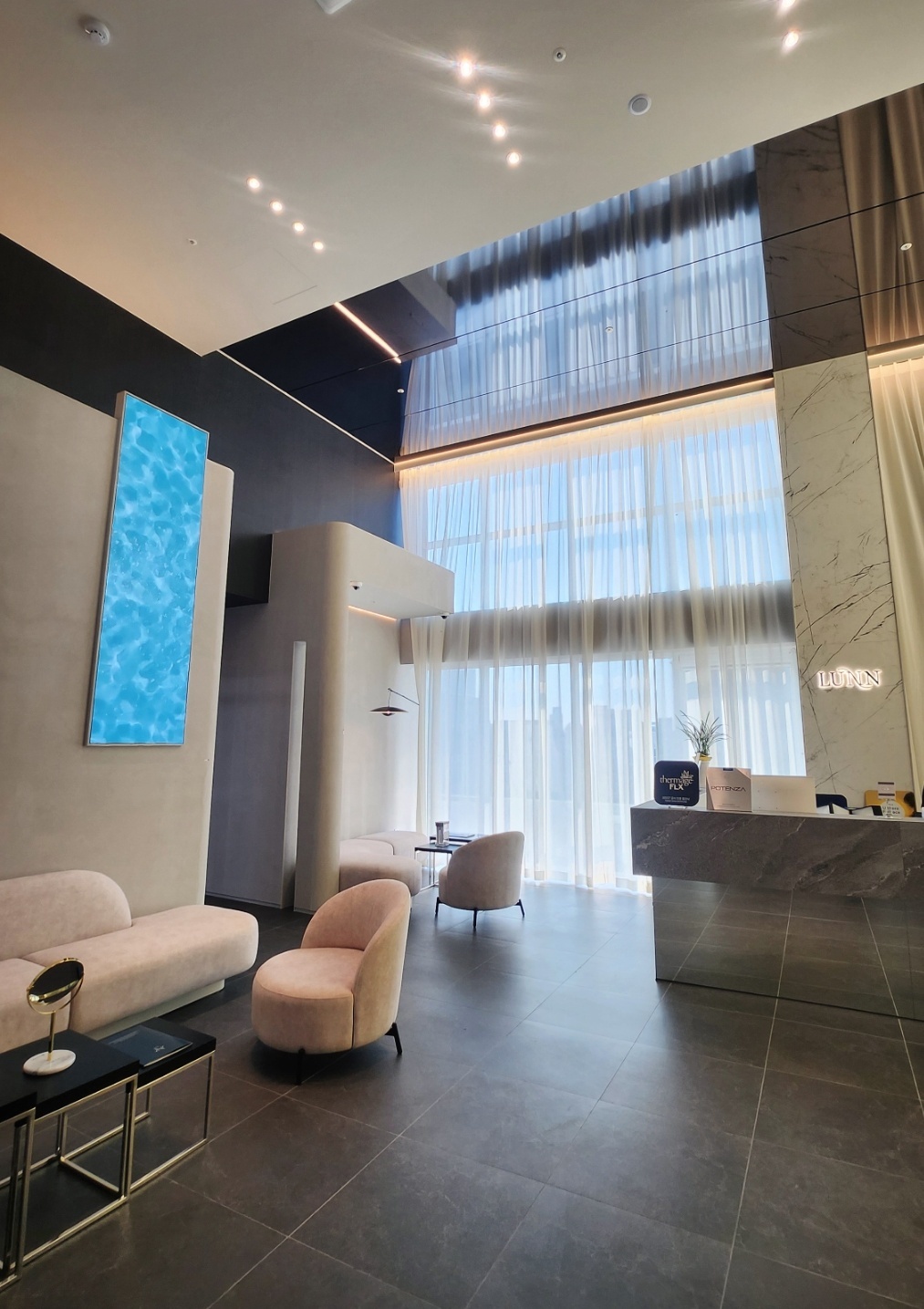
To be honest, non-surgical anti-aging is not about a dramatic, artificial change. It is about a modern, refined approach to aesthetic medicine, focusing on skin rejuvenation through minimally invasive techniques. My philosophy centers on restoring facial harmony by addressing structural changes in the skin layers—such as collagen depletion and tissue laxity. It is an alternative for those seeking improvement with significantly less downtime compared to traditional surgery, though I always remind my patients that individual recovery times and results will naturally vary.
Understanding Non-Surgical Anti-Aging: Definition and Scope
Non-surgical anti-aging is a broad term encompassing various medical treatments designed to improve skin texture, firmness, and volume using energy-based devices or injectables. Unlike traditional plastic surgery, these methods do not involve general anesthesia or surgical cutting. This makes them accessible options for individuals looking for subtle yet effective results that evolve naturally over time. I believe the true skill of a dermatologist lies in achieving a natural result rather than an overdone one.
What Defines Non-Surgical Anti-Aging Procedures?
In my practice at Lunn Dermatology Clinic, I define non-surgical anti-aging as a category of aesthetic treatments that utilize advanced technology to rejuvenate the face without invasive incisions. These procedures focus on restoring the skin's structural integrity by stimulating natural biological processes or replenishing lost components. Common modalities include energy-based devices such as high-intensity focused ultrasound (HIFU) and radiofrequency (RF), alongside injectables like dermal fillers and collagen stimulators. We define these procedures as a way to refine facial features while maintaining your unique expressions. Unlike traditional surgery, these methods involve minimal disruption to the skin's surface, targeting specific layers like the dermis or the SMAS layer. While they do not provide the same drastic 'pull' as a surgical lift, they are highly effective for moderate laxity and texture improvement. Many of my patients choose these options for their gradual and natural-looking results, which align with modern aesthetic goals of subtlety and harmony. The selection of the right modality depends entirely on your unique skin quality and anatomical needs, which I assess personally during our consultation.
The Shift from Surgical to Non-Invasive Aesthetics
The landscape of aesthetic medicine has seen a significant shift toward non-invasive options as technology has become more sophisticated and precise. Historically, addressing facial sagging required extensive surgical intervention, involving significant recovery periods and risks associated with general anesthesia. However, I’ve noticed that modern patients prioritize treatments that allow them to return to their daily routines almost immediately. This demand has led to the development of devices that can reach deep tissue layers, such as the 4.5mm depth of the SMAS, which was previously only accessible via surgery. At LUNN, I emphasize this shift by offering protocols that provide structural support without the need for a scalpel. This transition is not just about convenience but also about the preference for natural-looking outcomes. Many individuals now prefer a gradual improvement that avoids the 'over-pulled' appearance sometimes associated with traditional facelifts. By focusing on biological stimulation, these procedures offer a sustainable way to manage the aging process over several years. I always tell my patients that I treat them as I would my own family, recommending only what is logically necessary.
Key Biological Targets: Collagen, Elasticity, and Volume
Effective anti-aging treatments must address the biological foundations of skin aging, specifically the loss of collagen, elastin, and subcutaneous volume. Collagen provides the structural scaffolding, while elastin allows the skin to snap back. As we age, production slows down, leading to fine lines and loss of firmness. I often use a specific analogy to explain this: it is like fixing an old house—you cannot just change the wallpaper (fillers) if the structural foundation (lifting) is failing. You must address the structure first. Non-surgical procedures target these issues by delivering controlled energy to trigger a healing response in the fibroblasts. While some claim results peak at exactly 3 months, I prefer to be more realistic; the new collagen synthesis cycle varies per person, and meaningful structural changes occur as the tissue matures over several months. Understanding these biological mechanisms allows me to take a strategic approach, ensuring each intervention addresses the root cause of visible aging. Please keep in mind that results vary by individual, and multiple sessions may be required to reach your specific goals.
LUNN’s Core Philosophy: Refining the 1mm of Facial Harmony
The philosophy of Lunn Dermatology Clinic is centered on the belief that beauty is found in the details—specifically in the subtle 1mm adjustments that preserve the natural balance of the face. I focus on refining structural alignment to ensure that every treatment enhances your existing features rather than fundamentally changing them. This results in a look that is both refreshed and authentically you.
Why Precise Depth and Energy Control Matter
The success of any non-surgical procedure lies in the precision of energy delivery to the correct anatomical depth. Facial skin is not a uniform structure; it consists of different layers that require specific temperatures and energy types. For instance, lifting the lower face often requires targeting the SMAS layer at 4.5mm, while surface texture might only need energy at 1.5mm. At LUNN, I prioritize this level of accuracy to avoid damaging surrounding tissues while maximizing the restorative effect. If energy is delivered too shallowly or too deeply, the results may be suboptimal or lead to unnecessary side effects like burns or nerve irritation. Precise control also allows for customization based on the thickness of your skin, which I personally measure by hand and eye during the design phase. By meticulously managing the parameters of each device, I prioritize safety, tailoring the approach to your unique structural requirements and sensitivities. It is this 1mm difference in energy placement that often determines the final impression of the face.
Personalized Layering: Designing the Skin's Foundation
Anti-aging is not a one-size-fits-all process; it requires a personalized layering strategy. This involves combining different energy frequencies or treatment types to create a comprehensive plan that covers lifting, tightening, and volume restoration. At LUNN, I design each patient's foundation by assessing how these different layers interact. For example, you may benefit from deep ultrasound energy to lift the jawline followed by a radiofrequency session to tighten the superficial dermis. This multi-layered protocol ensures the skin is supported from the inside out, providing a more cohesive result. By considering the face as a three-dimensional structure, I can address sagging at the base while simultaneously smoothing the surface. This design process is crucial for achieving harmony, as it prevents one area from appearing treated while others remain neglected. Every plan I create is unique, reflecting your specific aging patterns and aesthetic goals. Honestly, simply using a machine is easy, but 'designing' the outcome is where the expertise of a dermatologist truly shines ^^.
The Role of a Board-Certified Specialist in Custom Outcomes
While advanced technology is essential, the expertise of the board-certified specialist who operates it is the most significant factor in achieving a natural outcome. As a specialist, I possess the anatomical knowledge required to navigate the complex structures of the face, including nerves and blood vessels. This expertise allows for a safer application of energy and injectables, minimizing the risk of complications like the 'Tyndall effect' in under-eye fillers or 'facial hollowing' from improper botox placement. At Lunn Dermatology Clinic, I personally oversee every step, from the initial consultation to the final procedure—I do not leave the work to consultants. The ability to judge the skin's response in real-time and adjust the protocol accordingly is what distinguishes a custom outcome from a generic, factory-style one. Furthermore, I will always provide an honest assessment of what non-surgical methods can realistically achieve. If I think a procedure won't work for you, I will say so plainly. Trusting a qualified expert is the best way to ensure your anti-aging journey is effective, secure, and harmonious.
Comparing Modalities: Lifting, Tightening, and Volume Restoration
Choosing the right treatment involves understanding the differences between lifting, tightening, and volume restoration. While lifting focuses on deep structural support, tightening improves surface elasticity, and volume restoration fills in hollowed areas.
| Category | Primary Modality | Target Layer | Main Benefit | Typical Duration |
|---|---|---|---|---|
| Lifting | HIFU (Ultrasound) | SMAS Layer (4.5mm) | Jawline & Brow Lift | 6 to 12 Months |
| Tightening | Radiofrequency | Deep Dermis | Skin Elasticity | 6 to 10 Months |
| Volume | Dermal Fillers | Subcutaneous | Filling Hollows | 9 to 18 Months |
| Stimulation | Biostimulators | Dermis/Sub-Q | Collagen Growth | 12 to 24 Months |
Choosing Between High-Intensity Focused Ultrasound and Thermal Energy
HIFU (like Ultherapy) and thermal radiofrequency (like Thermage) are two of the most popular options, yet they serve different purposes. Ultrasound energy is highly focused and can penetrate deep into the SMAS layer, making it my preferred choice for lifting sagging tissue along the jawline. In contrast, radiofrequency delivers a more diffused thermal effect to the dermis, which is ideal for tightening the skin and improving surface texture. The decision depends on whether your primary concern is structural sagging or a loss of surface elasticity. At LUNN, I often use these technologies in a complementary fashion. For instance, I might suggest ultrasound for deep lifting and radiofrequency for superficial smoothing. While both methods involve a sensation of heat, we use cooling systems and numbing to ensure comfort. Understanding these differences helps in selecting the appropriate tool for your specific skin type, aiming for an optimal outcome tailored to your needs. As I often tell my patients, "A good camera doesn't make a masterpiece; the photographer's eye does." The same applies to medical devices.
Synergy Effects: Combining Different Modalities for Natural Results
Natural-looking results often come from the synergy of combining different treatments. Rather than relying on a single device, a multi-modal approach addresses each component of aging independently. For example, combining a lifting procedure with skin boosters can address both sagging and hydration simultaneously. At LUNN, I focus on how these treatments work together. I might use injectables to restore volume in the mid-face while using energy-based devices to tighten the skin around the eyes. This strategy avoids the "over-filled" or "over-tightened" look that occurs when a single method is pushed too far. By using conservative amounts of various treatments, we can achieve a balanced result that looks like a naturally refreshed version of yourself. This approach also allows for a more gradual transformation, which many of my patients prefer for its discretion. My goal is always to create a cohesive aesthetic that feels authentic to your personality. To be honest, 'less is more' is often the secret to the most beautiful results in dermatology.
Who Should Consider Non-Surgical Treatments?
Non-surgical treatments are suitable for a wide range of individuals, from those in their 20s looking to prevent aging to those in their 50s seeking to correct sagging. The key is to tailor the intervention to your biological age and skin condition, ensuring the plan evolves with your needs.
Early Intervention: Preventative Aging Care for the 20s and 30s
Starting care in your late 20s or 30s is a proactive way to maintain long-term health. This period, often called 'collagen banking,' focuses on maintaining current levels of collagen and elastin before significant depletion occurs. At this stage, treatments are typically less intense, focusing on skin quality and preventing deep wrinkles. At LUNN, I often recommend mild energy-based treatments or skin boosters for younger patients to keep the skin's foundation strong. By intervening early, you may be able to delay the need for more intensive corrective procedures later. This preventative approach isn't about trying to look like a different person; it's about preserving your natural vitality. It is a subtle way to ensure the aging process remains graceful and controlled. Regular maintenance during these decades can lead to significantly better skin quality as you enter middle age, providing a solid structural base for the future. I always advise my younger patients to focus on 'pre-juvenation' rather than waiting for problems to appear.
Corrective Care: Managing Sagging and Deep Wrinkles in the 40s and 50s
For those in their 40s and 50s, care shifts toward corrective measures for deep nasolabial folds, jowls, and skin laxity. During these decades, the cumulative effects of sun exposure and biological aging become more apparent, necessitating more robust structural support. At LUNN, I utilize advanced lifting technologies and volume restoration to address these concerns. We focus on re-establishing facial contours that have become obscured by sagging tissue. While these treatments are more intensive, they still prioritize a natural appearance, avoiding the risks of invasive surgery. Results in this age group often require a combination of treatments to address both volume loss and tissue descent. Although individual results vary, many of my patients experience a noticeable improvement in their facial profile. It is important to understand that while these procedures are highly effective, they may require more frequent maintenance compared to treatments performed in younger years. Consistency is key to managing these structural changes effectively over time. I am here to guide you through this process with honesty and logic.
Balancing Expectations and Understanding Potential Limitations
While non-surgical procedures offer impressive benefits, I must emphasize the importance of realistic expectations. These methods are effective for mild to moderate aging, but they cannot replicate the results of a surgical facelift for severe skin laxity. For example, excess skin that requires surgical removal will not disappear through energy-based lifting alone. At LUNN, I provide a thorough consultation to help you understand what can be achieved based on your current condition. I explain that results are often gradual, appearing over several weeks or months. Additionally, because these treatments rely on your body's natural healing response, the degree of improvement varies from person to person. Understanding these factors helps you appreciate the subtle, natural enhancements provided. It also ensures the chosen plan aligns with your personal goals and lifestyle. By balancing expectations with the reality of modern medical aesthetics, you can achieve a high level of satisfaction with your refreshed appearance. My job is to be your 'shining guide' in the right direction.
A Dermatologist's 2026 Guide to Custom Skin Design: Achieving Structural Harmony at LUNN
Safety Protocols and Post-Treatment Management
Safety and effective post-treatment management are paramount. Following professional protocols before, during, and after a procedure allows the skin to heal properly and maintain the structural improvements we’ve achieved together.
Minimizing Temporary Redness and Swelling
It is common to experience temporary reactions like mild redness, swelling, or tingling. These are typical biological responses to the energy delivered and usually subside within a few hours to a couple of days. At LUNN, I provide specific post-care instructions to ensure a comfortable recovery. Generally, I advise patients to avoid extreme heat—like saunas or vigorous exercise—for at least one week after the procedure to allow the tissue to stabilize. Cool compresses can soothe the skin, and I recommend gentle skincare to avoid irritation. While most people return to daily life immediately, some prefer scheduling treatments before a weekend. In rare cases, minor bruising may occur at injection sites, but this is usually easily concealed. By following these safety steps, you ensure your skin heals efficiently and your results develop without interruption. If anything feels unusual, I am always just a phone call away for my patients.
Essential Skincare Habits to Maintain Results
The longevity of your results is significantly influenced by your daily habits. To maintain structural improvements, it is vital to protect the skin from UV radiation. Daily application of a broad-spectrum sunscreen is the most important step, as sun exposure is the leading cause of collagen degradation. At LUNN, I also recommend products rich in antioxidants and hydrating ingredients to support the skin's barrier. Keeping the skin well-hydrated from both the inside and outside helps maintain elasticity and radiance. Additionally, I cannot stress enough how much avoiding smoking and maintaining a balanced diet helps your body produce high-quality collagen. These habits don't just preserve the results of one treatment; they form the foundation for long-term skin health. Consistent care at home complements my professional procedures, ensuring your skin remains resilient and harmonious for a longer period. Think of it as the daily maintenance that keeps the 'structural foundation' we built strong.
When to Consult a Specialist for Personalized Planning
Deciding when to start is a personal choice, but consulting a specialist early provides a roadmap for success. My consultation involves a detailed analysis of skin thickness, elasticity, and facial structure—often involving physical palpation to understand the 'muscle resistance' and tissue depth. You should consider a consultation if you notice changes in texture, loss of definition along the jawline, or fine lines that don't disappear with topical care. I will help you navigate the many options and prioritize treatments that offer the most benefit. This planning ensures you are not just reacting to aging, but proactively managing it with science and logic. Personalized planning also allows us to adjust protocols as your needs change, ensuring your aesthetic goals are met with precision and care. I look forward to meeting you and helping you refine the details of your natural beauty.
Key Takeaways
- Non-surgical anti-aging focuses on biological stimulation and structural harmony without invasive surgery.
- Energy-based devices like HIFU and Radiofrequency target different layers, from the deep SMAS to the superficial dermis.
- Preventative care in the 20s and 30s (collagen banking) is just as important as corrective care in the 40s and 50s.
- A board-certified specialist's 'design' is what creates a natural result; the device is just a tool.
- Consistent post-treatment care, including avoiding saunas for a week and daily sun protection, is vital for long-term results.
Frequently Asked Questions
Q. What exactly does 'non-surgical' anti-aging mean?
Non-surgical anti-aging refers to medical treatments designed to rejuvenate the face without scalpels or incisions. We use energy-based devices like ultrasound or radiofrequency, and injectables like fillers. The goal is to stimulate your natural collagen or restore volume with minimal downtime.
Q. Is there any downtime associated with these procedures?
Most treatments allow you to return to your routine immediately. However, temporary redness, slight swelling, or a warm sensation is common. These typically resolve within a few hours to a few days. For more intensive lifting, I usually recommend a few days of light rest.
Q. How long do the results of non-surgical anti-aging last?
It depends on the treatment and your metabolism. Lifting and tightening results generally last 6 to 12 months, while biostimulators can last longer. I usually suggest periodic maintenance to sustain the structural improvements and manage the natural aging process over time.
Q. Are these procedures painful?
Pain is subjective, but most feel intense heat or tingling. At Lunn Dermatology Clinic, I use various comfort measures like numbing creams and cooling systems to make it as comfortable as possible. Any discomfort is temporary and ends once the session is over.
Q. Can non-surgical treatments replace a traditional facelift?
They are great for mild to moderate sagging. However, they cannot replace surgery for severe skin laxity or excess skin. I will provide an honest assessment during your consultation to determine which path is logically best for your specific goals.
Q. What are the potential side effects of these treatments?
Common effects are mild, like redness or minor bruising. More significant complications are rare but possible if not performed by a specialist. This is why I personally handle all procedures to ensure the highest safety standards and correct energy placement.
Q. When is the best age to start anti-aging treatments?
There is no 'correct' age, but starting preventative care in your late 20s or early 30s helps preserve collagen. The best approach is to seek an evaluation early so we can create a customized plan that grows with you.
Refining the Details. Achieving Perfect Harmony.
Lunn Dermatology Clinic / Dr. Hyungkwon Park
Threads @dr.lunn
FAQ
- What exactly does 'non-surgical' anti-aging mean?
- Non-surgical anti-aging refers to a category of medical treatments designed to rejuvenate the face without the use of scalpels or incisions. These procedures typically utilize energy-based devices like lasers, ultrasound, or radiofrequency, along with injectables like fillers and biostimulators. The primary goal is to stimulate the body's natural collagen production or restore lost volume with minimal downtime compared to traditional surgery.
- Is there any downtime associated with these procedures?
- Most non-surgical treatments are designed to be convenient, allowing patients to return to their daily routines almost immediately. However, it is common to experience temporary side effects like mild redness, slight swelling, or a warm sensation in the treated area. These typically resolve within a few hours to a few days, depending on the intensity of the treatment and individual skin sensitivity.
- How long do the results of non-surgical anti-aging last?
- The duration of results varies depending on the type of treatment and the individual's metabolic rate. Energy-based lifting and tightening procedures generally provide results that last between 6 to 12 months, while some injectables can last significantly longer. Periodic maintenance sessions are usually recommended by specialists to sustain the structural improvements and manage the natural aging process.
- Are these procedures painful?
- While pain perception is subjective, most patients describe these treatments as a sensation of intense heat or mild tingling. We utilize various comfort measures, such as topical numbing creams or specialized cooling systems, to ensure the experience is as comfortable as possible. Any discomfort felt during the procedure is typically temporary and subsides once the session is complete.
- Can non-surgical treatments replace a traditional facelift?
- Non-surgical options are highly effective for correcting mild to moderate skin sagging and improving overall skin quality. However, they are not a direct replacement for a surgical facelift in cases of severe tissue laxity or excess skin. A consultation with a specialist is necessary to determine if non-surgical methods can meet your specific aesthetic goals or if surgical intervention might be more appropriate.
- What are the potential side effects of these treatments?
- Common side effects are generally mild and temporary, including erythema (redness), edema (swelling), or minor bruising at injection sites. While more significant complications are rare, they can include temporary numbness or skin irregularities if the treatment is not performed by a qualified professional. This highlights the importance of choosing a board-certified specialist who follows strict safety protocols.
- When is the best age to start anti-aging treatments?
- There is no single 'correct' age to begin, as every individual's skin ages differently due to genetics and lifestyle factors. However, many people start preventative treatments in their late 20s or early 30s to preserve collagen levels. The best approach is to seek a professional evaluation to identify early signs of aging and develop a customized plan that suits your current needs.