
Post
Why Does My Under-Eye Filler Look Lumpy and How Can It Be Fixed? A 2026 Guide from LUNN Dermatology Clinic
Hello, I am Dr. Hyung-kwon Park, a board-certified dermatologist at LUNN in Cheongdam and Apgujeong Rodeo.
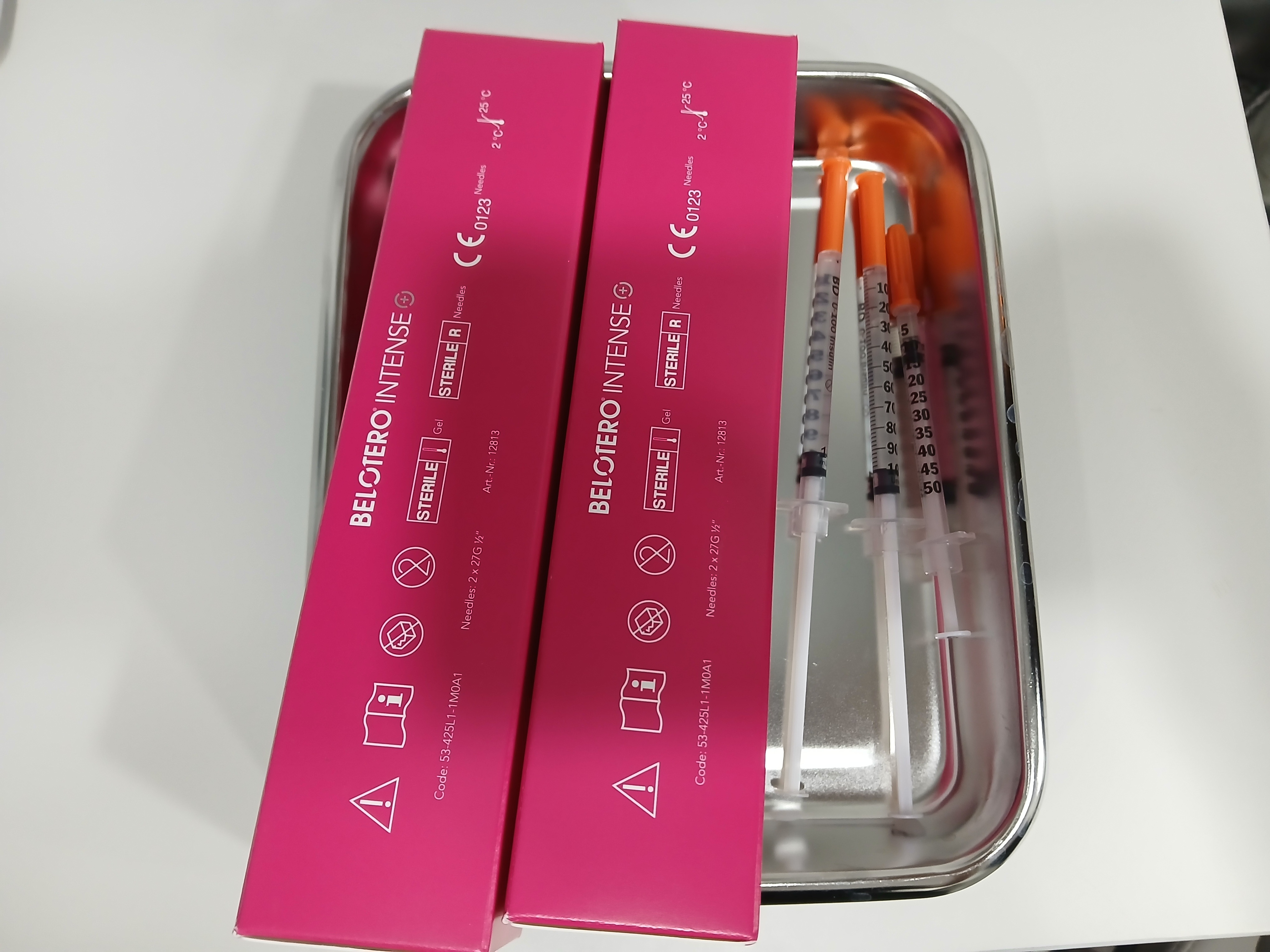
Under-eye filler is a hyaluronic acid gel placed in the tear trough to soften hollowing and shadowing, and lumps after treatment are one of the most common reasons people return for a review visit. As a dermatologist who personally performs every procedure, I will explain why irregularities form in such thin skin, how to distinguish a true lump from swelling or the Tyndall effect, and which correction paths we weigh at LUNN in 2026. Please note that results may vary depending on individual anatomy, and a professional consultation is essential for an accurate diagnosis.
Understanding Under-Eye Filler Lumps: Definition and Causes
An under-eye filler lump is a visible or palpable irregularity in the tear trough area after hyaluronic acid injection, and it ranges from a soft, barely detectable bump to a firm nodule that shows under direct light. The under-eye skin is among the thinnest on the face, so a fraction of a millimeter of uneven product placement can read as a contour problem. Most cases are mechanical or product-related rather than allergic, and the distinction matters because it determines whether observation, massage, or dissolving is appropriate.
What Under-Eye Filler Is and Why Lumps Can Form
Under-eye filler is a cross-linked hyaluronic acid gel injected into or just above the tear trough periosteum to restore volume lost with age. Lumps form because the tear trough is a confined space with thin skin, a thin orbicularis muscle, and dense ligamentous attachments that limit how evenly gel can spread. When product is deposited in one bolus rather than in small aliquots, or placed too superficially, the gel can sit as a discrete pocket instead of blending into tissue. Hyaluronic acid also attracts water, so early swelling can mimic or exaggerate a bump. In most cases the irregularity is a placement and depth issue rather than a reaction to the material itself, which is why an in-person assessment matters more than online photos.
Common Causes of Lumpy Under-Eye Filler: Technique, Product, and Anatomy
Three categories account for most lumps: technique, product choice, and individual anatomy. Technique-related causes include large bolus injections, superficial placement, and insufficient massage immediately after injection. Product-related causes include using a filler with higher G-prime or particle size than the thin tear trough tolerates; at LUNN, low-hydrophilic (low water-attracting) hyaluronic acid formulations, such as Belotero, are preferred to minimize post-treatment swelling and the Tyndall effect. Anatomy-related causes include prominent orbital fat, a deep tear trough with a sharp lid-cheek junction, and pre-existing festoons or lymphatics that retain fluid. According to the American Society of Plastic Surgeons, hyaluronic acid fillers remain the most commonly performed minimally invasive cosmetic procedure in the United States, which means the pool of patients seeking correction is correspondingly large. Individual healing, bruising, and fluid retention also vary, so results differ from person to person.
Recognizing the Signs: Is It a Lump or Something Else?
Recognition starts with distinguishing a structural lump from swelling, bruising, or the Tyndall effect, and the timing of onset is the single most useful clue. Swelling typically peaks in the first 48 to 72 hours, while a true placement lump is present immediately or becomes more apparent as edema settles. A bluish tint under light suggests product sitting too superficially rather than a discrete nodule. A careful exam, utilizing meticulous manual palpation and visual state analysis of the facial structure, separates these entities before any correction is planned at LUNN.
How to Tell If You Have a Filler Lump
A filler lump is a palpable, defined area that persists beyond the expected swelling window and does not shift freely with the overlying skin. To assess at home without pressing or massaging, look in indirect daylight rather than overhead light, since downlighting exaggerates every contour. Compare both sides in a mirror at eye level, then gently raise the gaze; a lump that becomes more prominent on upward gaze may reflect product adjacent to the orbital rim. Note whether the bump is soft and doughy or firm and fixed, and whether it is tender. Photograph the area in the same light each week rather than daily, because daily comparison magnifies normal fluctuation. Any firm, painful, warm, or rapidly enlarging lesion needs prompt professional assessment rather than home observation.
Tyndall Effect and Other Visual Clues
The Tyndall effect is a bluish or grayish discoloration that appears when hyaluronic acid is placed too superficially and scatters light through the skin, and it is a visual finding rather than a true lump. It often coexists with a faint ridge and is most noticeable in bright, cool light or on photographs taken with a flash. Other clues include a sharp transition line at the lid-cheek junction, which may reflect product concentrated at the orbital rim rather than spread across the trough, and prolonged puffiness that worsens in the morning, which suggests fluid retention rather than a discrete nodule. Persistent indentation or a visible edge when smiling can indicate product migration or uneven distribution. Documenting these features helps the treating clinician plan whether dissolving, massage, or simple observation is appropriate.
When to Seek Professional Evaluation
Professional evaluation is warranted when a lump persists beyond four to six weeks, is visibly asymmetric, or causes functional or emotional distress. Seek care urgently if there is pain, warmth, redness, blistering, or vision change, as these can signal vascular compromise or infection rather than a cosmetic contour issue. Patients with a history of autoimmune disease, lid surgery, or previous under-eye filler should be assessed earlier, since scar tissue and residual product change the correction plan. At LUNN, assessment involves a thorough analysis of muscle thickness, wrinkle depth, eye protrusion, and fat distribution through direct palpation and visual inspection. Early review is generally easier than late correction, because mature product can become encapsulated and less responsive to simple measures.
Treatment Options for Lumpy Under-Eye Filler
Treatment falls into non-surgical and surgical categories, and selection depends on the filler type, the depth of the product, and how long the lump has been present. Hyaluronic acid fillers are reversible with hyaluronidase, which makes them the most forgiving option; other materials behave differently and require different planning. Realistic expectations matter, since correction may need more than one session and results vary between individuals.
Non-Surgical Approaches: Massage, Hyaluronidase, and Time
Massage is useful only for early, soft irregularities and only when the treating clinician has confirmed it is safe; aggressive self-massage can displace product or bruise thin skin. Time resolves many minor contour issues, since hyaluronic acid integrates and edema settles over several weeks. Hyaluronidase is an enzyme that degrades hyaluronic acid and is the definitive non-surgical correction for hyaluronic acid-based lumps. It is typically administered in small, staged doses with review between sessions, because over-treatment can leave hollowing that then needs re-volumizing. Allergy is rare but possible, and bruising or temporary swelling can occur. For lumps caused by non-hyaluronic materials, dissolving is not applicable, and management focuses on observation, steroid injection in selected cases, or surgical revision. A balanced plan prioritizes safety over speed.
Surgical and Advanced Correction Methods
Surgical correction is reserved for encapsulated product, migrated material, or lumps that persist despite enzymatic treatment. Techniques include direct excision of a nodule through a concealed incision, curettage of displaced material, and, in some cases, lower blepharoplasty with fat repositioning when the underlying anatomy contributes to the contour problem. These approaches carry standard surgical risks such as scarring, infection, bruising, and asymmetry, and they require downtime that non-surgical options avoid. Advanced correction involves precision-staged re-volumization after dissolving to restore a smooth transition. Because the under-eye region is unforgiving, conservative sequencing is preferred: dissolve or observe first, reassess, and reserve surgery for cases where structure, not product, is the main issue.
Comparison of Treatment Options: Pros, Cons, and Suitability
The table below summarizes characteristics of each option in neutral terms, without ranking them, because suitability depends on the individual case.
| Option | Typical role | Considerations | Suitability notes |
|---|---|---|---|
| Observation and time | First-line for mild, early irregularities | No intervention risk; resolution timeline varies | Soft lumps within the first weeks |
| Clinician-guided massage | Smoothing very early, soft product | Bruising possible if performed too vigorously | Confirmed soft, recent irregularities |
| Hyaluronidase | Dissolves hyaluronic acid product | Rare allergy; possible over-correction and hollowing | Hyaluronic acid fillers only |
| Surgical revision | Removes encapsulated or migrated material | Scarring, downtime, infection risk | Persistent nodules, non-hyaluronic materials |
Preventing Lumps: Best Practices and Expert Insights
Prevention is largely about matching product, technique, and anatomy before the first syringe is opened. Because the tear trough tolerates error poorly, the most effective safeguard is a conservative plan built around thin skin and restricted space. At LUNN, the approach emphasizes small aliquots, appropriate product selection, and structured follow-up rather than volume-driven correction.
Choosing the Right Provider and Technique
Choosing a provider with specific tear trough experience matters more than the brand of filler used. Ask how the clinician evaluates the lid-cheek junction, what product and volume are planned, and how they handle a revision if a contour issue appears. Technique preferences such as cannula versus needle, small-aliquot deposition, and deeper placement on the periosteum are associated with fewer visible irregularities, though no method removes risk entirely. According to the American Society for Dermatologic Surgery, millions of soft-tissue filler procedures are performed annually in the United States, which underscores how important provider selection is given that volume. Verify credentials and ask to see how the practice manages complications. Patients at LUNN are counseled that individual anatomy, healing, and product choice all influence the final contour.
Post-Treatment Care and Follow-Up
Post-treatment care centers on avoiding pressure, heat, and strenuous activity for the first 24 to 48 hours, and on sleeping with the head slightly elevated to limit fluid pooling. Avoid facial massage, vigorous cleansing, and lying face-down unless the clinician has specifically advised otherwise. Cool compresses can ease swelling but should not be pressed firmly into the tear trough. Keep scheduled follow-up visits, since early review catches small irregularities before they consolidate. Photograph in consistent lighting to track progress objectively rather than reacting to daily changes. Patients should report increasing pain, discoloration, or vision symptoms immediately. Balanced aftercare does not eliminate the possibility of lumps, but it reduces avoidable contributors and keeps correction options open.
What to Discuss During Consultation
A useful consultation covers product selection, expected volume, and a clear plan for what happens if a lump appears. Ask which filler is planned and why it suits thin under-eye skin, how much volume is intended, and whether a cannula or needle will be used. Discuss your history of under-eye treatments, lid surgery, allergies, and autoimmune conditions, since each affects planning. Clarify the follow-up schedule, the expected timeline for settling, and the realistic possibility that more than one session or a correction step may be needed. Ask directly about hyaluronidase availability and the clinician's experience managing complications, and confirm what the practice does if you are unhappy with the contour at eight weeks. Documenting these answers makes later decisions easier.
Key Takeaways
- Lumps after under-eye filler are usually placement or product related, not allergic, because the tear trough skin is extremely thin.
- Timing is the key clue: swelling peaks within days, while true placement lumps persist beyond four to six weeks.
- Hyaluronic acid fillers at LUNN utilize low-hydrophilic properties to reduce water-induced swelling and the Tyndall effect.
- Diagnosis relies on a specialist's manual state analysis, checking muscle thickness and fat distribution by hand and eye.
- Prevention rests on provider experience, conservative volume, appropriate product choice, and structured follow-up.
If you are noticing an irregularity after tear trough treatment, a careful in-person assessment is the safest starting point. LUNN welcomes consultations for filler review and correction planning, and we provide detailed guidance on aftercare and realistic expectations. LUNN also offers structured follow-up so small contour issues are caught early. For readers weighing related decisions, our guide to lumpy under-eye filler causes and fixes and our review of tear trough filler without swelling may help frame the conversation. To book an assessment, contact LUNN, where the focus stays on detail and harmony. LUNN Dermatology Clinic / Dr. Hyung-kwon Park.
Frequently Asked Questions
Q. Why does under-eye filler sometimes look lumpy?
Lumps usually stem from technique, product choice, or anatomy. Depositing filler in a single bolus, placing it too superficially, or using a firmer product than thin tear trough skin tolerates can all create visible irregularities. LUNN uses low-hydrophilic fillers to specifically minimize the risk of water-attracting lumps. Most cases are structural, so an in-person assessment is the right first step.
Q. How much does it cost to fix lumpy under-eye filler?
Cost depends on the method, the number of sessions, and provider expertise, and it is typically discussed at consultation rather than quoted online. Non-surgical options such as hyaluronidase are usually less involved than surgical revision, but the total reflects the complexity of your case. Ask for a written plan that separates assessment, treatment, and follow-up so you can compare options clearly.
Q. Can lumpy under-eye filler be fixed without surgery?
In many cases, yes. Hyaluronic acid filler can be dissolved with hyaluronidase, and minor early irregularities may settle with time or clinician-guided massage. Success depends on the filler type and the cause of the lumps. Non-hyaluronic materials cannot be dissolved, so those cases need a different plan. Professional evaluation determines which route is appropriate.
Q. What should I do if I notice lumps after under-eye filler?
Avoid massaging or pressing the area unless your clinician has instructed you to do so, since forceful manipulation can displace product or bruise thin skin. Contact the clinician who performed the procedure and describe the timing and appearance of the lump. Seek urgent care if you notice pain, warmth, blistering, or vision changes. Early review is generally simpler than late correction.
Q. How long do lumps from under-eye filler last?
Duration depends on the cause. Swelling-related irregularity often settles within a few weeks, while placement-related lumps can persist longer without intervention. If a lump remains beyond four to six weeks or looks asymmetric, a specialist assessment is reasonable. Treatment with massage or hyaluronidase may be considered once the cause is confirmed.
Q. Are there risks associated with fixing under-eye filler lumps?
Every correction carries some risk, including bruising, swelling, infection, and uneven results. Hyaluronidase can rarely cause allergic reactions and may over-dissolve product, leaving temporary hollowing that needs re-volumizing. Surgical options add risks such as scarring and downtime. Discussing these possibilities with a qualified clinician helps you decide with realistic expectations.
Q. How can I prevent lumpy under-eye filler in the first place?
Prevention starts with an experienced provider who understands tear trough anatomy and selects a low-hydrophilic product. Conservative volume, small-aliquot placement, and deeper deposition reduce risk but do not eliminate it. Follow pre- and post-treatment instructions, avoid pressure on the area, and attend follow-up visits. Prioritize technique and assessment over cost alone.
Q. What are the alternatives to under-eye filler for tear troughs?
Alternatives include fat grafting, which uses your own tissue to restore volume, and, in selected cases, tear trough implants. Energy-based resurfacing or platelet-rich plasma may improve skin quality but does not restore volume. Each option has distinct risks and recovery profiles. A consultation can clarify which approach fits your anatomy and goals.
FAQ
- Why does under-eye filler sometimes look lumpy?
- Lumps usually stem from technique, product choice, or anatomy. Depositing filler in a single bolus, placing it too superficially, or using a firmer product than thin tear trough skin tolerates can all create visible irregularities. Prominent orbital fat, a sharp lid-cheek junction, and fluid retention can exaggerate the appearance. Most cases are structural rather than allergic, so an in-person assessment is the right first step.
- How much does it cost to fix lumpy under-eye filler?
- Cost depends on the method, the number of sessions, and provider expertise, and it is typically discussed at consultation rather than quoted online. Non-surgical options such as hyaluronidase are usually less involved than surgical revision, but the total reflects the complexity of your case. Ask for a written plan that separates assessment, treatment, and follow-up so you can compare options clearly.
- Can lumpy under-eye filler be fixed without surgery?
- In many cases, yes. Hyaluronic acid filler can be dissolved with hyaluronidase, and minor early irregularities may settle with time or clinician-guided massage. Success depends on the filler type and the cause of the lumps. Non-hyaluronic materials cannot be dissolved, so those cases need a different plan. Professional evaluation determines which route is appropriate.
- What should I do if I notice lumps after under-eye filler?
- Avoid massaging or pressing the area unless your clinician has instructed you to do so, since forceful manipulation can displace product or bruise thin skin. Contact the clinician who performed the procedure and describe the timing and appearance of the lump. Seek urgent care if you notice pain, warmth, blistering, or vision changes. Early review is generally simpler than late correction.
- How long do lumps from under-eye filler last?
- Duration depends on the cause. Swelling-related irregularity often settles within a few weeks, while placement-related lumps can persist longer without intervention. If a lump remains beyond four to six weeks or looks asymmetric, a specialist assessment is reasonable. Treatment with massage or hyaluronidase may be considered once the cause is confirmed.
- Are there risks associated with fixing under-eye filler lumps?
- Every correction carries some risk, including bruising, swelling, infection, and uneven results. Hyaluronidase can rarely cause allergic reactions and may over-dissolve product, leaving temporary hollowing that needs re-volumizing. Surgical options add risks such as scarring and downtime. Discussing these possibilities with a qualified clinician helps you decide with realistic expectations.
- How can I prevent lumpy under-eye filler in the first place?
- Prevention starts with an experienced provider who understands tear trough anatomy and selects a soft, appropriate product. Conservative volume, small-aliquot placement, and deeper deposition reduce risk but do not eliminate it. Follow pre- and post-treatment instructions, avoid pressure on the area, and attend follow-up visits. Prioritize technique and assessment over cost alone.
- What are the alternatives to under-eye filler for tear troughs?
- Alternatives include fat grafting, which uses your own tissue to restore volume, and, in selected cases, tear trough implants. Energy-based resurfacing or platelet-rich plasma may improve skin quality but does not restore volume. Each option has distinct risks and recovery profiles. A consultation can clarify which approach fits your anatomy and goals.