
Post
Why Laser Hair Removal Requires Multiple Sessions, and What Happens When You Skip One (2026 Guide)
Hello, I am Dr. Hyung-kwon Park, a dermatologist at LUNN Dermatology Clinic in Cheongdam/Apgujeong Rodeo. Laser hair removal is a light-based treatment that delivers concentrated energy to hair follicles beneath the skin surface, reducing future hair growth over a series of visits.
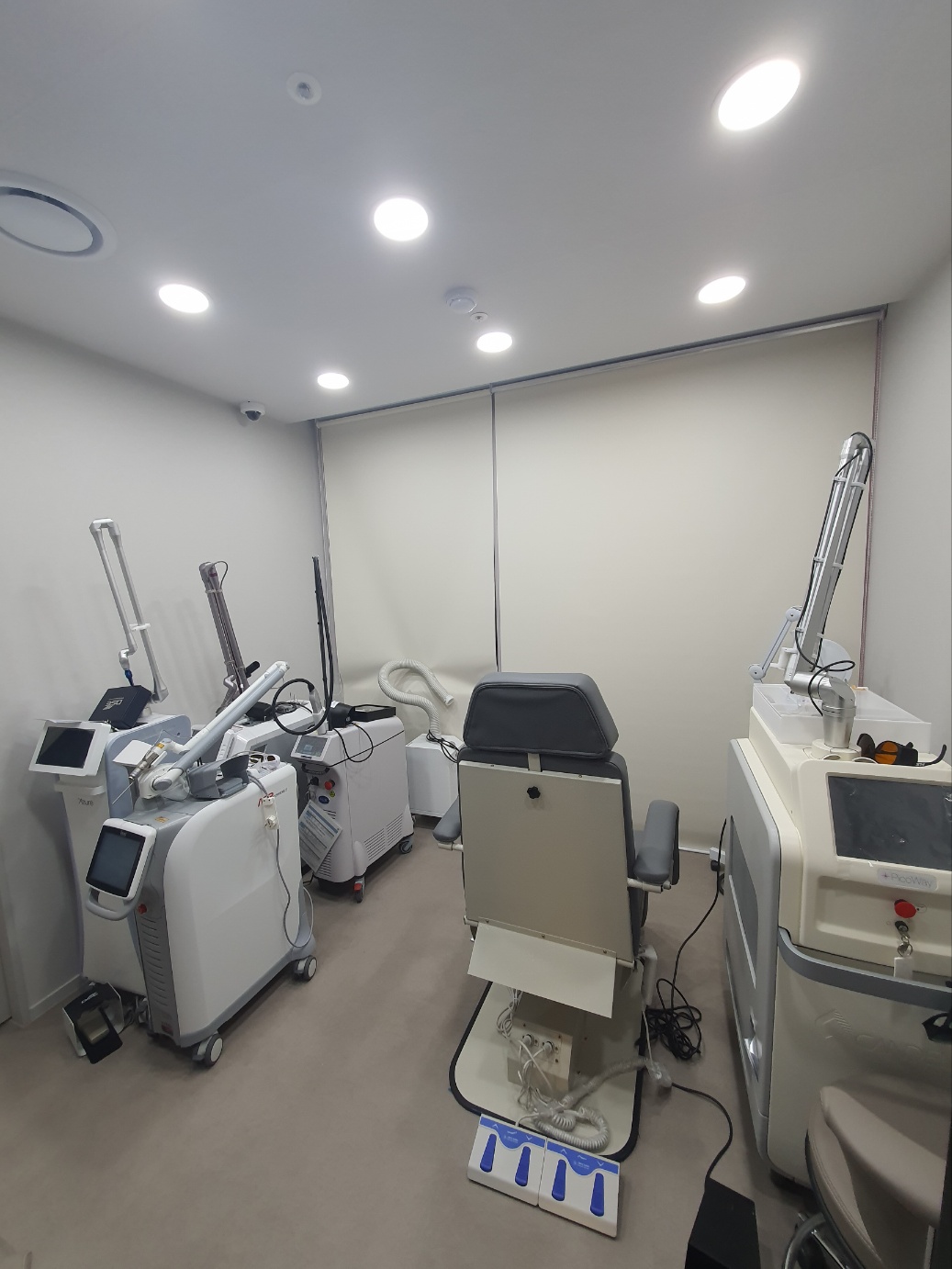
Because follicles cycle through resting, shedding, and growth phases independently, no single appointment can reach every target at once. This guide from LUNN explains the biology behind the session schedule, what changes when intervals slip, and how to keep your plan realistic in 2026.
Understanding Laser Hair Removal: Why Multiple Sessions Are Required
Laser hair removal is a medical procedure in which a handheld device emits a specific wavelength of light that is absorbed primarily by melanin in the hair shaft and follicle. The absorbed energy converts to heat, and that heat is what disrupts the follicle's ability to produce new hair. The key word is follicle, not hair. Treating a visible hair is easy; reaching the structure that generates it depends entirely on timing.
The Hair Growth Cycle and Laser Targeting
Every hair follicle moves through three phases: anagen (active growth), catagen (transition), and telogen (rest). Laser energy is most effective during anagen, when the hair shaft is fully formed, pigment concentration in the follicle is high, and the follicle's blood supply is engaged. In catagen and telogen, the hair detaches from its blood supply and the pigment load drops, so the same energy dose produces a much weaker effect.
The practical consequence is that a single pass over an area only reaches the follicles that happen to be in anagen on that day. Neighboring follicles sitting in telogen are effectively invisible to the laser until they re-enter growth. Because each body area has its own cycle length, the gaps between sessions are set to match that rhythm rather than a fixed calendar. At LUNN, I build the schedule around the growth cycle of the specific area being treated, rather than using a one-size template.
Why One Session Does Not Remove All Hair
At any given moment, a percentage of follicles in a treated area are in anagen and the rest are not. Published dermatology literature commonly describes this proportion as roughly 20 to 30 percent for many body sites, though it varies by region and individual. That ratio explains why a first session usually produces a noticeable patchy reduction rather than a uniform clearing.
Each subsequent session catches a different cohort of follicles as they rotate into the active phase. The visible density drops in stages, which is why patients often describe progress as "thinning out" rather than disappearing all at once. Understanding this makes the multi-session structure feel less like a sales schedule and more like a biological requirement.
Hair Color and Skin Type Considerations
Contrast between hair pigment and surrounding skin determines how selectively the laser energy is absorbed. Dark, coarse hair on lighter skin offers strong contrast and predictable response. Light blonde, gray, or white hair contains little melanin and responds poorly to standard laser wavelengths, which is a genuine limitation rather than a matter of session count.
Darker skin tones require longer wavelengths and careful fluence settings to reduce the risk of pigment change, and treatment may be delivered more conservatively across more visits. Hormonal conditions such as polycystic ovary syndrome can also drive new growth independent of treatment, meaning maintenance sessions may be needed indefinitely. A proper consultation should address these factors before a package is discussed. For readers weighing different lifting and skin-quality decisions alongside hair removal, my guide on choosing lifting treatments by skin layer covers how layered assessment works.
What Happens If You Skip Sessions: Short-Term and Long-Term Effects
Skipping a session means the cohort of follicles that was scheduled to be caught in anagen is left untreated during that window. The immediate consequence is not damage but lost opportunity: those follicles complete their active phase untouched and return to rest, and the energy delivered in that visit is simply not spent. Over a full course, irregular gaps compound, because the schedule assumes each visit lands on a different rotating group.
Impact on Hair Reduction Progress
When an interval stretches well beyond the recommended window, some follicles pass through anagen and back into telogen without being treated. The visible result is a plateau: hair that had been thinning appears to stall, and density in the area looks unchanged for weeks. This is often misread as the treatment "stopping working" when it reflects a gap in coverage.
In clinical practice, a single missed appointment in an otherwise consistent course is usually recoverable with a rescheduled visit. Repeated or prolonged gaps are different. They can add two or more sessions to the total plan and extend the timeline by months, which raises cumulative cost and cumulative exposure to post-treatment redness and follicular inflammation.
Compensatory Hair Growth and Density
Follicles that escape treatment do not disappear, and some may appear thicker or darker over time, particularly in hormonally sensitive areas such as the upper lip, chin, and jawline. This is not the laser causing new growth; it is untreated follicles continuing their natural maturation while treated neighbors thin out, which increases visible contrast.
Patients on the face are most likely to notice this pattern, and those with a hormonal component are most vulnerable to it. In these cases, I typically shorten intervals rather than lengthen them and may combine laser work with a review of underlying drivers. Anyone noticing a rapid return of coarse hair should raise it at the next visit rather than waiting for the scheduled one.
Risks of Inconsistent Treatment Intervals
Irregular spacing does not usually create a safety problem, but it does create two practical ones. First, the provider loses the ability to compare like with like, since settings and fluence are tuned partly on the response seen at the previous visit. Second, some clinics reset protocols when gaps are long, essentially restarting the early phase of the course.
There are also ordinary side effects to keep in mind regardless of scheduling: temporary redness and perifollicular swelling are common and typically resolve within hours to a few days, and short-term pigment change is possible, especially with sun exposure between visits. These risks are managed with appropriate settings and aftercare, not avoided entirely.
Session Frequency and Treatment Intervals: What to Expect
Interval length is determined by the growth cycle of the treated area, not by convenience. Areas with fast turnover clear and re-enter anagen quickly, while areas with slow turnover need longer gaps to allow the next cohort to become treatable. The table below summarizes commonly used starting intervals and typical course lengths, recognizing that individual adjustment is normal.
| Area | Typical starting interval | Typical sessions in a course | Notes |
|---|---|---|---|
| Upper lip, chin | 4 to 6 weeks | 6 to 10 | Hormonal influence common; shorter intervals often used |
| Underarms | 4 to 6 weeks | 6 to 8 | Fast cycle; often responds early |
| Bikini, Brazilian | 5 to 7 weeks | 6 to 8 | Coarse hair; conservative settings on darker skin |
| Arms | 6 to 8 weeks | 6 to 8 | Slower cycle than axillae |
| Legs | 6 to 8 weeks | 6 to 9 | Large surface area; session time longer |
| Back, chest | 6 to 8 weeks | 6 to 8 | Density varies widely by individual |
Recommended Interval Between Sessions by Body Area
The intervals above are starting points. A provider may shorten them if regrowth appears faster than expected, or lengthen them if skin needs recovery time. Seasonal factors matter too: patients often start legs and bikini lines in autumn and winter so that the course finishes before strong sun exposure returns.
How Many Sessions Are Typically Needed
Most courses run 6 to 8 sessions for meaningful reduction, with facial and hormonal areas often requiring more. The endpoint is not zero hair but a stable, manageable density that maintenance visits can hold. Patients who expect a defined finish line are usually the ones most frustrated by the process, so setting expectations at the consultation stage matters as much as the equipment.
Adjusting the Schedule for Individual Factors
Skin tone, hair color, medication use, pregnancy status, and hormonal conditions all shift the plan. Photosensitizing medications and recent sun exposure can require postponement. For patients managing skin barrier issues between visits, our article on why skin gets drier after laser lifting offers transferable aftercare principles.
Comparing Laser Hair Removal with Other Hair Reduction Methods
Hair reduction methods differ in mechanism, session burden, and durability. Shaving and waxing act on the hair shaft only and require continuous repetition, while energy-based and electrolysis methods target the follicle itself. The comparison below lists characteristics neutrally; suitability depends on hair color, skin type, area, budget, and tolerance for visits.
| Method | Mechanism | Sessions needed | Durability | Considerations |
|---|---|---|---|---|
| Laser | Selective photothermolysis of follicle | 6 to 8 typical course | Long-term reduction | Works best on dark hair; multiple visits |
| IPL | Broadband light, less selective | Often 8 or more | Moderate reduction | More sessions for comparable change |
| Electrolysis | Chemical destruction per follicle | Many short sessions | Long-term | Slow for large areas; operator dependent |
| Waxing | Mechanical removal of shaft | Ongoing, every 3 to 6 weeks | Temporary | Ingrown hair risk |
| Shaving | Mechanical removal of shaft | Ongoing, every 1 to 3 days | Temporary | Razor bumps possible |
Laser vs. IPL vs. Electrolysis: Session Requirements
Laser devices use a single wavelength tuned to melanin, which generally allows fewer sessions than IPL's broader spectrum. Electrolysis treats individual follicles with a fine probe, which is precise but time-intensive on large areas. Each has a place, and the right choice depends on hair color and the size of the area rather than on a single ranking.
Cost and Time Commitment Comparison
Total cost is a function of sessions multiplied by per-session price, not the sticker price of one visit. A cheaper per-session rate across twelve visits can exceed a higher rate across seven. Time works the same way: travel, numbing, and aftercare should be counted. Discuss pricing structure at consultation rather than comparing headline numbers.
Pros and Cons of Each Method
Laser offers a highly effective path to long-term reduction for suitable candidates but demands schedule discipline. Please note that results may vary between individuals, and temporary side effects like redness or swelling can occur. IPL is gentler in some settings yet usually needs more visits. Electrolysis is the most versatile across hair colors but slow. Temporary methods remain convenient and low-commitment. For men dealing with post-shave irritation, our guide on preventing razor bumps and folliculitis is a useful complement.
Practical Tips for Staying on Track and Maximizing Results
Adherence is the single most controllable variable in a laser course. Most disappointing outcomes traced in review are not equipment failures but schedule drift, sun exposure, or aftercare lapses. A few structural habits make consistency far easier than willpower alone.
Planning Sessions Around Your Schedule
Book the entire course at the start, with reminders set a week before each visit. Avoid scheduling immediately before travel, major sun holidays, or known busy work periods. If a conflict is unavoidable, reschedule within days rather than letting the gap stretch by a month.
Pre- and Post-Treatment Care
Shave the area 24 hours before treatment rather than on the day, avoid waxing or plucking for four weeks beforehand, and keep the area out of direct sun for two weeks on either side. After treatment, use cool compresses, gentle moisturizer, and broad-spectrum sunscreen. Avoid hot baths, saunas, and intense exercise for 24 to 48 hours.
When to Consult Your Provider About Skipped Sessions
Contact the clinic as soon as a session is missed. Providers can often adjust the next interval, add one visit at the end, or recalibrate settings based on regrowth. At LUNN, patients who call early are usually able to re-enter the schedule without restarting. Patients who wait several months may need a fresh assessment instead.
For anyone also considering injectables or lifting alongside hair removal, my notes on preventative Botox timing and filler bruising prevention explain how treatment calendars can be layered sensibly.
Key Takeaways
- Laser targets follicles in the active growth phase, and only a fraction are active on any given day, which is why 6 to 8 sessions are typical.
- Skipping a session does not damage the skin but forfeits that window of coverage, often extending the course and total cost.
- Interval length should match the growth cycle of the treated area, from roughly 4 to 6 weeks on the face to 6 to 8 weeks on the legs.
- Hair color, skin tone, and hormonal factors change both session count and expected outcome, so a consultation should precede any package decision.
- Temporary redness, swelling, and short-term pigment change are possible, and results vary between individuals; maintenance visits are often needed to hold density.
Frequently Asked Questions
Q. Why does laser hair removal require multiple sessions?
Laser energy only disrupts follicles that are in the active anagen phase, when pigment and blood supply make them vulnerable. Because follicles cycle independently, each session catches a different group. Treating the same area repeatedly across weeks is the only way to reach most of them.
Q. What happens if I skip a laser hair removal session?
One missed visit usually means a window of coverage is lost, not that previous progress is reversed. The follicles that would have been treated simply continue their cycle untreated. If the gap is short, the schedule can usually be adjusted; if it is long, additional sessions may be needed.
Q. How many laser hair removal sessions will I need?
Most courses run 6 to 8 sessions for meaningful reduction, though facial and hormonally influenced areas often need more. Hair color, skin type, area size, and treatment response all shift the number. Your provider should give a range rather than a fixed figure.
Q. Can I resume laser hair removal after skipping sessions?
Yes. Treatment can resume after a gap, but the provider will typically reassess hair density and may adjust settings or restart part of the interval sequence. Booking a reassessment rather than jumping straight back into the original slot is the safer approach.
Q. Is laser hair removal permanent?
It is best described as long-term hair reduction rather than permanent removal. Some follicles survive treatment and produce fine hair, and hormonal changes can trigger new growth. Occasional maintenance sessions are common and should be expected from the outset.
Q. What are the risks of skipping sessions repeatedly?
Repeated gaps tend to produce patchy or uneven results, a longer overall timeline, and higher cumulative cost. They also make it harder for the provider to compare response between visits. The skin itself is rarely harmed, but the plan becomes less predictable.
Q. How should I choose between laser hair removal and other methods?
Consider hair color, skin tone, area size, budget, and how reliably you can attend appointments. Laser offers efficient long-term reduction for suitable candidates, IPL generally needs more visits, and electrolysis is versatile but slow. A consultation with a dermatologist clarifies which fits your case.
Q. What should I do if I miss a scheduled session?
Contact the clinic promptly and reschedule within days if possible. Early communication lets the provider adjust the next interval or add a session at the end. Waiting several months usually requires a fresh assessment instead of a simple rebooking.
If you are unsure whether your current schedule still fits your skin and hair pattern, a consultation at LUNN in Cheongdam can clarify the next step. LUNN Dermatology Clinic / Dr. Hyung-kwon Park.
FAQ
- Why does laser hair removal require multiple sessions?
- Laser energy only disrupts follicles that are in the active anagen phase, when pigment and blood supply make them vulnerable. Because follicles cycle independently, each session catches a different group. Treating the same area repeatedly across weeks is the only way to reach most of them.
- What happens if I skip a laser hair removal session?
- One missed visit usually means a window of coverage is lost, not that previous progress is reversed. The follicles that would have been treated simply continue their cycle untreated. If the gap is short, the schedule can usually be adjusted; if it is long, additional sessions may be needed.
- How many laser hair removal sessions will I need?
- Most courses run 6 to 8 sessions for meaningful reduction, though facial and hormonally influenced areas often need more. Hair color, skin type, area size, and treatment response all shift the number. Your provider should give a range rather than a fixed figure.
- Can I resume laser hair removal after skipping sessions?
- Yes. Treatment can resume after a gap, but the provider will typically reassess hair density and may adjust settings or restart part of the interval sequence. Booking a reassessment rather than jumping straight back into the original slot is the safer approach.
- Is laser hair removal permanent?
- It is best described as long-term hair reduction rather than permanent removal. Some follicles survive treatment and produce fine hair, and hormonal changes can trigger new growth. Occasional maintenance sessions are common and should be expected from the outset.
- What are the risks of skipping sessions repeatedly?
- Repeated gaps tend to produce patchy or uneven results, a longer overall timeline, and higher cumulative cost. They also make it harder for the provider to compare response between visits. The skin itself is rarely harmed, but the plan becomes less predictable.
- How should I choose between laser hair removal and other methods?
- Consider hair color, skin tone, area size, budget, and how reliably you can attend appointments. Laser offers efficient long-term reduction for suitable candidates, IPL generally needs more visits, and electrolysis is versatile but slow. A consultation with a dermatologist clarifies which fits your case.
- What should I do if I miss a scheduled session?
- Contact the clinic promptly and reschedule within days if possible. Early communication lets the provider adjust the next interval or add a session at the end. Waiting several months usually requires a fresh assessment instead of a simple rebooking.