
Post
A Guide to Lifting Treatments by Skin Layer: Refining the Details at LUNN
Hello, I am Dr. Hyung-kwon Park, a board-certified dermatologist and the director of LUNN Dermatology Clinic in Cheongdam.
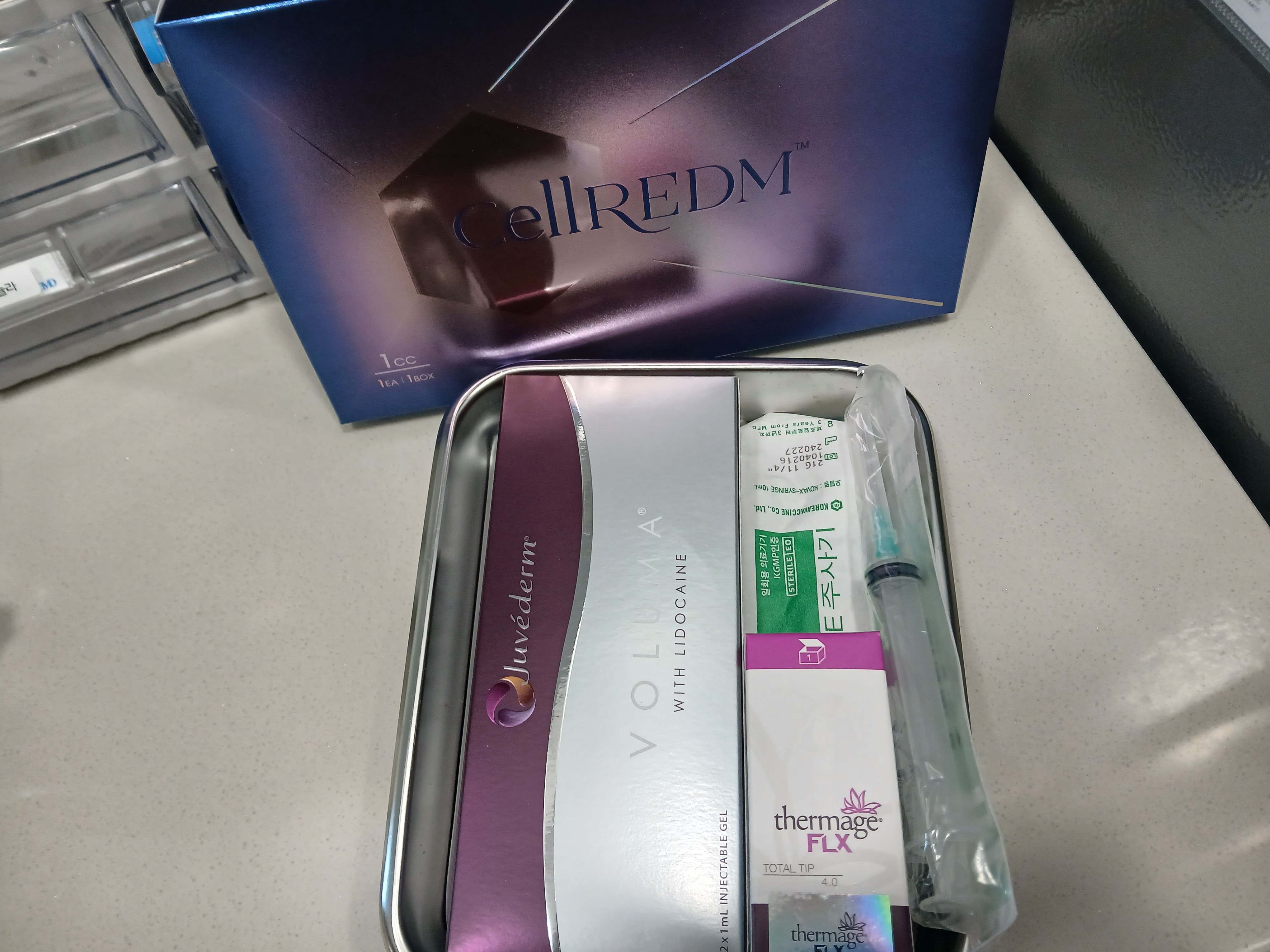
In my practice, I often say that choosing a lifting treatment is a delicate process of 'Refining the Details.' It is not just about using a popular device; it is about understanding which layer of your skin has lost its support and creating a customized map to restore harmony.
This guide breaks down lifting options by target layer, mechanism, and the clinical logic I use at LUNN. It is written for those seeking to understand the principles of nonsurgical lifting, focusing on natural results rather than temporary trends.
Understanding Skin Layers and Why They Matter for Lifting
Skin is a complex, layered structure. Lifting is most effective when the treatment depth precisely matches the layer that has weakened. The epidermis is your outer barrier, the dermis acts as the collagen scaffold, and the deeper layers—including subcutaneous fat and the fascia—provide the structural foundation. In my consultations, I prioritize a 'layered assessment' because two people with similar concerns often require entirely different depth targets.
The Three Layers of Skin: Epidermis, Dermis, and Fascia (SMAS)
The epidermis governs texture and tone, while the dermis contains the collagen and elastin network that provides recoil. Beneath these lies the superficial musculoaponeurotic system, or SMAS. This is the fibrous layer that acts as the foundation of the face.
At LUNN, we believe that treating the wrong depth leads to disappointment. For instance, surface treatments cannot reposition tissue that has descended due to SMAS laxity. By mapping the anatomy of each patient—manually checking muscle thickness and fat distribution—we ensure the energy is delivered exactly where it is needed to achieve perfect harmony.
How Each Layer Contributes to Skin Laxity and Aging
Aging is not a single process. In the dermis, collagen density declines, leading to fine lines and a loss of elasticity. Deeper down, in the SMAS and fat layers, gravity and structural weakening cause jowling and the descent of facial contours.
I often use the analogy that lifting is like home renovation: if the foundation (SMAS) is shifting, simply changing the wallpaper (epidermis) won't solve the problem. Identifying whether your primary concern is surface crepiness or deep structural sagging is the first step in our professional skin analysis.
Why Treating the Right Layer Determines Lifting Results
Precision matters because energy delivered to the wrong depth either lacks efficacy or increases the risk of discomfort. Deep energy in a patient with very thin skin, for example, requires a much more conservative and nuanced approach to avoid contour irregularities.
Furthermore, results are not instantaneous. Collagen remodeling is a biological process that takes time to develop. At LUNN, we focus on long-term skin health, explaining that the 'completion' of a treatment often involves diligent aftercare and patience as the skin naturally regenerates.
Key Lifting Technologies at LUNN and Their Target Depths
We select our technology based on its ability to target specific layers. Rather than following 'factory-style' protocols, we adjust parameters based on the patient's unique anatomical resistance and tissue thickness.
High-Intensity Focused Ultrasound (HIFU): Ultherapy
Ultherapy is our primary tool for reaching the deeper SMAS layer. By concentrating ultrasound energy at specific focal points, it triggers a regenerative response that helps reposition descended tissue. It is particularly effective for defining the jawline and addressing lower-face laxity. In my experience, the 'doctor’s eye' and hand-mapping of the skin before the procedure are what determine the final outcome, not just the device itself.
Radiofrequency (RF) and ONDA Lifting
For the dermis, we utilize Radiofrequency treatments like Thermage to provide broad volumetric heating, which supports overall skin tightening and texture. Additionally, the ONDA system allows us to address both volume reduction and elasticity simultaneously. These modalities are ideal for patients whose concerns are more related to skin thinning and loss of dermal density.
We often suggest a 'Signature Synergy Program,' combining these energy devices with skin boosters. Just as watering dry soil helps plants grow, improving the skin's internal environment with boosters can enhance the results of energy-based lifting.
The Role of Injectables in Structural Support
Injectables like fillers and Botox serve as essential tools for 'Refining the Details.' While Botox relaxes the muscular pull that contributes to sagging, fillers can restore lost volume in fat compartments to provide indirect support. At LUNN, we emphasize a conservative approach—'less is more.' We prefer to under-fill slightly and observe the progress, ensuring the result remains natural and balanced with the rest of the face.
Comparing Lifting Treatments: A Clinical Overview
This overview summarizes the characteristics of each modality based on clinical principles. Suitability can only be determined after a physical examination of your skin’s thickness and sagging patterns.
| Treatment | Primary Target Depth | Clinical Mechanism | Typical Experience |
|---|---|---|---|
| Ultherapy (HIFU) | Dermis to SMAS | Focal heating for deep structural lifting | Temporary swelling; results build over months |
| Thermage (RF) | Dermis | Volumetric heating for tightening/texture | Mild redness; improves skin density |
| ONDA | Subcutaneous / Dermis | Microwave energy for volume and elasticity | Dual action on fat and collagen layers |
| Injectables (Botox/Filler) | Muscle / Fat Layers | Volume restoration and muscle modulation | Minimal downtime; immediate to gradual change |
Depth of Action and Realistic Expectations
It is vital to understand that nonsurgical treatments have boundaries. While we can achieve significant improvement in skin quality and contour, the results are influenced by individual factors such as age, lifestyle, and skin thickness. I tell my patients honestly: "Dramatic, one-time transformations are rare; consistent, detailed care leads to the best natural results."
Recovery and Aftercare: The LUNN Protocol
While the start of a lifting treatment happens in the clinic, the completion happens during recovery. We advise all patients to avoid saunas, strenuous exercise, and direct sun exposure for at least one week following energy-based treatments. Protecting the skin’s local immunity by using sunblock is not optional—it is a requirement for maintaining the health of the newly stimulated collagen.
How to Assess Your Skin and Choose the Right Path
Self-assessment can help you prepare for a consultation, but it should not replace a professional diagnosis.
- Check for Laxity: Gently lift the skin at the jawline. If it moves very easily, the focus may need to be on structural support (SMAS).
- Observe Shadows: Hollowing under the eyes or at the temples often indicates volume loss that requires a different approach than energy-based lifting.
- Evaluate Texture: Fine, paper-like wrinkles usually suggest that the dermis needs remodeling.
The Importance of Professional Mapping
A consultation at LUNN involves more than just a visual check. We feel the thickness of the tissue and analyze the 'resistance' of the muscles. This level of detail allows us to decide on the appropriate energy settings and injection depths, moving away from price-driven competition toward value-driven care.
Potential Risks and Limitations
Every clinical procedure carries potential side effects, including temporary redness, swelling, or bruising. More specific risks like contour irregularity or temporary numbness are rare but possible, which is why choosing a board-certified dermatologist who understands facial anatomy is critical. We prioritize safety and honesty, often advising against certain procedures if the patient's expectations cannot be met nonsurgically.
Key Takeaways
- Lifting is a layered science: treatments must target the specific depth of your skin's weakness.
- Ultherapy focuses on deep structural support (SMAS), while Thermage and ONDA focus on the dermis and volume.
- Natural results come from a 'conservative approach' and 'Refining the Details' of facial harmony.
- Individual results vary significantly; maintenance and proper aftercare are essential for longevity.
- Always prioritize a professional anatomical assessment over promotional packages.
Frequently Asked Questions
Q. What is the difference between Ultherapy and Thermage?
Ultherapy uses focused ultrasound to target deep layers like the SMAS for structural lifting. Thermage uses radiofrequency to heat the dermis for overall tightening and texture. Often, a combination of both provides the most balanced result.
Q. How long do the results of a lifting treatment last?
The duration of effect varies greatly depending on the individual's skin condition, age, and lifestyle. Rather than a fixed timeframe, we focus on the fact that collagen stimulation is a gradual process, and maintenance sessions are typically discussed as part of a long-term plan.
Q. Is there much downtime after ONDA or Ultherapy?
Most patients experience temporary swelling or redness. We recommend avoiding high-heat environments like saunas for one week to allow the skin to recover properly. The 'downtime' is minimal, but the internal healing process takes time.
Q. Can I get fillers and lifting at the same time?
Yes, combining modalities that target different layers—such as ultrasound for depth and fillers for volume—can be very effective. However, the sequence and timing must be carefully planned to manage inflammation and ensure safety.
Q. Why is a professional consultation necessary for lifting?
Every face has a different muscle thickness and fat distribution. A professional mapping by a dermatologist ensures that energy is delivered at the correct depth, minimizing risks and maximizing the natural aesthetic outcome.
If you are looking for a treatment plan that prioritizes your unique facial structure, a diagnostic consultation at LUNN in Cheongdam can provide the clarity you need. LUNN Dermatology Clinic, led by Dr. Hyung-kwon Park, is dedicated to achieving perfect harmony through medical precision. For more insights into skin health, visit us at Threads @dr.lunn.
FAQ
- What is the difference between Ultherapy and Thermage?
- Ultherapy delivers microfocused ultrasound at precise depths, including the dermis and SMAS, to stimulate collagen for a lifting effect. Thermage uses radiofrequency to heat the dermis more broadly, supporting tightening and texture improvement. Which is appropriate depends on skin thickness, the degree of laxity, and your goals, all of which require individual assessment.
- How many lifting sessions will I need?
- Energy-based treatments such as ultrasound and radiofrequency usually involve one session, with collagen change developing over two to six months and possible maintenance after six to twelve months. Injectables often require repeat visits at intervals of weeks to months. The plan should be based on your skin findings rather than a preset package.
- Are lifting treatments painful?
- Most involve some discomfort. Ultrasound can produce a deep aching sensation during treatment, while radiofrequency typically feels warm and prickling. Topical numbing and adjustable energy settings help, and injectables may cause brief stinging. Discuss pain control options with your clinician before the session.
- Can I combine different lifting treatments?
- Yes, combining modalities that target different layers can be reasonable, such as ultrasound for deeper support with radiofrequency for surface tightening, or fillers alongside an energy device. Sequencing and timing matter, since stacking treatments too closely can increase inflammation. A clinician should design the combination around your anatomy.
- How long do lifting results last?
- Energy-based lifting results are commonly cited at one to two years, fillers at roughly six to eighteen months depending on the product, and thread lifts at about one to two years. Maintenance sessions may be needed. Your own timeline depends on skin quality, aging, and lifestyle.
- What are the risks and side effects of lifting treatments?
- Common effects include temporary redness, swelling, bruising, and tenderness. Less common risks include infection, burns, nodules, contour irregularity, or nerve irritation, particularly with energy devices and threads. Experienced hands and proper aftercare reduce but do not remove these risks.
- Is there a nonsurgical lifting option for deep sagging?
- For mild to moderate laxity, ultrasound and thread lifts can provide meaningful improvement. For pronounced sagging with significant skin excess, outcomes from nonsurgical options are usually more modest than surgical lifting. A consultation helps determine whether a nonsurgical route is appropriate for your degree of change.