
Post
A Dermatologist’s 2026 Guide to Facial Volume Restoration: Achieving Structural Harmony
Hello, I am Dr. Hyungkwon Park, a board-certified dermatologist at LUNN.
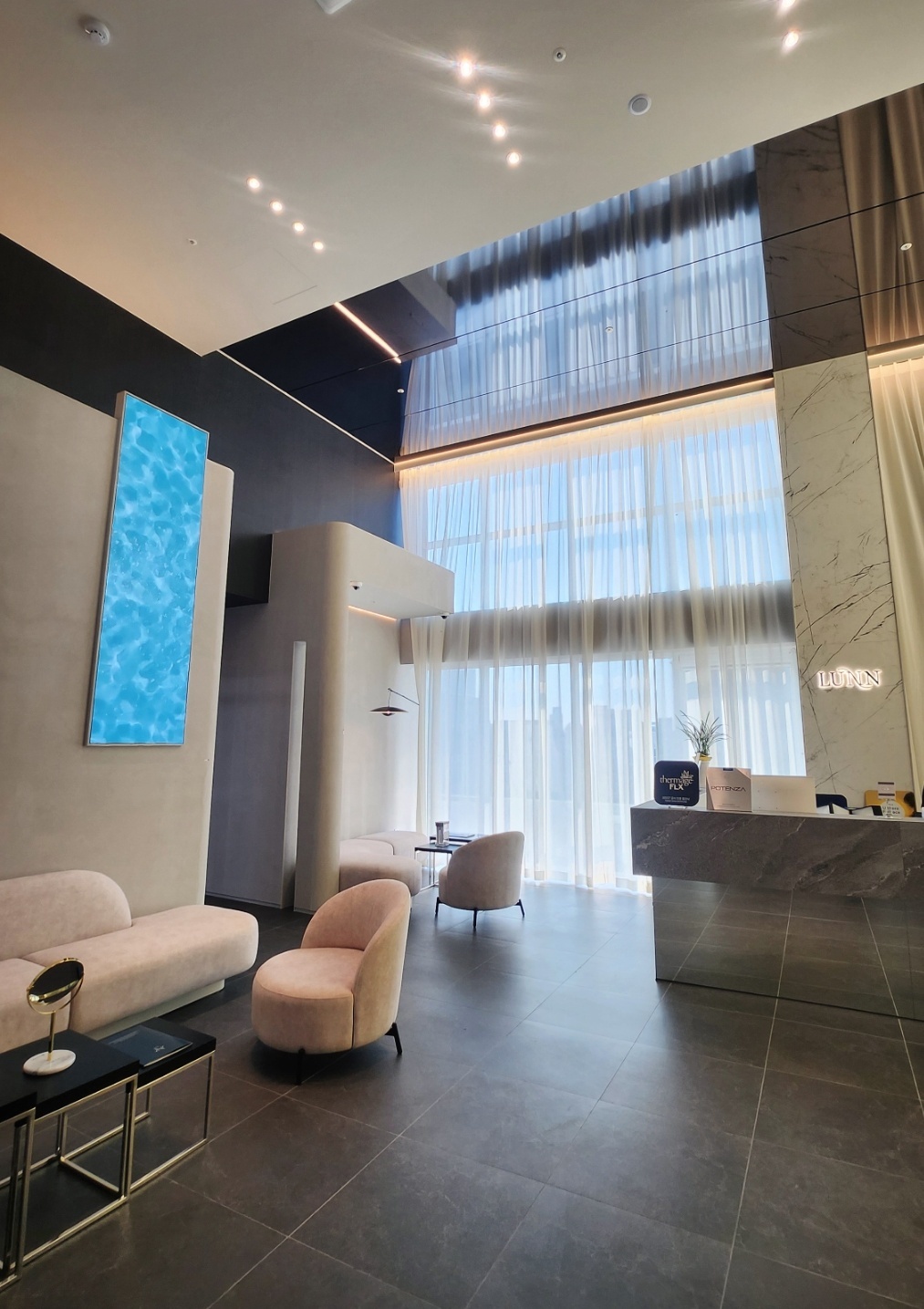
Facial volume restoration is a precise medical process that replenishes the underlying structural support of the skin through specialized injectables and biostimulators. My goal is to help you achieve a refreshed look that respects your natural features, focusing on the subtle 1mm details that define structural harmony. To be honest, dramatic changes in a single session are often less natural; true skill lies in achieving a balanced result. By understanding the science of aging and the unique geometry of your face, we can address hollowing and shadows without compromising your authentic expression.
What Is Facial Volume Restoration and Why Does It Matter?
Facial volume restoration refers to the clinical replenishment of lost subcutaneous fat, collagen, and bone support to restore youthful contours and smooth out shadows. As we age, the face does not just sag, it loses the internal volume that provides lift and light reflection, leading to a tired appearance. By strategically replacing this volume, we can refine the facial structure and create a more balanced, harmonious aesthetic that aligns with your personal aging journey. At LUNN, we prioritize the "Shadow Eraser" strategy to brighten the face by resolving structural indentations.
The Anatomy of Volume Loss in Your 30s and 40s
Understanding the biological shift in the mid-30s is crucial for effective treatment. During this period, the body begins to lose collagen, leading to a thinning of the dermis. Furthermore, fat pads in the cheeks and temples begin to shift or atrophy, creating hollows that catch shadows. At LUNN, I observe that many patients in their 40s also face subtle bone resorption, which reduces the structural foundation for the skin to rest upon. This multi-layered degradation requires a nuanced approach that addresses the epidermis, dermis, and subcutaneous layers simultaneously. While some sources cite specific percentage losses in projection, I focus on the individual's visible hollowing and tissue quality. By recognizing these anatomical shifts early, we can implement preventative strategies that maintain the natural resilience of your skin while ensuring the results remain subtle and sophisticated for years to come.
Defining Natural Harmony in Aesthetic Medicine
Natural harmony is the principle of balancing facial features so that no single element appears artificial or out of proportion. In my practice at LUNN, I emphasize that beauty is found in the interplay between light and shadow. When we restore volume, we are not simply filling a hole, we are reshaping how light hits your face. Overfilling often occurs when practitioners ignore the specific ratios of the mid-face, such as the cheekbones relative to the jawline. True harmony requires a deep understanding of facial dynamics, ensuring that when you smile or speak, the restored volume moves naturally with your muscles. Clinical experience suggests that patients who prioritize harmony over maximum volume tend to report higher satisfaction, as the results appear more integrated. This philosophy prevents the overdone look and instead focuses on a refreshed version of your existing self that feels both authentic and rejuvenated.
Differences Between Lifting and Volume Restoration
Patients often confuse skin lifting with volume restoration, but they address fundamentally different aspects of aging. I often tell my patients: lifting is like tightening the wallpaper, but volume restoration is like repairing the foundation and furniture inside the room. Lifting procedures, such as Ultherapy, focus on tightening the SMAS layer to combat gravity and sagging skin. In contrast, volume restoration involves adding physical substance to areas where internal support has dissipated. For instance, a patient may have tight skin but still look aged due to sunken temples or a hollowed mid-face. Identifying which concern is primary is essential for a successful outcome. Clinical observations indicate that a significant portion of perceived facial aging is due to volume loss rather than skin laxity alone, though the exact ratio varies. By correctly diagnosing whether the issue is sagging or hollowing, I can design a treatment plan that addresses the root cause efficiently.
Comparing Primary Treatment Modalities for Mid-Face Restoration
Primary treatment modalities for mid-face restoration are the specific medical techniques and substances used to rebuild facial fullness. Each modality offers different benefits regarding texture and immediate results. Selecting the right tool depends on your skin quality, the depth of the hollowing, and your long-term aesthetic goals. At LUNN, I carefully evaluate these variables to determine which injectable or biostimulator will provide the most natural outcome for your specific facial structure. Note that individual longevity varies based on metabolism and lifestyle.
| Modality Type | Primary Substance | Duration | Best For |
|---|---|---|---|
| HA Fillers | Hyaluronic Acid | Varies by individual | Immediate correction of deep folds and hollows |
| PDLLA Biostimulators | Poly-D,L-Lactic Acid | Generally long-term | Gradual collagen production and overall volume |
| PN Boosters | Polynucleotides | Requires periodic maintenance | Skin texture, elasticity, and subtle dermis repair |
| Autologous Fat | Patient's own fat | Variable (depends on survival) | Large scale volume replacement and long-term repair |
Hyaluronic Acid Fillers vs. Biostimulators (PDLLA and PN)
Choosing between hyaluronic acid (HA) fillers and biostimulators depends on whether you seek immediate or gradual change. HA fillers provide an instant gel-like structure that is highly effective for specific areas like the nasolabial folds. At LUNN, I specifically use low-hydrophilicity HA fillers for delicate areas like the under-eyes to minimize swelling and the Tyndall effect. On the other hand, biostimulators like PDLLA work by signaling the body to produce its own collagen over several months. This results in a softer volume that feels like your natural tissue. While HA fillers offer immediate improvement, biostimulators provide durability by encouraging natural collagen production. I frequently use a hybrid approach to provide both instant refinement and long-term structural benefits. This combination ensures the skin remains vibrant, reducing the frequency of maintenance treatments while maximizing the natural quality of the final result.
Structural Fat Grafting Pros and Cons
Structural fat grafting involves transferring fat from one part of the body to the face to restore lost volume. One of the main advantages is the use of your own biological material, which minimizes the risk of allergic reactions and provides a very soft feel. Furthermore, fat tissue contains cells that may improve the quality of the overlying skin. However, the procedure is more invasive than injectables and involves a variable survival rate of the transferred fat, which differs for every patient. This means that multiple sessions may be required to achieve the desired fullness. At LUNN, I advise patients that while fat grafting can be long-lasting, it does not stop the natural aging process. The transferred fat will still fluctuate with weight changes and age naturally over time. For those seeking a non-surgical alternative, modern biostimulators often provide a comparable result with significantly less downtime and a more predictable outcome, making them a preferred choice for many.
Criteria for Selecting the Right Volume Protocol
Selecting the appropriate protocol requires a detailed assessment of facial symmetry, skin thickness, and patient lifestyle. I prioritize a conservative approach, often starting with a smaller amount of product to see how the tissue responds. I believe that "leaving a little room" is often the secret to natural results. Patients with thinner skin may require softer fillers or PN boosters to avoid visibility, whereas those with thicker skin can benefit from more robust HA fillers or PDLLA. It is also vital to consider the metabolic rate, as this can affect how quickly the body processes HA fillers. At LUNN, I personally analyze the areas of greatest volume deficit, ensuring that injections are placed in the correct anatomical plane. Clinical experience shows that customized protocols can help reduce the need for corrective touch-ups by accounting for individual anatomical differences. By focusing on these specific criteria, I ensure that your treatment plan is as unique as your own facial architecture.
The LUNN Approach: Designing Depth and Shadows
The LUNN approach is a philosophy centered on the architectural design of the face, focusing on how depth and shadows interact with light. Rather than simply filling wrinkles, we look at the face as a three-dimensional canvas where small adjustments in volume can dramatically change the perceived age and health of the skin. By focusing on the 1mm difference, we ensure that every treatment is precise, subtle, and tailored to the individual's structural needs, avoiding the heavy look often associated with traditional aesthetic procedures. I believe that a good doctor's eye is more important than the brand of the equipment used.
1mm Precision: The Philosophy of Subtlety
In aesthetic medicine, the difference between a natural look and an overfilled appearance is often just 1mm of volume. At LUNN, I operate on the principle that less is often more. By placing small amounts of filler or biostimulator in the correct deep tissue layers, I can lift the skin and smooth shadows without changing your fundamental facial shape. This precision prevents the common 'pillow face' effect that occurs when too much product is placed in the superficial layers. My technique involves slow, incremental adjustments that allow the tissue to integrate the product smoothly. Patients who choose this subtle approach often find that they look rested, but others cannot pinpoint why. In my clinical practice, I have found that a vast majority of patients prefer this naturalistic outcome. This commitment to subtlety ensures that your aesthetic enhancements remain your secret, providing a boost in confidence without the fear of looking artificial.
Layered Volumizing for Movement and Expression
Facial expression is dynamic, and your volume restoration should be as well. At LUNN, I use a layered volumizing technique that places different products at varying depths to ensure natural movement. The deeper layers receive more structural products to provide lift, while the superficial layers are treated with softer, more flexible gels that move with your facial muscles. This prevents the face from looking stiff when you smile or laugh. When we talk about natural harmony, we are talking about how the face looks in motion, not just in a static photo. I have found that using a combination of biostimulators and flexible HA fillers can help improve dynamic elasticity. This approach respects the complex musculature of the face, ensuring that your expressions remain authentic and lively. By layering the treatments, we create a multi-dimensional support system that mimics the natural distribution of facial fat, resulting in a look that is both youthful and functionally sound.
Addressing the Sunken Areas: Under-Eyes and Temples
The temples and under-eye areas are critical for a youthful appearance. Hollowing in the temples can create a 'peanut-shaped' face, while sunken under-eyes lead to persistent shadows that make you look tired. At LUNN, I specialize in refining these delicate zones. For the under-eyes, I prioritize the use of low-hydrophilicity fillers to resolve the 'tear trough' shadow while minimizing post-procedure swelling and the bluish tint known as the Tyndall effect. The temples require a deep injection to provide a subtle lift to the brow and smooth the transition between the forehead and cheekbones. Because the skin in these areas is very thin, using the correct product and depth is paramount to avoid irregularities. Studies show that restoring volume to the temples alone can create a perceived lifting effect for the entire upper face. By addressing these specific sunken areas, we can restore the natural oval shape of the face and bring a sense of balance and brightness back to your overall look.
Safety Protocols and Managing Clinical Expectations
Safety protocols at LUNN are the rigorous medical standards designed to minimize risks. Managing clinical expectations involves an honest dialogue about what can be realistically achieved. While modern treatments are highly effective, it is important to understand that results vary significantly between individuals. Our clinic prioritizes patient education and safety above all else, ensuring that every procedure is performed with anatomical expertise and caution. I always tell my patients that a gradual approach is the safest way to achieve the most beautiful result.
Understanding Potential Side Effects: Swelling and Bruising
Any medical injection carries a possibility of temporary side effects, most commonly minor swelling and bruising. At LUNN, I take measures to minimize these issues, such as using micro-cannulas. Typically, swelling peaks at 24 to 48 hours and subsides within a week. Bruising can occur if a small vessel is touched, but this is usually manageable and resolves within 7 to 10 days. More serious but rare complications, such as vascular occlusion or infection, are significantly mitigated by my deep knowledge of facial anatomy and strict sterile protocols. I always provide a clear post-care guide and am available for follow-up consultations. For those interested in broader rejuvenation, you can read more about Stem Cell Skin Rejuvenation in Seoul to see how we manage recovery in complex cases. Please note that individual healing times vary.
Why Typical Results Vary and the Importance of Maintenance
It is important to remember that results are not typical for every individual because each person’s metabolism and skin quality differ. Some patients may retain filler longer than others due to high activity levels or genetic factors. At LUNN, I explain that volume restoration is a journey. To maintain the structural harmony we have achieved, periodic maintenance sessions are usually required. This 'slow-aging' approach prevents the drastic fluctuations in appearance that can occur when waiting too long between treatments. Clinical observation suggests that regular maintenance leads to more stable results over a 5-year period compared to sporadic injections. By understanding that your body is constantly changing, we can adapt your treatment plan over time. Consistency is the key to long-term satisfaction and the preservation of your skin's natural beauty. Results depend on individual skin conditions and lifestyle factors.
Post-Treatment Care for Long-Lasting Symmetry
The success of your treatment does not end when you leave the clinic; post-care is essential for ensuring symmetry. I recommend avoiding strenuous exercise, saunas, and excessive heat for the first 48 hours to prevent increased swelling. It is also important not to massage the treated areas unless specifically instructed, as this can shift the product and affect the final symmetry. Hydration plays a key role in the performance of HA fillers, as they are water-binding molecules, so drinking plenty of water following treatment can enhance the effect. At LUNN, we also suggest a customized skincare regimen to support the health of the overlying skin. For further details on maintaining your results, you might explore our Guide to Skin Botox Maintenance and Longevity. Following these simple steps will help the products integrate smoothly, ensuring that the structural harmony remains beautiful and balanced. Symmetry and longevity are subject to individual biological responses.
Key Takeaways
- Facial volume restoration focuses on replenishing lost support to achieve natural, structural harmony.
- The LUNN approach emphasizes 1mm precision to ensure subtle results that move naturally with your expressions.
- Biostimulators and HA fillers offer different benefits, with low-hydrophilicity fillers being ideal for reducing under-eye shadows.
- Individual results vary based on genetics and metabolism; regular maintenance is essential for long-term stability.
- Safety is prioritized through deep anatomical knowledge, minimizing risks and managing temporary side effects like swelling.
Frequently Asked Questions
Q. What is the best age to start facial volume restoration?
There is no fixed age, as volume loss depends on individual genetics and lifestyle. However, many patients begin noticing structural changes in their mid-30s. Starting with conservative treatments can help maintain the facial foundation effectively. Results and timing depend on individual skin conditions.
Q. How long do the results of facial fillers typically last?
Longevity varies significantly by individual. Hyaluronic acid fillers and biostimulators have different durations depending on the product, the injection area, and the patient's metabolism. Periodic maintenance is generally required to sustain results over time.
Q. Is facial volume restoration painful?
While we use ultra-fine needles and numbing agents to minimize discomfort, sensation varies by individual. Most patients describe it as minor pinching or pressure. At LUNN, we take every precaution to ensure the experience is as comfortable as possible for each patient.
Q. Will my face look 'overfilled' or unnatural after the treatment?
At LUNN, we prioritize the 1mm difference to ensure natural harmony. We prefer a conservative, layered approach to maintain your original features. Our goal is to make you look refreshed, not like a different person. Success depends on the patient's existing facial structure.
Q. What is the difference between PDLLA stimulators and traditional fillers?
Traditional fillers provide immediate physical volume using a gel-like substance. PDLLA biostimulators work by encouraging your skin's own collagen production over several months for a more gradual change. Both have different benefits and potential side effects that should be discussed during a consultation.
Q. Can I return to daily activities immediately after the procedure?
Most treatments involve minimal downtime, but individual reactions like redness or swelling may occur. We recommend avoiding vigorous exercise or intense heat for 24 to 48 hours. Always follow the specific post-care instructions provided at the clinic for the best healing process.
Q. Are there any risks such as vascular occlusion or infection?
As with any medical procedure, risks like bruising, swelling, or rare vascular complications exist. These risks are minimized when procedures are performed by a board-certified dermatologist with deep anatomical knowledge. We follow strict safety protocols at LUNN to minimize potential complications. Individual results and risks vary.
Lunn Dermatology Clinic / Dr. Hyungkwon Park
FAQ
- What is the best age to start facial volume restoration?
- There is no fixed age, as volume loss depends on individual genetics and lifestyle. However, most patients begin noticing structural changes in their mid-30s when collagen production slows significantly. Starting early with conservative treatments can help maintain the facial foundation more effectively than waiting until significant hollowing has occurred.
- How long do the results of facial fillers typically last?
- Hyaluronic acid fillers generally last between 6 to 18 months. Results vary based on the specific product used, the injection area, and the patient's individual metabolic rate. Biostimulators may last even longer, sometimes up to two years, as they encourage the body's own natural collagen production.
- Is facial volume restoration painful?
- While we use ultra-fine needles and topical numbing agents to minimize discomfort, sensation varies by individual. Most patients describe it as a minor pinching or pressure rather than intense pain. We take every precaution at lunnclinic to ensure the experience is as comfortable as possible for each patient.
- Will my face look 'overfilled' or unnatural after the treatment?
- At lunnclinic, we prioritize the 1mm difference to ensure natural harmony. Overfilling often occurs when too much volume is added at once; we prefer a conservative, layered approach to maintain your original features. Our goal is to make you look refreshed and rested, not like a different person.
- What is the difference between PDLLA stimulators and traditional fillers?
- Traditional fillers provide immediate physical volume using a gel-like substance, which is great for instant results. PDLLA biostimulators work by encouraging your skin's own collagen production over several months for a more gradual change. This leads to a very natural feel and improved skin quality over a longer period.
- Can I return to daily activities immediately after the procedure?
- Most volume treatments involve minimal downtime, allowing you to return to work the same day. However, minor redness or swelling may occur, which usually subsides within a few days. We recommend avoiding vigorous exercise or intense heat for 24 to 48 hours to ensure the best healing process.
- Are there any risks such as vascular occlusion or infection?
- As with any medical procedure, risks like bruising, swelling, or rare vascular complications exist. These risks are significantly mitigated when procedures are performed by a board-certified dermatologist with deep anatomical knowledge. We follow strict safety protocols at lunnclinic to minimize potential complications and ensure patient safety.