
Post
Skin Botox Maintenance and Longevity Guide: A Dermatologist's 2026 Perspective
Hello, I am Dr. Hyungkwon Park, a dermatologist at Lunn Dermatology Clinic. Skin Botox is a specialized aesthetic procedure that focuses on refining the dermal layer to achieve a smoother, more radiant complexion without compromising natural facial movement.
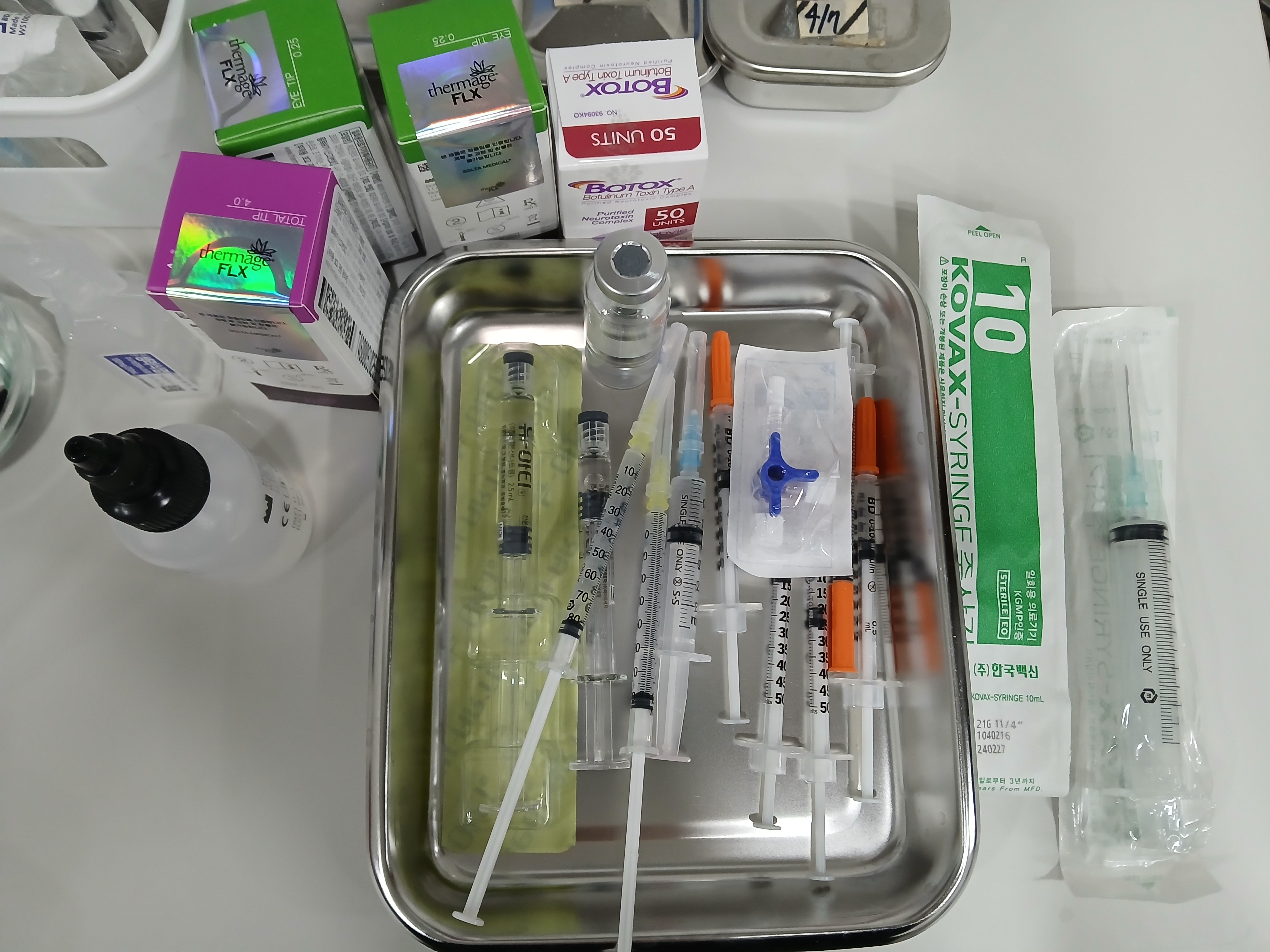
This guide explores the scientific principles, maintenance protocols, and comparative benefits of this popular treatment to help you sustain a youthful glow through 2026 and beyond.
Understanding Skin Botox: The Science of Intradermal Micro-Injections
Skin Botox is a refined aesthetic treatment utilizing micro-doses of botulinum toxin injected into the superficial layers of the skin to improve texture and tone. Unlike traditional injections, this method targets the dermis to influence pore size, sebum production, and fine lines while preserving the underlying muscular function for a natural appearance.
What is Skin Botox and How Does it Differ from Traditional Botox?
Skin Botox, often referred to as Dermatoxin or Meso-Botox, represents a sophisticated evolution in aesthetic medicine that focuses on the skin surface rather than the underlying muscles. While traditional injections target deep muscle layers to inhibit movement and soften expression lines, Skin Botox involves placing micro-doses of the toxin into the papillary dermis. This shallower approach, targeting the superficial dermal layer, allows for the relaxation of the fine arrector pili muscles and sweat glands without freezing facial expressions. By avoiding the deep muscular system, this technique helps maintain natural movement while significantly improving the external appearance of the skin. At Lunn Dermatology Clinic, I emphasize this distinction to patients seeking a refreshed look without the rigidity often associated with conventional treatments. This method provides a subtle glow and refined finish that bridges the gap between traditional neurotoxins and advanced skin rejuvenation therapies.
Targeting the Dermal Layer: Mechanisms for Pore Refinement and Texture Improvement
The primary mechanism of Skin Botox lies in its interaction with the superficial dermal structures, including the sebaceous glands and the tiny muscles responsible for pore contraction. When the toxin is injected at a shallow depth, it reduces the activity of these glands, leading to a visible decrease in oil production and a refinement of the skin texture. This process effectively minimizes the appearance of enlarged pores, which often contributes to a smoother and more polished skin surface within 3 to 7 days. Furthermore, the light tension created in the dermal layer can provide a subtle lifting effect, particularly around the jawline and mid-face. By focusing on a tailored injection pattern, we can achieve a highly customized result that addresses specific textural concerns. This targeted approach is ideal for individuals who struggle with persistent oiliness or uneven skin grain but do not require significant muscle paralysis.
The Physiology of Longevity: How the Body Processes Micro-Dosed Toxins
Understanding the physiology of longevity is essential for managing expectations regarding how the body metabolizes micro-dosed toxins over time. Once injected, the botulinum toxin binds to the nerve endings in the dermis, but because the dose is significantly lower than muscle-targeted treatments, the body begins the breakdown process based on individual metabolic rates. Generally, the effects of Skin Botox require regular maintenance based on an individual's unique response, as results can vary significantly. The toxin is gradually degraded by proteases in the tissue, and as new nerve endings sprout, the dermal functions, such as sweat and oil production, slowly return to their baseline. Factors such as high local temperature or intense physical activity can potentially accelerate this metabolic breakdown. At LUNN, we monitor these physiological changes to help patients understand why their skin might return to its natural state at different rates compared to their peers.
Maintaining the Glow: Strategies for Extending Longevity
Maintenance strategies for Skin Botox involve a combination of professional guidance and diligent at-home care designed to preserve the integrity of the dermal injections. By optimizing skin health and lifestyle habits, patients can potentially enjoy the refining effects of the treatment for a slightly extended period while ensuring skin health.
The Critical Role of Skincare Routines Post-Treatment
Following a Skin Botox session, the role of a consistent and supportive skincare routine cannot be overstated in preserving the glass-skin effect. Hydration is the cornerstone of post-treatment care, as well-hydrated skin maintains the structural integrity and smoothness achieved by the micro-injections. I recommend using products containing ceramides and hyaluronic acid to strengthen the skin barrier and prevent transepidermal water loss, which can make fine lines more apparent. It is also important to avoid harsh chemical exfoliants or retinoids for the first 48 to 72 hours to allow the injection sites to heal completely. Using a high-quality, broad-spectrum sunscreen is another vital step, as ultraviolet radiation can cause inflammation that may indirectly affect the longevity of the results. By focusing on these gentle yet effective skincare practices, patients at LUNN can support the aesthetic improvements and maintain a healthy, vibrant complexion throughout the entire duration of the treatment cycle.
Lifestyle Factors that Accelerate Toxin Metabolism
Several lifestyle factors play a significant role in how quickly the body processes the neurotoxin, which directly influences the longevity of Skin Botox results. High levels of physical activity and frequent exposure to high heat, such as in saunas or steam rooms, are known to increase local blood flow and metabolic activity, potentially shortening the effective lifespan of the toxin. During the first week following the procedure, I advise patients to moderate their exercise intensity to ensure the product remains concentrated in the target dermal layer. Additionally, systemic factors like stress and smoking can lead to oxidative damage that negatively impacts overall skin health and the duration of aesthetic enhancements. Maintaining a balanced diet rich in antioxidants and staying properly hydrated can provide the necessary environment for the skin to thrive post-treatment. Understanding these external influences allows patients to make informed choices that favor the sustained radiance and texture refinement they desire from their aesthetic sessions.
Professional Skincare Synergy: Combining Hydration with Micro-Botox
Professional skincare synergy involves combining Skin Botox with other advanced treatments like hyaluronic acid boosters or polynucleotides to enhance the overall result. At LUNN, we often find that layering hydration-focused boosters underneath the Skin Botox layer provides a more comprehensive rejuvenation. While the neurotoxin focuses on refining pores and smoothing the surface, PN-based boosters or specialized HA formulas work to improve the internal moisture levels and collagen production. This dual-layered approach not only extends the visible glow but also addresses the underlying health of the skin tissue. When these treatments are combined, the skin often appears more resilient and plump, which can help mask the gradual fading of the Botox effect. For more information on complementary therapies, you can read Skin Botox for Fine Lines and Pores to understand how different injection techniques work together to achieve harmony.
Personalized Intervals: When to Schedule Your Maintenance Session
Personalized intervals refer to the customized scheduling of follow-up treatments based on an individual's unique metabolic rate and skin response to the neurotoxin. Recognizing the subtle signs of wear allows for timely maintenance that prevents a total loss of the refined skin texture and prevents significant regression.
Standard Durations vs. Individual Metabolic Variation
While industry standards suggest personalized maintenance intervals, individual metabolic variation can lead to significant differences in real-world results. Some patients may notice a return of oiliness or larger pores earlier than others, while some might maintain a smooth finish for a longer duration. Factors such as age, genetic predisposition, and even the specific area of the face being treated can all influence these timelines. At LUNN, we prioritize a personalized assessment during follow-up visits to determine the most effective interval for each patient. By tracking how the skin responds over several sessions, we can develop a maintenance schedule that ensures the skin remains in its peak condition without over-treating. This tailored approach is particularly important for busy professionals in Cheongdam who require consistent results with minimal interruption to their daily lives and social commitments.
Signs Your Skin Botox is Wearing Off: Identifying the Tipping Point
The first signs that Skin Botox is beginning to wear off are often subtle, such as a slight increase in skin shine or a gradual return of visible pore texture. You might notice that your makeup does not sit as smoothly as it did in the weeks immediately following the treatment, or that fine, crepey lines begin to reappear around the eyes and cheeks. This tipping point occurs as the neurotoxin's blockade of the dermal glands and tiny muscles starts to weaken, allowing normal physiological functions to resume. Identifying these early indicators is key to scheduling a maintenance session before the skin reverts entirely to its pre-treatment state. I encourage patients to observe their skin's behavior in different lighting and environments to catch these changes early. Being proactive about maintenance allows for a more seamless transition between sessions and helps sustain the cumulative benefits of long-term dermal refinement and skin health.
Optimizing Intervals for Sustained Skin Elasticity and Radiance
Optimizing the timing of your Skin Botox sessions is essential for sustaining both skin elasticity and long-term radiance through 2026. Scheduling treatments too frequently can lead to a diminished response over time, while waiting too long can result in a noticeable loss of the desired aesthetic effect. A balanced interval, based on professional assessment, allows the skin to recover while maintaining the structural benefits of the micro-injections. During each session at LUNN, I re-evaluate the skin's thickness and elasticity to adjust the injection depth and dosage as needed. This iterative process ensures that the treatment remains effective as the skin ages or changes due to seasonal shifts. By maintaining a steady cycle of care, patients can achieve a sustained level of dermal refinement that feels natural and looks consistently refreshed. For further insights into personalized care, please refer to A Dermatologist's 2026 Guide to LUNN Dermatology Clinic Seoul to learn about our comprehensive approach to skin harmony.
Comparative Guide: Skin Botox vs. Traditional Muscle Botox vs. Skin Boosters
A comparative guide evaluates the specific differences in depth, application, and results between various injectable treatments to help patients make informed aesthetic choices. Understanding these distinctions is crucial for selecting the procedure that best aligns with your specific skin goals and desired recovery time.
| Feature | Skin Botox (Dermatoxin) | Traditional Muscle Botox | Skin Boosters (e.g., PN/HA) |
|---|---|---|---|
| Injection Depth | Superficial Dermis | Deep Muscle | Mid to Deep Dermis |
| Primary Goal | Pore refinement, oil control | Wrinkle reduction, muscle relaxation | Hydration, collagen repair |
| Typical Duration | Individualized Maintenance | 4 to 6 Months | Cumulative (Varies) |
| Key Outcome | "Glass skin," smooth texture | Softened expression lines | Plumpness, improved elasticity |
| Downtime | Minimal (a few hours) | Very Low | Low to Moderate (1-2 days) |
Maximizing Safety and Efficacy in Cheongdam-Style Aesthetic Care
Maximizing safety in aesthetic care involves adhering to clinical protocols that minimize adverse reactions while ensuring the highest standards of procedural integrity. Practitioner technique is the most significant factor in achieving a harmonious result that avoids common pitfalls and ensures patient satisfaction.
Risk Mitigation: Managing Redness and Temporary Swelling
While Skin Botox is generally considered a low-risk procedure, it is important to acknowledge and manage potential side effects such as temporary redness, minor swelling, or localized bruising at the injection sites. Most patients experience small, mosquito-bite-like bumps immediately after the treatment, which typically resolve within a few hours to a day as the product absorbs into the dermal tissue. At LUNN, we utilize ultra-fine needles and precise injection techniques to minimize trauma to the skin surface and reduce the likelihood of bruising. Applying a cool compress and avoiding blood-thinning supplements for a few days prior to the appointment can further mitigate these risks. It is also important to note that individual results may vary, and rare complications like temporary muscle weakness can occur if the toxin diffuses deeper than intended. By following strict clinical guidelines and providing thorough aftercare instructions, we ensure that every patient feels comfortable and safe throughout their aesthetic journey.
Why Practitioner Technique Defines Result Harmony and Duration
The success of Skin Botox is heavily dependent on the practitioner's ability to maintain a consistent injection depth and precise dosage across the treatment area. If the injections are too deep, they may inadvertently affect the underlying muscles, leading to an unnatural or stiff appearance. Conversely, if they are too shallow, the toxin may not effectively reach the target glands, resulting in a suboptimal pore refinement. At LUNN, I draw upon extensive clinical experience to tailor the injection pattern to the unique contours and thickness of each patient's skin. This attention to detail ensures that the result is harmonious with the patient's natural features and that the longevity of the treatment is maximized. A skilled practitioner also knows how to adjust the concentration of the neurotoxin to suit different skin types, ensuring that even sensitive skin can benefit from the treatment without undue irritation or prolonged recovery periods.
Navigating Limitations: Who Should Manage Expectations?
It is important for both practitioners and patients to navigate the limitations of Skin Botox to ensure realistic expectations and high satisfaction levels. While this treatment is excellent for surface refinement and oil control, it is not a substitute for surgical lifting or deep filler injections in cases of significant volume loss or severe sagging. Patients with very thick, cystic acne-prone skin or those with certain neuromuscular disorders may need to explore alternative or adjunctive therapies to achieve their desired outcomes. Managing expectations also involves understanding that Skin Botox requires regular maintenance to sustain its effects, as it is not a permanent solution for skin texture issues. During the initial consultation at LUNN, I provide a transparent assessment of what the treatment can and cannot achieve for each individual. By fostering open communication and providing evidence-based advice, we help our patients make informed decisions that prioritize their long-term skin health and aesthetic goals over temporary trends.
Key Takeaways
- Dermal Focus: Skin Botox targets the superficial dermis to refine pores and control oil without freezing facial expressions.
- Longevity: Results require regular maintenance, with peak effects visible around 2 weeks post-treatment depending on individual metabolism.
- Maintenance: Results are supported by avoiding high heat, maintaining hydration, and following a consistent skincare routine.
- Safety First: Common side effects like redness and minor swelling are temporary, but practitioner technique is vital to avoid deep muscle diffusion.
- Synergy: Combining Skin Botox with PN-based boosters can enhance the glass-skin effect and improve overall skin resilience.
Frequently Asked Questions
Q. What is the typical duration of Skin Botox results?
Results from Skin Botox vary by individual metabolism and skin type, requiring regular maintenance sessions to sustain the refined pore appearance and skin texture, as the effects are not permanent.
Q. Does Skin Botox require any downtime after the procedure?
Most patients experience minimal downtime, with slight redness or small bumps at injection sites that typically resolve within a few hours to a day. It is a suitable procedure for those who need to return to their activities quickly.
Q. Are there any side effects I should be aware of?
Common side effects include temporary redness, minor swelling, or localized bruising at the micro-injection points. In rare cases, slight muscle weakness may occur if the toxin diffuses, which is why the precise intradermal injection technique used at LUNN is vital for safety.
Q. Can I combine Skin Botox with other skin boosters?
Yes, combining Skin Botox with PN or HA-based boosters can enhance hydration and longevity. This synergy addresses both surface texture and deep skin health, though a personalized consultation is necessary to ensure the skin is not over-stressed.
Q. How soon will I see visible improvements in my skin texture?
Initial changes in oil production and pore tightness often appear within 3 to 7 days after the procedure. The full skin-smoothing effects usually peak at approximately 2 weeks post-treatment, providing a radiant and refined appearance.
Q. What should I avoid to make my Skin Botox last longer?
It is advisable to avoid excessive heat exposure, such as saunas or intense exercise, for the first week to prevent accelerated metabolism of the toxin in the dermal layer.
Q. Is Skin Botox painful compared to regular wrinkle injections?
Since Skin Botox uses very fine needles at a shallow depth, most patients find the sensation manageable. Topical numbing cream is applied at LUNN to ensure a comfortable experience for every patient.
Lunn Dermatology Clinic / Dr. Hyungkwon Park
FAQ
- What is the typical duration of Skin Botox results?
- Generally, Skin Botox lasts between 3 to 4 months. However, results vary by individual metabolism and skin type. Regular maintenance sessions are recommended to sustain the refined pore appearance and skin texture, as the effects are not permanent.
- Does Skin Botox require any downtime after the procedure?
- Most patients experience minimal downtime, with slight redness or small bumps at injection sites that typically resolve within a few hours to a day. It is a suitable lunch-time procedure for busy professionals who need to return to their activities quickly without significant visible recovery.
- Are there any side effects I should be aware of?
- Common side effects include temporary redness, minor swelling, or localized bruising at the micro-injection points. In rare cases, slight muscle weakness may occur if the toxin diffuses, which is why the precise intradermal injection technique used at lunnclinic is vital for safety.
- Can I combine Skin Botox with other skin boosters like Rejuran?
- Yes, combining Skin Botox with PN or HA-based boosters can enhance hydration and longevity. This synergy addresses both surface texture and deep skin health, though a personalized consultation is necessary to ensure the layers of the skin are not over-stressed.
- How soon will I see visible improvements in my skin texture?
- Initial changes in oil production and pore tightness often appear within 3 to 7 days after the procedure. The full skin-smoothing effects usually peak at approximately 2 weeks post-treatment, providing a radiant and refined appearance that lasts for several months.
- What should I avoid to make my Skin Botox last longer?
- It is advisable to avoid excessive heat exposure, such as saunas or intense exercise, for the first week to prevent accelerated metabolism of the toxin. High-intensity heat can potentially speed up the metabolic breakdown of the neurotoxin in the dermal layer.
- Is Skin Botox painful compared to regular wrinkle injections?
- Since Skin Botox uses very fine needles at a shallow depth, most patients find the sensation quite manageable and less intense than deeper injections. Topical numbing cream is applied at lunnclinic to ensure the most comfortable experience possible for every patient.