
Post
Erasing Shadows: Why Low-Hydrophilicity HA Fillers Excel for Under-Eyes
Introduction
Hello, I am Dr. Hyung-kwon Park, a dermatologist and the director of LUNN Dermatology Clinic in Cheongdam/Apgujeong Rodeo. At LUNN, our core philosophy is "Refining the Details, Achieving Perfect Harmony."
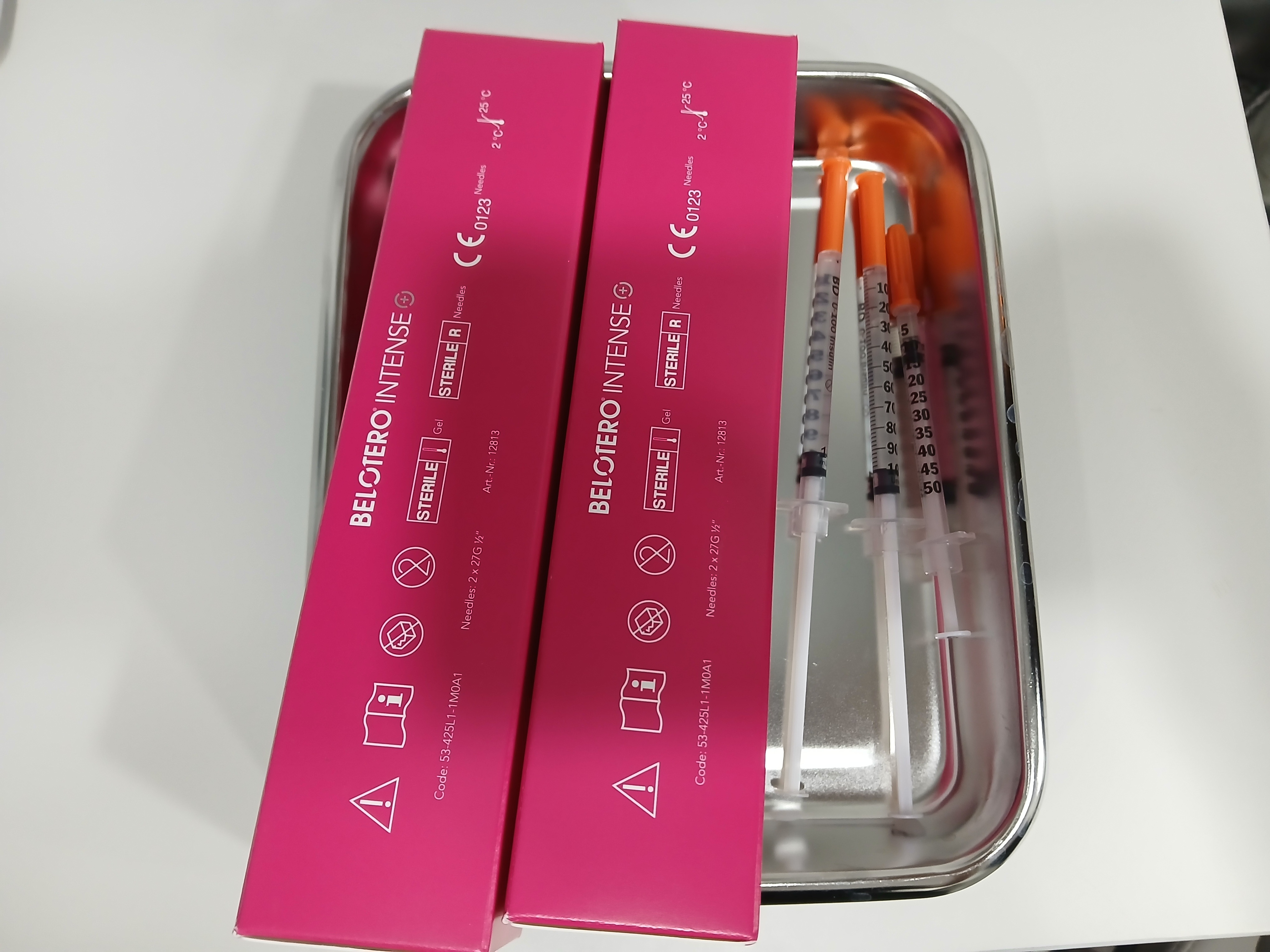
This approach is perhaps most critical when treating the under-eye area, where a single millimeter can drastically alter one's expression. Many patients come to me asking about the difference between collagen stimulators and hyaluronic acid (HA) fillers. While both aim to address hollowing, their mechanisms and safety profiles in this delicate region differ significantly.
In this guide, I will explain why I prioritize a "shadow erasing" strategy using specific HA fillers over particle-based biostimulators. My goal is to help you move beyond marketing slogans and understand the clinical logic required for natural results. Please remember that individual responses vary, and while these treatments are effective, potential side effects such as temporary swelling, bruising, or redness can occur. True expertise lies not just in the device, but in the physician's eye for detail.
What Are Collagen Stimulators and Hyaluronic Acid Fillers?
Choosing the right injectable for the under-eye area requires matching the product's physical properties to the patient's unique anatomy. Collagen stimulators and HA fillers represent two distinct categories of treatment. One relies on triggering a biological response over several months, while the other provides immediate structural support through a biocompatible gel. Understanding these differences is the first step in a personalized treatment plan.
Defining Collagen Stimulators: Mechanism and Clinical Considerations
Collagen stimulators are designed to provoke a controlled response in the skin, prompting fibroblasts to lay down new structural scaffolding over time. While agents like poly-L-lactic acid (PLLA) or calcium hydroxylapatite (CaHA) are used in various body areas, they require cautious consideration for the under-eye. Because these products work through the formation of new tissue, the results are gradual and accumulate over multiple sessions.
In my clinical experience, the primary appeal of biostimulation is long-term dermal thickening. However, the under-eye skin is exceptionally thin and mobile, which increases the risk of visible nodules or irregularities when using particle-based stimulators. Unlike HA fillers, these agents cannot be easily dissolved if an unfavorable result occurs. Therefore, while they are a tool in the dermatological toolkit, I reserve them for very specific cases where skin thickness and patient history allow for a safe, predictable outcome. For most patients seeking under-eye rejuvenation, I find other methods offer higher precision.
Defining Hyaluronic Acid Fillers: The Choice for Precision at LUNN
Hyaluronic acid (HA) fillers are cross-linked gels composed of a naturally occurring sugar molecule that binds water to provide volume. The most significant advantage of HA in the periorbital region is its predictability and reversibility. If a correction is needed, an enzyme called hyaluronidase can dissolve the gel, providing a safety net that is essential in such a visible area.
At LUNN, I specifically select "low-hydrophilicity" HA fillers, such as Belotero. These formulations are designed to attract less water after injection compared to traditional fillers. This is crucial because the under-eye has slow lymphatic drainage; a filler that draws too much water can lead to chronic puffiness or the "Tyndall effect"—a bluish hue visible through thin skin. By using products that integrate seamlessly into the tissue without excessive swelling, we achieve a natural look that mimics the skin's own structure. It is like repairing a home by matching the original materials perfectly rather than just applying a thick layer of wallpaper.
Why the Under-Eye Area Demands a "Shadow Erasing" Approach
Under-eye concerns are rarely just about volume loss. Most "dark circles" are actually shadows created by the tear trough ligament pulling on the skin, combined with thin skin revealing underlying vasculature. I call my approach "shadow erasing" because we aim to smooth the transition between the eye and the cheek, neutralizing the structural indentations that catch the light poorly.
An important insight from my clinical practice is that even pigmented or vascular dark circles—often thought to be untreatable by fillers—can show significant improvement. By strategically placing filler, we can improve the deep dermal environment, which often reduces the visibility of underlying vessels and brightens the overall tone. Many patients find that simply brightening this area makes them look five years younger and significantly less tired. Rather than looking for a "best" product, I focus on the anatomical cause: is it a mountain-and-valley problem (structure) or a surface problem (pigment)? Often, it is a combination that requires a refined, multi-layered plan.
How They Work Under the Eyes: A Comparative Breakdown
The choice between biostimulation and immediate filling often comes down to the patient’s timeline and the specific nature of their skin laxity. Neither is universally superior, but they serve different roles in structural restoration. At LUNN, I believe in being honest about what each can achieve.
Collagen Stimulators: Biostimulation and Gradual Change
Collagen stimulators act as a signal to the body to begin a remodeling process. This is a marathon, not a sprint. The injected material acts as a scaffold, and over weeks and months, the skin builds its own support. This can be beneficial for improving general skin quality, but it does not provide the immediate "lift" required to correct a deep tear trough. Because the under-eye is constantly in motion due to blinking and expressions, ensuring an even distribution of these particles is a high-stakes task for any clinician.
Hyaluronic Acid Fillers: Immediate Volume and Dermal Support
In contrast, HA fillers provide structural support the moment they are placed. This allows for real-time adjustments during the procedure to ensure perfect symmetry. For a patient who wants to look refreshed before a major event or who simply prefers a predictable result, HA is the gold standard. Furthermore, the hydrating properties of HA can improve the texture of the thin lower eyelid skin. At LUNN, I emphasize a conservative approach—it is always better to under-fill slightly and add more later than to over-fill and lose the natural contour of the face.
Comparison Table: Onset, Duration, and Safety Profiles
| Feature | Collagen Stimulators | Hyaluronic Acid Fillers (LUNN Choice) |
|---|---|---|
| Onset of Results | Gradual (months) | Immediate |
| Primary Product (LUNN) | Selected Cases Only | Low-hydrophilicity HA (e.g., Belotero) |
| Reversibility | Extremely difficult | Fully reversible with hyaluronidase |
| Swelling Risk | Variable/Inflammatory | Minimized (Low-hydrophilic) |
| Typical Duration | 1–2 years | 6–12 months (variable) |
| Best For | Overall skin thickening | Precise shadow erasing & tear troughs |
| Clinical Focus | Biological remodeling | Structural harmony & detail |
Pros and Cons for the Under-Eye Region
Every clinical decision involves a trade-off. Transparency regarding these pros and cons is what builds trust between a dermatologist and a patient. My goal is to ensure you feel confident and informed before any treatment begins.
Advantages of Precision Filling at LUNN
The primary advantage of our approach at LUNN is the focus on "Refining the Details." By using low-hydrophilicity fillers, we avoid the heavy, puffy look that often plagues under-eye treatments. This allows for a result that is invisible to the casual observer—friends might tell you that you look well-rested, but they won't know you had a procedure. Additionally, the safety of having a reversible product cannot be overstated in a region as sensitive as the eye.
Limitations and Risk Management
No procedure is without limitations. HA fillers are temporary, meaning maintenance sessions are required to sustain the results. There are also rare but serious risks, such as vascular occlusion, which is why choosing a board-certified dermatologist who understands periorbital anatomy is non-negotiable. I personally perform every step of the process—from the initial anatomical analysis to the final injection—to ensure that we account for your muscle thickness, fat distribution, and bone structure.
Frequently Asked Questions
Q. Why does LUNN focus on low-hydrophilicity HA fillers for the eyes?
I choose low-hydrophilicity fillers like Belotero because they don't pull excessive water into the area. This prevents the "sausage-like" swelling or the bluish Tyndall effect that can occur with high-hydrophilic products. For the delicate under-eye, less water retention means a more natural, stable result.
Q. Can fillers really help with dark circles that are not caused by hollowing?
Yes. While fillers primarily address structural shadows (tear troughs), my clinical experience shows that they also improve the "deep dermal environment." This can help mask visible blood vessels and improve skin quality, leading to a brighter appearance even in vascular or pigmented cases.
Q. Is the procedure painful?
Most patients find it very manageable. We use a combination of topical numbing and fillers that contain lidocaine to ensure comfort. Because I focus on a gentle technique, downtime is typically minimal, though some bruising can occur.
Q. How long do the results last?
Typically, under-eye HA fillers last between 6 to 12 months. This varies based on your metabolism and the specific product used. We aim for a natural look that ages gracefully with your face rather than a permanent change that might look out of place later.
Q. What is the most important factor for a successful under-eye treatment?
It is the "state analysis." Before I even pick up a needle, I touch and examine the muscle thickness, skin laxity, and fat levels of your under-eye. As I often say, a good camera doesn't make a masterpiece—the eye of the photographer does. The same applies to fillers.
Key Takeaways
- Shadow Erasing: Dark circles are often structural shadows caused by ligaments; filling these "valleys" brightens the entire face.
- Product Choice: LUNN uses low-hydrophilicity HA fillers to minimize the risk of puffiness and the Tyndall effect.
- Dermal Improvement: Fillers can improve the appearance of vascular/pigmented dark circles by enhancing the skin's internal environment.
- Safety First: HA fillers are reversible, providing a critical safety margin in the delicate periorbital area.
- Detail & Harmony: Dr. Park provides 1-on-1 personalized design, ensuring results that look natural and balanced.
If you are tired of looking tired, a detailed anatomical consultation is the first step. At LUNN, we don't just fill; we refine. You can learn more through a private dermatology consultation in Seoul or follow our latest cases on Threads @dr.lunn.
LUNN Dermatology Clinic / Dr. Hyung-kwon Park
FAQ
- What is the main difference between collagen stimulators and hyaluronic acid fillers for the under-eye area?
- Collagen stimulators work by gradually prompting the skin to produce more of its own collagen over weeks to months, while hyaluronic acid fillers provide immediate volume and hydration by binding water. Collagen stimulators are biostimulatory and slower-acting, whereas HA fillers offer instant correction but are temporary and reversible. The right choice depends on whether the primary issue is tissue quality or volume loss.
- Are collagen stimulators safer than hyaluronic acid fillers under the eyes?
- Neither option is risk-free. Hyaluronic acid fillers are generally considered more manageable because they can be dissolved with hyaluronidase and have a long-established safety record, though vascular occlusion remains a rare serious risk. Collagen stimulators carry risks including nodules, granulomas, and delayed reactions, and they are not easily reversed. The under-eye area is delicate, so the decision should be made with a qualified clinician who can assess your anatomy and risk factors.
- How long do results last for each type?
- Hyaluronic acid fillers typically last about 6 to 12 months, depending on the product and individual metabolism. Collagen stimulators may produce results lasting 1 to 2 years or longer, but the effect develops gradually over several months. Longevity varies by patient, product, and injection technique, so no single timeline applies universally.
- Is the procedure painful?
- Most patients report mild discomfort during injection. Hyaluronic acid fillers often contain lidocaine to reduce pain, and topical numbing cream is commonly applied beforehand. Collagen stimulators may cause somewhat more discomfort because of the volume injected and the tissue response involved. Your clinician can discuss pain management options suited to your treatment plan.
- What are the common side effects and risks?
- Common effects for both categories include swelling, redness, bruising, and tenderness at the injection site, usually resolving within a week, though under-eye swelling can linger longer. Hyaluronic acid fillers can rarely cause vascular occlusion, which requires immediate treatment, and may produce the Tyndall effect or malar edema. Collagen stimulators may cause nodules, granulomas, or persistent swelling. Serious complications are uncommon but possible, which is why treatment should be performed by an experienced professional.
- Can collagen stimulators be used if I have had hyaluronic acid fillers before?
- Yes, but timing and sequencing matter. Collagen stimulators can be used after HA fillers have dissolved or in combination with them, but a clinician should review your treatment history first. If you have had recent HA filler, you may need to wait until it settles or resolves, and combining treatments requires careful planning to avoid overcorrection and complications.
- Which option is better for dark circles under the eyes?
- It depends on what is causing the darkness. If volume loss is the primary issue, hyaluronic acid fillers can provide immediate improvement. If skin thinning and collagen loss contribute, collagen stimulators may help improve skin quality over time. Dark circles often involve pigmentation and vascular factors as well, so a proper evaluation is essential before choosing a treatment.
- How much do these treatments cost?
- Costs vary widely by geographic location, clinician expertise, product used, and the number of sessions required. Collagen stimulators often require multiple sessions, which can increase total cost, while hyaluronic acid fillers are typically priced per syringe. A consultation at lunnclinic can provide an individualized estimate based on your plan.
- What should I expect during recovery?
- Most patients can return to normal activities immediately, but swelling and bruising may last a few days to a week, and under-eye swelling can persist longer. Collagen stimulators may cause more prolonged swelling or nodules in some cases. Your clinician will provide specific aftercare instructions, including guidance on exercise, sun exposure, and follow-up timing.
- Are there alternatives if I do not want injectables?
- Yes. Depending on the cause of under-eye concerns, options may include topical regimens, laser or energy-based treatments, and other approaches targeting pigment or skin quality. A diagnostic consultation helps determine whether injectables are appropriate at all. lunnclinic approaches each case by identifying the dominant component first, whether hollowing, pigment, or vascular visibility.