
Post
Private Dermatology Consultation Seoul 2026: A LUNN Guide to One-on-One Skin Care
What Is a Private Dermatology Consultation in Seoul?
Hello, I am Dr. Park Hyung-kwon, a dermatologist at LUNN in Cheongdam/Apgujeong Rodeo.
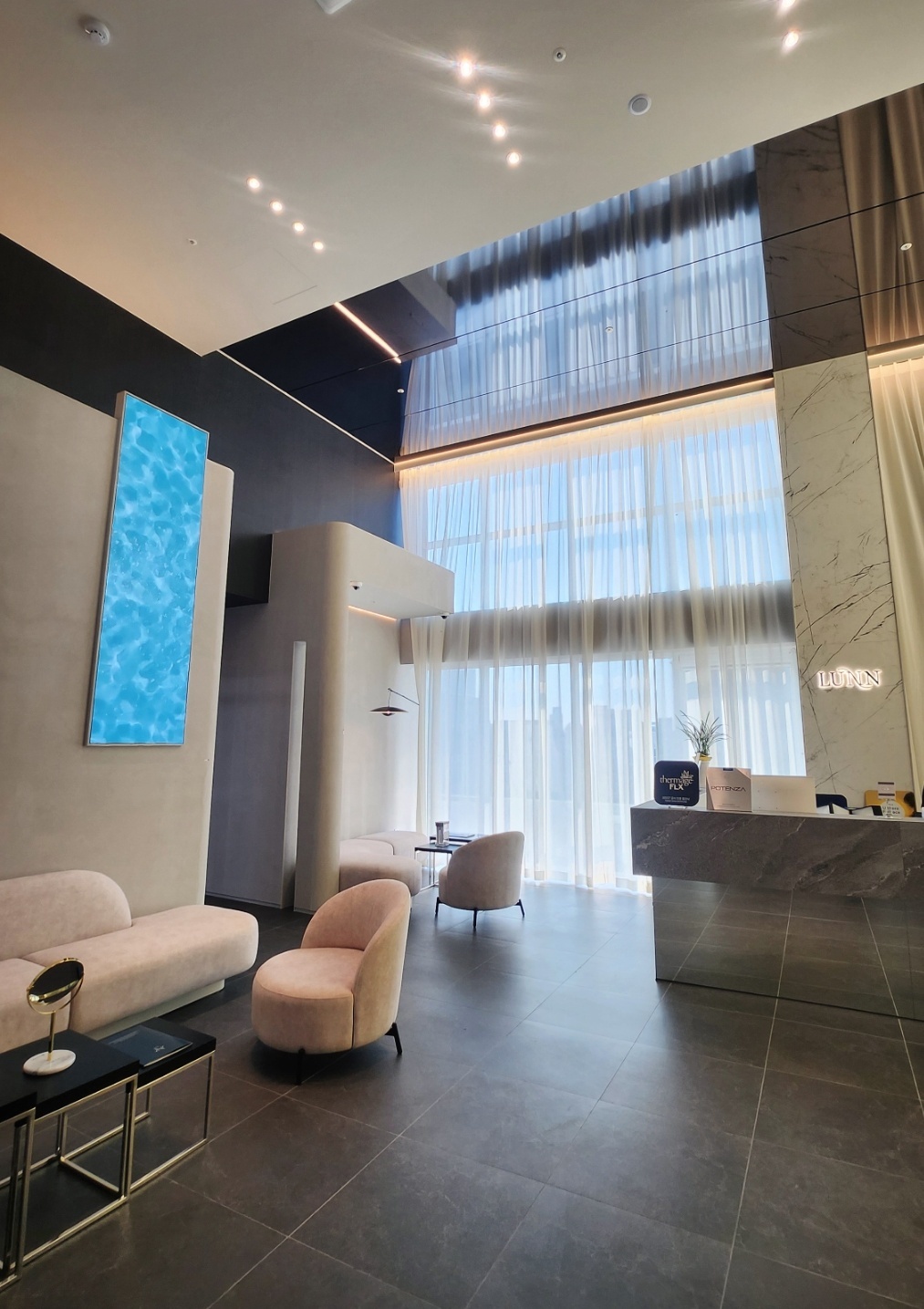
A private dermatology consultation in Seoul is a one-on-one appointment in which I review your skin history, concerns, and goals in detail before proposing any treatment. The value lies in continuity: the same physician who assesses you stays involved in planning and follow-up, so decisions are made with your full context in view.
At LUNN, I personally conduct each consultation and build an individualized plan rather than applying a fixed protocol. This guide explains what that visit looks like, how to compare options, and which questions to ask before committing to any procedure in the Cheongdam and Apgujeong Rodeo area.
Defining the Private Consultation Model
A private consultation model centers on dedicated time with a dermatologist rather than a brief intake followed by a standardized package. The visit typically covers a structured skin analysis, a review of prior treatments and medications, and a discussion of what is realistically achievable.
In Seoul's high-volume aesthetic market, appointment formats vary widely. Some clinics allocate only a few minutes of physician time before handing treatment to staff. A private model reverses that ratio: assessment, planning, and consent take priority, and treatment follows only once the plan is understood.
I frame this approach around detail and harmony. Small differences in assessment, such as how sensitivity or barrier function is read, can change which modality and settings are appropriate. A dedicated visit creates room to notice those differences rather than rush past them.
My One-on-One Approach to Dermatology
I organize my practice around dedicated physician time rather than high-volume throughput. While some environments focus on repeating device protocols, I believe in leaving room for nuance when skin is reactive, previously treated, or showing mixed concerns.
At LUNN, I personally write and review every plan, operating as a physician-led clinic rather than one driven by fixed protocols. The practical difference appears in three places: the time I allocate for history taking, my willingness to decline or postpone treatment if it is not in the patient's best interest, and aftercare instructions I tailor specifically to your skin. Please note that individual results may vary, and potential side effects like redness or swelling can occur depending on the procedure.
This is not a claim that one format suits every patient. Busy schedules and straightforward concerns may fit a shorter visit. The point is informed choice, so ask how much physician time is included before you book anywhere.
Who Benefits Most from a Dedicated Dermatologist Consultation
A dedicated consultation tends to matter most for people with complex or layered concerns. Examples include melasma that has darkened after prior laser sessions, skin that reacts to common products, or a history of multiple lifting devices with unclear cumulative effect.
It also suits patients who travel to Seoul specifically for care and need a coherent plan compressed into a short window. International visitors may find value in inquiring about language support options during the booking process to ensure the details of the plan are fully understood and clearly documented.
Finally, first-time patients with no prior aesthetic history benefit from a baseline assessment. Knowing your skin type, barrier status, and pigment behavior before the first procedure makes later decisions safer and easier to interpret. Individual needs differ, and the consultation is where those differences surface.
What to Expect During Your Consultation at LUNN
A consultation at LUNN is structured as a sequence: analysis and history first, a layered plan second, and an honest discussion of limits third. No procedure is proposed until those steps are complete, which keeps the recommendation tied to your skin rather than to a menu.
Visitors should expect questions about past treatments, current products, medications, and general health. These details influence device selection and settings, so answering fully is part of the process rather than a formality.
The First Visit: Skin Analysis and History Review
The first visit begins with a structured skin analysis and a detailed history review. The dermatologist examines pigmentation patterns, texture, pore size, barrier condition, and signs of sensitivity, then asks about prior lasers, injectables, and topical actives.
Medication history matters as well. Some prescription drugs increase photosensitivity, and recent isotretinoin use can affect how skin responds to resurfacing. Disclosing these details helps avoid predictable irritation.
At LUNN, I conduct the review personally rather than delegating it. That continuity means the person assessing your skin is the same person shaping the plan. If anything is unclear, this is the moment to ask, before any device is switched on.
Building a Layered Treatment Plan Together
A layered plan sequences interventions by priority instead of stacking everything at once. Pigment control may come before resurfacing, or barrier recovery before lifting, depending on what the analysis shows. Sequencing reduces the chance of overlapping irritation.
I describe this as refining details toward harmony: each step addresses a specific layer of the concern, and later sessions build on earlier results. The plan is discussed with you, not presented as fixed, and adjustments are expected as skin responds.
Ask for the rationale behind each step. A clear explanation of why one modality comes first is a reasonable expectation, and it helps you judge progress over time. Some concerns require multiple sessions, so the plan should state that openly.
Setting Realistic Expectations and Discussing Limitations
Realistic expectations are set during the consultation, not after treatment. Skin changes gradually, and concerns such as melasma or deep texture often need repeated sessions plus maintenance. The dermatologist should state this plainly.
Possible reactions belong in the same conversation. Redness, mild swelling, and occasional short-term pigment change are commonly described, while less common risks such as infection exist and warrant mention. Individual variation means results differ between patients with similar concerns.
A plan that promises certainty deserves scrutiny. A credible consultation explains what is likely, what is uncertain, and what would prompt a change of approach. That balance is central to how I frame each visit.
Understanding the Private Consultation Model
Choosing the right consultation format depends on your specific concerns, schedule, and the level of physician input you require. My goal is to provide a structured environment where we can discuss your skin health in depth.
My Focus: Time, Continuity, and Personalization
In my practice, I prioritize extended, structured assessments to ensure I have a full understanding of your skin's history. This continuity means that as your dermatologist, I am the one who both plans and reviews your progress. I focus on creating plans sequenced specifically to your skin's needs and providing personalized guidance for aftercare. This approach is particularly beneficial for those with layered or sensitive concerns, though it is important to remember that clinical outcomes depend on individual skin characteristics and adherence to post-treatment care.
Neither column is inherently better. A simple request may be handled well in a shorter format, while complex skin benefits from more physician time. The useful question is which format matches your concern today.
Advantages and Trade-offs of Private Care
Private care offers continuity and depth. The dermatologist who assesses you also plans your treatment, and aftercare is tailored rather than generic. For patients with prior complications or sensitive skin, that continuity can reduce trial and error.
Trade-offs exist. Extended consultations require more scheduling lead time, and physician-led care may involve different cost structures than package pricing. Some patients with simple goals may find the format more than they need.
At LUNN, this choice is deliberate: I allocate significant time to assessment because I believe detail influences outcomes. Weigh that against your schedule and expectations rather than assuming more time is always necessary.
Cost Considerations and How to Think About Value
Costs for consultation and treatment vary with the concern addressed and the plan developed during the visit. Because pricing depends on your specific situation, contact LUNN directly so my team can explain relevant fees before you book.
Value is better judged by fit than by headline price. A plan that avoids unnecessary sessions, or that prevents predictable irritation, may matter more than a lower initial quote. Ask what is included, how many sessions are typically needed, and how aftercare is handled.
For related reading on structuring a full program, see Signature Synergy Programs: A 2026 Dermatologist's Guide to Clinical Skin Renewal and A 2026 Guide to Choosing a Korean Dermatologist-Led Skin Clinic.
Popular Concerns Addressed in Seoul Private Consultations
Most private consultations in Seoul center on a small set of concerns: pigment and texture, firmness and lifting, and sensitivity. Each requires a different assessment emphasis, which is why the consultation precedes device selection.
Below are the concerns I most often discuss at LUNN, along with the questions worth raising during your visit.
Pigmentation, Texture, and Pore Refinement
Pigmentation and texture are usually assessed together because the same skin often shows both. Melasma, post-inflammatory marks, and sun-related pigment respond differently, and mistaking one for another can lead to disappointing sessions.
Texture and pore concerns involve the surface layer and sebaceous activity. Resurfacing options may be discussed, but settings depend on barrier condition and recent sun exposure. Aggressive settings on compromised skin can trigger rebound pigment change.
I approach this by sequencing: pigment control and barrier support often precede intensive resurfacing. Expect a conversation about sun protection and maintenance, since pigment concerns commonly recur without ongoing care. For a deeper look, see Pigmentation and Dark Circle Management: A Dermatologist's Guide to Refining the Details.
Lifting and Firmness: Choosing the Right Modality
Lifting conversations begin with anatomy, not devices. Skin thickness, subcutaneous volume, and the direction of laxity determine whether energy-based tightening, injectable support, or a combination is reasonable.
Modalities differ in depth and mechanism. Ultrasound-based tightening targets deeper layers, radiofrequency devices work at varying depths, and thread-based approaches address mechanical support. Each has a role, and each has limits.
Honest planning avoids stacking multiple lifting sessions in one visit without rationale. Some patients need staged treatment, and some see limited change due to individual tissue response. Ask why a specific modality fits your anatomy, and what alternatives exist.
Sensitive and Reactive Skin: A Cautious, Balanced Approach
Sensitive skin changes the order of operations. When barrier function is impaired, the priority is calming and repairing before any resurfacing or energy device is considered. Skipping that step risks prolonged redness and discomfort.
Assessment focuses on triggers: products, climate, prior procedures, and underlying conditions such as rosacea. The plan may begin with topical support and gentle options, adding active treatment only once skin is stable.
At LUNN, I frame this caution as part of my detail-oriented approach rather than a delay. Patients should expect a slower start and clear criteria for progressing. Individual response varies, and patience is often part of the plan.
Safety, Side Effects, and Informed Consent
Safety begins with informed consent: understanding what a procedure involves, what reactions are expected, and what would require follow-up. Consent is a conversation, not a signature collected at the door.
At LUNN, I make this discussion part of the consultation itself, so decisions are made with adequate information rather than under time pressure.
Common and Uncommon Reactions to Know Before Treatment
Common reactions include redness, mild swelling, and temporary sensitivity, typically resolving over days. Short-term pigment change can occur after resurfacing, especially with early sun exposure.
Less common risks include infection, scarring, and recurrence of the original concern. These are uncommon but should be stated plainly rather than omitted. Patients with a history of cold sores may need preventive measures before certain procedures.
Knowing these possibilities in advance helps you recognize what is normal and what warrants a call to the clinic. Ask who to contact after hours and how follow-up is arranged.
Why Individual Variation Means Results Differ
Individual variation is not a disclaimer but a clinical reality. Age, skin thickness, hormonal factors, sun exposure, and adherence to aftercare all influence outcomes. Two patients with similar concerns can respond differently to the same settings.
This is why follow-up matters. A plan reviewed after the first session can be adjusted before the second, rather than repeating an approach that did not suit your skin. Maintenance schedules also differ, particularly for pigment concerns.
No consultation can guarantee a specific outcome. What it can do is improve the odds of an appropriate, well-matched plan. I state these limitations openly during the visit.
Questions to Ask Before Any Procedure
Useful questions include: which modality is proposed and why, how many sessions are typical, what reactions are expected, and what aftercare is required. Ask also who performs the procedure and who handles follow-up.
Inquire about timing relative to travel or events. Some treatments leave visible redness for days, which matters if you have commitments soon after. Ask whether a test session or conservative setting is reasonable for your first visit.
Finally, ask what would prompt a change of plan. A clinic willing to describe its decision points is signaling a measured approach. For more on sequencing, see A Dermatologist's 2026 Guide to Customized Lifting Synergy Programs: Refining Structural Harmony.
How to Choose a Private Dermatology Clinic in Seoul
Choosing a clinic means comparing structure, not slogans. Look at who consults, who treats, how plans are documented, and how follow-up works. Those structural details predict the experience more reliably than marketing claims.
Seoul offers many options, and the right fit depends on your concern and preferred level of physician involvement.
Credentials, Continuity of Care, and Communication
Ask whether the dermatologist who consults also performs or supervises the procedure. Continuity reduces the chance that important history is lost between visits. Personalized plans and clear aftercare guidance support that continuity.
Communication matters equally, especially for international patients. Confirm available language support options and whether instructions can be provided clearly in your preferred language. Ask how questions are handled between visits.
LUNN is physician-led, and I am personally involved in every consultation and planning stage. Verify such claims by asking direct questions about scheduling and supervision rather than relying on descriptions alone.
Location and Access in Cheongdam and Apgujeong
LUNN is located in the Cheongdam and Apgujeong Rodeo area of Gangnam-gu, Seoul. The district is easily reached by taxi and subway, and my team can advise on directions and appointment availability when you contact us.
Allow extra time for your first visit, since consultation and any same-day treatment can extend the appointment. If you are traveling, confirm timing relative to your flight and any events.
Red Flags to Watch For When Comparing Clinics
Red flags include pressure to decide immediately, refusal to discuss risks, and vague answers about who performs the procedure. Promises of certain outcomes and dismissal of your questions are also warning signs.
Another concern is a plan that never changes regardless of your history. Skin is variable, and a fixed protocol applied without assessment suggests limited individualization.
Take notes and compare clinics on the same criteria: physician time, documentation, follow-up, and willingness to discuss limitations. A clinic comfortable with these questions is usually a clinic comfortable with nuance.
Key Takeaways
- A private dermatology consultation in Seoul centers on dedicated physician time, history review, and a plan built around your skin rather than a fixed protocol.
- At LUNN, I personally conduct consultations and shape layered plans that sequence concerns by priority.
- Realistic expectations and possible reactions, including redness, swelling, and pigment change, belong in the consultation conversation.
- Individual variation means results differ, and some concerns require multiple sessions or maintenance care.
- Compare clinics on physician continuity, documentation, follow-up, and honest discussion of limitations rather than on marketing claims.
To arrange a consultation, contact LUNN in Cheongdam, Seoul, and my team can guide you through appointment availability and next steps. I also share clinical notes on Threads at @dr.lunn. LUNN Dermatology Clinic / Dr. Park Hyung-kwon.
Frequently Asked Questions
Q. What is a private dermatology consultation in Seoul?
A private dermatology consultation is a one-on-one appointment in which your skin history, concerns, and goals are reviewed in detail before any treatment is proposed. At LUNN, I personally conduct each consultation and build an individualized plan rather than applying a fixed protocol. Please note that results vary by individual.
Q. How much does a private consultation cost at LUNN?
Consultation and treatment costs vary depending on the concern being addressed and the plan developed during your visit. Because pricing depends on your specific situation, contact the clinic directly so the team can explain the relevant fees before you book.
Q. How long does a first consultation take?
A first consultation is structured to allow enough time for skin analysis, a review of your history and prior treatments, and a discussion of realistic expectations. The exact length depends on the complexity of your concerns, but the aim is to avoid a rushed visit.
Q. Is a private consultation necessary before laser or lifting treatment?
A consultation before treatment is strongly advisable. Skin type, sensitivity, prior procedures, and medication history all influence which modality and settings are appropriate. Skipping this step can increase the risk of irritation, pigment changes, or disappointing results.
Q. What side effects should I be aware of before treatment?
Common and generally temporary reactions include redness, mild swelling, and occasional short-term pigment changes. Less common risks such as infection or recurrence of the original concern exist and should be discussed openly. Individual response varies, and some concerns may require multiple sessions or maintenance treatment.
Q. Can I combine a consultation with treatment on the same day if I need language support?
In many cases, a consultation can be followed by treatment on the same day if the plan is clear and your skin is suitable. If you require language support, please inquire about availability when booking to ensure a clear discussion of your plan before proceeding.
Q. How do I know whether a clinic offers genuine private care?
Look for continuity: the dermatologist who consults with you should also perform or directly supervise the procedure. Ask how much time is allocated for consultation, whether a personalized plan is provided, and how aftercare and follow-up are handled. Clear answers to these questions are a good sign.
Q. Where is LUNN located?
LUNN is located in the Cheongdam and Apgujeong Rodeo area of Gangnam-gu, Seoul. My team can advise on directions and appointment availability when you contact us to arrange a consultation.
Q. Does a private consultation guarantee better results?
No consultation can guarantee a specific outcome. A private consultation improves the odds of an appropriate, well-matched plan, but results depend on individual skin characteristics, the concern being treated, and adherence to aftercare. Dr. Park discusses these limits honestly during the visit.
FAQ
- What is a private dermatology consultation in Seoul?
- A private dermatology consultation is a one-on-one appointment in which your skin history, concerns, and goals are reviewed in detail before any treatment is proposed. At lunnclinic, Dr. Park Hyung-kwon personally conducts each consultation and builds an individualized plan rather than applying a fixed protocol.
- How much does a private consultation cost at lunnclinic?
- Consultation and treatment costs vary depending on the concern being addressed and the plan developed during your visit. Because pricing depends on your specific situation, contact the clinic directly so the team can explain the relevant fees before you book.
- How long does a first consultation take?
- A first consultation is structured to allow enough time for skin analysis, a review of your history and prior treatments, and a discussion of realistic expectations. The exact length depends on the complexity of your concerns, but the aim is to avoid a rushed visit.
- Is a private consultation necessary before laser or lifting treatment?
- A consultation before treatment is strongly advisable. Skin type, sensitivity, prior procedures, and medication history all influence which modality and settings are appropriate. Skipping this step can increase the risk of irritation, pigment changes, or disappointing results.
- What side effects should I be aware of before treatment?
- Common and generally temporary reactions include redness, mild swelling, and occasional short-term pigment changes. Less common risks such as infection or recurrence of the original concern exist and should be discussed openly. Individual response varies, and some concerns may require multiple sessions or maintenance treatment.
- Can I combine an English-language consultation with treatment on the same day?
- In many cases a consultation can be followed by treatment on the same day if the plan is clear and your skin is suitable. Some concerns require preparation or observation first, so the dermatologist will advise on the safest timing for your case.
- How do I know whether a clinic offers genuine private care?
- Look for continuity: the dermatologist who consults with you should also perform or directly supervise the procedure. Ask how much time is allocated for consultation, whether a personalized plan is provided in writing, and how aftercare and follow-up are handled. Clear answers to these questions are a good sign.
- Where is lunnclinic located?
- lunnclinic is located in the Cheongdam and Apgujeong Rodeo area of Gangnam-gu, Seoul. The clinic can advise on directions and appointment availability when you contact them to arrange a consultation.
- Does a private consultation guarantee better results?
- No consultation can guarantee a specific outcome. A private consultation improves the odds of an appropriate, well-matched plan, but results depend on individual skin characteristics, the concern being treated, and adherence to aftercare. Dr. Park discusses these limits honestly during the visit.