
Post
A Dermatologist's 2026 Guide to an Anti-Aging Skin Clinic in Gangnam: Achieving Structural Harmony
Anti-aging medical treatments refer to advanced dermatological procedures designed to restore skin structure and function while slowing the visible signs of senescence through scientific intervention. In the competitive landscape of a premium anti-aging skin clinic Gangnam, the goal has shifted from superficial correction to deep structural regeneration.
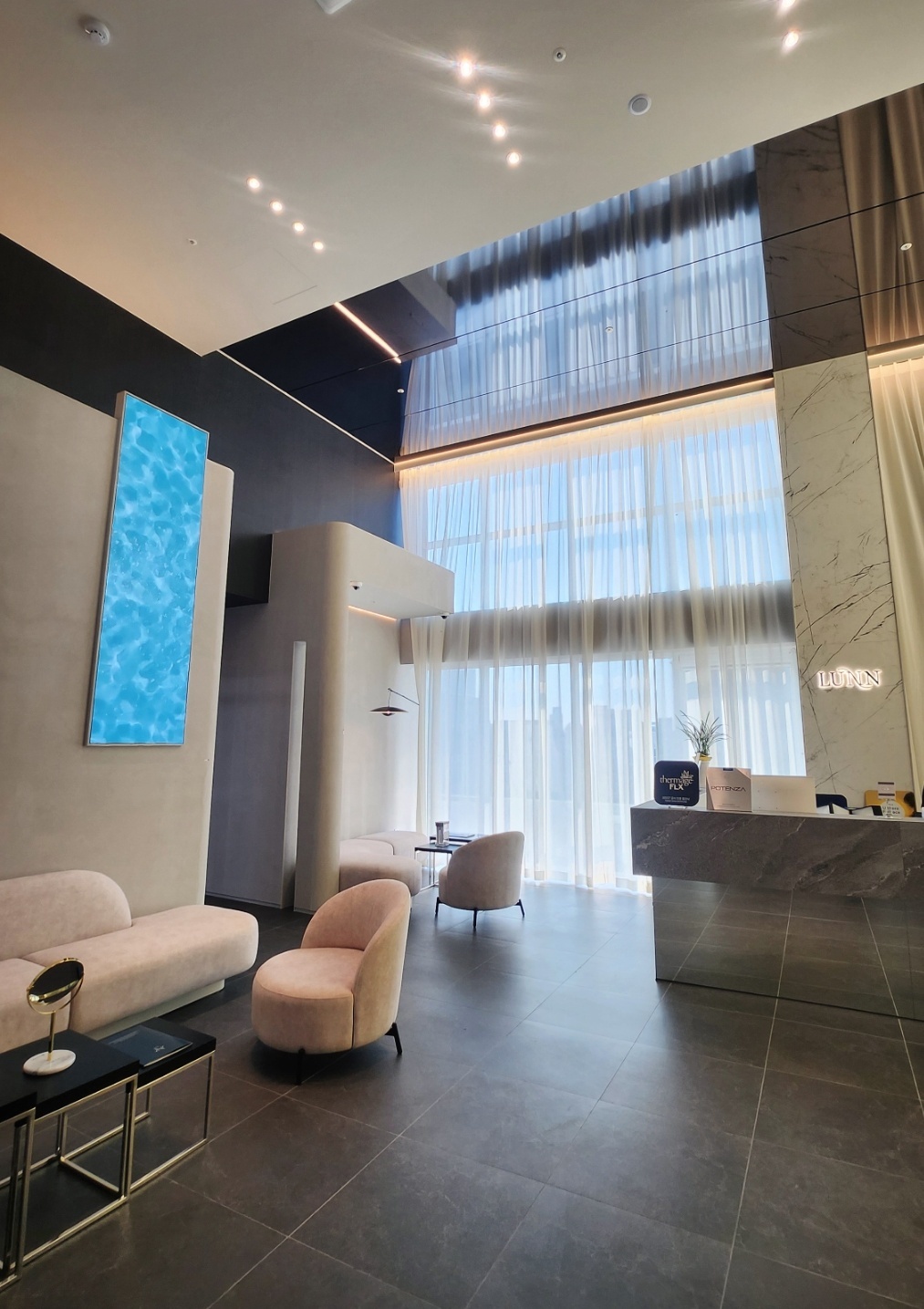
By combining clinical precision with an understanding of facial harmony, specialists can help patients maintain a youthful appearance that looks natural and enduring.
Defining Advanced Anti-Aging: The Science of Structural Harmony
Note: Individual results may vary depending on skin condition and aging velocity. Typical results require periodic maintenance. Potential side effects such as temporary redness, swelling, or bruising may occur. Consult a specialist for a personalized diagnosis.
Advanced anti-aging is defined as a holistic medical approach that targets the multi-layered biological changes of the face, including bone resorption, fat pad displacement, and collagen degradation. It focuses on restoring the internal scaffolding of the skin rather than simply smoothing out individual lines on the surface.
What Truly Constitutes Medical Anti-Aging?
Medical anti-aging is the scientific practice of slowing down the biological clock by addressing the underlying structural changes in the skin and underlying tissues. It transcends basic skincare by utilizing medical-grade technology to influence cellular behavior and tissue density. In a clinical setting, this involves a comprehensive assessment of the epidermis, dermis, and the superficial muscular aponeurotic system. By targeting these specific depths, specialists can stimulate the natural production of Type I and Type III collagen. At a professional anti-aging skin clinic Gangnam, the focus is not merely on removing wrinkles but on restoring the youthful scaffolding of the face. This process requires an understanding of how bones, muscles, and fat pads shift over time. Effective intervention aims to maintain the integrity of these layers, thereby delaying the visible signs of senescence. While external factors like UV exposure account for nearly 80 percent of skin aging, clinical treatments provide a necessary internal corrective measure.
Why Modern Aesthetics Focus on Layers Rather Than Surfaces
Modern aesthetic medicine has evolved to recognize that facial aging is a three-dimensional process occurring across multiple anatomical planes. Treating only the surface epidermis often results in an unnatural appearance because it fails to address the volume loss and structural laxity occurring deeper within the dermis. High-precision treatments now target the deep fascia and ligaments to provide a foundation for the skin to rest upon. This layered approach ensures that the tension is distributed evenly, preventing the tight or over-filled look associated with older techniques. At LUNN, we analyze the relationship between the skin and the underlying fat pads to create a balanced rejuvenation plan. By focusing on the deeper layers, we can achieve more significant improvements in contour and elasticity. Studies show that people lose approximately 1.5 percent of their dermal collagen annually starting in their early 20s. Addressing this loss at its source is essential for maintaining a resilient and youthful complexion over time.
The Role of a Board-Certified Dermatologist in Structural Design
I am Dr. Hyung-kwon Park, and as a board-certified dermatologist, I serve as the architect of facial rejuvenation. My role involves more than just performing procedures; it requires a deep understanding of facial symmetry, muscular resistance, and vascular structures. Precision in placement is critical, as even a 1mm deviation can significantly alter the final outcome. A specialist ensures that every energy-based device or injectable is utilized at the correct depth and intensity to maximize safety and efficacy. This level of oversight is particularly important when navigating the complex neurovascular network of the face. The team at LUNN believes that a successful anti-aging strategy is built on a foundation of scientific evidence and anatomical knowledge. By prioritizing a specialist-led approach, patients can avoid the risks associated with standardized, non-medical treatments. Ultimately, the dermatologist's role is to harmonize modern technology with the patient's natural features to produce a sophisticated and refreshed result.
Comprehensive Comparison: Lifting, Tightening, and Volume Restoration
Lifting and tightening are distinct medical objectives where lifting involves repositioning deep tissues against gravity, while tightening focuses on shrinking and firming the skin surface through thermal or chemical stimulation.
Ultherapy vs. Thermage: Choosing Between Foundation and Elasticity
Ultherapy and Thermage represent two pillars of non-invasive facial rejuvenation. Ultherapy utilizes micro-focused ultrasound to target the Deep Muscular Aponeurotic System, which is roughly 4.5 millimeters beneath the surface. This depth is critical for addressing structural sagging. In contrast, Thermage employs monopolar radiofrequency to heat the dermis to approximately 40 to 55 degrees Celsius. This temperature range is optimal for stimulating immediate collagen contraction and long-term remodeling. While Ultherapy is often prioritized for lifting the jawline, Thermage excels at improving skin texture and tightening the superficial layers. Clinical observations suggest that results typically peak between 3 to 6 months post-procedure. At LUNN, we emphasize that neither device is objectively superior. The choice depends on specific anatomical needs such as skin thickness and subcutaneous fat distribution. Understanding these technical nuances allows for a more refined approach to anti-aging in a specialized skin clinic in Gangnam. Results remain subject to individual physiological responses and lifestyle factors.
Specialized Fillers vs. Skin Boosters
Specialized fillers and skin boosters offer two different pathways to volume restoration and skin health. Traditional hyaluronic acid fillers provide immediate projection by physically occupying space in the tissue. They are excellent for precise contouring, such as defining the chin or nose. At LUNN, we prefer low-hydrophilicity fillers (such as Belotero) for delicate areas like the under-eyes to minimize post-procedural swelling and the Tyndall effect. Conversely, skin boosters work by improving the dermal environment and providing hydration to the skin's internal layers. Many patients benefit from a strategic combination of both to achieve immediate refinement and long-term structural support. At LUNN, we utilize specialized fillers to refine specific details while focusing on the overall health of the dermis. It is estimated that significant volume loss becomes visible by age 50, where individuals may have lost up to 50 percent of their mid-face fat. Choosing the right treatment requires a careful evaluation of the patient's aging velocity and individual tissue characteristics.
Customized Combination Protocols for Natural Results
Customized combination protocols are the hallmark of elite aesthetic care, as they allow for the simultaneous treatment of multiple aging factors. No single device can address every concern, such as pigmentation, laxity, and volume loss, at once. By layering treatments like laser therapy, ultrasound lifting, and targeted injectables, we can create a more comprehensive transformation. These protocols are tailored to the patient's specific skin type and aesthetic goals. For example, a patient might receive a lifting treatment to address the lower face and a pigment laser to clear the complexion. This multi-modality approach ensures that the results are cohesive and natural. At LUNN, we focus on the synergy between different technologies to minimize downtime while maximizing the regenerative response. Research indicates that combination therapies often yield higher patient satisfaction rates compared to monotherapies. The key is to manage the sequence and timing of each procedure to ensure the skin has adequate time to recover and rebuild. This strategic planning is what defines the sophisticated anti-aging experience in Gangnam.
| Feature | Ultherapy | Thermage | Specialized Fillers |
|---|---|---|---|
| Technology | Micro-focused Ultrasound | Monopolar Radiofrequency | Hyaluronic Acid (Low-hydrophilicity) |
| Primary Target | Deep SMAS Layer (4.5mm) | Dermis and Epidermis | Dermis / Sub-Q |
| Main Benefit | Structural Lifting | Surface Tightening | Shadow Correction & Contouring |
| Peak Results | 3 to 6 Months | 2 to 4 Months | 1 to 4 Weeks |
| Typical Longevity | 6 to 12 Months | 6 to 12 Months | Varies by Individual Case |
The LUNN Approach: Strategic Layering in Gangnam Aesthetic Care
Strategic layering is a clinical methodology that involves the precise application of various energy levels and injectable depths to mimic the natural complexity of human tissue. This approach ensures that each anatomical layer receives the specific stimulus it needs for optimal rejuvenation.
Analyzing Individual Muscular Resistance and Skin Thickness
Effective anti-aging begins with a precise analysis of a patient's unique physiological characteristics, such as muscular resistance and skin thickness. Muscles in the face do not react uniformly to aging or treatment; some may be hyperactive while others lack tone. By measuring the resistance of the facial muscles, we can adjust the energy levels of lifting devices to avoid over-treatment or under-treatment. Similarly, skin thickness varies significantly between the forehead, cheeks, and jawline. A specialized anti-aging skin clinic Gangnam must utilize different transducers, such as 1.5mm, 3.0mm, and 4.5mm, to address these variations accurately. At LUNN, we believe that understanding these individual differences is the key to preventing common side effects like localized fat loss or nerve sensitivity. This meticulous evaluation allows us to customize the treatment parameters for every session. When the treatment is matched to the patient's specific tissue density, the regenerative response is more predictable and efficient.
The 1mm Philosophy: How Precision Redefines Facial Contours
Precision is a fundamental element in modern dermatology, where a single millimeter can be the difference between a natural look and an artificial one. The 1mm philosophy at LUNN emphasizes the importance of minute adjustments in energy delivery and injectable placement. This philosophy recognizes that facial harmony is a delicate balance of light and shadow. By making subtle corrections to the vectors of the face, we can lift the sagging tissue without altering the patient's fundamental expression. This level of detail is particularly important in areas like the periorbital region, where the skin is thinnest and the anatomy is most complex. High-intensity treatments must be delivered with surgical accuracy to ensure the energy reaches the targeted fascia without damaging surrounding structures. We utilize real-time imaging during procedures to confirm that we are working at the precise depth required. This commitment to precision helps minimize unnecessary trauma to the skin, leading to a faster recovery and more refined results.
Long-term Maintenance and the Aging Velocity Control
Anti-aging is not a one-time event but a continuous process of managing the skin's aging velocity. The goal of long-term maintenance is to preserve the results of initial treatments while proactively slowing down future degradation. At LUNN, we design maintenance plans that include periodic touch-ups and skin barrier support to keep the collagen production active. By intervening at regular intervals, typically every 6 to 12 months, we can prevent the drastic changes that require more invasive procedures later. This approach allows patients to age gracefully, maintaining a consistent appearance over time. Factors such as stress, sleep quality, and nutrition play a significant role in how quickly the skin ages. We provide guidance on these lifestyle elements to complement our clinical work. Patients who follow a consistent maintenance schedule generally observe enhanced preservation of skin integrity and more stable results compared to those who seek treatment sporadically. Controlling the aging velocity requires a partnership between the specialist and the patient, focused on the shared goal of long-term structural integrity.
A Specialist's 2026 Guide to Customized Non-Surgical Lifting in Seoul A Dermatologist's 2026 Guide to a Personalized Anti-Aging Treatment Plan
Clinical Considerations: Risks, Limitations, and Safety Standards
Clinical considerations involve the evaluation of potential side effects and the implementation of rigorous safety protocols to ensure that all aesthetic procedures are conducted within a controlled medical environment. Understanding these factors is essential for managing patient expectations and ensuring safe outcomes.
Common Post-Treatment Reactions: Redness, Swelling, and Bruising
While non-invasive anti-aging treatments are generally safe, they are medical procedures that can elicit temporary biological responses. Common reactions include mild redness, swelling, and occasional bruising at the treatment site. These symptoms are typically a sign that the body is initiating the healing and regenerative process. For instance, thermal energy used in tightening procedures can cause a flushed appearance that usually subsides within 24 to 48 hours. Swelling may occur when the deep tissues are stimulated, especially in areas with more subcutaneous fat. Bruising is more common with injectables but can be minimized through precise technique and post-care cooling. At LUNN, we provide detailed post-procedure instructions to help manage these temporary effects. It is important for patients to understand that these reactions are normal and do not indicate a failure of the treatment. In rare cases, some patients may experience temporary numbness or sensitivity, which should be reported to the clinic. Choosing a board-certified specialist significantly reduces the risk of more serious complications like burns or persistent pigmentation changes.
Managing Expectations: Why Results Vary by Individual Condition
One of the most important aspects of anti-aging medicine is the management of patient expectations, as results are heavily influenced by individual biological factors. No two patients will have the exact same response to a laser or lifting treatment. Factors such as baseline skin quality, age, and genetic predispositions determine how effectively the body produces new collagen. For example, a patient in their 30s may see faster results compared to someone in their 60s due to higher cellular activity. It is also important to note that non-surgical treatments have limitations and may not achieve the same level of correction as a surgical facelift. We emphasize that results appear gradually, often taking 3 to 6 months to become fully visible. At LUNN, we conduct thorough consultations to ensure that our patients have a realistic understanding of what can be achieved. We focus on improvement and harmony rather than perfection. By setting clear goals and acknowledging the variability of human biology, we can ensure a more satisfying clinical experience for everyone involved.
The Importance of Post-Procedure Recovery and Skin Barrier Care
Recovery and skin barrier care are essential components of the anti-aging process, directly impacting the final quality of the results. After a treatment, the skin is often in a state of heightened sensitivity and requires specific nutrients to repair itself effectively. A compromised skin barrier can lead to inflammation, which may interfere with the collagen-building process. We recommend using medical-grade moisturizers and broad-spectrum sunscreens to protect the treated areas from UV damage and environmental pollutants. Avoiding strenuous exercise, saunas, and harsh chemical exfoliants for at least one week is also advised to minimize irritation. At LUNN, we emphasize that the work done at home is just as important as the work done in the clinic. Proper hydration and a diet rich in antioxidants can further support the skin's regenerative capacity. When the skin barrier is healthy, the benefits of clinical treatments are more pronounced and long-lasting. Neglecting post-procedure care can result in suboptimal outcomes or prolonged redness. By following a structured recovery plan, patients can ensure their skin remains resilient and vibrant following any aesthetic intervention.
Frequently Asked Questions
Q. Choosing an Effective Anti-Aging Treatment for Sagging Skin
Effective treatment depends on whether the issue is skin laxity or deep tissue sagging. Ultherapy is often used for deep lifting of the SMAS layer, while Thermage focuses on surface tightening of the dermis. A personalized consultation with a specialist is required to determine the best approach for your specific anatomy.
Q. Are anti-aging procedures in Gangnam painful?
While most non-invasive procedures involve some level of heat or sensation, we utilize various numbing techniques to manage discomfort. Individual pain tolerance varies significantly, and we adjust energy levels throughout the session to ensure a tolerable experience for every patient.
Q. How long do the results of a non-surgical facelift last?
Typically, results from high-intensity energy-based treatments last between 6 to 12 months. Factors such as lifestyle, baseline skin quality, and aging speed heavily influence the longevity of the effects. Periodic maintenance is usually recommended to sustain the lifting effect over the long term.
Q. Are there any side effects I should be aware of?
Common side effects include temporary redness, mild swelling, or slight bruising at the treatment site which usually resolve quickly. Rare complications like temporary nerve sensitivity or pigmentation changes can occur if the treatment is not performed by a specialist. This is why choosing a board-certified dermatologist is critical for safety.
Q. When is the best age to start anti-aging treatments at LUNN?
There is no fixed age, but many patients start 'pre-juvenation' in their late 20s or early 30s to slow down the visible signs of aging. We focus on preserving current skin health and preventing future damage rather than just correcting existing aging signs. Early intervention often leads to more natural results.
Q. Can I return to daily activities immediately after the procedure?
Most of our anti-aging treatments involve minimal downtime, allowing patients to resume work or social activities shortly after the session. However, strenuous exercise, sauna use, or excessive sun exposure should be avoided for a few days to minimize swelling and irritation. We provide a full post-care kit to assist your recovery.
Q. Why is a personalized plan more important than following trends?
Facial structures are unique, and standardized treatments can lead to unnatural results or an 'over-filled' appearance. We prioritize harmony and balance, ensuring that the 1mm adjustments respect your natural features and expression. Following trends without considering your own anatomy can lead to aesthetic imbalance.
Key Takeaways
- Advanced anti-aging focuses on structural harmony across multiple skin layers, including the SMAS and dermis.
- Combination protocols involving devices like Ultherapy and Thermage provide comprehensive lifting and tightening results.
- Precision is vital, where the 1mm philosophy ensures that adjustments respect the patient's natural facial contours.
- Managing expectations and following strict post-procedure recovery protocols are essential for achieving safe and lasting outcomes.
- Regular maintenance every 6 to 12 months helps control the aging velocity and preserves skin integrity over time.
Refining the Details. Seeking Natural Harmony.
LUNN / Dr. Hyung-kwon Park
FAQ
- What is the most effective anti-aging treatment for sagging skin?
- Effective treatment depends on whether the issue is skin laxity or deep tissue sagging. Ultherapy is often used for deep lifting of the SMAS layer, while Thermage focuses on surface tightening of the dermis. A personalized consultation with a specialist is required to determine the best approach for your specific anatomy.
- Are anti-aging procedures in Gangnam painful?
- While most non-invasive procedures involve some level of heat or sensation, we utilize various numbing techniques to manage discomfort. Individual pain tolerance varies significantly, and we adjust energy levels throughout the session to ensure a tolerable experience for every patient.
- How long do the results of a non-surgical facelift last?
- Typically, results from high-intensity energy-based treatments last between 6 to 12 months. Factors such as lifestyle, baseline skin quality, and aging speed heavily influence the longevity of the effects. Periodic maintenance is usually recommended to sustain the lifting effect over the long term.
- Are there any side effects I should be aware of?
- Common side effects include temporary redness, mild swelling, or slight bruising at the treatment site which usually resolve quickly. Rare complications like temporary nerve sensitivity or pigmentation changes can occur if the treatment is not performed by a specialist. This is why choosing a board-certified dermatologist is critical for safety.
- When is the best age to start anti-aging treatments at lunnclinic?
- There is no fixed age, but many patients start 'pre-juvenation' in their late 20s or early 30s to slow down the visible signs of aging. We focus on preserving current skin health and preventing future damage rather than just correcting existing aging signs. Early intervention often leads to more natural results.
- Can I return to daily activities immediately after the procedure?
- Most of our anti-aging treatments involve minimal downtime, allowing patients to resume work or social activities shortly after the session. However, strenuous exercise, sauna use, or excessive sun exposure should be avoided for a few days to minimize swelling and irritation. We provide a full post-care kit to assist your recovery.
- Why is a personalized plan more important than following trends?
- Facial structures are unique, and standardized treatments can lead to unnatural results or an 'over-filled' appearance. We prioritize harmony and balance, ensuring that the 1mm adjustments respect your natural features and expression. Following trends without considering your own anatomy can lead to aesthetic imbalance.