
Post
A Specialist's 2026 Guide to 3D Facial Contouring Filler Korea: Achieving Structural Harmony at LUNN
Hello, I am Dr. Park Hyungkwon, a board-certified dermatologist at Lunn Dermatology Clinic in Cheongdam, Gangnam.
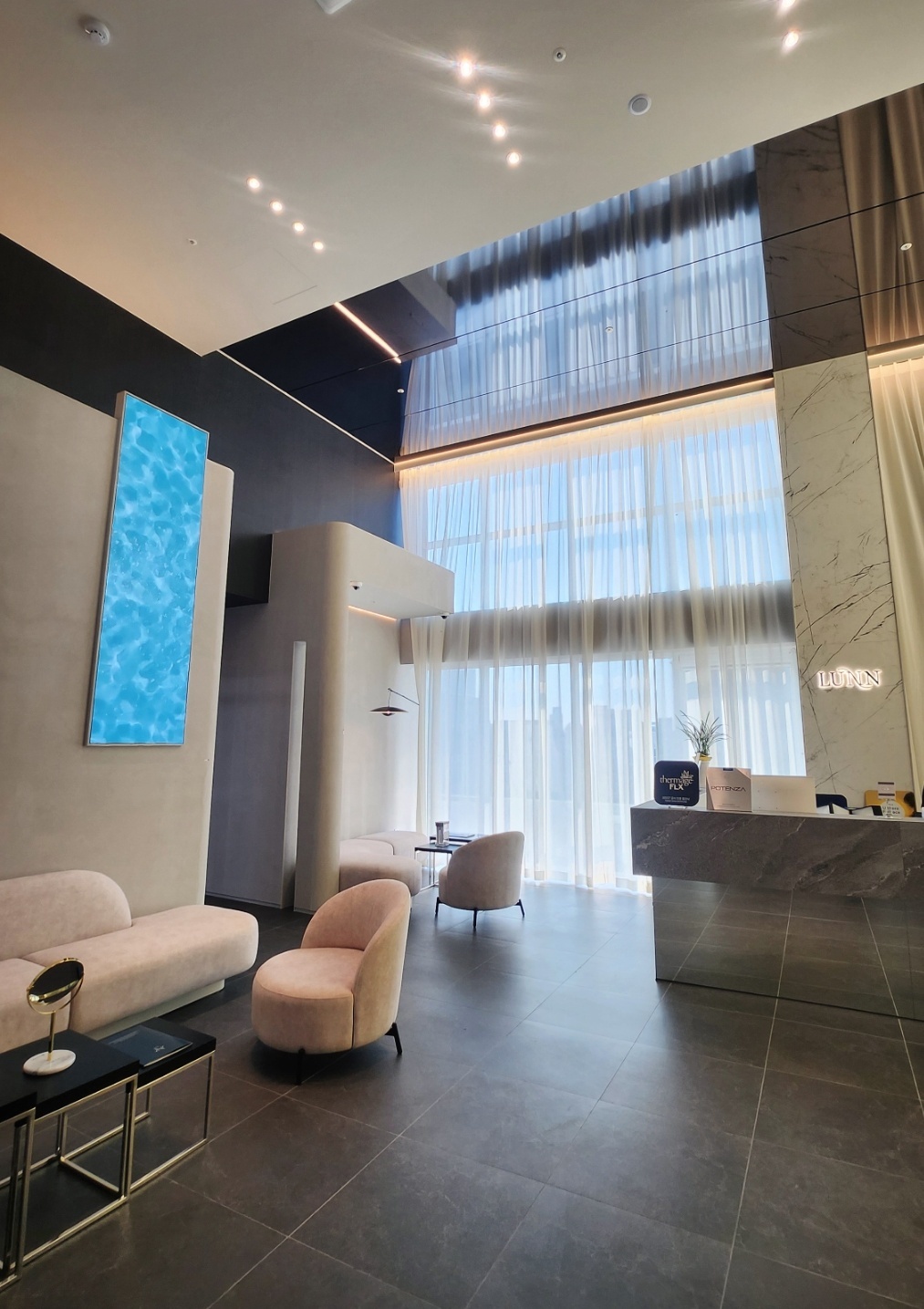
When patients visit Seoul seeking facial rejuvenation, they often ask how to achieve a natural, balanced look without undergoing invasive surgery. The approach known as 3D facial contouring filler Korea focuses on three-dimensional volume restoration rather than simply filling in isolated wrinkles or lines. By considering how light and shadow interact with your natural facial anatomy from every angle, this specialized methodology refines the details and helps you achieve balanced structural harmony.
Introduction to 3D Facial Contouring Filler in Korea
3D facial contouring filler Korea refers to an advanced aesthetic approach that treats the face as an integrated, multi-dimensional canvas rather than a collection of flat surfaces. Unlike traditional filler applications that focus strictly on correcting isolated lines or depressions, this advanced framework addresses the multi-layered depth of the facial architecture to enhance contours from the front, profile, and three-quarter views. The objective is to restore underlying support structures that naturally diminish over time due to bone resorption and fat redistribution. By evaluating the natural interplay of shadows and highlights under soft illumination, this comprehensive design strategy aims to cultivate a refreshed, youthfully balanced appearance that aligns harmoniously with the unique anatomical proportions of each patient.
The Core Concept of Three-Dimensional Volume Restoration
The core concept of three-dimensional volume restoration revolves around reconstructing the deep structural foundations of the face to achieve natural illumination and soft contours. As the face matures, deep fat compartments gradually deplete and shift, which can lead to hollow temples, flattened cheeks, and prominent shadows along the lower face. Rather than simply injecting material into the superficial skin layers, a specialized dermatologist carefully positions precise volumes of filler onto the deep supra-periosteal plane or within deep subcutaneous fat layers. This structural placement supports the overlying soft tissue, minimizes deep shadows, and allows light to reflect beautifully across the facial planes. By addressing the root causes of structural volume loss, this method helps re-establish a youthful, soft configuration that respects the movement and expressions of the individual.
How 3D Facial Contouring Differs from Traditional Localized Fillers
Traditional localized filler procedures typically focus on individual lines, whereas the 3D facial contouring approach addresses the broader facial architecture to support overall balance. In contrast, the 3D facial contouring approach treats the face as a unified system, analyzing how an enhancement in one area impacts the overall facial balance. For example, rather than filling a nasolabial fold directly, restoring volume to the lateral zygomatic arch and front cheek can naturally lift the midface and soften those folds. This holistic design focuses on smooth transitions between facial zones to maintain natural expressions, helping the volume transition smoothly between facial zones. By emphasizing structural harmony over isolated correction, this advanced technique achieves a balanced profile that preserves your natural facial expressions during movement.
A Specialist's 2026 Guide to Customized Skin Lifting and Harmonization in Korea
Key Treatment Areas and Facial Harmony Design
Key treatment areas and facial harmony design encompass the meticulous integration of multiple facial zones to create a fluid, continuous transition between the upper, middle, and lower thirds of the face. An experienced dermatologist carefully assesses the facial structure from various angles, determining how the forehead curves into the temples and how the zygomatic arch relates to the jawline. At Lunn Dermatology Clinic, the focus is on creating customized contours that avoid an over-projected or artificial appearance. Each aesthetic blueprint is tailored to the patient's specific bone structure and skin thickness, ensuring that the volume added complements the natural facial geometry. This precise planning helps establish a balanced, elegant frame that enhances your inherent beauty while maintaining a highly sophisticated and natural aesthetic.
Balancing the Forehead, Temples, and Front Cheeks
Balancing the forehead, temples, and front cheeks requires a comprehensive understanding of the continuous curves that define the upper and midface regions. Temporal hollowing often occurs alongside midfacial volume loss, creating a skeletal appearance that can make the upper third of the face look disconnected from the cheekbones. By carefully distributing highly cohesive dermal fillers across these adjacent zones, a specialist can smooth out abrupt transitions and create a gentle, continuous sweep from the temple down to the anterior cheek. This specific volumetric adjustment softens the prominence of the bony arches and restores a youthful, healthy curvature to the midface. The precise restoration of volume in the front cheeks also provides gentle vertical support to the lower face, subtly reducing the appearance of early tissue laxity and shadows.
Defining the Jawline and Chin for a Refined Profile
Defining the jawline and chin is essential for establishing a clear structural boundary between the face and neck, which helps create a refined, elegant profile. A well-proportioned chin and a crisp mandibular angle contribute significantly to a balanced facial appearance from both the frontal and side perspectives. When performing 3D facial contouring, the practitioner uses high-elasticity fillers along the jawline to provide firm structural support and address mild jowling. The chin is then subtly sculpted to ensure it aligns harmoniously with the nose and lips, following established aesthetic facial proportions. This precise placement helps elongate a short or retruded chin and strengthens the jawline contour, enhancing the overall definition of the lower face without creating a harsh or masculine appearance in female patients.
The 1mm Principle: Tailoring Subtle Enhancements to Individual Anatomy
The 1mm principle highlights the philosophy that minute, precise adjustments can significantly influence the overall harmony and expression of the face. In aesthetic dermatology, over-injecting filler can easily distort natural anatomy, whereas a difference of a single millimeter in placement or volume can mean the difference between a natural look and an overdone appearance. At Lunn Dermatology Clinic, every procedure is approached with a commitment to customized, detailed design, avoiding generic, high-volume injection patterns. By carefully evaluating the thickness of the skin layers, muscle activity, and structural asymmetry during the consultation, the filler is placed exactly where it will optimize light reflection and support the tissue. This strict attention to detail helps the enhancements appear natural, enhancing your individual features while preserving your unique facial identity.
Comparing Dermal Filler Types for Multi-Layered Structural Contouring
Comparing dermal filler types for multi-layered structural contouring involves selecting materials based on their rheological properties, such as elasticity and cohesivity, to match the specific needs of different anatomical layers. Different areas of the face require distinct filler characteristics to ensure structural integrity, longevity, and a natural feel during facial expressions. At Lunn Dermatology Clinic, the selection process is highly customized, ensuring that each layer of tissue receives the appropriate material for optimal support and integration. Using the right combination of filler types allows the specialist to build a firm foundation in the deep layers while maintaining a soft, natural texture in the superficial tissues. This tailored approach minimizes the risk of product migration and helps achieve a smooth, long-lasting aesthetic result.
| Filler Category | Primary Materials | Ideal Target Facial Layer | Typical Longevity Profile | Main Structural Characteristic |
|---|---|---|---|---|
| Hyaluronic Acid (HA) | Cross-linked Hyaluronic Acid | Deep supra-periosteal, Subcutaneous | 12 to 18 Months | Highly reversible, precise volume control |
| Biostimulatory (PDLLA) | Poly-D,L-Lactic Acid | Deep dermal, Subcutaneous | 18 to 24 Months | Stimulates gradual collagen synthesis |
| Polynucleotide (PN) | Salmon-derived Polynucleotide | Superficial dermis, Skin layer | Gradual over multi-sessions | Enhances skin quality and dermal elasticity |
Hyaluronic Acid versus Biostimulatory Fillers like PDLLA and PN
Choosing between hyaluronic acid and biostimulatory fillers depends on the patient's aesthetic goals, facial structure, and preference for immediate versus gradual results. Hyaluronic acid fillers provide instant volumetric correction and are highly versatile due to their reversible nature, making them excellent for precise contouring of the chin, nose, and lips. On the other hand, biostimulatory options like PDLLA function by gradually stimulating the body's own fibroblast cells to produce new collagen over several months, offering soft, diffused volume that is well-suited for broader areas like the temples and hollow cheeks. Polynucleotides (PN) focus primarily on improving the skin's internal physiological environment, enhancing dermal elasticity and texture rather than providing mechanical volume. Combining these materials allows for a comprehensive treatment plan that addresses both deep structural hollows and superficial skin quality.
Selecting the Right Elasticity and Cohesivity for Each Facial Layer
Selecting the right elasticity and cohesivity is a critical technical step in multi-layered contouring, as different facial zones experience varying levels of muscle movement and mechanical stress. Deep structural areas that require significant lift, such as the chin or the zygomatic arch, call for fillers with high elasticity and firm lifting power to mimic the support of bone and deep fat. Conversely, highly mobile areas like the peri-oral region or the front cheeks require fillers with high cohesivity and flexibility, allowing the material to integrate smoothly with the muscles and move naturally when you smile or speak. Placing a stiff filler too superficially can create visible lumps, while using a soft filler in deep areas will fail to provide adequate projection. A specialist aims to achieve natural-looking results by carefully matching the filler's physical properties to the targeted anatomical layer.
Safety Protocols, Potential Side Effects, and Recovery Profiles
Safety protocols, potential side effects, and recovery profiles form the foundation of a responsible and predictable clinical outcome in facial contouring. While 3D facial contouring filler Korea is a popular non-surgical option, it requires advanced anatomical knowledge and strict adherence to medical safety standards to minimize complications. At Lunn Dermatology Clinic, patient safety is prioritized through the use of sterile micro-cannulas, precise mapping of facial vessels, and premium, regulatory-approved materials. Every procedure includes a detailed assessment of the patient's medical history and a comprehensive explanation of what to expect during the healing process. Understanding the normal timeline of recovery helps patients manage their daily schedules and ensures that any uncommon symptoms are identified and treated promptly by the dermatologist.
Managing Temporary Swelling, Redness, and Bruising
Managing temporary swelling, redness, and bruising is a standard part of the post-treatment phase, as these mild inflammatory responses are expected after any needle or cannula insertion. Most patients experience a mild degree of swelling and tenderness at the injection sites, which generally peaks within the first 24 to 48 hours and gradually resolves within a few days. Minor bruising may also occur, particularly in vascular areas or if the patient has a natural tendency to bruise easily. Applying a cold compress gently to the treated areas during the first day can help minimize swelling and soothe temporary discomfort. It is important to avoid massaging or applying firm pressure to the face during this initial period, as the filler material needs time to stabilize within the tissue layers.
Crucial Pre-Treatment and Post-Treatment Care Guidelines
Following specific pre-treatment and post-treatment care guidelines is essential for achieving an optimal result and reducing the likelihood of avoidable side effects. Prior to the procedure, patients are advised to avoid blood-thinning supplements, such as high-dose vitamin E, ginkgo, or aspirin, for at least one week to minimize the risk of bruising, unless medically contraindicated. After receiving fillers, it is important to refrain from strenuous physical exercise, hot saunas, public baths, and consuming alcohol for the first seven days, as these activities can increase blood circulation and exacerbate swelling. Patients should also avoid sleeping on their stomach or side to prevent unnecessary pressure on the treated areas. Keeping the skin clean and hydrated while avoiding harsh chemical peels or facial massages for the first two weeks supports a smooth recovery.
Understanding Individual Variations and Longevity of Results
Understanding individual variations and the longevity of results is important for maintaining realistic expectations, as filler degradation is influenced by several biological and lifestyle factors. The lifespan of a dermal filler depends significantly on the chemical composition of the material used, the specific area treated, and the individual's metabolic rate. For instance, high-cohesivity hyaluronic acid fillers placed in low-movement zones like the chin typically last between 12 to 18 months, whereas fillers in highly active areas may break down more quickly. Biostimulatory treatments often provide longer-lasting structural support because they rely on gradual collagen synthesis, though they may require multiple initial sessions. Individual factors such as smoking, high-intensity exercise, and heat exposure can also accelerate product metabolism, making regular, tailored maintenance consultations necessary to preserve structural harmony over time.
Frequently Asked Questions
Q. What exactly is 3D facial contouring filler, and who is an ideal candidate?
3D facial contouring filler is a customized treatment that restores multi-dimensional volume and structural balance to the face rather than just filling single lines. It is suitable for individuals experiencing volume loss in areas like the temples, forehead, or cheeks, or those seeking a more defined, harmonious profile. The ideal candidate is someone looking for subtle, natural facial rejuvenation without the downtime associated with surgery.
Q. Is the 3D facial contouring filler procedure painful, and what can I expect during treatment?
While individual pain tolerance varies, most patients report only mild discomfort, as the fillers are often formulated with local anesthetics and applied using precise micro-cannulas. Temporary mild swelling or tenderness may occur at the injection sites immediately following the procedure. The use of specialized cannulas helps reduce tissue trauma and enhances overall comfort during the session.
Q. What are the common side effects and potential risks associated with facial fillers?
Common, temporary side effects include mild redness, swelling, bruising, and tenderness at the injection site, which typically resolve within a few days. Although rare, more serious risks such as vascular occlusion, asymmetric settling, or infection can occur, making it critical to consult an experienced dermatologist. If you experience severe pain or unusual skin discoloration, you should contact your clinic immediately.
Q. How long do the results of 3D facial contouring fillers typically last?
The longevity depends on the type of filler used, the treatment area, and individual metabolic rates. Generally, high-cohesivity hyaluronic acid fillers last between 12 to 18 months, while biostimulatory options may offer longer-lasting structural support over multi-session treatments. Regular maintenance appointments can help sustain the desired contour and volume over time.
Q. How much does 3D facial contouring filler cost in Korea?
The cost varies significantly based on the type of filler material selected, the total volume required to achieve structural harmony, and the complexity of the customized plan. Because every individual's facial structure and goals are unique, a single fixed price cannot be applied universally. A detailed assessment during a personal consultation is necessary to provide an accurate estimate based on your needs.
Q. Is there significant downtime after receiving 3D facial contouring fillers?
There is minimal downtime required, allowing most patients to return to their normal daily routines shortly after treatment. However, it is advisable to avoid strenuous exercise, saunas, and excessive facial pressure for the first week to ensure optimal settling of the filler material. Minor swelling or superficial bruising can easily be covered with light makeup after the first day.
Q. What are the alternatives if I am not a suitable candidate for fillers?
For individuals seeking alternative approaches, non-invasive lifting devices like Ultherapy or Thermage can improve skin elasticity and contour the face. Autologous fat grafting or structural thread lifts may also be considered depending on your unique anatomical needs and goals. A comprehensive evaluation by a specialist will help determine the most appropriate treatment path for your skin condition.
Key Takeaways
- Holistic Approach: 3D facial contouring filler Korea focuses on multi-dimensional volume restoration and structural harmony across the entire face rather than filling isolated wrinkles.
- The 1mm Principle: Subtle, detailed adjustments tailored to individual anatomy help promote natural-looking expressions and prevent an overfilled appearance.
- Material Selection: Utilizing a combination of high-cohesivity hyaluronic acid and biostimulatory fillers provides customized support for different tissue layers.
- Safety First: Prioritizing medical protocols, advanced cannula techniques, and comprehensive post-treatment care minimizes risks and supports a predictable recovery process.
To explore how a customized approach can enhance your natural facial contours, consider scheduling an entry evaluation. For insights into modern aesthetic dermatology, you can also explore updates on Threads @dr.lunn.
Lunn Dermatology Clinic / Dr. Park Hyungkwon