
Post
A Dermatologist's 2026 Guide to Vector Based Facial Filler Design: Achieving Structural Harmony at LUNN
Hello, I am Dr. Park Hyungkwon, a board-certified dermatologist at LUNN. As an aesthetic physician practicing in the heart of Cheongdam and Apgujeong Rodeo, I always emphasize that structural rejuvenation requires shifting away from simply filling up hollow spaces. True facial rejuvenation focuses on restoring the natural balance and tension lines of the face. In this guide, I will share clinical insights into how directional vectors can redefine facial contours and enhance structural harmony without creating an overfilled appearance.
Vector based facial filler design refers to an advanced injection methodology that prioritizes the structural lifting capacity of dermal fillers over mere volume addition.
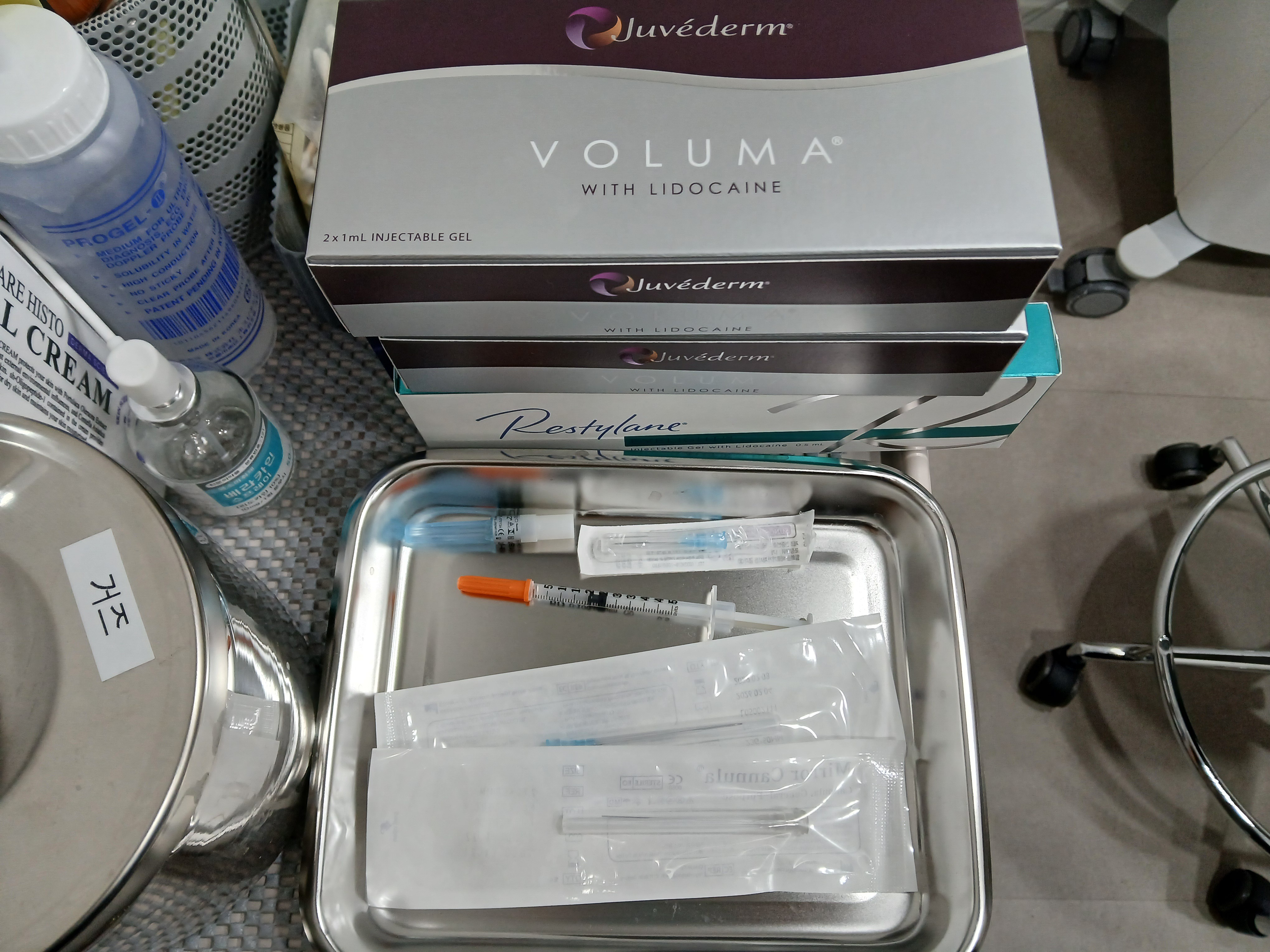
By targeting specific tension lines and anatomical vectors, this approach helps redistribute soft tissue to restore a youthful, balanced facial structure. This technique relies on an intricate understanding of how the superficial and deep fat compartments shift over time, allowing for a precise and customized approach to every individual patient.
For international patients seeking a comprehensive approach to anti-aging, understanding how these treatments complement other modalities is essential. You can explore further insights in A Specialist's 2026 Guide to Premium Skin Boosters for Rejuvenation at LUNN.
Understanding Vector Based Facial Filler Design: A Modern Structural Approach
Vector based facial filler design represents a shift from traditional two-dimensional revolumization to a three-dimensional structural architecture. This advanced approach focuses on utilizing the mechanical properties of dermal fillers to lift and anchor sagging tissues. Rather than injecting product directly into a wrinkle, this method maps out strategic vectors that counteract the downward pull of gravity. By analyzing the dynamic interaction between skin laxity, fat depletion, and bone resorption, we can create a supportive framework that enhances the face naturally.
The Core Principles of Vector Mechanics in Facial Aesthetics
Facial aesthetics relies heavily on understanding how external forces and internal aging processes alter the positioning of facial tissues. The core principles of vector mechanics involve identifying the exact vectors of descent and applying counter-vectors of lift using high-cohesivity dermal fillers. My clinical philosophy emphasizes that precise placement at strategic anatomical anchoring points is key to optimized tissue positioning. By utilizing the rheological properties of the product, such as its elastic modulus and cohesivity, we can achieve substantial structural lifting effects. This mechanical approach ensures that the filler acts as a supportive pillar, maintaining the natural contours of the face during both static rest and dynamic facial expressions.
How Directional Vectors Counteract Structural Sagging and Tissue Shift
As the facial skeleton undergoes structural changes and deep fat pads experience atrophy, the overlying soft tissue shifts downward and inward. Directional vectors are designed to counteract this structural sagging by transferring mechanical tension to the lateral anchoring regions of the face. In my clinical practice, I have found that targeting the zygomatic arch and the pre-auricular space effectively supports the midface. This directional placement helps minimize the appearance of nasolabial folds and marionette lines without adding excessive volume to the central face. By placing small, precise deposits of filler along these critical vectors, we can effectively redistribute the soft tissue, providing a natural and refreshed appearance that respects the patient's original anatomy.
The Anatomy of a Personalized Vector Mapping Session at LUNN
A personalized vector mapping session at LUNN is a comprehensive diagnostic and design process tailored to each patient's unique facial architecture. This session involves a detailed evaluation of both static features and dynamic muscle movements to identify the precise points where structural support has been compromised. Rather than following a generic injection template, I map out specific entry points and directional lines directly on the skin. This meticulous planning ensures that the chosen fillers interact optimally with the underlying anatomy to deliver subtle, balanced, and highly customized structural rejuvenation.
Analyzing Multilayered Tissue Resistance and Muscle Dynamics
Achieving natural results requires a deep analysis of multilayered tissue resistance and muscle dynamics during facial expressions. Every patient exhibits different degrees of skin thickness, SMAS laxity, and muscular strength, which directly affect how a filler performs post-injection. At LUNN, I carefully palpate the facial tissues and observe dynamic movements, such as smiling or speaking, to identify zones of high mechanical stress. Understanding how the superficial and deep muscular systems interact prevents the filler from shifting or looking unnatural during movement. This comprehensive assessment allows for the selection of specific products with appropriate G-prime values to match the tissue resistance of each anatomical layer.
The 1mm Customization Philosophy for Natural Facial Harmony
The philosophy at LUNN centers on the belief that a single millimeter can fundamentally alter the harmony of the human face. This 1mm customization philosophy drives the precise placement of every micro-droplet of filler along the mapped vectors. By avoiding high-volume boluses and focusing on exact anatomical depths, we can prevent the artificial look associated with traditional filling methods. This precision is particularly crucial around complex areas such as the temples, jawline, and periorbital regions. Tailoring the treatment with this level of detail allows us to achieve structural harmony, ensuring that the results blend seamlessly with the patient's inherent facial features.
To learn more about how detailed assessments form the foundation of our clinical outcomes, please read A Specialist's 2026 Guide to Dermatologist-Led Skin Analysis: Achieving Structural Harmony at LUNN.
Comparing Approaches: Traditional Volumization vs. Vector-Based Design
Choosing the right approach requires an understanding of how different injection techniques influence facial shape and tissue behavior over time. Traditional volumization typically focuses on restoring lost volume by filling localized depressions or hollows directly from the front of the face. In contrast, vector-based design approaches the face as an interconnected structural unit, utilizing lateral anchoring points to lift and smooth contours indirectly. This fundamental difference in philosophy impacts the total volume of product required, the longevity of the results, and the overall naturalness of facial expressions.
Key Structural Differences in Product Placement and Technique
Traditional methods often rely on deep bolus injections directly into deep fat pads or supraperiosteal layers to project specific areas forward. While effective for localized volume loss, this can sometimes lead to a heavy or widened facial appearance if overperformed. Vector based facial filler design utilizes a linear threading or fanning technique along precise vectors of tension, placing the product in a combination of deep and subdermal layers. This creates a supportive web or lattice structure that lifts the tissue across a broader surface area. By distributing the mechanical support laterally and superiorly, this technique achieves a lifted appearance while using a more conservative amount of product.
A Comparative Framework of Aesthetic Objectives and Tissue Behavior
The primary objective of traditional volumization is localized projection and the elimination of shadows, which can sometimes alter the natural proportions of the face. Vector-based design focuses on restoring the natural contours and directional tension of youthful skin, preserving the patient's unique facial character. In terms of tissue behavior, vector-placed fillers experience different shear forces because they are aligned with the natural lines of facial tension. This strategic alignment can enhance the stability of the product within the tissue matrix, reducing the likelihood of migration. The table below illustrates the key differences between these two methodologies.
| Feature / Metric | Traditional Volumization | Vector-Based Design |
|---|---|---|
| Primary Objective | Localized volume replacement & projection | Structural lifting & directional tissue support |
| Injection Technique | Deep bolus or direct depot injections | Linear threading, fanning, & vector anchoring |
| Volume Required | Standard volume based on localized deficits | Targeted volume optimized via mechanical vectors |
| Facial Movement | Focuses on static volume restoration | Supports dynamic movement aligned with muscles |
| Target Areas | Direct injection into folds and hollows | Lateral anchoring points & tension lines |
Clinical Considerations, Safety Profiles, and Post-Treatment Expectations
Every advanced medical aesthetic procedure requires a balanced understanding of its clinical considerations, potential risks, and recovery expectations. While vector based facial filler design offers significant structural benefits, it is important to recognize that individual healing rates vary based on tissue characteristics and lifestyle. At LUNN, patient safety is prioritized through strict adherence to sterile protocols, the use of micro-cannulas where appropriate, and comprehensive pre-treatment assessments. Maintaining an open dialogue about potential side effects ensures a predictable, comfortable, and highly satisfactory treatment journey for every patient.
Managing Material Risks, Temporary Swelling, and Potential Asymmetry
As with any injectable treatment, patients may experience mild, temporary localized swelling, bruising, or tenderness at the injection sites. These typical symptoms generally resolve within a few days, depending on individual skin sensitivity. More significant clinical risks, such as vascular occlusion, nodules, or asymmetry, are rare but require immediate medical attention. At LUNN, I minimize these risks by using precise anatomical landmarks, slow injection techniques, and high-quality, fully reversible hyaluronic acid fillers. In the event of minor asymmetry due to differential swelling or muscle contraction, a follow-up assessment can be scheduled to perform precise adjustments.
Longevity Factors and Developing a Sustainable Maintenance Schedule
The longevity of a vector-based design depends on the product formulation, the anatomical depth of placement, and the patient's metabolic rate. High-cohesivity fillers placed along structural vectors typically maintain their supportive effects for twelve to eighteen months. However, because facial aging is a continuous biological process, maintaining optimal structural harmony requires a customized, long-term plan rather than isolated treatments. At LUNN, I recommend scheduling periodic evaluations every nine to twelve months to assess tissue behavior and perform subtle touch-ups. This proactive approach ensures that the structural framework remains stable and natural over time without over-treating the face.
For patients seeking alternative or complementary non-surgical options for jawline definition, further information can be found in A Specialist's 2026 Guide to Non-Invasive Jawline Lifting: Achieving Structural Harmony.
Key Takeaways
- Vector based facial filler design focuses on directional lifting and structural support rather than simple volume addition.
- Personalized vector mapping at LUNN respects the 1mm customization philosophy to preserve natural facial harmony.
- By utilizing lateral anchoring points and tension lines, this technique achieves a lifted appearance with a conservative volume of product.
- Mild temporary swelling and minor bruising may occur, while major risks are minimized through precise clinical protocols.
- Results typically last twelve to eighteen months, and a sustainable maintenance schedule helps preserve structural balance.
Frequently Asked Questions
Q. What exactly is vector based facial filler design?
Vector based facial filler design is an advanced injection methodology that focuses on the directional lifting capacity of dermal fillers rather than simply adding volume. By targeting specific tension lines and anatomical vectors, this approach helps redistribute soft tissue to restore a more youthful, balanced facial structure. This technique ensures that the face looks natural both at rest and during dynamic expressions.
Q. How does Dr. Hyeong-gwon Park determine the appropriate injection vectors?
At LUNN, I personally evaluate each patient's unique facial anatomy, bone structure, and muscular movements. By understanding how the superficial and deep fat compartments shift, I map out specific entry points and directional lines to optimize the lifting effect with minimal product use. This individual mapping is essential to achieving natural structural harmony.
Q. What factors influence the cost of a vector-based filler treatment at LUNN?
The overall pricing depends on the specific type of hyaluronic acid or biostimulatory filler selected, the total volume required to achieve the desired structural support, and the complexity of the individual design. Detailed financial breakdowns are provided during the initial clinical consultation. We ensure complete transparency regarding all procedural costs before beginning treatment.
Q. What are the primary risks and potential side effects of this procedure?
Common side effects include temporary localized swelling, mild bruising, and tenderness at the injection sites, which typically resolve within a few days. Rare but more significant risks involve vascular compromise, asymmetry, or nodules. To safeguard patient health, these risks are minimized through precise anatomical placement, the use of cannulas, and rigorous clinical protocols.
Q. What is the expected recovery period or downtime after the treatment?
While many patients return to their daily routines shortly after the procedure, it is normal to experience mild swelling or minor bruising for a few days. Individual healing rates vary depending on skin sensitivity and tissue characteristics, so strenuous exercise and extreme heat should be avoided for the first week. Following post-care guidelines helps optimize the healing process.
Q. How long do the structural lifting results typically last?
The longevity of the vector design depends largely on the specific product formulation used and the patient's individual metabolic rate. Generally, high-cohesivity fillers placed along structural vectors maintain their supportive effects for twelve to eighteen months, though periodic maintenance may be required. Subtle touch-ups can help extend the duration of the structural lift.
Q. Are there suitable alternatives for individuals who are not candidates for vector fillers?
Yes, depending on the degree of tissue laxity and skin quality, alternative non-surgical options may include energy-based lifting devices such as micro-focused ultrasound or radiofrequency treatments. During your consultation at LUNN, I will thoroughly evaluate your anatomy and recommend the most appropriate modality for your specific needs.
For personalized inquiries or to schedule a structural mapping session, please contact us through our official channels. You can also follow our clinical updates on Threads @dr.lunn.
LUNN / Dr. Park Hyungkwon
FAQ
- What exactly is vector based facial filler design?
- Vector based facial filler design is an advanced injection methodology that focuses on the directional lifting capacity of dermal fillers rather than simply adding volume. By targeting specific tension lines and anatomical vectors, this approach helps redistribute soft tissue to restore a more youthful, balanced facial structure. This technique ensures that the face looks natural both at rest and during dynamic expressions.
- How does Dr. Hyeong-gwon Park determine the appropriate injection vectors?
- At lunnclinic, I personally evaluate each patient's unique facial anatomy, bone structure, and muscular movements. By understanding how the superficial and deep fat compartments shift, I map out specific entry points and directional lines to optimize the lifting effect with minimal product use. This individual mapping is essential to achieving natural structural harmony.
- What factors influence the cost of a vector-based filler treatment at lunnclinic?
- The overall pricing depends on the specific type of hyaluronic acid or biostimulatory filler selected, the total volume required to achieve the desired structural support, and the complexity of the individual design. Detailed financial breakdowns are provided during the initial clinical consultation. We ensure complete transparency regarding all procedural costs before beginning treatment.
- What are the primary risks and potential side effects of this procedure?
- Common side effects include temporary localized swelling, mild bruising, and tenderness at the injection sites, which typically resolve within a few days. Rare but more significant risks involve vascular compromise, asymmetry, or nodules. To safeguard patient health, these risks are minimized through precise anatomical placement, the use of cannulas, and rigorous clinical protocols.
- What is the expected recovery period or downtime after the treatment?
- While many patients return to their daily routines shortly after the procedure, it is normal to experience mild swelling or minor bruising for a few days. Individual healing rates vary depending on skin sensitivity and tissue characteristics, so strenuous exercise and extreme heat should be avoided for the first week. Following post-care guidelines helps optimize the healing process.
- How long do the structural lifting results typically last?
- The longevity of the vector design depends largely on the specific product formulation used and the patient's individual metabolic rate. Generally, high-cohesivity fillers placed along structural vectors maintain their supportive effects for twelve to eighteen months, though periodic maintenance may be required. Subtle touch-ups can help extend the duration of the structural lift.
- Are there suitable alternatives for individuals who are not candidates for vector fillers?
- Yes, depending on the degree of tissue laxity and skin quality, alternative non-surgical options may include energy-based lifting devices such as micro-focused ultrasound or radiofrequency treatments. During your consultation at lunnclinic, I will thoroughly evaluate your anatomy and recommend the most appropriate modality for your specific needs.