
Post
Why Does My Under-Eye Filler Look Puffy After Treatment? A 2026 Guide to Causes and Prevention
Hello, I am Dr. Hyung-kwon Park, a board-certified dermatologist at LUNN Dermatology Clinic in Cheongdam and Apgujeong Rodeo. Under-eye filler is a hyaluronic acid gel placed in the tear trough to soften hollows and shadows.
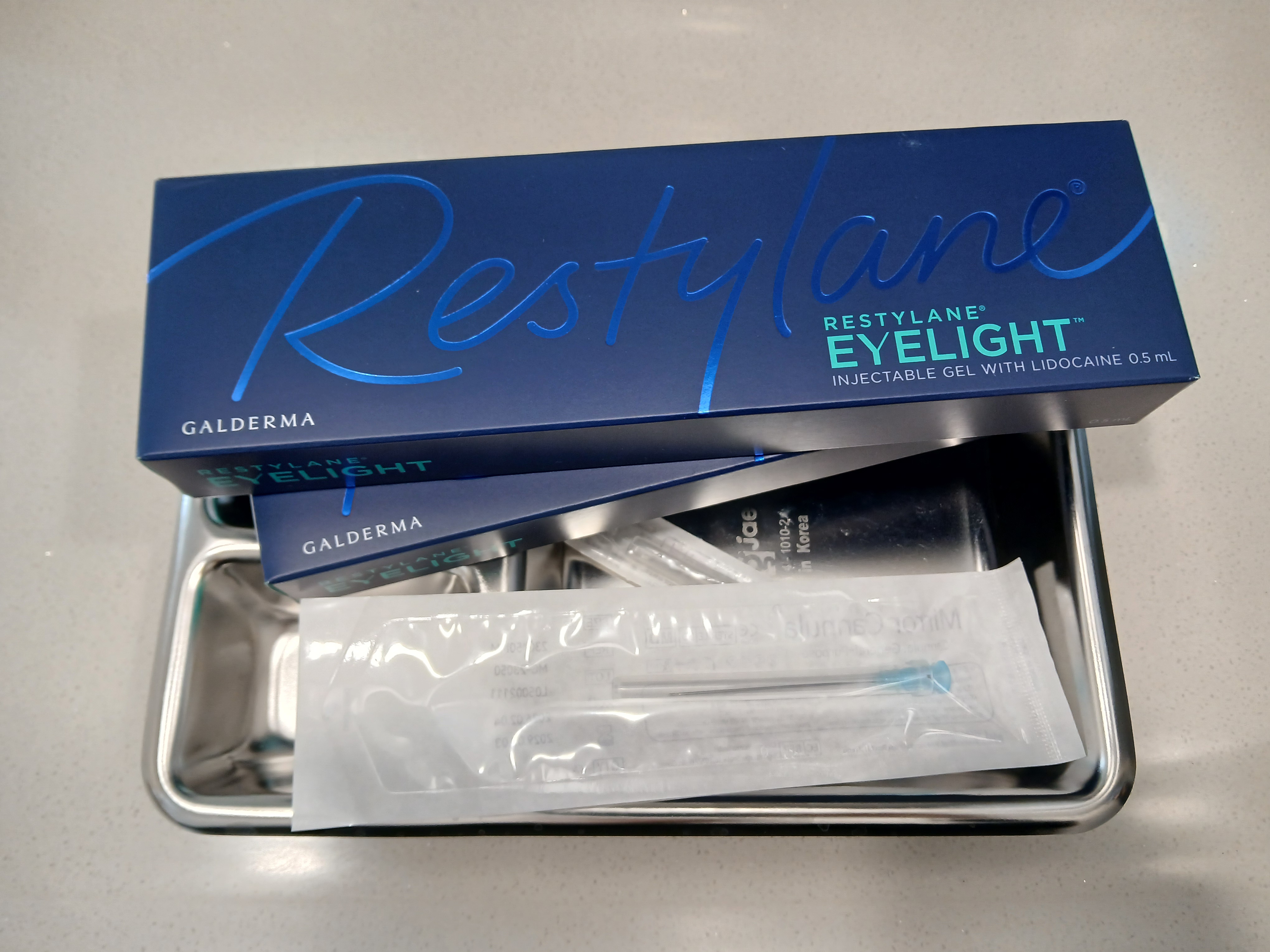
The area is one of the thinnest and most unforgiving on the face, so even small errors in volume or depth can read as puffiness rather than correction. This guide explains why puffiness happens and how careful planning at LUNN helps reduce it. Note that results vary between individuals, and a consultation is needed before any treatment.
Under-Eye Filler and Puffiness: Understanding the Basics
Under-eye filler refers to injectable gel placed in or near the tear trough to reduce hollowing and shadowing. Puffiness is a visible fullness or water-like swelling in that region, and it is the most common reason people seek revision. Because the skin here is thin and the lymphatic drainage is delicate, the margin between a refreshed look and a heavy look is small.
What Is Under-Eye Filler and Why Is It Used?
Under-eye filler is a cross-linked hyaluronic acid product injected deep to the orbicularis muscle or placed in the supraperiosteal plane to lift hollowing. It is used because the tear trough darkens and hollows as fat pads and bone support decline with age, and makeup cannot fully conceal a structural shadow. Typical products last 6 to 12 months depending on the formulation and metabolism, and many clinicians favor soft, low-hydrophilic gels for this zone. While filler is not a pigment laser, my clinical experience shows that by improving the deep dermal environment, it can often help improve the appearance of vascular and pigmented dark circles as well. At LUNN, I emphasize placing small volumes precisely rather than filling the entire hollow, as even a 1mm difference can significantly change one's impression. Patients should understand that this is a temporary, technique-dependent treatment with real limitations.
Why Puffiness Occurs: Common Causes and Mechanisms
Puffiness can arise from several mechanisms. Overfilling is a frequent cause, because the tear trough holds only a fraction of a milliliter before it begins to look full. Superficial placement can create a bluish or water-like appearance, known as the Tyndall effect. Individual anatomy matters: a prominent orbital fat pad or thin skin can make even appropriate volume look puffy. Early swelling is expected and usually improves within one to two weeks, but persistent fullness beyond four to six weeks deserves evaluation. Lymphatic congestion, product choice, and bruising can each mimic true overcorrection. Understanding which mechanism applies is the first step toward a sensible fix.
Preventing Puffiness: Strategies Before and After Treatment
Prevention begins with assessment and continues through aftercare. Most cases of avoidable puffiness trace back to planning decisions made before the needle is picked up, including how much product is used and where it is placed. My conservative, staged approach at LUNN reflects the principle that a small correction can be added later, but excess volume is harder to undo than to prevent.
Pre-Treatment Assessment and Planning
Assessment should map the hollow, check skin thickness, and screen for fluid retention or thyroid and kidney issues that affect swelling. The clinician should distinguish true hollowing from pigment, visible veins, and fat herniation. A conservative plan often starts with 0.3 to 0.5 mL per side and reviews at two to four weeks before adding more. Choosing a softer, lower water-binding gel—such as Belotero—reduces the risk of late puffiness or the Tyndall effect. Photographs and a clear discussion of limitations help set realistic expectations. At LUNN, I document and stage the plan so that each step can be judged before the next.
Post-Treatment Care and Monitoring
After treatment, cold compresses for the first 24 to 48 hours and sleeping with the head elevated help limit early swelling. Patients are usually advised to avoid strenuous exercise, alcohol, and high-salt meals for a few days, since these can worsen fluid retention. Gentle massage is recommended only when the injector specifies it, because indiscriminate pressure can move product. Review appointments at two and four weeks allow the clinician to tell expected swelling from genuine overcorrection. If fullness is resolving slowly, watchful waiting is reasonable; if it is stable or worsening, earlier review is better. Clear written aftercare instructions reduce uncertainty.
Comparing Treatment Options: Filler vs. Alternatives
Treatment options differ in mechanism, duration, and suitability. No single option is universally superior; the right choice depends on whether the problem is hollowing, pigment, skin laxity, or fat herniation. The table below summarizes features neutrally so that patients can discuss them with a clinician.
Types of Under-Eye Fillers: Pros and Cons
| Filler characteristic | Potential benefit | Potential limitation |
|---|---|---|
| Soft, low-hydrophilic HA gel | Lower water-binding, more natural feel | Shorter duration in some cases |
| Firmer cross-linked HA gel | Longer support in deeper planes | Higher risk of visible fullness if superficial |
| Low-concentration product | Gradual, controllable correction | May need additional sessions |
Softer gels are often chosen for thin under-eye skin, while firmer products suit deeper placement. Every filler carries risks of swelling, bruising, lumps, and, rarely, vascular events, and none is risk-free. Patients with significant fat herniation or loose skin may not be good candidates, and alternatives should be discussed. The goal is to match the product to the anatomy and the correction intended, not to chase a single product.
Alternative Approaches to Under-Eye Rejuvenation
Alternatives address different components of the under-eye appearance. Laser toning and fractionated lasers target pigment and skin texture, while microneedling with radiofrequency aims at collagen and laxity. For pigment and visible vessels, vascular lasers are used. For true fat herniation, surgical lower blepharoplasty is often considered a more permanent surgical solution, as no filler can remove a bulging fat pad. Each approach has downtime, cost, and limitations, and combinations are common. A clinician can explain which option fits the individual case.
Managing and Correcting Puffiness: What to Do If It Happens
If puffiness appears, the response depends on timing and cause. Early swelling is usually managed with conservative measures, while persistent fullness may need reassessment. The key is to avoid panicked over-treatment and to let the clinician judge whether the issue is fluid, product placement, or anatomy.
Immediate Steps and Professional Consultation
In the first days, cold compresses, head elevation, and avoiding salt and alcohol can reduce swelling. Most early puffiness resolves within one to two weeks. If fullness persists beyond four to six weeks, or if there is pain, discoloration, or firmness, the patient should contact the injector. For hyaluronic acid fillers, hyaluronidase can dissolve product when appropriate, but it is a clinical decision and not a routine fix. Massage and medication may help in selected cases. Self-dissolving or aggressive manipulation is not advised without guidance.
Long-Term Solutions and Revision Techniques
For persistent puffiness, revision begins with reassessment of volume, depth, and product type. Options include partial dissolution, careful massage, and, in some cases, adding support at a deeper plane rather than more superficial volume. In other cases, reducing or removing product is the right step, and patience is required because the area is slow to settle. Revision should be conservative, and small adjustments are preferred over large corrections. Patients should expect that some puffiness may be structural and not fully correctable with filler alone. A frank discussion of what is achievable is part of good care.
Safety, Risks, and Limitations
Under-eye filler is generally safe when performed by an experienced clinician, but it is not risk-free. The area has thin skin, dense vasculature, and limited room for error, so both the procedure and the aftercare matter. Balanced information about risks helps patients decide whether the treatment is appropriate for them.
Potential Side Effects and Complications
Common side effects include swelling, bruising, tenderness, and temporary lumpiness, most of which resolve within one to two weeks. Less common concerns include persistent lumps, Tyndall effect (a bluish tint), infection, and, rarely, vascular occlusion. Vision changes, blanching, or dusky discoloration require immediate medical attention. Individual healing varies, and some patients need more than one session or additional product. No treatment can guarantee a perfect result, and limitations should be discussed before starting. At LUNN, I review and document these risks as part of the consent process. Please note that side effects such as redness, swelling, or temporary bruising may occur, and results can vary depending on the individual.
When to Seek Help and How to Choose a Provider
Patients should seek help for severe or worsening pain, color change, vision symptoms, or firm lumps that do not settle. Choosing a provider with specific under-eye experience, a clear consent process, and a plan for managing complications is more important than choosing on price. Ask about product type, volume, and what happens if correction is needed. A clinician who discusses limitations and alternatives is generally a better guide than one who promises a perfect outcome.
Key Takeaways
- Under-eye puffiness after filler is common and usually temporary, resolving within one to two weeks.
- Overfilling, superficial placement, hydrophilic product, and individual anatomy are the main causes.
- Conservative volume, soft low-hydrophilic gels, and staged review reduce the risk.
- Persistent fullness beyond four to six weeks should be evaluated by the injector.
- Risks include swelling, bruising, lumps, and, rarely, vascular events; results vary by individual.
Frequently Asked Questions
Q. Why does under-eye filler sometimes look puffy?
Puffiness can stem from overfilling, superficial placement, a hydrophilic product that binds water, or individual anatomy such as a prominent fat pad. Early swelling is expected and usually settles within one to two weeks, but persistent fullness beyond four to six weeks should be reviewed. Identifying the mechanism guides the right response.
Q. How can I avoid puffiness after under-eye filler?
Choose an experienced injector, start with conservative volume, and select a soft, low-hydrophilic gel suited to thin skin. Follow aftercare such as cold compresses, head elevation, and avoiding salt and alcohol early on. A staged plan with review appointments helps catch fullness before it becomes established.
Q. What should I do if I experience puffiness after under-eye filler?
Mild swelling is normal and typically resolves within a week or two. If puffiness persists beyond a few weeks, or if there is pain, discoloration, or unevenness, contact the injector promptly. They may recommend observation, massage, medication, or, in some cases, dissolution with hyaluronidase for hyaluronic acid fillers.
Q. Is under-eye filler safe?
When performed by a skilled clinician, under-eye filler is generally safe, but it is not risk-free. Risks include swelling, bruising, infection, lumps, and, rarely, vascular occlusion. Choosing a clinician with under-eye experience and discussing complications and aftercare in advance helps reduce risk.
Q. Can using a different type of filler prevent puffiness?
Product choice matters. Softer, less hydrophilic fillers are often preferred for the under-eye area because they bind less water and feel more natural. Hyaluronic acid gels with lower water-binding capacity may suit thin skin better. The clinician can recommend a product based on anatomy and goals.
Q. How long does under-eye filler last, and does puffiness affect longevity?
Under-eye filler typically lasts 6 to 12 months, depending on the product and individual metabolism. Puffiness does not directly shorten longevity, but it can affect the aesthetic outcome. If fullness is due to overfilling, product may need to be adjusted or dissolved.
Q. Are there alternatives to under-eye filler for reducing puffiness?
Yes. Alternatives include lasers, microneedling with radiofrequency, and, for fat herniation, surgical lower blepharoplasty. These address different components such as pigment, laxity, or bulging fat. A consultation helps determine which approach fits the individual concern.
Q. What are the signs of a complication from under-eye filler?
Warning signs include severe pain, blanching, dusky discoloration, vision changes, and persistent firm lumps. These require immediate medical attention. Prolonged swelling or asymmetry should be evaluated by the injector. Seek a clinician experienced in managing filler complications.
If you are concerned about under-eye puffiness or are considering treatment, a consultation at LUNN can help clarify whether filler, an alternative, or revision is appropriate.
LUNN Dermatology Clinic / Dr. Hyung-kwon Park
FAQ
- Why does under-eye filler sometimes look puffy?
- Puffiness can stem from overfilling, superficial placement, a hydrophilic product that binds water, or individual anatomy such as a prominent fat pad. Early swelling is expected and usually settles within one to two weeks, but persistent fullness beyond four to six weeks should be reviewed. Identifying the mechanism guides the right response.
- How can I avoid puffiness after under-eye filler?
- Choose an experienced injector, start with conservative volume, and select a soft, low-hydrophilic gel suited to thin skin. Follow aftercare such as cold compresses, head elevation, and avoiding salt and alcohol early on. A staged plan with review appointments helps catch fullness before it becomes established.
- What should I do if I experience puffiness after under-eye filler?
- Mild swelling is normal and typically resolves within a week or two. If puffiness persists beyond a few weeks, or if there is pain, discoloration, or unevenness, contact the injector promptly. They may recommend observation, massage, medication, or, in some cases, dissolution with hyaluronidase for hyaluronic acid fillers.
- Is under-eye filler safe?
- When performed by a skilled clinician, under-eye filler is generally safe, but it is not risk-free. Risks include swelling, bruising, infection, lumps, and, rarely, vascular occlusion. Choosing a clinician with under-eye experience and discussing complications and aftercare in advance helps reduce risk.
- Can using a different type of filler prevent puffiness?
- Product choice matters. Softer, less hydrophilic fillers are often preferred for the under-eye area because they bind less water and feel more natural. Hyaluronic acid gels with lower water-binding capacity may suit thin skin better. The clinician can recommend a product based on anatomy and goals.
- How long does under-eye filler last, and does puffiness affect longevity?
- Under-eye filler typically lasts 6 to 12 months, depending on the product and individual metabolism. Puffiness does not directly shorten longevity, but it can affect the aesthetic outcome. If fullness is due to overfilling, product may need to be adjusted or dissolved.
- Are there alternatives to under-eye filler for reducing puffiness?
- Yes. Alternatives include lasers, microneedling with radiofrequency, and, for fat herniation, surgical lower blepharoplasty. These address different components such as pigment, laxity, or bulging fat. A consultation helps determine which approach fits the individual concern.
- What are the signs of a complication from under-eye filler?
- Warning signs include severe pain, blanching, dusky discoloration, vision changes, and persistent firm lumps. These require immediate medical attention. Prolonged swelling or asymmetry should be evaluated by the injector. Seek a clinician experienced in managing filler complications.