
Post
Thread Lifting vs Laser Lifting: How to Choose in 2026 | LUNN
Hello, I am Dr. Hyung-kwon Park, a board-certified dermatologist in Cheongdam and Apgujeong-rodeo.
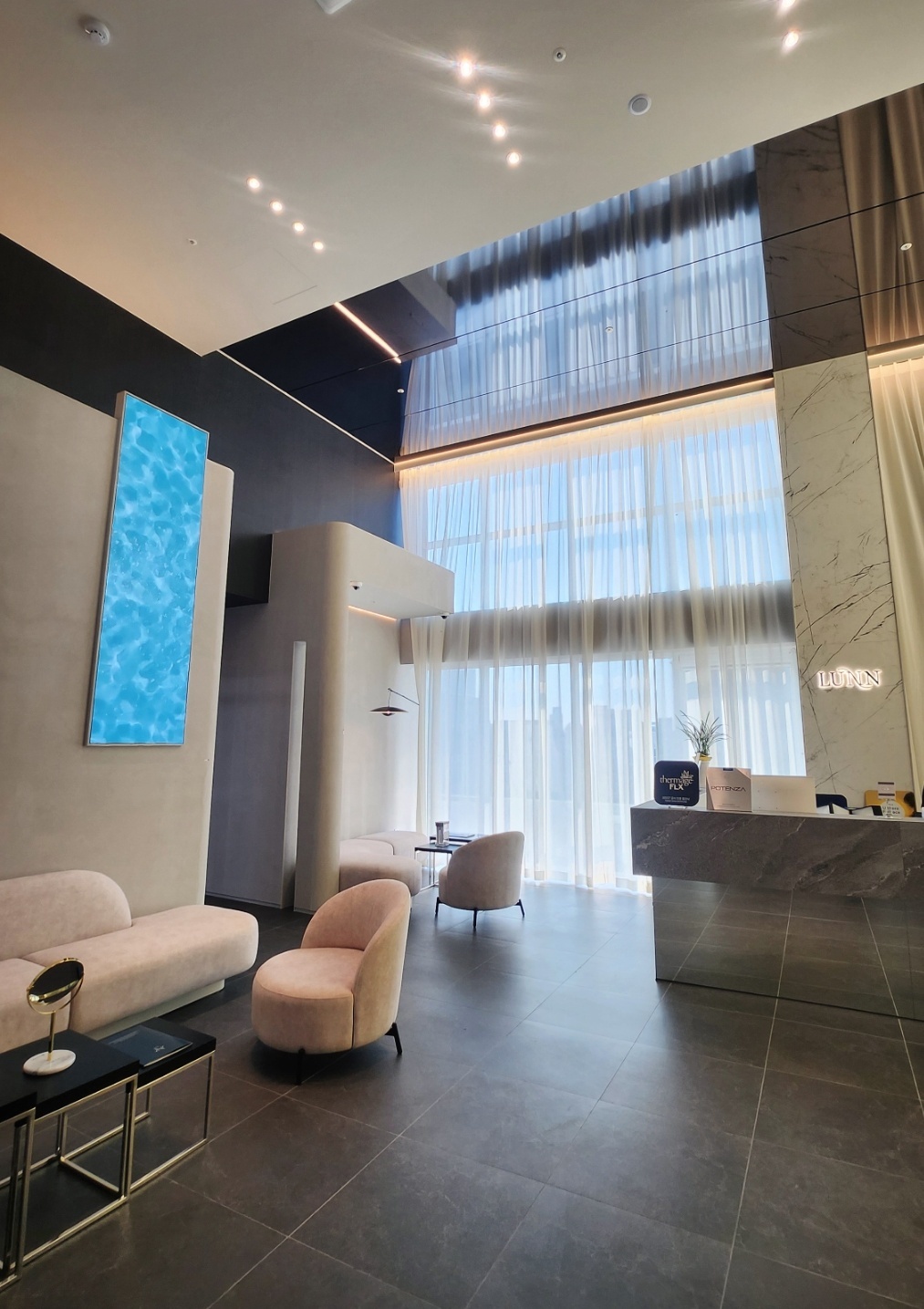
Choosing between thread lifting and laser lifting starts with a simple definition. In my clinical experience, thread lifting involves placing absorbable sutures under the skin to create mechanical support, while laser lifting delivers controlled thermal energy to deeper layers. I have prepared this guide to compare both approaches on mechanism, downtime, and limitations so you can make an informed decision during your consultation at LUNN Dermatology Clinic.
Thread Lifting vs Laser Lifting: Core Definitions
Thread lifting and laser lifting are two distinct ways to address laxity, and they differ in what they physically do to the skin. One adds structural support beneath the surface, while the other uses heat to trigger a remodeling response. Understanding that difference is the first step toward a realistic decision.
What Thread Lifting Does and How It Works
Thread lifting uses absorbable sutures, often made of materials such as PDO or PLLA, placed in the subcutaneous layer through small entry points. The threads create a mechanical scaffold that supports sagging tissue, and their presence stimulates a collagen response around each thread over the following weeks. Because the support is physical, some lifting effect can appear early, while collagen-related firmness develops gradually. Candidacy depends on skin thickness, the pattern of laxity, and how much volume is present. In very thin skin, threads may be palpable or cause visible dimpling, and bruising or swelling for several days is common. Results are not permanent, and the material is absorbed over time. At LUNN, thread planning begins with an assessment of tissue quality and individual anatomy rather than a default template. I focus on the structural harmony of the face, ensuring the placement aligns with the patient's natural aging patterns for a balanced and delicate result.
What Laser Lifting Does and How It Works
Laser lifting delivers controlled thermal energy to the dermis or deeper layers, depending on the device, to stimulate collagen and elastin remodeling. Unlike a physical scaffold, this approach works through a biological response, so firmness builds over weeks to months rather than immediately. The number of sessions is not fixed; it is determined by a thorough physician's assessment of individual skin goals and the specific degree of laxity. Most people describe the sensation as warm or prickling. Redness for a day or several days is common, and the intensity depends on device settings and skin condition. The heat component requires careful parameter selection in thin or reactive skin, and active inflammation or infection should be resolved before treatment. Providers at LUNN adjust settings to skin thickness and history rather than applying a fixed protocol. This bespoke approach ensures that we are treating the specific layer—whether SMAS or dermis—most relevant to the patient's current skin condition.
Key Structural Differences at a Glance
The core structural difference is mechanical support versus biological remodeling. Thread lifting introduces a material into the tissue, so the effect depends partly on where each thread is placed and partly on how the body responds around it. Laser lifting introduces no implant; its effect depends on thermal energy reaching the right depth without over-treating the surface. That distinction shapes downtime and risk in predictable ways. Thread lifting can create visible swelling or bruising in the first week and carries risks such as dimpling or palpability. Laser lifting tends to have shorter social downtime but may require maintenance sessions over time as determined during follow-ups. Neither approach replaces volume where volume has been lost, such as in the deep fat pads. A provider should explain which layer each option targets before you decide. At LUNN, I emphasize that the tools are only as effective as the diagnostic eye directing them, ensuring every energy pulse or thread placement is justified by your unique anatomy.
How to Decide: Comparing Thread Lifting and Laser Lifting
Deciding between the two begins with a structured comparison rather than a single headline benefit. The table below summarizes mechanism, downtime, and risk profile; the sections that follow describe who tends to benefit from each approach.
Comparison Table: Lift Mechanism, Downtime, and Risk Profile
| Feature | Thread Lifting | Laser Lifting |
|---|---|---|
| Mechanism | Absorbable sutures create mechanical support and stimulate collagen | Controlled thermal energy triggers collagen and elastin remodeling |
| Onset | Some early support; collagen effect builds over weeks | Gradual, building over weeks to months |
| Typical downtime | Often 3 to 7 days of visible swelling or bruising, with tenderness | Often 1 to 3 days of redness depending on intensity |
| Longevity | Varies by individual; depends on material absorption and tissue response | Varies by individual; periodic maintenance is often recommended |
| Sessions | Usually one, with touch-ups possible based on assessment | Personalized frequency determined by physician's diagnosis |
| Risk profile | Bruising, swelling, dimpling, palpability in thin skin | Redness, temporary sensitivity, pigment change risk with heat |
| Recommended for | Localized laxity with adequate tissue support | Skin quality and mild laxity, thin or reactive skin |
This table describes typical ranges, not guarantees. Individual outcomes vary with skin thickness, laxity pattern, healing capacity, and provider technique.
Who Tends to Benefit from Thread Lifting
Thread lifting tends to suit people with localized laxity and enough tissue thickness to support sutures, such as along the jawline or mid-face. It may appeal to those who want some early structural support and accept a short recovery window with possible bruising. It is generally less suited to very thin skin, where threads may be palpable, or to significant volume loss, which threads do not replace. Active infection, uncontrolled diabetes, or bleeding disorders can be contraindications. A candid assessment matters: in one case, a patient with mild jawline laxity and good tissue quality may be a reasonable candidate, while another with deep plane laxity may need a different plan. At LUNN, the decision follows a physical tissue assessment, where I manually check muscle thickness and fat distribution. We avoid "factory-style" procedures, focusing instead on whether the mechanical pull of a thread will truly harmonize with your existing facial structure and provide a natural-looking improvement without an over-tightened appearance.
Who Tends to Benefit from Laser Lifting
Laser lifting tends to suit people whose main concern is skin quality and mild laxity rather than structural descent. It may be preferred in thin or reactive skin because it avoids implanted sutures, though the heat component still requires careful settings. Those who want shorter social downtime and accept that results develop over time often find it practical. It is not a substitute for volume restoration or for lifting deeper planes through surgery. Redness and temporary sensitivity are common, and pigment change is a consideration in some skin types. A provider should review prior treatments, healing history, and sun exposure before planning. At LUNN, laser parameters are chosen after assessing skin thickness and sensitivity, and limitations are discussed before the first session. I often tell my patients that laser lifting is like treating the "soil" of the skin; it improves the environment for collagen to grow, which serves as a foundational step before more structural interventions are even considered.
Safety, Limitations, and Realistic Expectations
Safety and realistic expectations are central to choosing either option. Both thread lifting and laser lifting have recognized side effects and limits, and a balanced plan addresses them before treatment rather than afterward.
Common Side Effects and Recovery Considerations
Thread lifting commonly involves swelling, bruising, and tenderness for several days, and in thin skin, dimpling or thread palpability can occur. Rarely, infection or thread migration is reported, which is why technique and aftercare matter. Laser lifting commonly causes redness and temporary sensitivity, and pigment change is a consideration with heat-based devices. Recovery varies with intensity and skin response. Neither option is risk-free, and individual healing differs significantly. Providers should explain what typical recovery looks like and when to seek follow-up. At LUNN, aftercare instructions are given in writing, and follow-up is scheduled rather than left to chance. I personally oversee the post-procedural progress to ensure that any temporary swelling or redness resolves as expected. We believe that professional treatment includes the entire journey from the initial diagnostic touch to the final recovery check, ensuring the skin is treated with delicate care at every stage.
Limits of Each Approach and the Role of Combination Planning
Each approach has limits. Thread lifting does not restore volume and may not address deep plane laxity; laser lifting builds gradually and requires maintenance sessions. Some patients combine them in a staged plan, often starting with laser lifting to improve skin quality before adding thread support, or spacing treatments to let inflammation settle. Combining is not automatically better and should be individualized after assessing skin thickness, prior treatments, and healing capacity. A provider should explain the rationale for sequencing and the expected timeline. At LUNN, combination planning is offered only when the assessment supports it, with limitations stated clearly. I approach these combinations like a custom architectural renovation; we ensure the foundation is stable with skin-quality treatments before adding structural supports. This logic helps prevent the "overdone" look and focuses on achieving perfect harmony between different facial layers and treatment modalities.
How to Verify Provider Credentials and Clinic Standards
Verifying credentials means asking who performs the procedure, what device or thread materials are used, and how complications are managed. Request a clear explanation of alternatives and limitations. Confirm that the provider is licensed and experienced with the specific technique, and avoid decisions based solely on promotional pricing. Clinic standards matter too: written aftercare, scheduled follow-up, and a willingness to say when a procedure is not appropriate. At LUNN, the assessment and the procedure are handled by the same physician, and the plan is explained before any commitment. Verification is a reasonable request, not a sign of distrust. I believe a professional space should provide a sense of refined detail and nobility, where the patient feels empowered by information. Choosing a board-certified dermatologist ensures that the person handling the equipment understands the complex anatomy of the skin and can respond expertly to any variation in the healing process.
Cost, Consultation, and Practical Next Steps
Cost and consultation are practical parts of the decision. Price differences reflect real variables, and a structured consultation helps translate those variables into a plan that fits your skin and schedule.
What Drives Price Differences Without Specific Numbers
Price differences between thread lifting and laser lifting reflect variables rather than a single headline figure. For thread lifting, the number and type of threads, the areas treated, and the complexity of placement influence cost. For laser lifting, the specific device used, the treatment area, and the clinical expertise involved matter. Clinic standards, physician involvement, and individualized aftercare also contribute to the total value. A lower price may reflect fewer threads, a different device, or a shorter plan, so comparing quotes requires comparing what is included in the care package. At LUNN, cost is discussed during consultation after the plan is defined, not before the assessment. We focus on value-based care where the investment reflects the time spent on precision diagnosis and the use of high-quality materials, such as low-hydrophilicity fillers or premium sutures, to minimize potential side effects like the Tyndall effect or excessive swelling.
Questions to Ask During a Consultation
A useful consultation answers specific questions. Ask who performs the procedure, what materials or device are used, and what typical recovery looks like. Ask how complications are managed and what alternatives exist. Ask whether the plan includes follow-up and what maintenance might involve. Ask when neither option is the right first step. A provider should welcome these questions and answer without pressure. At LUNN, the consultation includes a candid discussion of limitations and a written plan. I encourage my patients to ask about the "why" behind a recommendation—why this specific thread or this specific laser parameter? Bringing a list of questions helps ensure nothing is overlooked. My goal is to be a "shining guide," leading you toward the treatment that truly fulfills your aesthetic wishes while maintaining the health and integrity of your skin.
Building a Personalized Treatment Sequence
A personalized sequence starts with assessment, not with a procedure name. Skin thickness, laxity pattern, volume status, prior treatments, and healing history shape the order of steps. Some patients begin with laser lifting to improve skin quality, then add thread support if needed; others may need a different approach altogether. Spacing treatments allows inflammation to settle and makes the response easier to evaluate. Maintenance sessions are typically planned based on individual aging rates rather than a fixed calendar. The sequence should be reviewed at follow-up and adjusted if the response differs from expectation. At LUNN, the sequence is documented and revisited rather than fixed in advance. We believe that refining the details of a treatment plan over time leads to the most natural results. For related reading, see How Does a Dermatologist Assess Muscle Thickness Before Botox? A 2026 Guide from LUNN and A Guide to Lifting Treatments by Skin Layer: Refining the Details at LUNN.
Key Takeaways
- Thread lifting adds mechanical support with absorbable sutures; laser lifting uses thermal energy to stimulate collagen.
- Typical downtime ranges from 3 to 7 days for thread lifting and 1 to 3 days of redness for laser lifting.
- Longevity and the number of sessions vary significantly based on individual tissue response, material types, and physician diagnosis.
- Neither option replaces volume or addresses deep plane laxity, and combination planning should be individualized.
- Verify credentials, ask about materials and follow-up, and treat price as one variable among several.
Frequently Asked Questions
Q. What is the main difference between thread lifting and laser lifting?
Thread lifting uses absorbable sutures placed under the skin to create mechanical support and stimulate collagen, while laser lifting delivers controlled thermal energy to deeper layers to tighten tissue. Thread lifting tends to produce more immediate structural lift, whereas laser lifting builds collagen gradually over weeks to months. Neither is universally superior; the choice depends on skin thickness, laxity pattern, and downtime tolerance.
Q. Is thread lifting or laser lifting more painful?
Thread lifting typically involves local anesthesia and may cause more discomfort during the procedure and for a few days afterward, along with possible bruising and swelling. Laser lifting is often described as warm or prickling, with milder recovery in most cases. Pain perception varies by individual, and a provider should discuss anesthesia options and expected recovery openly.
Q. How long do results from thread lifting and laser lifting last?
Results for both treatments vary significantly depending on the individual's skin condition, the materials used, and the body's biological response. Thread lifting longevity depends on the absorption rate of the sutures, while laser lifting results are influenced by the natural pace of collagen remodeling. Regular maintenance sessions are often discussed during follow-up appointments to sustain the desired effect.
Q. Can I combine thread lifting and laser lifting?
Some patients combine them in a staged plan, typically starting with laser lifting to improve skin quality before adding thread support, or spacing treatments to allow inflammation to settle. Combination planning requires a provider to assess skin thickness, prior treatments, and healing capacity. Combining is not automatically better and should be individualized.
Q. Which option is safer for sensitive or thin skin?
Laser lifting may be preferred when skin is thin or reactive because it avoids implanted sutures, but the heat component still requires careful parameter selection. Thread lifting may pose higher risks of visible dimpling or thread palpability in very thin skin. A provider should evaluate skin quality and history before recommending either.
Q. What should I ask before choosing a clinic for either procedure?
Ask who performs the procedure, what device or thread materials are used, how complications are managed, and what realistic recovery looks like. Request a clear explanation of alternatives and limitations. Verify that the provider is licensed and experienced with the specific technique, and avoid decisions based solely on promotional pricing.
Q. Are there cases where neither thread lifting nor laser lifting is appropriate?
Yes. Significant volume loss, deep plane laxity, or certain medical conditions may call for different approaches or referral. Active skin infection, uncontrolled diabetes, or bleeding disorders can also be contraindications. A consultation should include a candid discussion of when neither option is the right first step.
Q. How much downtime should I expect after each procedure?
Thread lifting often involves 3 to 7 days of visible swelling or bruising, with some tenderness. Laser lifting typically has shorter social downtime, sometimes 1 to 3 days of redness depending on intensity. These are typical ranges, not promises, and individual recovery varies with treatment settings and skin response.
Detailed consultations regarding these procedures are available by appointment. / LUNN Dermatology Clinic, Dr. Hyung-kwon Park. Follow @dr.lunn on Threads for more clinical notes.
FAQ
- What is the main difference between thread lifting and laser lifting?
- Thread lifting uses absorbable sutures placed under the skin to create mechanical support and stimulate collagen, while laser lifting delivers controlled thermal energy to deeper layers to tighten tissue. Thread lifting tends to produce more immediate structural lift, whereas laser lifting builds collagen gradually over weeks to months. Neither is universally superior; the choice depends on skin thickness, laxity pattern, and downtime tolerance.
- Is thread lifting or laser lifting more painful?
- Thread lifting typically involves local anesthesia and may cause more discomfort during the procedure and for a few days afterward, along with possible bruising and swelling. Laser lifting is often described as warm or prickling, with milder recovery in most cases. Pain perception varies by individual, and a provider should discuss anesthesia options and expected recovery openly.
- How long do results from thread lifting and laser lifting last?
- Thread lifting results may last roughly 12 to 18 months depending on thread type, placement, and individual collagen response. Laser lifting results often build over 2 to 3 sessions and may last 6 to 12 months, with maintenance sessions sometimes needed. These are general ranges, not guarantees, and individual outcomes differ.
- Can I combine thread lifting and laser lifting?
- Some patients combine them in a staged plan, typically starting with laser lifting to improve skin quality before adding thread support, or spacing treatments to allow inflammation to settle. Combination planning requires a provider to assess skin thickness, prior treatments, and healing capacity. Combining is not automatically better and should be individualized.
- Which option is safer for sensitive or thin skin?
- Laser lifting may be preferred when skin is thin or reactive because it avoids implanted sutures, but the heat component still requires careful parameter selection. Thread lifting may pose higher risks of visible dimpling or thread palpability in very thin skin. A provider should evaluate skin quality and history before recommending either.
- What should I ask before choosing a clinic for either procedure?
- Ask who performs the procedure, what device or thread materials are used, how complications are managed, and what realistic recovery looks like. Request a clear explanation of alternatives and limitations. Verify that the provider is licensed and experienced with the specific technique, and avoid decisions based solely on promotional pricing.
- Are there cases where neither thread lifting nor laser lifting is appropriate?
- Yes. Significant volume loss, deep plane laxity, or certain medical conditions may call for different approaches or referral. Active skin infection, uncontrolled diabetes, or bleeding disorders can also be contraindications. A consultation should include a candid discussion of when neither option is the right first step.
- How much downtime should I expect after each procedure?
- Thread lifting often involves 3 to 7 days of visible swelling or bruising, with some tenderness. Laser lifting typically has shorter social downtime, sometimes 1 to 3 days of redness depending on intensity. These are typical ranges, not promises, and individual recovery varies with treatment settings and skin response.