
Post
A Dermatologist's 2026 Guide to Non-Invasive Structural Rejuvenation: Achieving Balanced Harmony
Advanced structural rejuvenation is an intentional, clinical approach that utilizes state-of-the-art non-invasive technologies and precise injectable treatments to address sagging tissues while simultaneously stimulating natural collagen synthesis. At LUNN, as a dermatology specialist, I focus on refining subtle facial details to help you achieve a naturally rejuvenated appearance without the prolonged recovery of invasive surgery.
This comprehensive guide outlines how this tailored approach restores structural harmony and long-term elasticity to aging skin.
Understanding Custom Structural Rejuvenation: An Overview
Modern aesthetic dermatology represents a sophisticated clinical discipline designed to address facial laxity by targeting the deep structural layers of the skin. This approach provides reliable tissue repositioning and tightening while establishing a biological foundation for ongoing structural rejuvenation.
What Is Tailored Structural Design?
Tailored structural design is a modern aesthetic philosophy that utilizes advanced energy-based devices and specialized fillers to elevate lax skin. When these modalities are strategically planned across the facial architecture, they create an immediate physical and biological improvement that counteracts the visible signs of gravity and volume loss. Beyond this instantaneous shift, the true value of the procedure lies in its ability to interact dynamically with the surrounding extracellular matrix over several months. As a dermatologist, I utilize these techniques to address subtle structural shifts in the lower face, midface, and jawline, focusing on natural refinement rather than over-correction. The treatments are performed in an outpatient setting, allowing patients to experience subtle structural enhancements with minimal disruption to their daily schedules. It serves as an effective option for individuals seeking balanced rejuvenation through custom-tailored medical care.
How Non-Invasive Modalities Trigger Natural Structural Regeneration
Non-invasive treatments achieve long-term structural improvement by initiating a controlled thermal or biological response within the deep dermal and subdermal layers. As the body responds to targeted energy or biocompatible materials, it activates localized fibroblasts to begin producing new collagen and elastin fibers around the structural matrix. This micro-stimulation process continues steadily throughout the months following the procedure. Even as the initial immediate tightening transitions, the newly synthesized collagen network remains intact. This biological scaffolding provides persistent structural support that helps maintain the elevated position of the facial contours. At LUNN, I design these treatments around individual aging patterns to ensure that the regenerative response aligns precisely with the patient's unique anatomy, promoting a gradual improvement in overall skin density and firmness.
The Biological Mechanics of Skin Elasticity Restoration
The biological mechanics of skin elasticity restoration rely on the interaction between precise anatomical targeting and cellular mechanotransduction. When advanced tightening devices deliver energy into the deeper tissue, the thermal stress signals the cellular components to upregulate the production of structural proteins. This response restores the microscopic architecture that naturally depletes during the chronological aging process, where skin typically loses a percentage of its collagen content annually. The integration of new collagen bundles enhances dermal thickness and improves the viscoelastic properties of the treated areas. Over time, the cellular matrix becomes more organized, mimicking the structural integrity of younger skin tissue. While initial changes are observed early on, the biological benefits from this cellular remodeling continue to support the facial framework, helping to mitigate the appearance of mild to moderate skin laxity over an extended period.
Comparing Key Rejuvenation and Tightening Modalities
Comparing custom non-invasive treatments involves evaluating the distinct mechanisms through which different aesthetic technologies address structural aging and tissue laxity. While some devices rely entirely on micro-focused energy to contract deep layers, others introduce volume to support sagging skin.
Micro-Focused Ultrasound versus Monopolar Radiofrequency
Micro-focused ultrasound and monopolar radiofrequency represent two distinct approaches to facial rejuvenation, each catering to different structural needs. High-intensity micro-focused ultrasound delivers targeted thermal energy into the deep superficial muscular aponeurotic system (SMAS) layer to induce localized tissue coagulation and subsequent contraction. This energy-based modality excels at tightening the deep structural foundation of the skin envelope. In contrast, monopolar radiofrequency treatments focus on volumetric heating of the deep dermis, promoting widespread collagen tightening and skin density improvement. Understanding these differences helps patients form realistic expectations regarding the nature of their structural outcomes. For comprehensive anti-aging insights, you can review A Dermatologist's Guide to Ulthera and Thermage Combination Benefits: Achieving Structural Harmony at LUNN to understand alternative energy treatments.
Differentiating Structural Volume from Deep Energy Tightening
Differentiating structural volume restoration from deep energy tightening is essential when selecting the most appropriate dermatological procedure for facial sagging. Advanced volume restoration utilizes specialized fillers to provide immediate visible refinement to the facial contours by addressing deep tissue loss, such as in the under-eye region where a shadow is often created by structural shifts like the tear trough ligament. On the other hand, thermal tissue coagulation relies on heat generated by ultrasound or radiofrequency devices (such as Ultherapy, Thermage, or ONDA) to create controlled micro-injuries in specific layers. This heat causes an immediate contraction of existing collagen fibers followed by a secondary healing response that generates new structural proteins over several months. While thermal treatments are excellent for improving deep elasticity, volume treatments restore the underlying contours.
A Comparative Look at Recovery Windows and Structural Longevity
A comparative look at recovery windows and structural longevity reveals important characteristics that individuals must consider before undergoing treatment. Advanced energy-based treatments generally require minimal downtime, allowing patients to resume normal activities quickly, with results developing gradually over three to six months. In terms of longevity, the biological benefits from deep collagen regeneration support the facial framework for approximately twelve to eighteen months, depending on individual skin conditions and lifestyle factors. Volume restoration treatments provide immediate correction, with longevity varying based on the specific material's physical properties. At LUNN, I assess these timelines during the initial consultation to ensure the chosen modality matches each patient's lifestyle and aesthetic goals perfectly.
| Modality Option | Primary Mechanism | Structural Target | Immediate Result | Typical Recovery Window |
|---|---|---|---|---|
| Micro-Focused Ultrasound (Ulthera) | Thermal tissue coagulation and contraction | Deep SMAS layer | Gradual tightening over months | Minimal to no downtime |
| Monopolar Radiofrequency (Thermage) | Volumetric deep dermal heating | Deep dermis layers | Gradual texture and density shift | Minimal to no downtime |
| Dermal Fillers (e.g., Belotero) | Structural volume restoration | Subdermal and deep dermal layers | Immediate contour refinement | Minimal downtime |
The Custom Treatment Protocol at LUNN
The custom treatment protocol at LUNN is a specialized medical framework that prioritizes precise facial mapping and individual anatomical analysis to achieve natural structural harmony. By eschewing standardized, one-size-fits-all methods, this approach ensures that every treatment plan respects the unique proportions and movement patterns of the patient's face.
Detailed Facial Mapping for Natural Harmony
Detailed facial mapping for natural harmony involves a comprehensive pre-operative assessment of the patient's three-dimensional facial architecture while in both static and dynamic states. As a dermatology specialist, I carefully evaluate how the soft tissues shift when laughing, speaking, and smiling to prevent an unnatural appearance post-procedure. This mapping process identifies the exact points of tissue descent and determines the optimal energy delivery zones or injection sites for each individual. By analyzing the unique structural balance between the midface, lower face, and jawline, I can create a customized plan that enhances your natural features without altering your fundamental identity. This meticulous preparation is vital because subtle variations in placement can significantly influence the final aesthetic balance.
Precise Structural Design Tailored to Individual Anatomy
Precise structural design tailored to individual anatomy focuses on identifying the specific target depths required to lift and tighten descended facial tissues effectively. Rather than applying a generic treatment plan, I calculate multi-directional approaches that counteract the precise pathway of gravity-induced aging unique to each patient. This customized approach prevents the flattening of natural facial curves and avoids creating excessive fullness. The depth of energy delivery or product placement is managed meticulously to protect underlying structures. By tailoring the treatment trajectories to the patient's underlying bone structure and soft tissue volume, the procedure delivers a balanced refinement that integrates seamlessly with natural expressions. At LUNN, this precise alignment forms the core of our structural philosophy, ensuring that the regenerative collagen framework forms along lines that naturally enhance facial contours.
Dr. Hyung-kwon Park’s Dedicated Single-Physician Approach
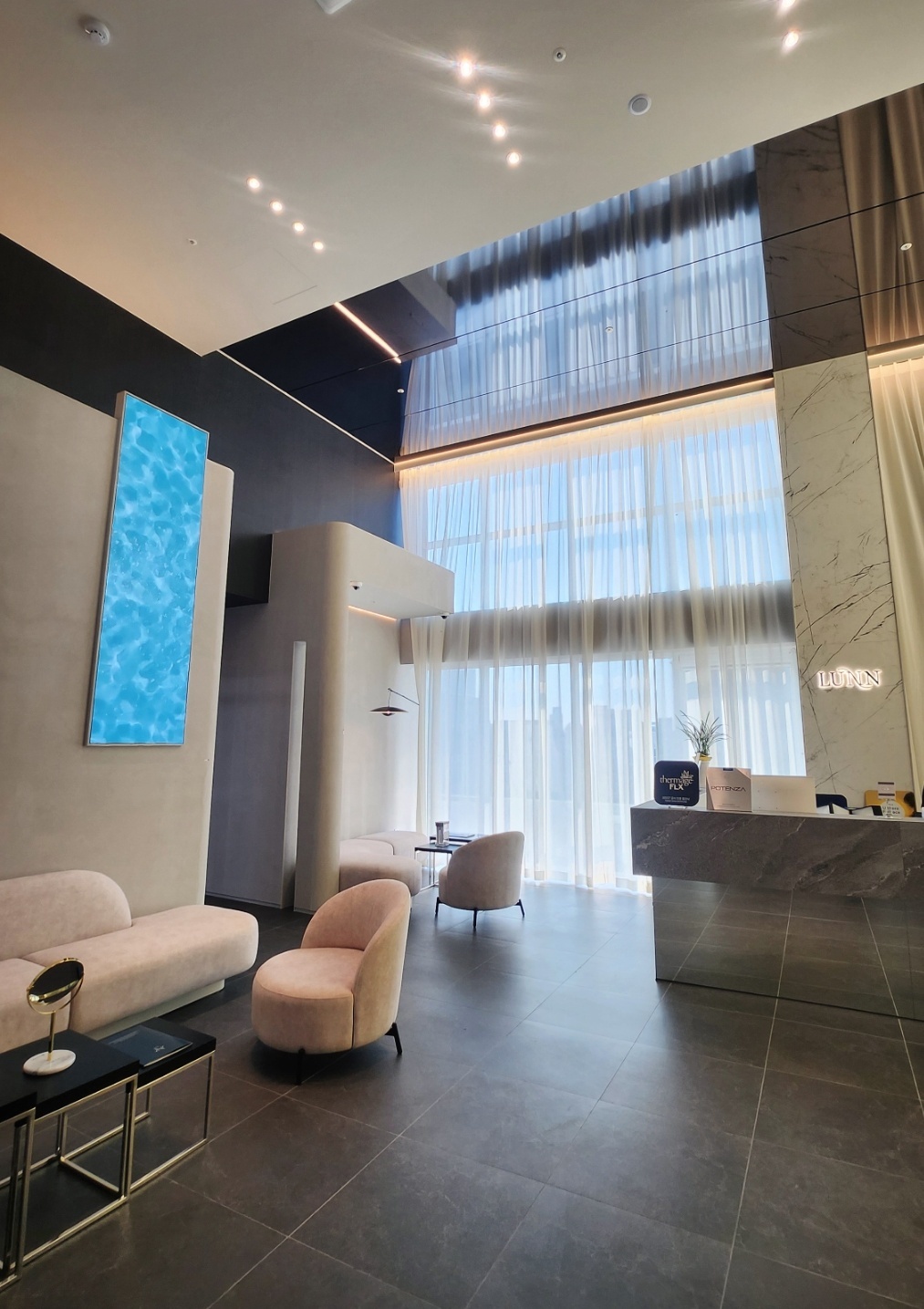
Dr. Hyung-kwon Park’s dedicated single-physician approach ensures that every phase of your aesthetic journey is managed directly by an experienced dermatology specialist. From the initial comprehensive skin analysis to the execution of the customized treatment plan and the subsequent post-procedure follow-ups, I personally oversee your care rather than delegating tasks to secondary staff. This continuity of treatment allows me to understand the subtle nuances of your skin quality, thickness, and healing capacity, which directly informs how I customize the techniques. At LUNN, located in a beautifully open, five-meter high ceiling space designed for patient comfort, I intentionally avoid high-volume, assembly-line medical models because I believe that achieving true structural harmony requires focused, unhurried precision. This dedicated oversight provides a consistent, evidence-based standard of care where patient safety and refined, natural outcomes remain the absolute priorities throughout the entire regenerative process.
Important Considerations, Potential Risks, and Recovery Realities
Important considerations, potential risks, and recovery realities involve understanding the physiological responses and necessary limitations that accompany any non-invasive structural dermatological procedure. While these advanced treatments avoid major surgical incisions, they still require appropriate clinical awareness of temporary tissue adjustments and individual healing variations.
Managing Temporary Redness, Swelling, and Mild Bruising
Managing temporary redness, swelling, and mild bruising is a standard part of the post-procedure recovery phase for most individuals. Because advanced energy delivery or injections involve deep tissue targeting, localized minor inflammation is an expected physiological response that typically peak within forty-eight hours. Patients may also experience a minor tender sensation as the tissue begins to heal and respond. These common side effects generally subside within a few days to two weeks without requiring intensive medical intervention. Applying cold compresses during the initial recovery window can help mitigate swelling effectively. At LUNN, I provide detailed aftercare instructions to support smooth tissue integration and minimize discomfort, ensuring that patients can comfortably navigate the healing process while their skin begins the vital work of natural collagen regeneration.
Understanding Individual Anatomical Variations and Limitations
Understanding individual anatomical variations and limitations is crucial for establishing realistic expectations and ensuring safety prior to undergoing a non-surgical procedure. Non-invasive structural rejuvenation is designed to address mild to moderate skin laxity and tissue descent and is not a substitute for a surgical facelift in cases of severe tissue redundancy. Factors such as underlying bone structure, subcutaneous fat volume, and baseline skin thickness heavily influence the overall outcome and longevity of the treatment. For instance, individuals with very thin skin require a delicate approach to choose low-hydrophilicity fillers to avoid swelling, while those with heavier facial tissue may require deeper energy-based tightening. In certain cases, alternative treatments or multi-layered combinations may be more appropriate to achieve the desired aesthetic goals. A thorough physical evaluation is always required to determine suitability based on your unique anatomical profile.
Post-Procedure Care Guidelines for Optimal Rejuvenation
Post-procedure care guidelines for optimal tissue recovery are essential to facilitate undisturbed collagen synthesis. During the first week following treatment, patients should avoid intense heat exposures such as saunas, strenuous physical exercise, and aggressive facial scrubbing. It is also important to maintain adequate hydration and apply recommended sun protection, as UV radiation can suppress localized skin immunity and hinder optimal healing. Adhering to these structural guidelines helps prevent rare complications and supports smooth integration. I emphasize these practical steps to every patient at LUNN because proper compliance significantly supports the biological healing response, allowing the regenerative framework to mature securely within the deep dermal layers.
Frequently Asked Questions
Q. What exactly is non-invasive structural rejuvenation?
Non-invasive structural rejuvenation refers to tailored clinical treatments utilizing energy-based devices (such as Ultherapy or Thermage) or precise injectables to improve tissue laxity and restore volume. These methods gradually stimulate the body's natural collagen synthesis over time.
Q. How long do the results of these tightening treatments typically last?
While individual results vary based on age, skin condition, and lifestyle, the structural benefits from energy-based treatments generally remain noticeable for twelve to eighteen months. The newly generated collagen framework continues to support the tissue over time.
Q. What are the common side effects and risks associated with these procedures?
Patients commonly experience temporary redness, mild swelling, or localized tenderness. These effects are typical tissue responses to energy delivery or volume injections and generally subside within a few days to two weeks.
Q. What is the typical downtime required after the treatment?
Most individuals return to their regular daily routines almost immediately following the procedure. However, minor swelling or tenderness may persist for a short period, so it is recommended to follow personalized aftercare guidance.
Q. How much does a custom rejuvenation plan cost at LUNN?
The cost varies depending on the specific modalities utilized, the complexity of the facial structure, and the overall scope of the treatment plan. Detailed financial consultation is provided following a comprehensive, personalized medical evaluation at our clinic.
Q. Who is an ideal candidate for non-surgical structural lifting?
This procedure is generally suitable for individuals experiencing mild to moderate skin laxity or early volume loss who seek subtle structural improvement without undergoing surgery. A thorough consultation is necessary to determine suitability based on individual skin thickness.
Q. Why are multiple sessions or combined treatments sometimes recommended?
Different layers of the face experience aging uniquely. Combining deep muscular layer targeting (like ultrasound) with dermal layer tightening (like radiofrequency) or volume replacement provides a multi-layered approach that addresses the full structural architecture.
Key Takeaways
- Custom non-invasive rejuvenation provides immediate contour support and long-term biological structural tightening.
- Results typically remain noticeable for twelve to eighteen months, though individual experiences vary based on baseline skin conditions.
- Common temporary side effects include mild redness, swelling, and localized tenderness, which generally resolve within two weeks.
- A personalized structural design and a dedicated single-physician approach are vital for achieving natural facial harmony.
For personalized guidance or to discuss your structural rejuvenation options, please contact our clinic.
LUNN / Dr. Hyung-kwon Park
Feel free to connect with my clinical insights on Threads @dr.lunn.
FAQ
- What exactly is thread lifting with collagen regeneration?
- It is a minimally invasive dermatological procedure where biocompatible, dissolvable threads are inserted into specific skin layers. These threads provide immediate mechanical support while gradually stimulating the body's natural collagen synthesis as they dissolve over time.
- How long do the results of a collagen thread lift typically last?
- While individual results vary based on age, skin condition, and lifestyle, the structural benefits generally remain noticeable for twelve to eighteen months. The newly generated collagen framework continues to support the tissue even after the polymer threads have completely dissolved.
- What are the common side effects and risks associated with the procedure?
- Patients commonly experience temporary redness, mild swelling, localized bruising, or a minor pulling sensation. These effects are typical tissue responses and generally subside within a few days to two weeks, though rare risks like asymmetry require expert placement.
- What is the typical downtime required after the treatment?
- Most individuals return to their regular daily routines within a few days following the procedure. However, minor swelling or tenderness may persist for a short period, so it is recommended to avoid strenuous exercise for two weeks.
- How much does a collagen thread lift cost at lunnclinic?
- The cost varies depending on the specific type of threads utilized, the complexity of the facial structure, and the total number of threads required. Detailed pricing is provided following a comprehensive, personalized medical evaluation at our clinic.
- Who is an ideal candidate for thread lifting with collagen regeneration?
- This procedure is generally suitable for individuals experiencing mild to moderate skin laxity who seek subtle structural improvement without undergoing surgery. A thorough consultation is necessary to determine suitability based on individual skin thickness and elasticity.
- What non-surgical alternatives are available if I am not a suitable candidate?
- For individuals with different structural needs, advanced energy-based devices such as Ultherapy or Thermage may be recommended to improve skin laxity through thermal stimulation. Injectable biostimulators can also be utilized to address localized volume loss effectively.