
Post
SMAS Layer Lifting vs Dermis Lifting: A 2026 Guide to Depth, Structure, and Skin Quality
Understanding SMAS Layer Lifting vs Dermis Lifting
Hello, I am Park Hyung-kwon, a board-certified dermatologist in Cheongdam and Apgujeong Rodeo.
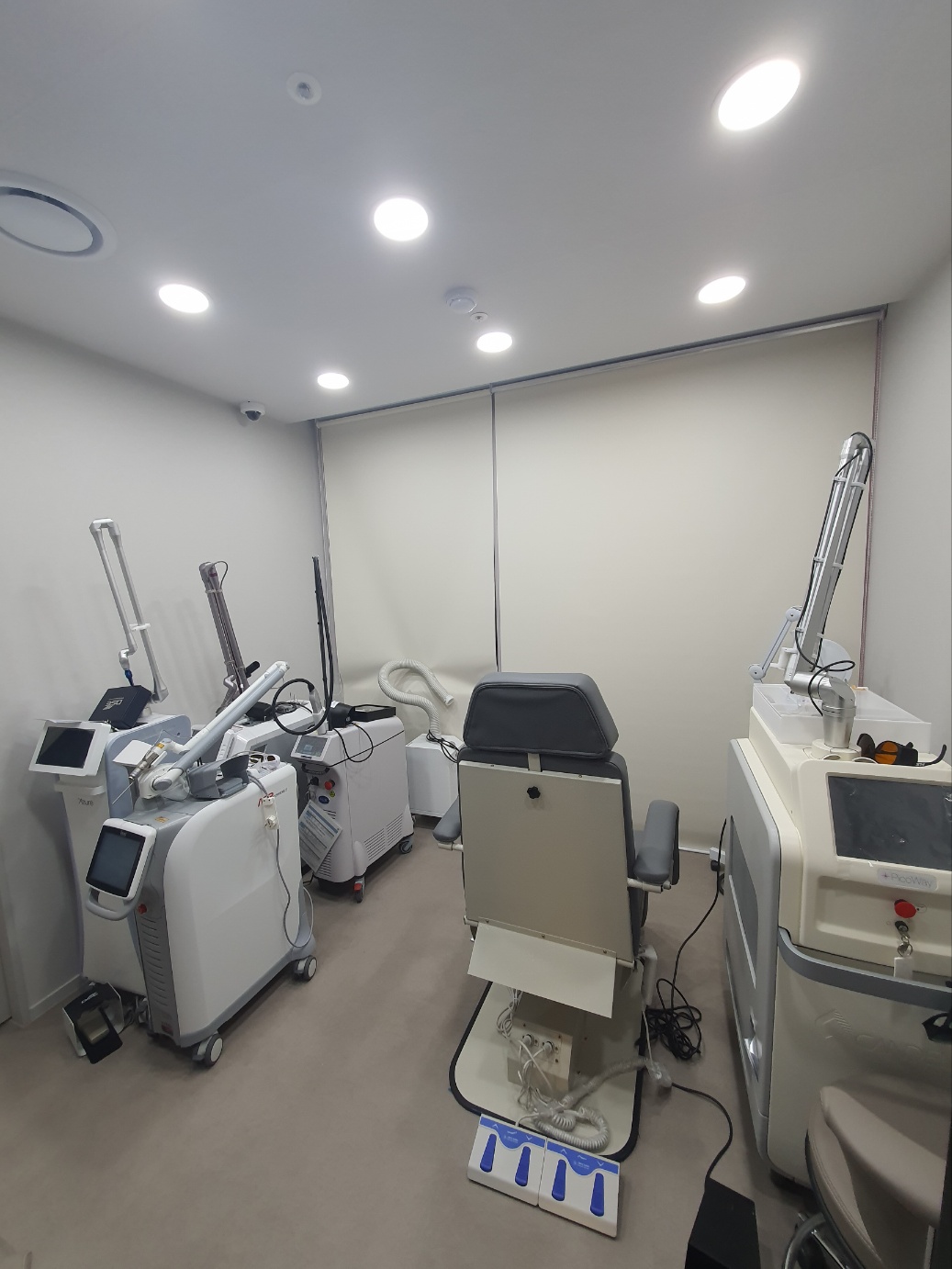
SMAS layer lifting and dermis lifting are two approaches to facial rejuvenation that work at different anatomical depths. The first targets the deeper fibromuscular support network beneath the fat layer, while the second works within the skin itself to improve texture and mild looseness. Understanding which layer drives your visible sagging is the starting point for a sensible plan.
This guide explains the anatomy, the mechanisms, the trade-offs, and the practical questions worth asking before you decide. In my practice at LUNN, the approach begins with diagnosis rather than device selection, because the same visible shadow on the jawline can come from very different structural causes. Please note that results may vary depending on individual skin conditions, and a consultation is necessary to determine the most appropriate plan.
What Is the SMAS Layer and Why Does It Matter?
The SMAS, or superficial musculoaponeurotic system, is a continuous fibrous layer that connects the facial muscles to the skin and distributes tension across the face. It sits below the subcutaneous fat and above the deeper planes, and it is the structure surgeons lift during a facelift. When this layer descends with age, the result is not fine lines but a change in contour: flattened cheekbones, deeper nasolabial folds, and early jowling.
Because the SMAS carries the weight of the soft tissue envelope, treating only the surface rarely corrects deep contour change. This is the anatomical reason a dermis-focused treatment can smooth the skin while the jawline still looks heavy. Recognizing the SMAS as a load-bearing layer explains why depth matters, and why any honest discussion of lifting has to begin with structural assessment rather than with a device brochure. The distinction also shapes expectations, since repositioning support is a different goal from refining surface quality, and each carries its own limitations and recovery profile.
What Is Dermis Lifting and How Does It Work?
The dermis is the layer of skin beneath the epidermis that houses collagen, elastin, and the supporting matrix that gives skin its resilience. Dermis lifting refers to treatments that stimulate this layer to contract or rebuild, tightening the skin envelope rather than repositioning deeper tissue. Energy-based devices, injectable collagen stimulators, and micro-focused ultrasound at superficial depths all work within this space.
The mechanism is biological rather than mechanical. Controlled thermal or chemical stimulation triggers a wound-healing response, and new collagen is laid down over weeks to months. Because the target is the skin itself, the visible effect is improved firmness, finer texture, and a modest tightening of early laxity. It does not lift descended fat or restore a displaced SMAS, and results vary with skin thickness, age, and smoking status. Patients with thin or highly elastic skin often respond differently from those with thicker, sun-damaged skin, and a realistic plan usually includes maintenance sessions because collagen remodeling is gradual and partially reversible over time.
Key Anatomical Differences: SMAS vs Dermis
The central difference is depth and function. The dermis is a few millimeters thick and provides surface integrity; the SMAS lies deeper, invests the facial muscles, and provides structural suspension. One layer governs how skin looks and feels, the other governs where tissue sits. That is why a treatment aimed at the dermis and a treatment aimed at the SMAS produce different kinds of change on the same face.
A second difference is vector. Dermis tightening contracts in all directions around the treated area, whereas SMAS lifting is directional, pulling tissue upward and outward along defined vectors. A third is the relationship with fat. The SMAS interacts with the fat compartments, so addressing it can change volume distribution; dermal treatment generally leaves fat unchanged. These distinctions matter during consultation, because a plan that ignores them can produce a tighter surface on top of an unchanged structural base. At LUNN, mapping which layer contributes most to a patient's appearance is the first step before any recommendation is made. I always emphasize that while these treatments are effective for many, individual responses differ and maintenance may be required.
How Each Lifting Approach Works: Mechanisms and Techniques
SMAS lifting and dermis lifting differ in mechanism: one repositions structural support, the other rebuilds the skin's own scaffolding. The techniques, devices, and expected timelines follow from that difference. Below is a practical breakdown of how each is performed in contemporary practice.
SMAS Lifting: Deep Plane and Suspension Techniques
SMAS lifting describes procedures that elevate and secure the fibromuscular layer. In surgical form, a deep plane approach releases the retaining ligaments and repositions the SMAS as a unit before the skin is redraped, while a plication technique folds and sutures the layer without extensive release. Both aim to restore contour rather than simply pull skin.
Non-surgical energy devices target the SMAS indirectly. Focused ultrasound delivers coagulation points at depths that reach the SMAS and deeper, producing contraction and a secondary collagen response. Because the energy must pass through the dermis, the depth settings, transducer choice, and number of lines determine how much of the deeper layer is actually engaged. The effect builds over two to three months and is not equivalent to surgical repositioning. Swelling, tenderness, and transient numbness are common, and rarely, focal nerve irritation has been reported. Patients should expect a gradual rather than immediate change, and a repeat session may be needed depending on laxity and response.
Dermis Lifting: Collagen Stimulation and Skin Tightening
Dermis lifting works by provoking a controlled healing response within the skin. Fractional laser, microneedling radiofrequency, superficial focused ultrasound, and injectable biostimulators all create micro-injury or a localized reaction that prompts fibroblasts to produce new collagen and elastin. Over eight to twelve weeks, dermal thickness and density increase, and the skin appears firmer and smoother.
This approach suits fine textural change, early looseness, and crepey skin rather than deep descent. Downtime depends on intensity: a light microneedling session may cause redness for a day, while fractional resurfacing can involve several days of flaking and sensitivity. Transient pigmentation change is possible, particularly in darker skin types, and sun protection is essential during recovery. Results are gradual and require maintenance, often at intervals of several months. It is worth stating plainly that dermal treatment cannot reposition a descended SMAS, and anyone promising a facelift-equivalent result from a skin-level device is overstating what the layer can do. In my clinic, LUNN, this limitation is discussed before treatment, not after. It is important to understand that while collagen stimulation improves skin quality, it does not provide the same mechanical lift as surgical intervention.
Energy-Based Devices for Dermis vs SMAS Targeting
Energy-based devices are often described by their depth of action. Superficial fractional lasers and microneedling radiofrequency act mainly in the epidermis and upper dermis. Micro-focused ultrasound can be configured to deposit energy at dermal, subdermal, or SMAS depths, and the clinical effect changes with that setting. Radiofrequency devices vary from superficial to deeper volumetric handpieces.
Because the same platform can often treat more than one depth, the device name matters less than the parameters chosen and the anatomy of the patient. A common misconception is that a deeper setting is automatically better. In practice, deeper energy requires adequate tissue thickness and carries a different risk profile, including discomfort and, in rare cases, focal fat or nerve effects. Superficial settings are safer but limited in structural reach. The clinical judgment lies in matching depth to the layer responsible for the visible change, and that requires palpation, dynamic assessment, and an honest discussion of what each depth can and cannot deliver.
Comparing SMAS and Dermis Lifting: Benefits, Limitations, and Ideal Candidates
There is no universal winner between SMAS and dermis lifting; the right choice depends on which layer is responsible for the visible change. Comparing them fairly means looking at what each can plausibly achieve, what it cannot, and which patients tend to benefit. The comparison below is descriptive, not a ranking.
SMAS Lifting: Pros, Cons, and Who It Suits
SMAS lifting addresses the structural cause of contour change, so it tends to produce the most visible improvement in jawline definition and midface descent. Surgical variants offer the longest duration, often several years, while energy-based approaches offer a milder, non-surgical alternative. Candidates are typically those with genuine tissue descent, retaining ligament laxity, and skin that still has reasonable elasticity.
The limitations are equally real. Surgical SMAS lifting involves incisions, anesthesia, and a recovery period measured in weeks, with risks including bruising, swelling, temporary nerve weakness, and rare complications such as hematoma or infection. Non-surgical SMAS-targeted energy is safer but less powerful and not a substitute for repositioning. Patients with significant medical comorbidities, bleeding disorders, or unrealistic expectations are not ideal candidates. Cost is generally higher than skin-level treatment, and pricing should be discussed individually during consultation rather than assumed from a menu.
Dermis Lifting: Pros, Cons, and Who It Suits
Dermis lifting is attractive for its gentle profile: minimal downtime in most cases, no incisions, and a favorable safety record when performed appropriately. It improves skin quality, fine lines, and early laxity, and it can be layered with other treatments. Candidates tend to be younger patients or those whose main concern is texture rather than displacement, and it also serves as maintenance between structural treatments.
The limits are depth and magnitude. Dermal treatment cannot lift descended fat or restore a displaced SMAS, and results are gradual and require maintenance. Side effects include redness, swelling, temporary sensitivity, and a small risk of pigment change or blistering with aggressive settings. Patients with active skin infection, significant scarring disorders, or pregnancy should defer treatment. It is also a poor fit for anyone expecting a surgical-magnitude change from a skin-level procedure, and clarifying that expectation is part of a responsible consultation.
Side-by-Side Comparison Table
| Feature | SMAS Lifting | Dermis Lifting |
|---|---|---|
| Target depth | Deep fibromuscular layer | Dermis and superficial tissue |
| Primary effect | Structural repositioning, contour | Firmness, texture, mild tightening |
| Typical modalities | Surgery, focused ultrasound at depth | Fractional laser, microneedling RF, biostimulators |
| Downtime | Days to weeks depending on method | Usually a day to several days |
| Duration | Often years (surgical); months to years (energy) | Months, with maintenance |
| Main limitations | Invasiveness, nerve and healing risks | Cannot reposition deep tissue |
| Typical candidate | Visible descent and jowling | Early laxity and texture concerns |
Safety, Side Effects, and Recovery: What to Expect
Safety in lifting depends less on the category of treatment than on patient selection, operator skill, and aftercare. Both SMAS and dermis approaches have recognizable risk profiles, and understanding them in advance is part of informed consent. The following sections describe typical experiences without minimizing the possibility of complications.
Potential Risks and Complications of SMAS Lifting
Surgical SMAS lifting carries the risks of any operation: bleeding, infection, poor wound healing, and anesthesia-related events. Specific to the face are temporary or prolonged nerve weakness, asymmetry, and changes in sensation. Most swelling and bruising resolve within two to three weeks, but residual firmness can persist longer. Energy-based SMAS targeting is far less invasive, yet it can cause discomfort, transient swelling, and, rarely, focal nerve irritation or volume change in treated areas.
Risk reduction starts with candidacy. Patients with uncontrolled hypertension, bleeding disorders, or a history of poor scar formation may not be suitable. Realistic expectations matter as much as technique, because a patient anticipating a perfect result is more likely to be dissatisfied regardless of outcome. At LUNN, the discussion includes what can go wrong, not only what usually goes right. Potential side effects such as temporary swelling, bruising, or redness are part of the healing process, and rare complications like nerve irritation must be considered. Any decision should follow a dermatologic consultation, and patients should disclose all medications and supplements, especially blood thinners, before proceeding.
Dermis Lifting: Common Side Effects and Downtime
Dermis lifting typically produces redness, warmth, and mild swelling for a day or several days, depending on intensity. Pinpoint scabbing after fractional resurfacing is common and usually resolves within a week. Temporary sensitivity and dryness are expected, and a gentle skincare routine supports recovery. Less common effects include post-inflammatory pigmentation, especially in darker skin types, and, with aggressive settings, blistering or scarring.
Downtime varies by modality. A light biostimulator injection may allow a return to normal activity the same day with minor bruising, while a resurfacing session may require several days away from social engagements. Sun protection is essential during the healing window, and active ingredients such as retinoids are usually paused. Patients should avoid picking or exfoliating treated skin. Most side effects are self-limited, but persistent redness, unusual pain, or signs of infection warrant prompt review with the treating clinician.
How to Minimize Risks and Ensure Safe Outcomes
Risk minimization begins with an accurate diagnosis and honest matching of treatment to cause. A clinician should assess skin thickness, fat distribution, ligament laxity, and medical history before recommending a depth. Written aftercare instructions, realistic timelines, and a clear plan for follow-up reduce the chance of avoidable complications. Patients should verify that the practitioner is qualified to perform the specific procedure and that appropriate consent and documentation are in place.
Practical steps include avoiding blood-thinning medications and alcohol before invasive treatment, disclosing cold sore history before resurfacing, and arranging time for recovery rather than scheduling treatment immediately before an event. Photographs taken with consent help track change objectively. It is also reasonable to ask what the clinic does if a complication occurs, since that answer reveals a great deal about the standard of care. At LUNN, the emphasis is on detail and harmony—the '1mm difference' that defines a natural look—which includes knowing when a treatment is not appropriate for a given patient.
Choosing the Right Lifting Approach: Factors to Consider
Choosing between SMAS and dermis lifting is a clinical decision, not a matter of preference or price. The visible sign, the underlying layer, and the patient's health and expectations all inform the plan. A structured consultation is the appropriate setting for that decision, and it should include a candid discussion of limitations.
Assessing Skin Laxity and Facial Aging Patterns
Assessment begins with observation and palpation. A clinician looks at where volume has shifted, whether the jawline shows jowling, and how the skin behaves when gently moved. Retaining ligament laxity, fat compartment descent, and dermal thinning produce different patterns. Dynamic movement during expression adds information that a static photograph cannot provide.
Age is a useful but incomplete guide. Some younger patients show early structural descent, while some older patients have primarily textural change. Skin thickness, sun exposure, smoking history, and weight fluctuations all modify the picture. A practical framework asks three questions: Is the main change volume, contour, or surface? Which layer is responsible? What can each option realistically deliver? Documenting the answers with photographs helps set expectations. This is the diagnostic foundation that I build each plan on at LUNN, and it is the reason generic packages rarely serve patients well. Every face has a unique 'rhythm' of aging that requires a tailored approach.
Combination Approaches: When SMAS and Dermis Lifting Work Together
In many patients, both layers contribute. Structural treatment can restore contour while dermal treatment refines texture, and sequencing them appropriately can produce a more balanced result than either alone. For example, a non-surgical SMAS-targeted energy session may be followed months later by a dermal resurfacing program, once the deeper effect has matured.
Combination requires judgment about timing and intensity. Treating both layers aggressively at once increases downtime and the risk of complications without proportional benefit. A staged approach allows the clinician to assess response and adjust. It also matters that each component be justified on its own merits rather than added for completeness. Patients should understand that combination is a strategy, not a guarantee, and that individual response varies. A reasonable plan includes a review point, usually at two to three months, to decide whether further treatment is warranted.
Questions to Ask During a Consultation
A good consultation invites questions. Patients should ask which layer is driving their visible change, what the recommended treatment can and cannot achieve, what the realistic downtime is, and what alternatives exist. Asking about the practitioner's experience with the specific procedure, the expected number of sessions, and the plan for maintenance is equally reasonable.
Other useful questions include what complications have been encountered and how they are managed, whether the clinic provides written aftercare, and what the total cost includes. Patients should feel comfortable declining a treatment that is not clearly explained. It is also fair to ask how many treatments the clinician performs per month and whether any published evidence supports the claimed effect. A clinic confident in its approach will welcome these questions. For those considering a broader conversation about diagnosis-first care, a dermatologist-led skin lifting consultation offers a structured starting point, and readers exploring non-surgical options may find value in a guide to customized lifting synergy programs.
Key Takeaways
- SMAS lifting targets the deep fibromuscular support layer and addresses contour; dermis lifting targets the skin and addresses firmness and texture.
- Depth, vector, and interaction with fat explain why the two approaches produce different visible changes on the same face.
- SMAS lifting generally offers greater structural change with more downtime and higher risk; dermis lifting is gentler but cannot reposition descended tissue.
- Safety depends on candidacy, operator skill, and aftercare, and both categories carry recognizable risks that should be discussed in advance.
- A diagnosis-first consultation, such as those at lunnclinic, is the appropriate setting for choosing depth and sequencing combination plans.
Frequently Asked Questions
Q. What is the SMAS layer, and how does SMAS lifting differ from dermis lifting?
The SMAS is a fibrous network beneath the skin that supports facial structures and connects the facial muscles to the skin. SMAS lifting targets this deeper layer to reposition sagging tissue, while dermis lifting works within the skin to stimulate collagen and improve firmness. The essential difference is depth and function: one restores structural support, the other refines surface quality.
Q. Which approach is more appropriate for significant facial sagging?
For significant sagging with visible contour change, SMAS-directed treatment is generally more appropriate because it addresses the structural layer responsible for descent. Effectiveness still depends on individual anatomy, age, skin condition, and the specific technique used. A dermatologic consultation can determine whether a structural, skin-level, or combined plan fits your case.
Q. How much do SMAS lifting and dermis lifting cost?
Costs vary with the clinic, the technique, the number of sessions, and geographic location. Surgical SMAS lifting is typically more involved and generally costs more than skin-level treatment, while energy-based options sit between the two. Fees are individualized, so pricing should be discussed directly during consultation rather than estimated from general ranges.
Q. What are the typical side effects and downtime for each procedure?
SMAS lifting may involve swelling, bruising, tenderness, and temporary discomfort, with downtime ranging from a few days to a couple of weeks depending on the method. Dermis lifting usually causes redness and mild swelling with minimal downtime, though more intense resurfacing can require several days of recovery. Your provider will give specific aftercare instructions.
Q. Can SMAS lifting and dermis lifting be combined?
Yes, in selected cases, combining both approaches can address deep structural change and superficial skin quality. Combination is a strategy rather than a guarantee, and sequencing matters because treating both layers aggressively at once increases downtime and risk. A dermatologist can assess whether a staged combination suits your anatomy and goals.
Q. How long do results from SMAS lifting and dermis lifting last?
Results vary by individual, technique, and maintenance. Surgical SMAS lifting may last several years, while energy-based structural treatment and dermis-focused procedures typically last months to a few years and often benefit from maintenance sessions. Your provider can offer a more accurate estimate based on your specific plan and response.
Q. Is SMAS lifting or dermis lifting safer?
Both are generally safe when performed by qualified professionals with appropriate patient selection. SMAS lifting is more invasive and carries a somewhat higher risk of complications such as nerve irritation or infection, while dermis lifting has a lower risk profile but still carries risks including pigment change. Safety depends on the practitioner's expertise and your health status.
Q. What should I expect during recovery from each procedure?
Recovery from SMAS lifting may involve several days of swelling and bruising, with a gradual return to normal activities over one to two weeks for surgical variants. Dermis lifting typically allows a quicker return to daily life, often within a day or two, though intense resurfacing can take longer. Following your provider's post-care instructions supports optimal healing.
If you are considering lifting treatment, a consultation at LUNN in Cheongdam can help clarify which layer is driving your visible change and what a realistic plan looks like. For more insights, you can also find me on Threads @dr.lunn.
LUNN Dermatology Clinic / Director Park Hyung-kwon
FAQ
- What is the SMAS layer, and how does SMAS lifting differ from dermis lifting?
- The SMAS is a fibrous network beneath the skin that supports facial structures and connects the facial muscles to the skin. SMAS lifting targets this deeper layer to reposition sagging tissue, while dermis lifting works within the skin to stimulate collagen and improve firmness. The essential difference is depth and function: one restores structural support, the other refines surface quality.
- Which approach is more appropriate for significant facial sagging?
- For significant sagging with visible contour change, SMAS-directed treatment is generally more appropriate because it addresses the structural layer responsible for descent. Effectiveness still depends on individual anatomy, age, skin condition, and the specific technique used. A dermatologic consultation can determine whether a structural, skin-level, or combined plan fits your case.
- How much do SMAS lifting and dermis lifting cost?
- Costs vary with the clinic, the technique, the number of sessions, and geographic location. Surgical SMAS lifting is typically more involved and generally costs more than skin-level treatment, while energy-based options sit between the two. Fees are individualized, so pricing should be discussed directly during consultation rather than estimated from general ranges.
- What are the typical side effects and downtime for each procedure?
- SMAS lifting may involve swelling, bruising, tenderness, and temporary discomfort, with downtime ranging from a few days to a couple of weeks depending on the method. Dermis lifting usually causes redness and mild swelling with minimal downtime, though more intense resurfacing can require several days of recovery. Your provider will give specific aftercare instructions.
- Can SMAS lifting and dermis lifting be combined?
- Yes, in selected cases, combining both approaches can address deep structural change and superficial skin quality. Combination is a strategy rather than a guarantee, and sequencing matters because treating both layers aggressively at once increases downtime and risk. A dermatologist can assess whether a staged combination suits your anatomy and goals.
- How long do results from SMAS lifting and dermis lifting last?
- Results vary by individual, technique, and maintenance. Surgical SMAS lifting may last several years, while energy-based structural treatment and dermis-focused procedures typically last months to a few years and often benefit from maintenance sessions. Your provider can offer a more accurate estimate based on your specific plan and response.
- Is SMAS lifting or dermis lifting safer?
- Both are generally safe when performed by qualified professionals with appropriate patient selection. SMAS lifting is more invasive and carries a somewhat higher risk of complications such as nerve irritation or infection, while dermis lifting has a lower risk profile but still carries risks including pigment change. Safety depends on the practitioner's expertise and your health status.
- What should I expect during recovery from each procedure?
- Recovery from SMAS lifting may involve several days of swelling and bruising, with a gradual return to normal activities over one to two weeks for surgical variants. Dermis lifting typically allows a quicker return to daily life, often within a day or two, though intense resurfacing can take longer. Following your provider's post-care instructions supports optimal healing.