
Post
Regenerative Skin Boosters and Dermal Design: A Dermatologist's Guide to Detail and Harmony
Hello, I am Dr. Park Hyungkwon, a board-certified dermatologist and the director of LUNN (Lunn Dermatology Clinic) in the Cheongdam and Apgujeong Rodeo area. My approach to aesthetic medicine is defined by a simple slogan: "Refining the Details. Achieving Perfect Harmony." I believe that a natural result stems from a precise, 1mm difference in design rather than excessive changes.
In my practice, I often see patients looking for regenerative treatments like skin boosters to improve their skin's internal environment.
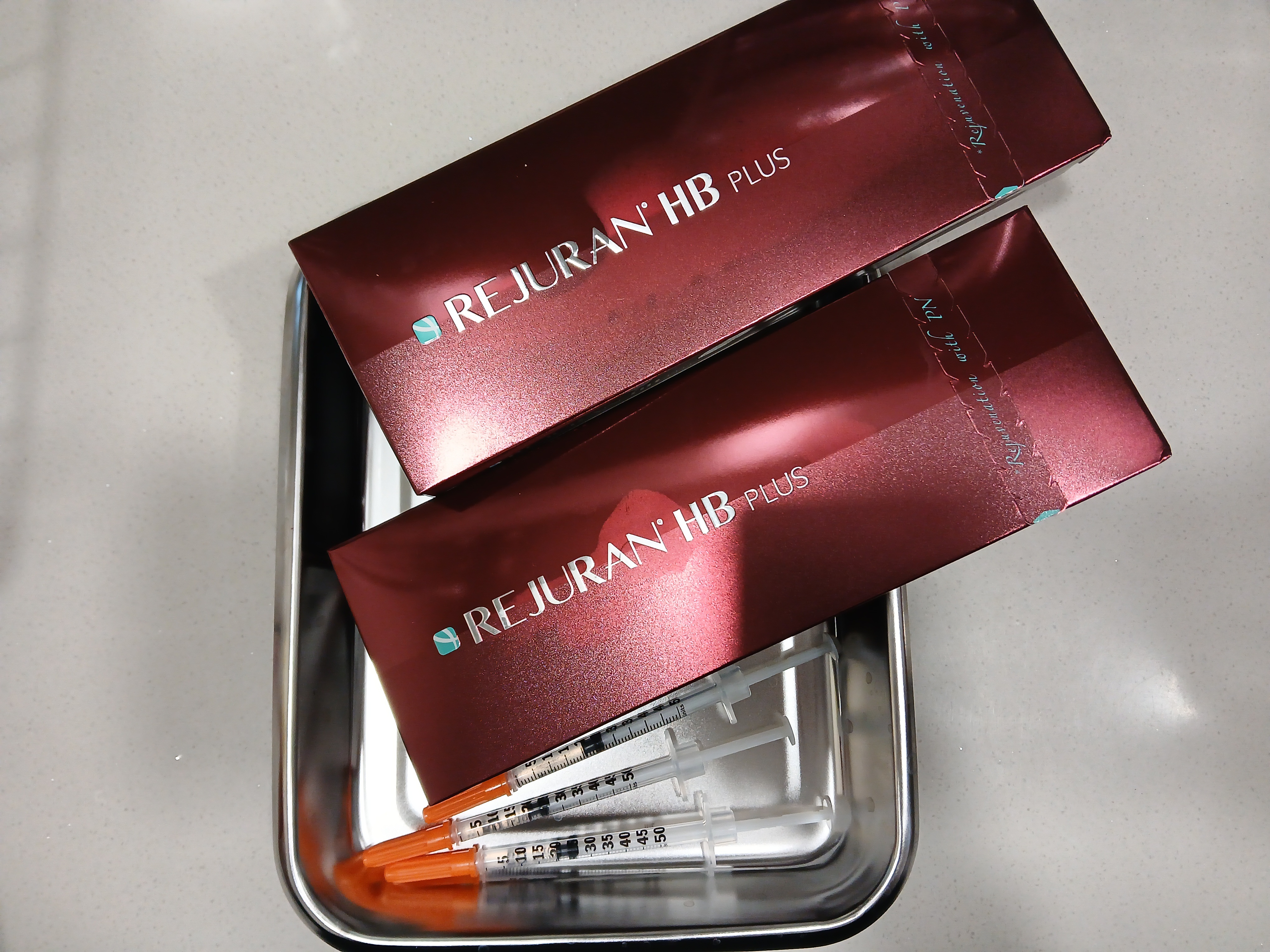
This guide explains the principles of dermal regeneration, the realistic outcomes you can expect, and how I approach these treatments with a focus on structural analysis and professional care.
What Are Regenerative Skin Boosters and Dermal Treatments?
Regenerative skin treatments are a category of procedures designed to support the skin's natural repair mechanisms. Rather than just treating the surface, these treatments aim to improve texture, tone, and firmness by creating a healthy "dermal environment." At LUNN, I prioritize a customized design for every patient, analyzing the facial structure and aging patterns before any procedure.
Defining Dermal Regeneration at LUNN
At its core, this therapy involves using materials like skin boosters (such as PN, PDLLA, or exosome-based preparations) to influence skin health. I often tell my patients that these treatments are like "watering parched land"—they provide the essential nutrients and signaling required for the skin to thrive. At LUNN, I emphasize the distinction between different products, such as low-hydrophilic fillers (like Belotero) used for dark circles to minimize swelling, and pure skin boosters used for texture. I personally handle everything from consultation to the procedure and follow-up, ensuring an "integrated responsibility" that factory-style clinics cannot provide. It is important to note that results vary by individual, and multiple sessions may be necessary depending on your baseline skin condition.
How Regenerative Signals Contribute to Skin Renewal
Regenerative materials work primarily through signaling. When we introduce skin boosters into the dermis, they release factors that encourage fibroblast activity—the cells responsible for collagen and elastin. In my clinical experience, the effects are gradual. You won't see an immediate structural lift as you would with a surgical procedure; instead, you'll notice a slow improvement in skin density and a "calmer" barrier. I rely on anatomical structure and logical principles rather than marketing hype. Since every person's skin is unique, I frame these benefits as possible improvements rather than guaranteed outcomes. Some patients may see limited change, which is why a thorough manual analysis of skin thickness and fat volume is essential before starting.
Key Terminology and Dermal Philosophy
Precision matters in dermatology. Whether we are discussing autologous materials (from your own body) or cell-free signaling factors like exosomes, each has a specific role. At LUNN, I focus on the "Detail and Harmony" of these components. For example, when treating dark circles, the issue is often a "shadow" created by the tear trough ligament. Improving this requires a deep understanding of the dermal environment. When a clinic uses vague terms like "magic shots," it's a sign to be cautious. I prefer to explain the physical properties and mechanisms of each booster so you can make an informed decision based on evidence.
How Regenerative Treatments Work at LUNN
I view these treatments as tools to enhance your natural beauty. They are often most effective when combined with other modalities, such as lifting lasers, to create a synergistic effect.
Types of Materials Used in Dermal Treatments
The materials I select are based on their safety and clinical efficacy. This includes low-hydrophilic fillers for delicate areas like under the eyes to avoid the Tyndall effect (bluish swelling) and various skin boosters that enhance the dermal layer. For lifting synergy, I often recommend boosters alongside treatments like Thermage or Ultherapy. While Thermage addresses dermal elasticity and Ultherapy targets the deeper SMAS layer, skin boosters improve the overall skin condition, making the results of the lifting lasers even more pronounced. In my view, even with the best equipment, the results are determined by the doctor’s eye and their ability to adjust the parameters for each individual.
Delivery Methods and Clinical Protocols
I typically deliver these materials through precise intradermal injections or via channels created by microneedling or fractional lasers. Every procedure is performed after I have personally felt the thickness of your skin and the depth of your wrinkles. This "state analysis" is a non-negotiable step in my practice. Downtime is usually minimal—expect temporary redness or mild swelling for 1 to 3 days. I often tell my patients, "Honest results take time." We plan the intervals between sessions based on your skin's specific recovery rate to ensure we are supporting, not overwhelming, your biology. We must also acknowledge that some patients may require more sessions than others to achieve their desired harmony.
The Role of Growth Factors and Signaling
Growth factors are the conductors of skin repair. By introducing these signaling molecules, we encourage the skin to synthesize new collagen. The challenge in the industry is standardization, which is why I only use products with a clear evidence base. To be honest, while these treatments can plausibly support skin quality, the magnitude of the benefit depends heavily on your lifestyle and baseline health. I provide realistic counseling that balances the potential for improved texture with the understanding that these changes are modest and gradual.
Potential Benefits and Realistic Outcomes
Regenerative treatments are excellent for texture and early structural support, but they are not a one-size-fits-all solution for every aging concern.
Evidence-Based Expectations
I rely on clinical proof and my own extensive experience. While the science of skin boosters is promising, it is not a miracle. At LUNN, I avoid over-the-top advertising like "100% recovery" or "guaranteed results." Instead, I focus on how we can improve your hydration, texture, and firmness. You should expect visible changes to take weeks or even months as collagen remodeling is a slow process. To my friends and patients alike, I always say: "Lowering your greed slightly often leads to the most natural and satisfying results."
Typical Results and Individual Variability
Patients often report a calmer appearance and a slightly firmer feel. These changes are subtle. I recommend taking photos under consistent lighting to track your progress. Your results will be influenced by your age, sun exposure, and how well you follow aftercare instructions. It is important to realize that these treatments do not replace structural lifting for significant laxity. I frame our goals around these boundaries during our consultation so there are no surprises.
Comparing Regenerative Boosters to Conventional Rejuvenation
Regenerative boosters occupy a unique niche. Unlike fillers that add immediate volume or lasers that resurface the skin, boosters support the underlying biology.
| Approach | Primary Mechanism | Best Suited For | Typical Downtime |
|---|---|---|---|
| Skin Boosters | Signaling/Dermal Support | Texture and early firmness | 1–3 days |
| Fillers (Belotero) | Volume/Shadow reduction | Sunken areas (e.g., under eyes) | Minimal |
| Lifting (Ultherapy) | Structural SMAS tightening | Skin laxity and sagging | Minimal |
| Lasers | Controlled injury/Repair | Pigment and fine lines | Varies |
Risks, Limitations, and Safety Considerations
As a doctor, your safety is my first priority. We must discuss potential side effects with the same transparency as the benefits.
Common Side Effects and Aftercare
Temporary redness, swelling, and bruising are common and usually resolve within a few days. Rare risks include infection or hypersensitivity, which is why I use only characterized, high-quality products. At LUNN, I personally provide aftercare instructions, such as avoiding saunas and heavy exercise for a week and maintaining strict sun protection. As I often say, "The treatment begins in the clinic, but it is completed through your aftercare."
Regulatory and Professional Oversight
I operate LUNN under the strict standards of a board-certified dermatologist. In Korea, regenerative bio-products are governed by the Ministry of Food and Drug Safety. I am happy to discuss the documentation and safety profile of any product I use. I believe that a clinic that answers your questions plainly is far more trustworthy than one that hides behind marketing slogans.
Who Should Exercise Caution?
Not everyone is a candidate for these procedures. If you have an active skin infection, open wounds, or certain autoimmune conditions, we should postpone treatment. I also recommend that pregnant or breastfeeding individuals defer elective procedures. A thorough medical history and my personal clinical judgment will determine if a treatment is right for you. If you aren't a good candidate, I will be honest and tell you so.
Choosing the Right Approach with a Specialist
The right choice follows a diagnosis. I evaluate your skin's thickness, pigmentation, and vascularity before making a recommendation. If your main concern is looking "tired," we might focus on your under-eye area. If it’s general aging, a combination of lifting and boosters might be the path to harmony. I treat my patients as I would my own acquaintances, with honesty and a focus on long-term health.
Key Takeaways
- Skin boosters aim to support the dermal environment; results are gradual and natural.
- My philosophy centers on "Refining the Details" to achieve "Perfect Harmony."
- Side effects like redness and swelling are temporary; individual results always vary.
- Thorough analysis by a dermatologist is essential to determine the correct protocol.
- Be wary of "guaranteed" results; choose treatments based on logic and anatomical principles.
Frequently Asked Questions
Q. What are regenerative skin boosters?
They are treatments that use materials like PN or exosomes to support the skin's internal repair processes. The goal is to improve texture and tone by creating a healthy dermal environment. Results vary from person to person.
Q. Are these treatments safe?
When performed by a board-certified dermatologist using high-quality products, they are generally very safe. Common side effects include temporary redness and mild discomfort. I personally supervise every step to ensure your safety.
Q. How much do these treatments cost?
Costs vary depending on the specific booster used and the number of sessions required. At LUNN, we provide a clear cost estimate after a personal consultation and structural analysis of your skin.
Q. How many sessions will I need?
While some patients see a difference after one session, I usually recommend a series to achieve the best results. The interval and count depend entirely on your skin's response and our initial design.
Q. Is the result guaranteed?
No. In medicine, there are no 100% guarantees. Your age, baseline condition, and lifestyle all play a role. However, by focusing on the details, I strive to provide the most natural and harmonious result possible.
Q. Who should avoid these treatments?
Those with active infections or certain medical histories should consult with me first. I perform a full medical screening for every new patient to ensure the treatment is appropriate.
If you are looking for a professional who treats skin with delicate care and values natural beauty, I invite you to visit LUNN. We will work together to find the right direction for your skin. For further insights, you can also find me on Threads @dr.lunn.
LUNN Dermatology Clinic / Dr. Park Hyungkwon
FAQ
- What is skin regeneration stem cell therapy?
- It is a regenerative approach that uses stem cells, cell-free derivatives, or conditioned media to support the skin's own repair processes. The goal is usually to improve texture, tone, and firmness by supporting collagen and elastin production. It is not a disease treatment, and results vary by individual.
- Is stem cell therapy for skin regeneration safe?
- When performed by a qualified dermatologist in a controlled setting with well-characterized products, the procedure is generally well tolerated. Common effects include temporary redness, swelling, and mild discomfort. Serious risks are uncommon but possible, and long-term safety data remain limited for some methods.
- How much does stem cell skin therapy cost?
- Costs vary widely by clinic, region, and whether the product is autologous, donor-derived, or cell-free. Fees can range from several hundred to several thousand dollars per session depending on these factors. An accurate estimate requires an in-person consultation and a clear description of the protocol.
- How many sessions are needed to see results?
- The number depends on the protocol and the individual's skin condition. Some patients notice changes after one session, while others need a series of three or more spaced weeks apart. Maintenance sessions may also be recommended to sustain improvements.
- What are the alternatives to stem cell therapy for skin regeneration?
- Alternatives include platelet-rich plasma, microneedling, laser resurfacing, chemical peels, and topical retinoids. Each has a different mechanism, evidence base, and risk profile. A dermatologist can help determine which approach fits the concern being addressed.
- Are the results of stem cell therapy guaranteed?
- No. Results are not guaranteed and vary from person to person. Age, baseline skin condition, sun exposure, and lifestyle all influence outcomes. Realistic expectations and a discussion of typical results should precede any decision.
- Who should avoid stem cell therapy?
- People with active skin infections, certain autoimmune conditions, or a history of cancer should consult a physician first. Pregnant or breastfeeding individuals and those with compromised immune systems may also need to defer treatment. A full medical history is essential before proceeding.
- Is stem cell therapy FDA-approved for skin rejuvenation?
- Most stem cell therapies for skin rejuvenation are not FDA-approved. The FDA regulates these products based on how they are manufactured and intended for use. Patients should ask which category a product falls into and choose a provider who explains the regulatory status clearly.