
Post
A Specialist's 2026 Guide to Skin Botox for Pore Reduction at LUNN
Hello, I am Dr. Hyung-kwon Park, a dermatologist practicing in Cheongdam and Apgujeong Rodeo. Skin botox for pore reduction is an advanced aesthetic procedure designed to refine skin texture and minimize the appearance of enlarged pores.
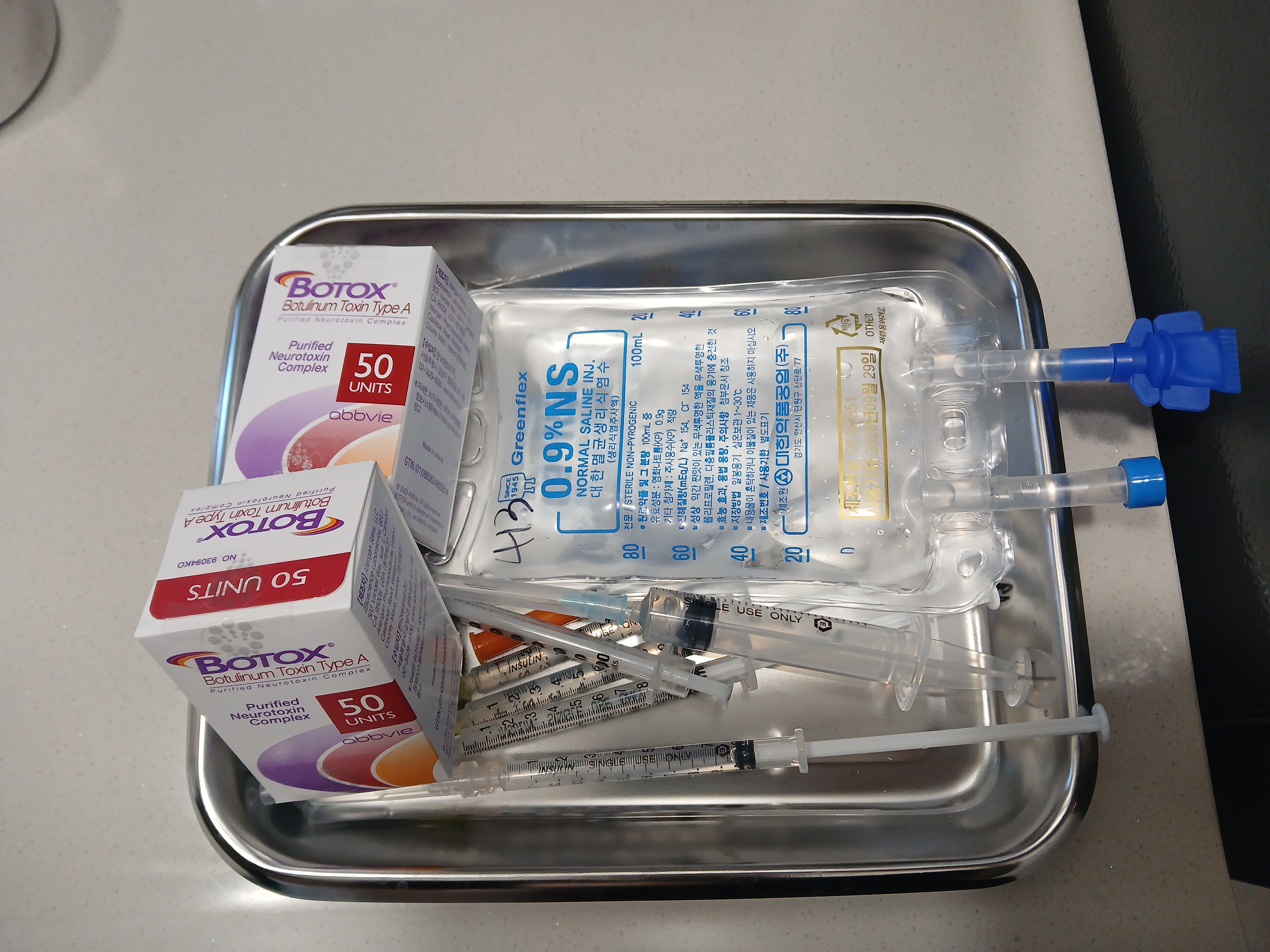
This guide outlines how micro-interval intradermal injections can support a balanced and smoother complexion. Understanding the specific biological mechanisms allows individuals to make informed decisions for their personalized dermatological care.
Understanding Skin Botox for Pore Reduction and Skin Refinement
Skin botox for pore reduction is a specialized dermatological procedure that delivers diluted botulinum toxin into the superficial layers of the skin to refine texture and decrease pore visibility.
The Scientific Principles of Intradermal Micro-Injections
Intradermal micro-injections involve the precise delivery of highly diluted botulinum toxin type A into the papillary dermis layer. Unlike conventional applications, this methodology targets the superficial skin layers where the erector pili muscles and sebaceous glands reside. By utilizing a specialized dilution ratio, the solution disperses evenly across a wider surface area. This wide distribution allows for a subtle modulation of local cellular signals without freezing facial expressions, adjusting the injection depth and concentration meticulously based on the patient's individual muscular and dermal resistance. Individuals undergoing this procedure may observe a smoother skin texture as the superficial tension decreases over a period of 7 to 14 days. It is critical to recognize that while this technique influences the superficial structures, individual skin responses always vary based on baseline dermal thickness and existing pore conditions. This targeted approach forms the foundation of contemporary micro-dermal refining treatments.
How Intradermal Delivery Differs from Traditional Intramuscular Botox
Traditional botulinum toxin procedures focus on the deep intramuscular layer to temporarily reduce dynamic wrinkles by relaxing the underlying mimetic muscles. In contrast, intradermal delivery focuses strictly on the upper envelope of the skin, completely avoiding the deeper muscle blocks. This differentiation ensures that voluntary facial movements and natural expressions remain entirely unaffected during daily conversations. Clinical observations indicate that while intramuscular treatments typically maintain an effect for 4 to 6 months, superficial intradermal applications possess a slightly shorter operational window of approximately 3 to 4 months. The structural impact remains localized to the pore architecture and the superficial micro-vasculature, minimizing the risk of systemic diffusion or muscular ptosis. At LUNN, maintaining this exact anatomical boundary is emphasized to preserve the natural harmony of the face. Patients should note that regular maintenance sessions are generally required to sustain these superficial skin adjustments over extended periods.
The Biological Mechanism of Pore Minimization and Sebum Control
The biological mechanism driving this refinement process involves the targeted inhibition of neurotransmitters that regulate the secretory functions of the skin's oil glands.
Regulating Sebaceous Gland Activity to Reduce Oiliness
The regulation of sebaceous gland activity through intradermal botulinum toxin relies on blocking the release of acetylcholine from postganglionic sympathetic nerves. This specific neurological inhibition leads to a localized decrease in sebum production, helping to control surface oiliness during the operational window of the treatment. Excessive sebum often dilates the pore walls, making them appear significantly larger and more prominent on the T-zone. By controlling this lipid secretion, the structural stress on the follicular infundibulum is effectively minimized, allowing the pore margins to rest. It is important to emphasize that this reduction does not permanently alter gland anatomy, and sebum levels gradually return to baseline after 12 to 16 weeks, with individual outcomes varying depending on baseline skin conditions. Potential side effects can include temporary localized dryness, which can be managed easily with appropriate non-comedogenic moisturizers. This temporary regulation offers a strategic window for enhancing overall skin refinement and clarity.
Targeting Vertical Pores by Enhancing Superficial Skin Elasticity
Vertical pores typically develop as a consequence of aging and a decline in dermal structural integrity, causing the pores to elongate downward. Intradermal micro-injections assist in addressing this structural sagging by stimulating a mild fibroblastic response and rearranging superficial tension lines within the upper dermis. This subtle tightening effect helps restore a more rounded, youthful geometry to individual pores rather than an elongated ellipse. Clinical evaluations suggest that enhancing this superficial elasticity provides a smoother light reflection, which reduces the visual depth of pores by a noticeable margin. However, this process does not replace structural volume lost in deeper subcutaneous layers, which might necessitate alternative combinations like the protocols detailed in Skin Booster for Pore Reduction: Achieving Perfect Harmony at LUNN. Patients should remain aware that achieving optimal elasticity improvements requires adequate baseline skin health and adherence to recommended post-treatment care routines.
Comparing Skin Botox with Energy-Based Laser Resurfacing
Comparing intradermal injections with energy-based laser resurfacing involves evaluating the distinct physical pathways through which each modality addresses skin texture and structural integrity.
A Comparative Overview of Treatment Mechanisms and Structural Impact
Evaluating options for skin refinement requires a clear understanding of how different modalities interact with the dermal matrix. Intradermal micro-injections alter cellular signaling pathways chemically, whereas energy-based laser resurfacing creates micro-thermal treatment zones to induce a wound-healing cascade. Lasers typically target deeper columns of tissue to remodel collagen over 3 to 6 months, making them suitable for deep structural scars. Conversely, the intradermal approach works rapidly on the surface layer, providing visible refinement without altering deeper anatomical configurations. Neither treatment is universally superior, as the selection depends entirely on whether an individual requires surface micro-modulation or deep tissue regeneration. At LUNN, a thorough physical assessment helps clarify which mechanism aligns best with the patient's specific structural needs. It is also common for individuals to experience distinct sensations, ranging from mild pinpoint pressure during injections to a warm sunburnt feeling following a laser resurfacing session.
| Characteristic | Intradermal Micro-Injections | Energy-Based Laser Resurfacing |
|---|---|---|
| Primary Target Layer | Superficial Papillary Dermis | Deep Dermal Columns / Epidermal Surface |
| Primary Mechanism | Chemical Modulation of Local Signaling | Micro-Thermal Tissue Remodeling |
| Typical Onset of Results | 3 to 7 Days Post-Treatment | 3 to 6 Months for Full Collagen Synthesis |
| Expected Recovery Period | 2 to 24 Hours for Initial Papules | 5 to 7 Days for Micro-Crusting |
| Standard Session Frequency | Every 3 to 4 Months for Maintenance | Variable Blocks of 3 to 5 Sessions |
Analyzing Expected Timelines and Minimal Recovery Periods
Recovery timelines represent a key differentiator for individuals selecting a skin refinement protocol in 2026. Intradermal treatments boast a minimal recovery window, with typical post-injection bumps resolving within 2 to 24 hours as the solution absorbs. On the other hand, fractional laser resurfacing usually demands 5 to 7 days of social downtime due to micro-crusting and erythema. The onset of visible benefits also differs, with intradermal solutions showing initial pore refinement within 7 days, whereas lasers require multiple weeks to demonstrate new collagen synthesis. For individuals seeking minimal disruption to their professional schedules, the micro-injection technique presents a manageable alternative. Nevertheless, individual healing capacities vary, and temporary swelling or bruising can occasionally persist for 48 hours depending on vascular fragility. Maintaining realistic expectations regarding these recovery intervals ensures a more satisfactory treatment journey and prevents unexpected interruptions in daily activities.
The Layered Design Philosophy and Injection Approach at LUNN
The layered design philosophy at LUNN focuses on analyzing the precise structural depths of the skin to deliver customized, micro-interval treatments that respect natural facial harmony.
Personalized Structural Analysis by Dr. Hyung-kwon Park
Every successful aesthetic intervention begins with an objective assessment of the patient's unique facial anatomy and skin quality. Dr. Hyung-kwon Park utilizes advanced diagnostic methods to map pore distribution patterns, sebum excretion rates, and localized elasticity loss across different facial zones. This meticulous analysis ensures that the injection depth remains consistently within the upper dermis, avoiding any deeper muscular interference. By tailoring the concentration and volume to the specific requirements of each zone, the treatment preserves natural expressions while addressing targeted imperfections. This personalized philosophy focuses on addressing individual anatomical variations to ensure tailored care, as every patient's skin structure requires a unique approach. Patients receive a clear explanation of their structural baseline before any procedure is initiated at LUNN. This educational approach helps establish clear benchmarks for tracking subsequent improvements and ensures that the final outcomes complement the inherent geometry of the individual face.
The Precision of Micro-Interval Injections for Balanced Results
The technical execution of intradermal therapy demands an exceptional level of precision, utilizing micro-interval placements spaced systematically apart. This grid pattern guarantees an even distribution of the diluted solution, preventing localized pooling or asymmetrical texture variations. Each micro-droplet delivers a controlled unit of botulinum toxin, optimizing the interaction with superficial receptors while maintaining total safety. At LUNN, this meticulous detail orientation prevents the common pitfall of an unnatural, stiff appearance that can occur with inaccurate placement. The entire process takes approximately 15 to 20 minutes, making it highly efficient for busy modern lifestyles. However, achieving this balance requires a sophisticated understanding of dermal resistance and precise fluid dynamics. Patients are advised that multi-session packages or complementary consultations, such as a comprehensive A Specialist's 2026 Guide to Aesthetic Dermatology Consultation in Seoul: Precision Care at LUNN, can assist in planning long-term skin maintenance goals safely.
Clinical Considerations, Potential Side Effects, and Essential Aftercare
Clinical considerations for intradermal procedures encompass the systematic identification of suitable candidates, proper management of transient side effects, and adherence to structured aftercare guidelines.
Managing Temporary Redness and Mild Swelling Post-Treatment
Post-treatment care is essential for minimizing temporary side effects and ensuring an uninterrupted recovery experience. Mild erythema and small localized papules at the injection sites are standard physiological responses that typically resolve within 12 hours. Applying a cooled, sterile compress immediately after the procedure can significantly reduce this initial vascular reactivity. Patients should avoid touching the treated areas for at least 4 hours to prevent any risk of secondary bacterial introduction. It is also recommended to refrain from applying heavy makeup or undergoing vigorous facial massages for 24 to 48 hours post-treatment. While serious complications are exceedingly rare with proper intradermal techniques, minor pinpoint bruising may occasionally occur and can take 3 to 5 days to fade completely. Adhering strictly to these professional recommendations supports the skin's natural stabilization process and allows the refining effects to manifest smoothly.
Identifying Suitable Candidates and Guidelines for Maintenance Cycles
Determining suitability for this refinement technique requires an evaluation of current skin conditions, medical history, and personal expectations. Ideal candidates include individuals experiencing persistent T-zone oiliness, widened pore structures, or mild superficial laxity. Conversely, individuals with active skin infections, keloidal tendencies, or neuromuscular disorders are not suitable candidates for this specific micro-injection approach. The standard maintenance cycle involves scheduling follow-up sessions every 3 to 4 months to preserve the optimal pore-minimizing effects. For advanced texturing concerns, alternating this method with specialized energy devices can be discussed, as outlined in A Specialist's 2026 Guide to Medical Grade Pore and Scar Treatment: Achieving Structural Harmony at LUNN. It remains vital to undergo a professional evaluation to ensure that your chosen treatment interval aligns safely with your skin's regenerative capacity. Regular assessments allow for timely adjustments to the formula, ensuring continued safety and satisfaction.
Key Takeaways
- Intradermal micro-injections deliver highly diluted solution safely within the top layer of the skin envelope.
- The procedure works by temporarily moderating sebaceous glands and surface elasticity to refine visible pore appearance.
- Typical recovery periods are minimal, with most localized papules settling smoothly within 2 to 24 hours.
- Consistent maintenance cycles every 3 to 4 months help sustain the refined surface characteristics individually.
Frequently Asked Questions
Q. What exactly is skin botox for pore reduction?
Skin botox involves injecting highly diluted botulinum toxin into the superficial layers of the skin, rather than the underlying muscles. This targeted approach works to temporarily reduce sebum production and refine skin texture, which helps minimize the appearance of enlarged pores. The effects typically remain localized to the upper layers without impacting natural facial expressions.
Q. How does the treatment process work at LUNN?
At LUNN, Dr. Hyung-kwon Park performs a comprehensive analysis of your skin texture and pore structural patterns. The diluted solution is then carefully administered across the target areas using precise, micro-interval intradermal injections to support a natural, balanced rejuvenation. This customized approach ensures that the depth and volume match your specific structural baseline.
Q. When can I expect to notice visible improvements in my pores?
Many individuals begin to notice a reduction in skin oiliness and a smoother skin texture within a few days to a week following the procedure. The full refining effect on pore appearance typically peaks around two to four weeks post-treatment as the superficial skin tension stabilizes. These outcomes vary based on individual dermal characteristics and lifestyle factors.
Q. Can skin botox be combined with other professional dermatological treatments?
Yes, skin botox can often be integrated with other modalities, such as light energy therapies or non-crosslinked hyaluronic acid micro-injections, to address multiple skin concerns simultaneously. A personalized consultation is required to determine a safe and compatible treatment sequence that respects your skin's healing capacity. Combining therapies can help target both surface texture and deeper structural volume concerns.
Q. What are the common temporary side effects or risks involved?
While the procedure is generally well-tolerated, temporary side effects may include mild redness, localized swelling, pinpoint bruising, or a transient feeling of tightness at the injection sites. These typical responses generally resolve spontaneously within a few hours to a couple of days. Adhering to professional aftercare guidelines helps minimize these risks and supports a smooth recovery.
Q. How much does the skin botox procedure cost at LUNN?
The cost of the treatment varies depending on the specific surface area treated, the condition of the skin, and the customized formulation required for your individual needs. For accurate pricing information and a personalized plan, please contact LUNN to schedule an individual consultation. This allows for a thorough evaluation and a transparent breakdown of the recommended protocol.
Q. What alternative options are available if I am not a suitable candidate for skin botox?
If intradermal injections are not recommended for your current skin status, alternative options such as fractional laser resurfacing, non-ablative radiofrequency treatments, or specialized medical-grade topical regimens can be explored during your dermatological consultation to help improve pore appearance. Each option presents unique timelines and mechanisms that can be tailored to your goals. A comprehensive skin analysis will guide the selection of the most appropriate alternative path.
For personalized inquiries, please contact LUNN. Lunn Dermatology Clinic / Dr. Hyung-kwon Park
FAQ
- What exactly is skin botox for pore reduction?
- Skin botox involves injecting highly diluted botulinum toxin into the superficial layers of the skin, rather than the underlying muscles. This targeted approach works to temporarily reduce sebum production and refine skin texture, which helps minimize the appearance of enlarged pores. The effects typically remain localized to the upper layers without impacting natural facial expressions.
- How does the treatment process work at lunnclinic?
- At lunnclinic, Dr. Hyung-kwon Park performs a comprehensive analysis of your skin texture and pore structural patterns. The diluted solution is then carefully administered across the target areas using precise, micro-interval intradermal injections to support a natural, balanced rejuvenation. This customized approach ensures that the depth and volume match your specific structural baseline.
- When can I expect to notice visible improvements in my pores?
- Many individuals begin to notice a reduction in skin oiliness and a smoother skin texture within a few days to a week following the procedure. The full refining effect on pore appearance typically peaks around two to four weeks post-treatment as the superficial skin tension stabilizes. These outcomes vary based on individual dermal characteristics and lifestyle factors.
- Can skin botox be combined with other professional dermatological treatments?
- Yes, skin botox can often be integrated with other modalities, such as light energy therapies or non-crosslinked hyaluronic acid micro-injections, to address multiple skin concerns simultaneously. A personalized consultation is required to determine a safe and compatible treatment sequence that respects your skin's healing capacity. Combining therapies can help target both surface texture and deeper structural volume concerns.
- What are the common temporary side effects or risks involved?
- While the procedure is generally well-tolerated, temporary side effects may include mild redness, localized swelling, pinpoint bruising, or a transient feeling of tightness at the injection sites. These typical responses generally resolve spontaneously within a few hours to a couple of days. Adhering to professional aftercare guidelines helps minimize these risks and supports a smooth recovery.
- How much does the skin botox procedure cost at lunnclinic?
- The cost of the treatment varies depending on the specific surface area treated, the condition of the skin, and the customized formulation required for your individual needs. For accurate pricing information and a personalized plan, please contact lunnclinic to schedule an individual consultation. This allows for a thorough evaluation and a transparent breakdown of the recommended protocol.
- What alternative options are available if I am not a suitable candidate for skin botox?
- If intradermal injections are not recommended for your current skin status, alternative options such as fractional laser resurfacing, non-ablative radiofrequency treatments, or specialized medical-grade topical regimens can be explored during your dermatological consultation to help improve pore appearance. Each option presents unique timelines and mechanisms that can be tailored to your goals. A comprehensive skin analysis will guide the selection of the most appropriate alternative path.