
Post
How to Prepare Your Skin for Laser Treatment to Avoid Side Effects: A 2026 Guide from LUNN
Preparing your skin for laser treatment means adjusting your skincare routine, sun exposure, and medications in the weeks before a session so the laser can work predictably and with fewer complications.
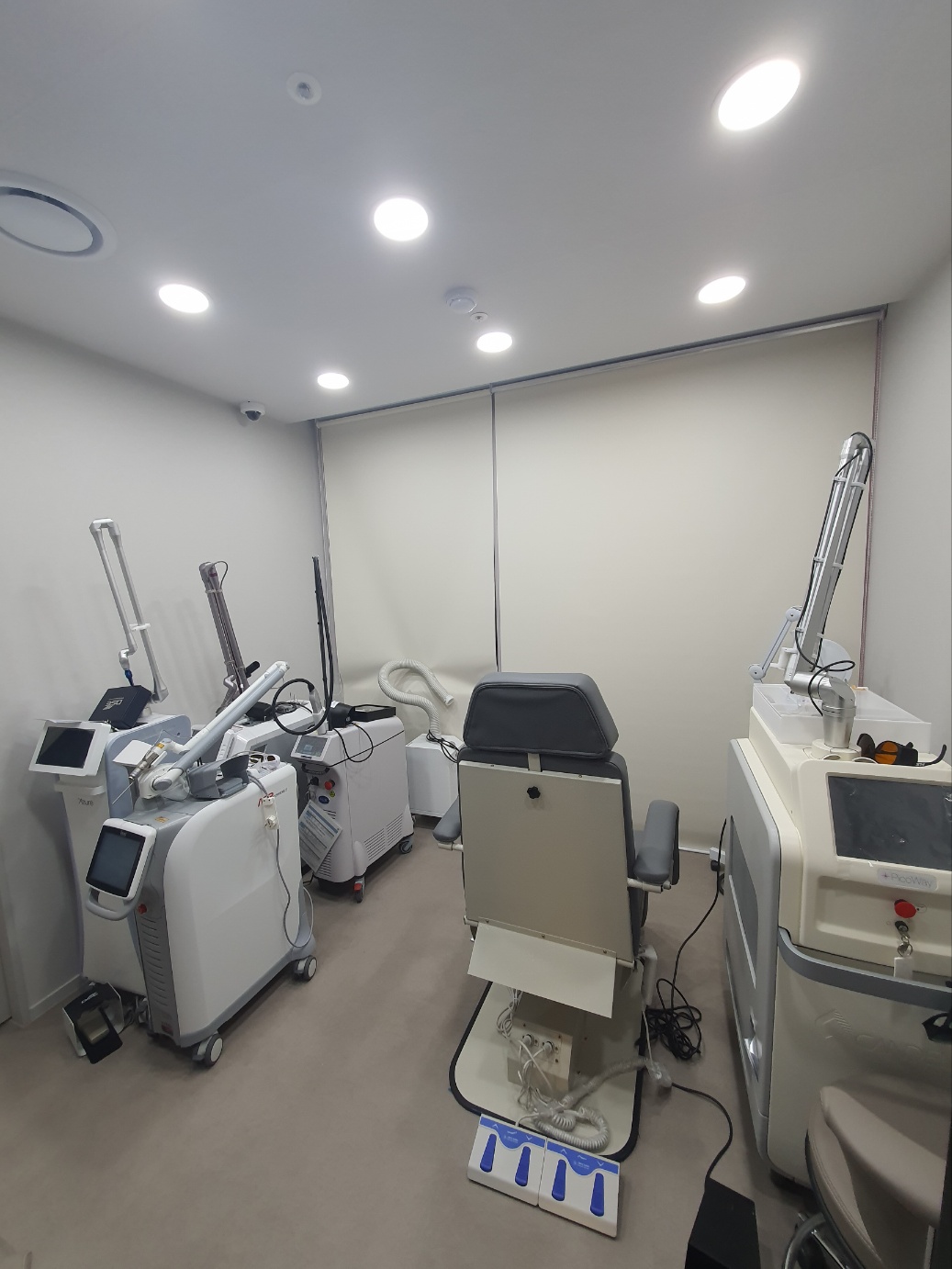
This 2026 guide walks through what actually matters, what to skip, and where the real risks hide.
Preparing Your Skin for Laser Treatment: Definition and Overview
Preparing your skin for laser treatment is a deliberate, time-limited protocol that reduces the chance of unpredictable reactions when light energy meets your skin. It combines medical assessment, home-care adjustments, and post-treatment planning into one continuous process rather than a single pre-appointment checklist.
What Skin Preparation for Laser Treatment Means
Skin preparation covers the two to four weeks before a laser session. It includes a consultation to classify your skin type, a pause on certain activities that irritate the skin, disciplined sun protection, and disclosure of medications that raise photosensitivity or bleeding risk. Prep is not about buying a special kit. It is about removing variables that make laser energy behave differently than expected. LUNN approaches this as part of the treatment itself, since a poorly prepared skin can turn a routine session into a longer recovery. The skin barrier needs time to stabilize after any change, and a 2026 outlook treats preparation as a period, not an event.
Why Preparation Reduces Side Effects
Most laser side effects that are not device-related come from skin that was reactive, tanned, or irritated at the time of treatment. Post-inflammatory hyperpigmentation is a classic example. When skin is recently sun-exposed, melanocytes respond more aggressively to heat, and the result can be unwanted pigmentation. Reducing that risk means protecting the skin from UV rays before the laser ever fires. Preparation is therefore less about preventing every reaction and more about keeping the response within a manageable range. For laser hair removal, following specific intervals is the "aesthetic of cycles and spacing" required for optimal results.
Key Factors That Influence Laser Outcomes
Several variables determine how a laser session goes, and preparation touches most of them.
- Fitzpatrick skin type and natural melanin density
- Recent sun exposure, including tanning, which suppresses local skin immunity
- Presence of viral infections like flat warts, which can spread through micro-injuries
- Medications such as isotretinoin or anticoagulants
- History of waxing or tanning before hair removal sessions
- Device choice and settings, which should match the skin's anatomical structure
LUNN builds the preparation timeline around the specific laser being used and the area being treated. Every factor is reviewed during a professional consultation.
Medical Consultation and Skin Assessment Before Laser Treatment
A pre-treatment consultation is a structured assessment of your skin and medical history that decides whether a laser session is appropriate. It is the point where preparation becomes personal rather than generic.
The Importance of a Pre-Treatment Consultation
Consultation confirms the diagnosis and sets realistic expectations. At LUNN, the pre-treatment visit serves as a baseline record. Dr. Hyung-kwon Park believes that "while a good camera exists, it is the photographer's eye that creates a masterpiece," meaning the results depend on the doctor's expert analysis rather than just the equipment. Skipping this step is a common reason outcomes may not meet expectations.
Understanding Your Skin Type and Condition
Skin type affects laser choice and settings significantly. A skin with active inflammation or a compromised barrier may need treatment delayed. LUNN performs a rigorous state analysis before any procedure. Rather than just checking general hydration, LUNN checks muscle thickness, wrinkle depth, eye protrusion, and fat volume as part of the assessment to ensure the laser settings are precisely calibrated to the patient's unique anatomical structure.
Reviewing Medical History and Medications
Medication review is vital. Certain antibiotics or supplements can raise photosensitivity. Patients should disclose all history, including skin conditions like flat warts, which require specific laser strategies to wake up the skin's immunity rather than just burning the surface. The review protects both safety and the predictability of the result. If a medication needs to be paused, that decision is coordinated to prioritize the patient's overall health.
Practical Steps to Prepare Your Skin at Home
Home preparation is the part of the protocol patients control directly. It is simple in principle but requires consistency, which is why LUNN repeats these guidelines before every session.
Skincare Adjustments and Sun Protection
The core routine should focus on stability. Use a gentle cleanser, a fragrance-free moisturizer, and broad-spectrum sunscreen every day. Sun protection is a mandatory requirement, especially for those prone to flat warts, as UV rays inhibit local immunity. LUNN advises patients to avoid deliberate tanning or tanning beds entirely in the weeks leading up to treatment. Well-hydrated skin tolerates laser heat better than dry skin, so consistent moisturizing is encouraged.
Activities and Products to Avoid Before Treatment
To ensure the skin barrier is calm and the laser target (like the hair follicle) is intact, certain activities must be paused:
- Waxing, plucking, or electrolysis on the treatment area for at least four weeks prior to laser hair removal.
- Tanning (both natural and artificial), which changes how the laser interacts with skin melanin.
- Aggressive physical scrubs or exfoliating tools that might cause micro-tears.
- Intentional sun exposure without protection.
Shaving is generally acceptable for hair removal. The goal is a stable skin environment. For treatments like lifting, preparation involves understanding that "structural improvement" comes before surface-level changes.
Lifestyle Factors: Hydration and Habits
Adequate water intake and consistent sleep support the skin's barrier function. Habits like smoking can affect microcirculation and healing. LUNN frames these as supporting habits rather than rigid prohibitions, as practical advice works better for long-term skin health. Arriving for a procedure well-rested helps the skin respond more predictably to the heat energy of lasers like Ultherapy, Thermage, or ONDA.
Comparing Pre-Treatment Protocols: What Works and What to Avoid
Pre-treatment protocols differ in what they actually control. Comparing them helps separate evidence-based steps from general myths.
Professional vs. At-Home Preparation
| Aspect | Professional (LUNN-guided) | At-Home (Self-directed) |
|---|---|---|
| Skin Assessment | Analysis of muscle/fat/wrinkles | General observation |
| Device Selection | Ultherapy, Thermage, ONDA, etc. | Not applicable |
| Hair Removal Prep | Cycle and spacing optimization | Often inconsistent |
| Sun Protection | Focus on local immunity | General use |
| Medication Review | Professional clinical review | Rarely considered |
| Risk Management | Specialized medical oversight | Variable |
The combination of professional guidance and patient follow-through is what produces the most natural and harmonious results.
Common Myths and Misconceptions
One myth is that a single session is enough for permanent results; in reality, cycles like the 4-8 week interval for hair removal are essential. Another is that all lasers are the same. In practice, the doctor's "parameter settings"—adjusting energy based on hair thickness and skin sensitivity—are what define the quality of the result. LUNN addresses these myths during consultation to ensure patients understand the logic behind their personalized plan.
How Different Laser Types Require Different Prep
Prep is not identical across devices. Laser hair removal requires the follicle to remain intact, so waxing must be avoided. Lifting treatments (Ultherapy/Thermage) require a plan for "layered design," where the doctor analyzes the SMAS layer and dermis before firing. Flat wart treatments focus on preventing the spread caused by "self-inoculation" from razors or scrubs. LUNN matches the preparation timeline to the specific device and the clinical goal.
Managing Expectations and Minimizing Risks
Expectation management is part of preparation. Patients who understand the process report higher satisfaction levels.
Potential Side Effects and How to Reduce Them
Common side effects include temporary redness and mild swelling. More significant risks like pigment changes are minimized through accurate assessment and sun protection. For procedures like jawline botox or lifting, LUNN prevents issues like "hollow cheeks" by precisely comparing muscle thickness on both sides. Choosing a "conservative approach"—treating slightly less and observing the progress—is LUNN's philosophy for ensuring safety and natural beauty.
The Role of Post-Treatment Care in Preventing Complications
Post-treatment care is the second half of preparation. For lifting lasers, this includes avoiding saunas, using sun protection, and maintaining moisture for at least a week. For flat wart removal, it means protecting the treated area to allow the skin's immune response to finalize the healing. If the skin feels unusually sensitive, following the structured aftercare guidance provided by Dr. Park is essential to prevent complications like infection or rebound pigmentation.
When to Consult a Dermatologist
If redness persists beyond the expected window, or if there are signs of infection, a prompt review is necessary. New pigmentation after treatment also warrants a visit. A dermatologist can distinguish between normal recovery and a complication. LUNN emphasizes that because every person's anatomy is different, results can vary, and a professional's eye is the best tool for navigating the recovery phase.
Key Takeaways
- Start preparation at least two weeks before treatment, focusing on sun protection.
- Avoid waxing, plucking, or tanning for at least four weeks before laser hair removal.
- Undergo a professional assessment of muscle thickness, fat volume, and wrinkle depth.
- Disclose all medications and skin history, including viral conditions like flat warts.
- Follow the "layered design" plan for lifting procedures to ensure natural harmony.
Frequently Asked Questions
Q. How long before laser treatment should I start preparing my skin?
Ideally, begin at least two weeks before your session. This allows the skin barrier to stabilize and ensures you have time for a professional consultation and anatomical analysis.
Q. Can I wear makeup on the day of my laser treatment?
It is best to arrive with clean skin. Makeup can interfere with the laser's interaction with the skin and may increase the risk of irritation during the procedure.
Q. Should I avoid specific activities before laser hair removal?
Yes. You must avoid waxing, plucking, and tanning for at least four weeks. Shaving is allowed, but the hair follicle must remain in the skin for the laser to target it effectively.
Q. Is sun exposure a problem before laser treatment?
Yes. UV exposure suppresses skin immunity and increases the risk of pigment issues. Use broad-spectrum sunscreen daily and avoid tanning for at least two weeks prior to your appointment.
Q. What are common side effects, and how are they prevented?
Redness and mild swelling are common. LUNN prevents more serious issues by using a "conservative approach" and precisely measuring muscle and fat layers to avoid unnatural results.
Q. How should I care for my skin after a lifting laser treatment?
Focus on moisture and sun protection. Avoid high-heat environments like saunas for one week, and follow the specific recovery plan provided by the clinic to complete the "layered design" process.
Q. Why does the doctor check my muscle thickness before the laser?
Dr. Park performs this state analysis to ensure the laser energy is delivered to the correct depth and volume, preventing side effects like facial hollowness and ensuring a balanced, natural look.
Q. Can flat warts be treated with lasers?
Yes. Rather than just burning them, the laser acts as a stimulus to wake up the skin's immune system. Proper preparation involves stopping the use of scrubs or razors that spread the virus.
If you are planning laser treatment in 2026 and want a preparation plan matched to your skin, LUNN welcomes a consultation to review your history and timeline. LUNN Dermatology Clinic / Dr. Hyung-kwon Park. For brief updates, Threads @dr.lunn.
FAQ
- How long before laser treatment should I start preparing my skin?
- Ideally, begin at least two weeks before your scheduled session. That window allows skin to adjust to routine changes and leaves time for a consultation. Your dermatologist may recommend a different timeline depending on your skin type and the laser being used.
- Can I wear makeup on the day of my laser treatment?
- It is generally best to arrive with clean, bare skin. Makeup can interfere with laser penetration and add irritation risk. Your clinic will tell you exactly when to stop wearing makeup before the appointment.
- Which skincare ingredients should I avoid before laser treatment?
- Pause retinoids, AHAs, BHAs, and high-concentration vitamin C for about a week before treatment. These actives increase sensitivity and the chance of side effects. Always confirm the timeline with your dermatologist rather than guessing.
- Is sun exposure a problem before laser treatment?
- Yes. Sun exposure raises the risk of post-inflammatory hyperpigmentation. Use broad-spectrum sunscreen with SPF 30 or higher daily and avoid direct sunlight and tanning beds for at least two weeks before treatment.
- Can I shave or wax before laser treatment?
- Shaving is usually fine. Waxing, plucking, and electrolysis should be avoided for about four weeks before treatment, especially on hair-bearing areas, because they irritate the skin and disturb the follicle. Follow your clinic's specific instructions.
- What are the common side effects of laser treatment, and how can I prevent them?
- Redness, swelling, and mild discomfort are common and usually settle within a few days. Burns, scarring, and infection are rare but possible. Choosing a qualified dermatologist and following pre- and post-treatment instructions carefully reduces the risk.
- How should I care for my skin after laser treatment?
- Keep the treated area clean and moisturized, avoid sun exposure, and use gentle products. Do not pick or scratch the skin. Contact your clinic if you notice signs of infection or an unexpected reaction.
- Are there any medications that can increase the risk of laser side effects?
- Yes. Blood thinners, certain antibiotics, and isotretinoin can raise bleeding risk or photosensitivity. Tell your dermatologist about every medication, supplement, and herb you take before treatment.